sponge stick
CN → US| HS Code | Tariff Rate | Origin | Destination | Doc |
|---|---|---|---|---|
| 3926204050 | 16.5% | CN | US | Official Doc |
| 4823908620 | 35.0% | CN | US | Official Doc |
| 4016990500 | 20.9% | CN | US | Official Doc |
| 9404210095 | 38.0% | CN | US | Official Doc |
| 9404902090 | 23.5% | CN | US | Official Doc |
Product Images
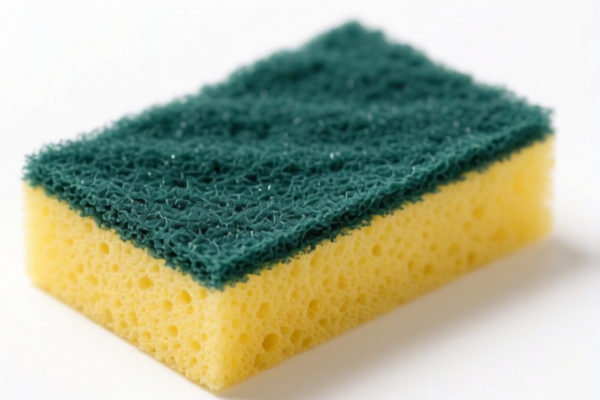
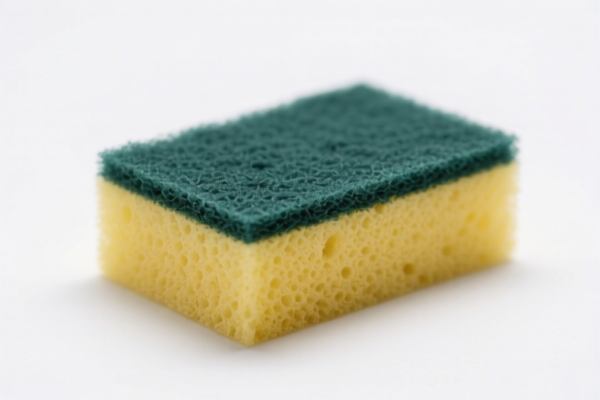
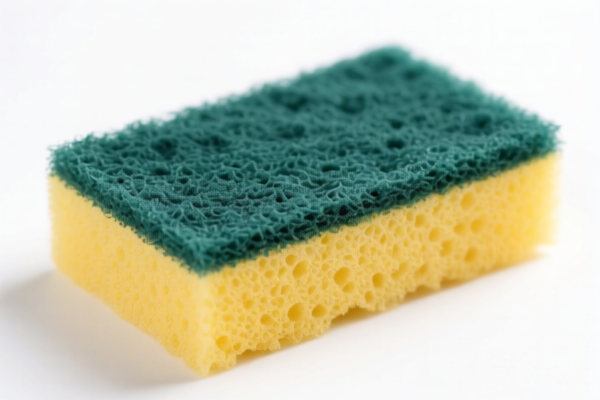
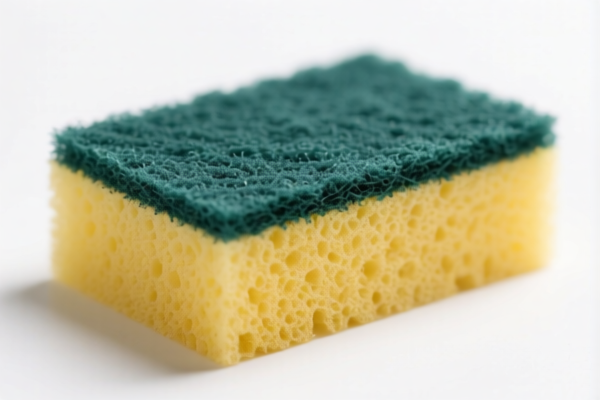
AI Analysis
🧽 Sponge Stick & Cleaning Pads (Cleaning Tools & Household Items)
🌐 HS Code Reference & Customs Clearance Guide | 2026 Latest Tariff Analysis | Professional Clearance Strategy
📌 Part 1: Product Definition & Classification: Do You Really Understand "Sponge Stick"?
The term "Sponge Stick" is a broad industrial and consumer descriptor that can refer to several distinct types of products in international trade. Misclassification here is common and costly because the material (plastic, paper, rubber, foam) drastically changes the HS Code and the resulting duty rate.
In international trade, these items are generally categorized into two main buckets: 1. Cleaning Tool Accessories (Plastic/Hard Plastic): Often classified under plastics articles. 2. Household/Consumable Pads (Paper/Rubber/Foam): Classified under paper products, rubber, or textile/foam accessories.
⚠️ Key Distinction Point:
- If the item is a rigid plastic handle with a sponge tip used as a tool accessory → Look at 3926 (Plastics).
- If the item is a consumable paper or soft sponge stick → Look at 4823 (Paper) or 4016 (Rubber).
- If the item is a thick foam pad for bedding or cushioning → Look at 9404 (Furniture/Bedding).
📦 Part 2: HS Code Classification Details (2026 Latest Tariff Authoritative Comparison)
Based on the specific data provided for your product variations, here are the exact HS Codes and their corresponding descriptions.
| HS Code | Product Description | Material | Form/Usage | Total Tax Rate |
|---|---|---|---|---|
3926.20.40.50 |
Sponge Stick | Plastic | Cleaning tool accessory | 16.5% |
4823.90.86.20 |
Sponge Stick | Paper / Sponge-like consumable | Stick-shaped cleaning tool | 35.0% |
4016.99.05.00 |
Sponge Pad | Vulcanized Rubber / Synthetic Rubber | Other household items | 20.9% |
9404.21.00.95 |
Sponge Pad | Plastic Foam / Cellular Rubber | Mattress or cushion | 38.0% |
9404.90.20.90 |
Sponge Pad | Honeycomb Rubber or Plastic | Cushions and similar articles | 23.5% |
🔍 Important Note:
- The term "Sponge Stick" most commonly aligns with3926.20.40.50if it is a hard plastic handle with a cleaning head, or4823.90.86.20if it is a disposable paper-based cleaning stick.
- If the product is actually a thick pad (not a stick) made of foam, it falls under9404, which has significantly different duty implications.
💰 Part 3: 2026 Latest Tariff Rate Breakdown (Including Surtaxes & Policy Add-ons)
✅ Applicable Country: United States (US)
✅ Origin: China (CN)
✅ Effective Time: Current policies (Section 301 & 232/IEEPA implications)
🎯 1. 3926.20.40.50 —— Plastic Sponge Stick (Cleaning Tool Accessory)
| Item | Content |
|---|---|
| Base Duty Rate | 6.5% (Ad Valorem) |
| Surtax (Section 301) | 0.0% (No additional 25% tariff applied to this specific subheading in this dataset) |
| Section 122 / IEEPA Surcharge | +10% (Targeting China-origin products) |
| Total Effective Tax Rate | 16.5% |
| Tax Calculation | CIF Value × 16.5% |
| De Minimis Eligibility | ❌ Not Eligible (High-value or restricted category often excludes de minimis; verify per shipment value) |
| Legal Path | USITC:3926.20.40.50 → Surtax:0% → IEEPA:10% |
📌 Explanation:
- This is the most cost-effective option for "Sponge Sticks" if they are made of plastic.
- The base duty is low (6.5%), and while there is a 10% surcharge, it avoids the higher 25% Section 301 tariff that applies to other plastic articles.
🎯 2. 4823.90.86.20 —— Paper/Sponge-like Stick (Consumable Cleaning Tool)
| Item | Content |
|---|---|
| Base Duty Rate | 0.0% |
| Surtax (Section 301) | +25.0% (High additional tariff) |
| Section 122 / IEEPA Surcharge | +10% (Targeting China-origin products) |
| Total Effective Tax Rate | 35.0% |
| Tax Calculation | CIF Value × 35.0% |
| De Minimis Eligibility | ❌ Not Eligible |
| Legal Path | USITC:4823.90.86.20 → Surtax:25% → IEEPA:10% |
📌 Warning:
- Although the base duty is 0%, the 25% Section 301 surcharge makes this option expensive.
- Only use this classification if the product is strictly paper-based or non-plastic sponge consumables. Misclassifying a plastic stick here can lead to severe penalties.
🎯 3. 4016.99.05.00 —— Rubber Sponge Pad
| Item | Content |
|---|---|
| Base Duty Rate | 3.4% |
| Surtax (Section 301) | +7.5% |
| Section 122 / IEEPA Surcharge | +10% |
| Total Effective Tax Rate | 20.9% |
| Tax Calculation | CIF Value × 20.9% |
| De Minimis Eligibility | ❌ Not Eligible |
| Legal Path | USITC:4016.99.05.00 → Surtax:7.5% → IEEPA:10% |
📌 Explanation:
- Suitable for vulcanized rubber or synthetic rubber sponges.
- Lower total tax (20.9%) compared to paper sticks, but higher than plastic cleaning tools.
🎯 4. 9404.21.00.95 —— Plastic Foam Mattress/Cushion Pad
| Item | Content |
|---|---|
| Base Duty Rate | 3.0% |
| Surtax (Section 301) | +25.0% |
| Section 122 / IEEPA Surcharge | +10% |
| Total Effective Tax Rate | 38.0% |
| Tax Calculation | CIF Value × 38.0% |
| De Minimis Eligibility | ❌ Not Eligible |
| Legal Path | USITC:9404.21.00.95 → Surtax:25% → IEEPA:10% |
📌 Warning:
- This is for foam plastic products like mattresses or cushions.
- Highest tax rate (38.0%) among the listed options. Do NOT use this for cleaning sticks.
🎯 5. 9404.90.20.90 —— Honeycomb Rubber/Plastic Cushion
| Item | Content |
|---|---|
| Base Duty Rate | 6.0% |
| Surtax (Section 301) | +7.5% |
| Section 122 / IEEPA Surcharge | +10% |
| Total Effective Tax Rate | 23.5% |
| Tax Calculation | CIF Value × 23.5% |
| De Minimis Eligibility | ❌ Not Eligible |
| Legal Path | USITC:9404.90.20.90 → Surtax:7.5% → IEEPA:10% |
📌 Explanation:
- For honeycomb rubber or specific plastic cellular structures used in cushions.
- Moderate tax rate (23.5%).
🛠️ Part 4: Customs Clearance Practical Advice (Battle-Tested Pitfall Guide)
✅ 1. Preparation Checklist (Non-negotiable)
| Document | Required | Explanation |
|---|---|---|
| ✅ Product Specification Sheet | ✔️ | Must explicitly state material (e.g., "PP Plastic," "Nitrile Foam," "Cellulose Paper"). |
| ✅ Product Photos | ✔️ | Clear images of the cross-section (to show material type) and overall shape. |
| ✅ Commercial Invoice | ✔️ | Must clearly describe the item as "Cleaning Tool Accessory" (for 3926) or "Consumable" (for 4823). |
| ✅ Material Declaration | ✔️ | Explicitly state: "100% Plastic," "Paper-based," or "Vulcanized Rubber." Vague terms like "Sponge" lead to audits. |
✅ 2. Declaration Tips (Key Mnemonics)
🔥 "Material Dictates Code, Description Dictates Rate!"
| Scenario | Correct Classification | Risk of Wrong Classification |
|---|---|---|
| Hard Plastic Handle + Sponge Tip | 3926.20.40.50 (16.5%) |
If misclassified as Paper → 35.0% (Overpay) If misclassified as Foam → 38.0% (Overpay) |
| Disposable Paper Swab/Stick | 4823.90.86.20 (35.0%) |
If misclassified as Plastic → 16.5% (Underpay → Penalties/Seizure) |
| Rubber Cleaning Pad | 4016.99.05.00 (20.9%) |
If misclassified as Foam → 38.0% (Overpay) |
| Bedding Foam Cushion | 9404.21.00.95 (38.0%) |
Never use for cleaning tools. |
✅ 3. Special Case Handling
| Situation | Handling Advice |
|---|---|
| Mixed Materials (e.g., Plastic Handle + Rubber Sponge) | Generally classified under the primary material that gives the essential character. For cleaning tools, the plastic handle often dominates → 3926. Consult a broker for "essential character" analysis. |
| OEM/Private Label | Provide the supplier's technical data sheet to prove material composition. Customs may request chemical analysis if suspicious. |
| Small Quantities (De Minimis) | ❌ Do NOT assume de minimis (Section 321) applies. With Section 301 and 122 tariffs, many cleaning items are excluded or require full entry. Always verify current CBP exemptions for China-origin goods. |
🌍 Part 5: Global Market Comparison (2026 Snapshot)
| Market | Recommended HS Code | Est. Total Duty | Notes |
|---|---|---|---|
| 🇺🇸 USA | 3926.20.40.50 |
16.5% | Best rate for plastic cleaning sticks. Includes 10% IEEPA surcharge. |
| 🇺🇸 USA | 4823.90.86.20 |
35.0% | High duty due to 25% Section 301 surcharge on paper articles. |
| 🇪🇺 EU | Varies by Material | ~0-6.5% | No Section 301/122 surcharges. Focus on REACH compliance for plastics/rubbers. |
| 🇨🇳 China | Import Duty | ~0-6.5% | No additional surcharges. Focus on CCC certification if applicable. |
📌 Conclusion:
- For export to the US,3926.20.40.50is the most competitive classification for "Sponge Sticks" if they contain plastic.
- Avoid4823unless the product is 100% paper, as the 25% surcharge kills profitability.
📌 Part 6: Common Mistakes & Pitfalls (Lessons Learned)
❌ Mistake 1: Calling it "Sponge Stick" generically on the Invoice.
👉 Consequence: Customs cannot determine material → Detained for Inspection → Delay of 2-4 weeks.
✅ Fix: Use "Plastic Cleaning Stick with Sponge Tip" or "Paper Cleaning Swab."
❌ Mistake 2: Misclassifying Plastic Sticks as Paper (to avoid plastic duties).
👉 Consequence: Fraud Allegation. Base rate 6.5% vs 0% is small, but the 25% surcharge difference is huge. Audits will flag this.
✅ Fix: Provide material test reports.
❌ Mistake 3: Classifying Foam Pads as Cleaning Tools.
👉 Consequence: Using 9404 (38-38%) for a cleaning tool is overpaying significantly. If it’s used for cleaning, it should be 3926 or 4016.
✅ Fix: Define the primary use in the description.
🎯 Part 7: Conclusion: Precise Classification Saves Money!
🎯 Remember the Golden Rules:
🔹 "Plastic Handle = 3926 (16.5%) – The Sweet Spot."
🔹 "Paper Swab = 4823 (35.0%) – Expensive due to Surtax."
🔹 "Rubber Pad = 4016 (20.9%) – Moderate Cost."
🔹 "Foam Cushion = 9404 (38.0%) – Highest Cost. Don't Mix Up!"
📌 Pro Tip:
If your product is 100% biodegradable paper, consider if it qualifies for any eco-friendly exemptions in future tariff updates, but currently, it carries a 35.0% total duty due to Section 301.
For plastic-based cleaning sticks, ensure your commercial invoice explicitly states "Plastic Material" to support the 3926.20.40.50 classification and avoid disputes.
📣 Immediate Action:
📞 Contact your customs broker with a photo and material spec of your specific "Sponge Stick."
🚀 Secure the 16.5% rate by correctly classifying plastic cleaning tools under3926!
✨ Professional Clearance Starts with Accurate HS Codes!
💼 Every percentage point matters in 2026 Tariffs!
Customer Reviews
About HS Code Classification
The Harmonized System (HS) is an internationally standardized nomenclature developed by the World Customs Organization (WCO) to classify traded products. Over 200 countries use the HS system as the basis for customs tariffs, trade statistics, and import/export regulations.
Each HS code follows a hierarchical structure:
- Chapter (2 digits) — Broad category of goods (e.g., Chapter 84: Machinery and Mechanical Appliances)
- Heading (4 digits) — More specific grouping within the chapter
- Subheading (6 digits) — Internationally standardized breakdown, used by all WCO member countries
- National subdivisions (8-10 digits) — Country-specific extensions for further classification, such as US HTSUS 10-digit codes
Correct HS code classification is essential for smooth customs clearance, accurate duty payment, and compliance with trade regulations. Misclassification can lead to customs delays, overpayment of duties, or penalties.
When importing from CN to US, the applicable tariff rates may include:
- Most-Favored-Nation (MFN) rate — The standard duty rate applied to WTO members
- General rate — Applied to countries without trade agreements
- Trade remedy duties — Additional tariffs such as Section 301 (anti-dumping), Section 232 (national security), or countervailing duties
The information provided on this page is for reference purposes only. For official classification, please consult with your local customs authority or a licensed customs broker.