sponges
CN → US| HS Code | Tariff Rate | Origin | Destination | Doc |
|---|---|---|---|---|
| 4016100000 | 35.0% | CN | US | Official Doc |
| 3926909989 | 22.8% | CN | US | Official Doc |
| 6117809570 | 32.1% | CN | US | Official Doc |
| 4016996050 | 37.5% | CN | US | Official Doc |
| 3926904590 | 38.5% | CN | US | Official Doc |
Product Images
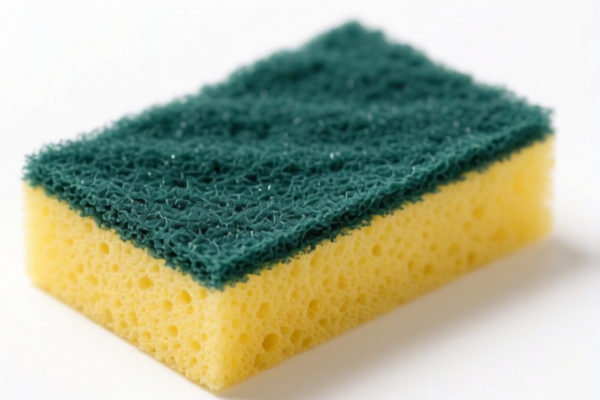
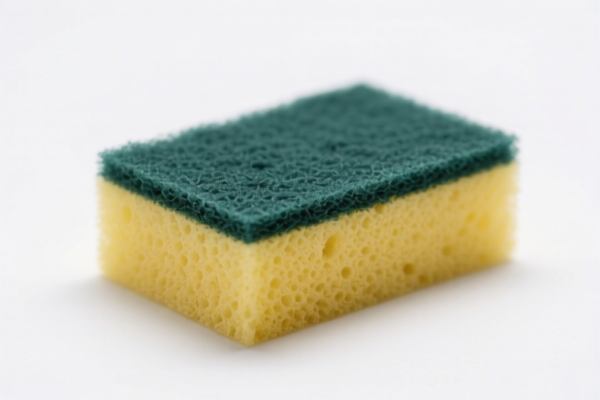
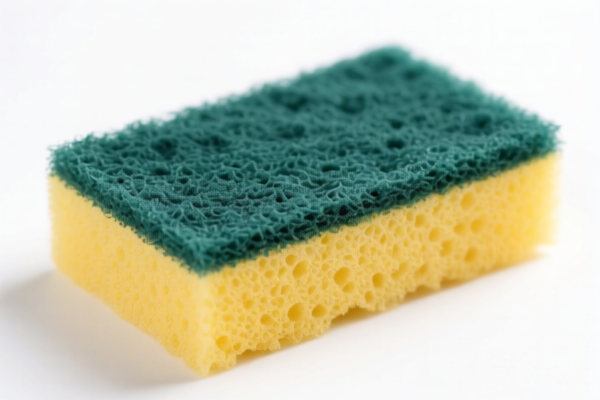
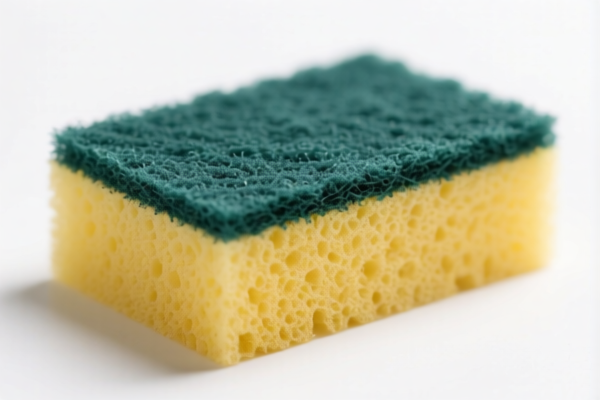
AI Analysis
🧽 Sponges (Porous Rubber/Plastic/Cotton Items)
🌐 HS Code Reference & Clearance Guide | 2026 Latest Tariff Analysis | Professional Customs Strategy
📌 I. Product Definition & Classification: What Exactly is a "Sponge"?
In international trade, "Sponge" is a generic term that creates significant classification ambiguity because it refers to function/shape rather than material. The Harmonized System (HS) classifies goods primarily by Material and Nature.
A "sponge" can fall into three major categories depending on its composition: 1. Rubber/Synthetic Rubber: Made from vulcanized rubber (e.g., exercise grips, industrial sealing sponges). 2. Plastics/Polymers: Made from polyurethane (PU) or other synthetic foams (e.g., cleaning sponges, packaging foam). 3. Textiles/Accessories: When used as part of clothing or apparel (e.g., shoulder pads, lining for hats).
⚠️ Critical Distinction:
- If it is a cleaning tool (household): Usually Plastic (Chapter 39) or Rubber (Chapter 40) depending on density and origin.
- If it is an industrial seal/gasket: Usually Rubber (Chapter 40).
- If it is an apparel accessory (e.g., in a cap or shoe): Often Chapter 61/62/63 (Articles of Apparel or Clothing Accessories).
📦 II. HS Code Classification Details (Based on Provided Data)
The following HS Codes are derived from the specific material and functional inferences provided in your dataset. Note that US tariff rates include Base Duty, Additional Section 301 Duties, and IEEPA Section 122 Duties (for Chinese goods).
| HS Code | Product Description | Inference Logic | Total Tax Rate (China Origin) |
|---|---|---|---|
4016.10.00.00 |
Other vulcanized rubber articles, cellular rubber | Material: Infered as vulcanized/synthetic rubber (cellular structure). Form: "Sponge case/grip" fits "Other rubber articles." |
35.0% (Base 0% + 301 25% + 122 10%) |
3926.90.99.89 |
Other articles of plastics | Material: Polyurethane (PU) or plastic foam. Form: "Sleeve/Cover" fits "Other plastic articles." |
22.8% (Base 5.3% + 301 7.5% + 122 10%) |
6117.80.95.70 |
Other made-up clothing accessories, knitted/crocheted or not | Function: Apparel accessory (cover/casing). Material: Non-cotton/wool/synthetic fiber composite. |
32.1% (Base 14.6% + 301 7.5% + 122 10%) |
4016.99.60.50 |
Other vulcanized rubber articles, not elsewhere specified | Material: Rubber or elastomer (sponge is often rubber-based). Form: Non-specific rubber item. |
37.5% (Base 2.5% + 301 25% + 122 10%) |
3926.90.45.90 |
Other plastic articles, gaskets/seals/washers | Material: Plastic/synthetic resin. Form: Used as a sleeve/gasket/seal. |
38.5% (Base 3.5% + 301 25% + 122 10%) |
🔍 Key Insight:
- Cheapest Option:3926.90.99.89(22.8%) if the sponge is clearly Polyurethane Plastic and used as a general plastic article.
- Most Expensive Option:3926.90.45.90(38.5%) if classified as a specific plastic gasket/seal with high additional duties.
- Risk Factor: Misclassifying a plastic sponge as rubber (or vice versa) can lead to significant duty discrepancies and customs delays.
💰 III. 2026 Latest Tariff Rate Breakdown (Detailed Analysis)
✅ Applicable Country: United States (US)
✅ Origin: China (CN)
✅ Effective Date: Post-November 2025 (Including Section 122 Duties)
🎯 1. 4016.10.00.00 & 4016.99.60.50 — Rubber Sponges
| Item | Detail |
|---|---|
| Base Duty | 0% (4016.10) or 2.5% (4016.99) |
| Section 301 Duty (Additional) | +25% (Standard for most Chinese rubber goods) |
| IEEPA Section 122 Duty | +10% (Specific surcharge for Chinese goods under current emergency powers) |
| Total Effective Rate | 35.0% (for .10) / 37.5% (for .99) |
| Calculation | CIF Value × Total Rate |
| De Minimis Exemption? | ❌ No (Denied for Section 301/122 goods) |
📌 Explanation:
- Rubber sponges (often used in industrial seals, exercise equipment, or grips) are heavily taxed due to their "durable good" status.
- The 10% IEEPA duty is critical here; it is in addition to the 301 tariff, making rubber sponges significantly more expensive than plastic counterparts.
🎯 2. 3926.90.99.89 — Plastic/Polyurethane Sponges
| Item | Detail |
|---|---|
| Base Duty | 5.3% |
| Section 301 Duty | +7.5% (Lower bracket for certain plastic articles) |
| IEEPA Section 122 Duty | +10% |
| Total Effective Rate | 22.8% |
| De Minimis Exemption? | ❌ No |
📌 Explanation:
- This is the most cost-effective classification if the sponge is made of Polyurethane (PU).
- Lower base duty (5.3%) and lower 301 rate (7.5%) make it the preferred choice for cleaning sponges, makeup sponges, or packaging foam.
🎯 3. 6117.80.95.70 — Apparel Accessory Sponges
| Item | Detail |
|---|---|
| Base Duty | 14.6% |
| Section 301 Duty | +7.5% |
| IEEPA Section 122 Duty | +10% |
| Total Effective Rate | 32.1% |
| De Minimis Exemption? | ❌ No |
📌 Explanation:
- Only applicable if the sponge is integral to an article of clothing (e.g., shoulder pads in a blazer, cushioning in a hat).
- Higher base duty (14.6%) due to textile/apparel protectionism, but lower 301 rate compared to industrial rubber.
🎯 4. 4016.99.60.50 & 3926.90.45.90 — Specific/Niche Rubber/Plastic Items
| Item | Detail |
|---|---|
| Total Effective Rate | 37.5% (Rubber) / 38.5% (Plastic Gasket) |
| Why Higher? | These codes often carry higher base duties (2.5% - 3.5%) combined with the full 25% Section 301 rate. |
📌 Warning: Avoid these unless the product strictly fits the description of a "gasket/seal" or "non-specific rubber article." Over-classifying a simple sponge into a high-duty niche code will increase costs unnecessarily.
🛠️ IV. Customs Clearance Practical Advice
✅ 1. Required Documentation Checklist
| Document | Must Provide? | Purpose |
|---|---|---|
| ✅ Material Composition Report | ✔️ | Crucial. Must specify % of Rubber vs. Plastic vs. Fabric. Customs will deny entry if material is unclear. |
| ✅ Product Photos | ✔️ | Show texture (cellular structure), use case (cleaning vs. industrial seal). |
| ✅ Commercial Invoice | ✔️ | Must describe item as "Polyurethane Sponge" or "Vulcanized Rubber Sponge," NOT just "Sponge." |
| ✅ Declaration of Intended Use | ✔️ | "For industrial sealing," "For household cleaning," or "For apparel lining." |
| ✅ Certificate of Origin | ✔️ | Required to verify Chinese origin for 301/122 duty calculation. |
✅ 2. Classification Strategy & Risk Mitigation
🔥 "Material First, Function Second!"
| Scenario | Recommended HS Code | Reason |
|---|---|---|
| Cleaning Sponge (Household) | 3926.90.99.89 |
Lowest duty (22.8%). PU foam is standard. |
| Makeup/Beauty Sponge | 3926.90.99.89 |
Same as above. Ensure it's synthetic foam, not natural sea sponge. |
| Industrial Rubber Seal/Sponge | 4016.10.00.00 |
High duty (35%), but accurate for rubber. |
| Sponge in a Hat/Shoe | 6117.80.95.70 |
Must be declared as part of the accessory, not a standalone sponge. |
| Natural Sea Sponge | Not Listed | Excluded from dataset. Usually falls under Chapter 05 (Animal Products). Do not use above codes! |
✅ 3. Common Pitfalls & How to Avoid Them
❌ Mistake 1: Declaring a PU foam sponge as "Rubber" to avoid plastic restrictions.
👉 Consequence: Audit risk. If customs tests and finds PU, they will reassess at 22.8% but may penalize for misdeclaration.
👉 Fix: Always specify "Polyurethane" or "Cellular Plastic" in the description.
❌ Mistake 2: Using "Sponge" as the only description.
👉 Consequence: Customs may classify it under a default "Other" category with higher duties or detain it for lack of detail.
👉 Fix: Use precise terms: "Cellular Polyurethane Cleaning Sponge" or "Vulcanized Rubber Grip Sleeve."
❌ Mistake 3: Ignoring IEEPA Section 122 Duty.
👉 Consequence: Underpayment. Many importers forget the extra 10% on top of Section 301.
👉 Fix: Calculate total tax as Base + 301 + 122.
🌍 V. Global Market Comparison (2026)
| Market | Recommended HS Code | Est. Total Duty (China Origin) | Notes |
|---|---|---|---|
| 🇺🇸 United States | 3926.90.99.89 |
22.8% | Includes Base + 301 + 122. Best for PU sponges. |
| 🇺🇸 United States | 4016.10.00.00 |
35.0% | For rubber sponges. High cost. |
| 🇨🇳 China (Export) | N/A | 0% (Duty-free export) | Focus on US destination duties. |
| 🇪🇺 EU | 3926.90.97.10 |
~2.5% - 6% | No Section 301/122. Much cheaper than US. |
| 🇬🇧 UK | 3926.90.90 |
~2.5% - 6% | Post-Brexit tariffs apply. |
📌 Conclusion:
- The US market is the most expensive for sponge imports due to the layered tariff structure (Base + 301 + 122).
- Plastic (PU) sponges (3926) are cheaper than Rubber sponges (4016) in the US due to lower Section 301 rates for certain plastics.
- Consider supply chain diversification (e.g., Vietnam/Malaysia) if volumes are high, as IEEPA/301 duties may not apply.
📌 VI. Final Recommendations
-
Identify Material Precisely:
- Is it Rubber? Use Chapter 40.
- Is it Foam/Plastic? Use Chapter 39.
- Is it Fabric/Textile? Use Chapter 61/63.
-
Optimize for Cost:
- If your product is Polyurethane, strive for
3926.90.99.89(22.8%). - Avoid
3926.90.45.90(38.5%) unless it is specifically a gasket/seal.
- If your product is Polyurethane, strive for
-
Documentation is Key:
- Ensure your commercial invoice clearly states: "Material: 100% Polyurethane Foam, Cellular Structure."
- Do NOT just write "Sponge."
-
Consult a Customs Broker:
- Given the complexity of IEEPA Section 122 and Section 301 interactions, a professional pre-classification review is highly recommended for high-volume shipments.
🎯 Pro Tip:
If you are importing natural sea sponges, these codes DO NOT APPLY. Natural sponges are animal products (Chapter 05). Using plastic/rubber codes for natural sponges is a major compliance violation.
✨ Professional Clearance, Accurate Classification, Cost Efficiency!
💼 Get the HS Code right, save up to 15% in duties!
Customer Reviews
About HS Code Classification
The Harmonized System (HS) is an internationally standardized nomenclature developed by the World Customs Organization (WCO) to classify traded products. Over 200 countries use the HS system as the basis for customs tariffs, trade statistics, and import/export regulations.
Each HS code follows a hierarchical structure:
- Chapter (2 digits) — Broad category of goods (e.g., Chapter 84: Machinery and Mechanical Appliances)
- Heading (4 digits) — More specific grouping within the chapter
- Subheading (6 digits) — Internationally standardized breakdown, used by all WCO member countries
- National subdivisions (8-10 digits) — Country-specific extensions for further classification, such as US HTSUS 10-digit codes
Correct HS code classification is essential for smooth customs clearance, accurate duty payment, and compliance with trade regulations. Misclassification can lead to customs delays, overpayment of duties, or penalties.
When importing from CN to US, the applicable tariff rates may include:
- Most-Favored-Nation (MFN) rate — The standard duty rate applied to WTO members
- General rate — Applied to countries without trade agreements
- Trade remedy duties — Additional tariffs such as Section 301 (anti-dumping), Section 232 (national security), or countervailing duties
The information provided on this page is for reference purposes only. For official classification, please consult with your local customs authority or a licensed customs broker.