spoon and fork
CN → US| HS Code | Tariff Rate | Origin | Destination | Doc |
|---|---|---|---|---|
| 8215990500 | 0.0% | CN | US | Official Doc |
| 4419901100 | 15.3% | CN | US | Official Doc |
| 7323999030 | 88.4% | CN | US | Official Doc |
| 7323995030 | 60.0% | CN | US | Official Doc |
| 7418100055 | 70.5% | CN | US | Official Doc |
| 7418100023 | 70.5% | CN | US | Official Doc |
Product Images
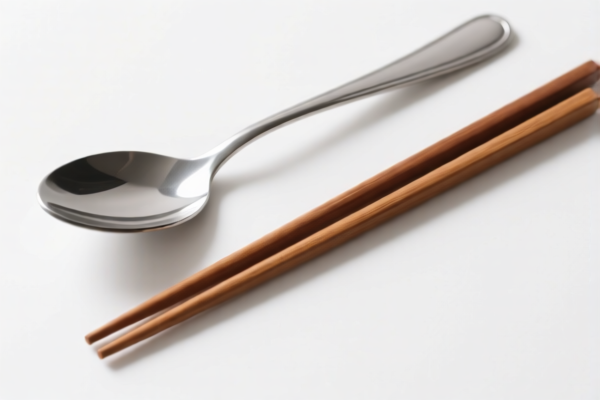
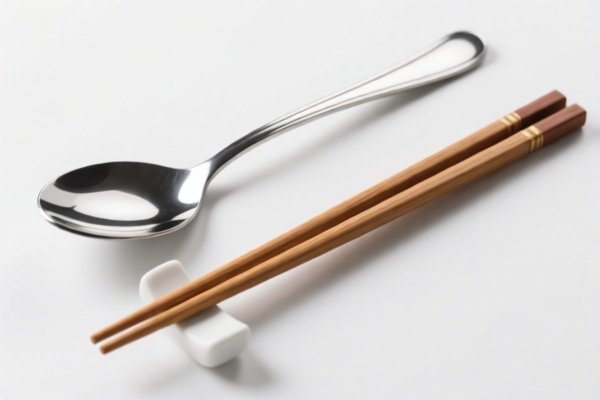
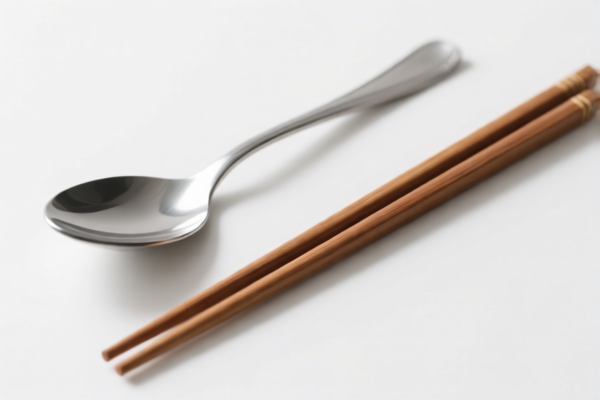
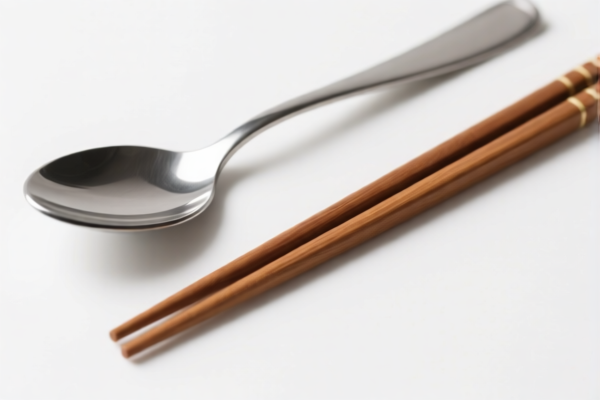
AI Analysis
🍴 Spoon & Fork (Cutlery/Tableware)
🌐 HS Code Reference & Customs Clearance Guide | 2026 Latest Tariff Analysis | Professional-Level Entry Strategy
📌 I. Product Definition & Classification: What Exactly Are "Spoon and Fork"?
Spoon and Forks are essential household and commercial tableware items used for eating. In international trade, their classification depends strictly on the material composition and specific type (e.g., stainless steel, wood, silver plate, etc.). Misclassification can lead to significant tariff differences due to various trade remedies (Section 301, Section 232, etc.).
⚠️ Key Classification Distinctions:
- Stainless Steel Cutlery: Typically falls under 8215.
- Wooden Cutlery: Falls under 4419.
- Base Metal (Iron/Steel, Copper, Brass) Cutlery: Often falls under 7323 or 7418, subject to high anti-dumping or additional tariffs.
📦 II. HS Code Classification Details (Based on Provided Data)
| HS Code | Product Description (Inferred) | Total Tax Rate | Tax Detail Breakdown |
|---|---|---|---|
8215.99.05.00 |
Spoons/Forks (Stainless Steel) | 0.5¢/each + 43.5% | Base: 0.5¢/each + 8.5% Add'l: 25.0% (Sec 301) 122 Sec: 10% |
4419.90.11.00 |
Spoons/Forks (Wooden) | 15.3% | Base: 5.3% Add'l: 0.0% 122 Sec: 10% |
7323.99.90.30 |
Spoons/Forks (Iron/Steel) | 88.4% | Base: 3.4% Add'l: 25.0% (Sec 301) 122 Sec: 10% Steel/Copper/Alu Surcharge: 50% |
7323.99.50.30 |
Spoons/Forks (Iron/Steel) | 60.0% | Base: 0.0% Add'l: 0.0% 122 Sec: 10% Steel/Copper/Alu Surcharge: 50% |
7418.10.00.55 |
Spoons/Forks (Copper/Alloy) | 70.5% | Base: 3.0% Add'l: 7.5% 122 Sec: 10% Steel/Copper/Alu Surcharge: 50% |
7418.10.00.23 |
Spoons/Forks (Brass) | 70.5% | Base: 3.0% Add'l: 7.5% 122 Sec: 10% Steel/Copper/Alu Surcharge: 50% |
🔍 Critical Note:
- Stainless Steel (8215) is the most common and generally has a lower effective rate (flat fee + %).
- Base Metals (7323,7418) carry extremely high tariffs (60%-88.4%) due to specific "Steel, Aluminum, Copper Products" surcharges (likely Section 232 or similar bilateral agreements).
- Wooden (4419) offers the simplest and lowest percentage-based rate among the percentage-heavy categories, but limited by material.
💰 III. 2026 Latest Tariff Rate详解 (Detailed Tax Breakdown)
✅ Applicable Country: United States (US)
✅ Origin: China (CN) (Inferred from "122 Clause" and high rates)
✅ Effective Time: Current (Subject to ongoing trade policy)
🎯 1. 8215.99.05.00 —— Stainless Steel Cutlery (Most Common)
| Item | Details |
|---|---|
| Base Rate | $0.005 per piece + 8.5% (ad valorem) |
| Section 301 Surcharge | +25.0% |
| Section 122 / Retaliatory Tariff | +10.0% |
| Total Effective Rate | 8.5% + 25% + 10% = 43.5% (plus 0.5¢/piece) |
| Calculation Example | For 1,000 spoons @ $1.00/unit: - Value: $1,000 - Ad Valorem Tax (43.5%): $435 - Specific Tax (0.5¢ x 1,000): $5 - Total Duty: $440 |
| De Minimis Exemption | ❌ No (Value > $800 triggers formal entry) |
| Legal Basis | HTSUS:8215.99.05.00 → USITC Footnote → Sec 301 |
📌 Explanation:
- Stainless steel cutlery is classified under Chapter 82 (Tools/Implements).
- The 0.5¢ per piece is a specific duty, applied in addition to the ad valorem percentage.
- 43.5% total is significant but lower than base metal alternatives.
🎯 2. 4419.90.11.00 —— Wooden Cutlery
| Item | Details |
|---|---|
| Base Rate | 5.3% |
| Section 301 Surcharge | 0.0% |
| Section 122 / Retaliatory Tariff | +10.0% |
| Total Effective Rate | 15.3% |
| Calculation Example | For 1,000 wooden forks @ $0.50/unit: - Value: $500 - Tax: $500 x 15.3% = $76.50 |
| De Minimis Exemption | ❌ No (Formal entry required if value > $800) |
📌 Advantage:
- Lowest percentage-based total tax among complex metal categories.
- No Section 301 (25%) surcharge applies.
- Ideal for disposable or eco-friendly cutlery markets.
🎯 3. Base Metal Cutlery (Iron, Steel, Copper, Brass) — HIGH RISK
A. 7323.99.90.30 (Iron/Steel) — 88.4% Total
- Base: 3.4%
- Sec 301: 25.0%
- Sec 122: 10.0%
- Steel/Copper/Alu Surcharge: 50.0% (This is the killer!)
- Total: 3.4% + 25% + 10% + 50% = 88.4%
B. 7323.99.50.30 (Iron/Steel) — 60.0% Total
- Base: 0.0%
- Sec 301: 0.0% (Exception?)
- Sec 122: 10.0%
- Steel/Copper/Alu Surcharge: 50.0%
- Total: 0% + 0% + 10% + 50% = 60.0%
C. 7418.10.00.55 (Copper/Brass) — 70.5% Total
- Base: 3.0%
- Sec 301: 7.5%
- Sec 122: 10.0%
- Steel/Copper/Alu Surcharge: 50.0%
- Total: 3.0% + 7.5% + 10% + 50% = 70.5%
📌 Critical Warning:
- The "Steel, Aluminum, Copper Products Surcharge of 50%" is likely part of a specific bilateral agreement or Section 232 implementation.
- Avoid importing base metal cutlery unless you have confirmed exemptions. The cost impact is prohibitive.
🛠️ IV. Customs Clearance Practical Advice
✅ 1. Documentation Checklist
| Document | Required | Purpose |
|---|---|---|
| Product Specification Sheet | ✔️ | Must specify material (e.g., "18/8 Stainless Steel" vs. "Carbon Steel"). |
| Material Certificate | ✔️ | Crucial for distinguishing between 8215 (Stainless) and 7323 (Base Metal). |
| Commercial Invoice | ✔️ | Clearly state "Cutlery: Spoons/Forks" and unit price. |
| Packing List | ✔️ | Include total quantity for specific duty calculation (0.5¢/piece). |
| HS Code Ruling (Pre-Decision) | ❗ Recommended | To avoid disputes over material classification. |
✅ 2. Classification Strategy
| Scenario | Recommended HS Code | Why? |
|---|---|---|
| Standard Stainless Steel Cutlery | 8215.99.05.00 |
Lowest risk, predictable rate (43.5% + 0.5¢/pc). |
| Disposable Wooden Cutlery | 4419.90.11.00 |
Lowest ad valorem rate (15.3%), no Sec 301. |
| Plated Silver/Copper Cutlery | ❌ Avoid or Verify | High tax (70.5%+). Consider if duty-free exceptions apply. |
| Cheap Iron/Steel Cutlery | ❌ Avoid | Exorbitant tax (60-88.4%). |
✅ 3. Common Pitfalls & How to Avoid Them
| Mistake | Consequence | Solution |
|---|---|---|
| Misclassifying Stainless Steel as "Other Metal" | Tax jumps from 43.5% to 60-88.4% | Always specify "Stainless Steel" in documentation. Provide material test reports. |
| Ignoring the "Per Piece" Duty | Underpayment for 8215 |
Ensure customs broker calculates 0.5¢ x Quantity in addition to ad valorem. |
Confusing 7323 vs 8215 |
Penalty for misclassification | 8215 is for tools/cutlery made of base metal (including stainless). 7323 is for other articles of iron/steel. Note: Data suggests 8215 is the correct path for stainless cutlery. |
| Not Accounting for Sec 122 Tariff | Surprise 10% charge | All listed rates include 10% Sec 122. Factor this into FOB/CIF pricing. |
🌍 V. Global Market Comparison (2026)
| Country/Region | Recommended HS | Est. Total Tax (China Origin) | Notes |
|---|---|---|---|
| 🇺🇸 USA | 8215.99.05.00 |
43.5% + 0.5¢/pc | High barriers for base metals. |
| 🇪🇺 EU | 8215.99.00 |
~6-9% | No Sec 301/122 surcharges. |
| 🇨🇳 China | 8215.99.00 |
9-15% | Import tariff on exported goods. |
📌 Conclusion:
- The US market is the most hostile for imported cutlery due to layered tariffs (Base + Sec 301 + Sec 122 + Material Surcharge).
- Stainless Steel (8215) is the only viable mass-market option if you are importing to the US.
- Wooden (4419) is a good niche alternative for eco-friendly products.
📌 VI. Final Recommendations
✅ Do:
- Use Stainless Steel for durable goods (HS 8215).
- Use Wood for disposable/eco-friendly goods (HS 4419).
- Provide Material Certificates to prove stainless steel content.
❌ Don't:
- Import iron/steel or copper/brass cutlery unless you have secured a specific exemption. The 50-88% tax will destroy margins.
- Ignore the 0.5¢ per piece duty for stainless steel items. It adds up quickly for large volumes.
🚀 Pro Tip:
Consider duty mitigation strategies such as:
1. De Minimis Shipping: Split shipments under $800 per recipient (if applicable).
2. Third-Country Origin: Manufacture in Vietnam/Mexico to avoid China-specific surcharges (verify Rules of Origin).
3. HS Code Pre-Ruling: File an HTSUS pre-ruling with CBP to lock in8215.99.05.00classification.
✨ Professional Clearance Starts with Accurate Classification!
💼 Your Profit Margin Depends on Getting the HS Code Right!
Customer Reviews
About HS Code Classification
The Harmonized System (HS) is an internationally standardized nomenclature developed by the World Customs Organization (WCO) to classify traded products. Over 200 countries use the HS system as the basis for customs tariffs, trade statistics, and import/export regulations.
Each HS code follows a hierarchical structure:
- Chapter (2 digits) — Broad category of goods (e.g., Chapter 84: Machinery and Mechanical Appliances)
- Heading (4 digits) — More specific grouping within the chapter
- Subheading (6 digits) — Internationally standardized breakdown, used by all WCO member countries
- National subdivisions (8-10 digits) — Country-specific extensions for further classification, such as US HTSUS 10-digit codes
Correct HS code classification is essential for smooth customs clearance, accurate duty payment, and compliance with trade regulations. Misclassification can lead to customs delays, overpayment of duties, or penalties.
When importing from CN to US, the applicable tariff rates may include:
- Most-Favored-Nation (MFN) rate — The standard duty rate applied to WTO members
- General rate — Applied to countries without trade agreements
- Trade remedy duties — Additional tariffs such as Section 301 (anti-dumping), Section 232 (national security), or countervailing duties
The information provided on this page is for reference purposes only. For official classification, please consult with your local customs authority or a licensed customs broker.