spoon pad
CN → US| HS Code | Tariff Rate | Origin | Destination | Doc |
|---|---|---|---|---|
| 3924103000 | 22.8% | CN | US | Official Doc |
| 6911108010 | 38.3% | CN | US | Official Doc |
| 4419199000 | 13.2% | CN | US | Official Doc |
| 6911104100 | 16.3% | CN | US | Official Doc |
| 3924104000 | 13.4% | CN | US | Official Doc |
Product Images
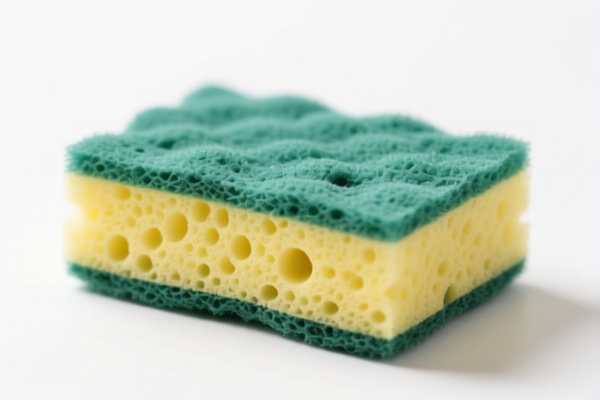
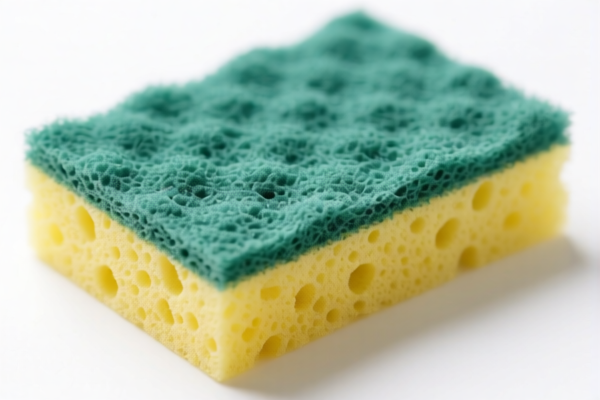
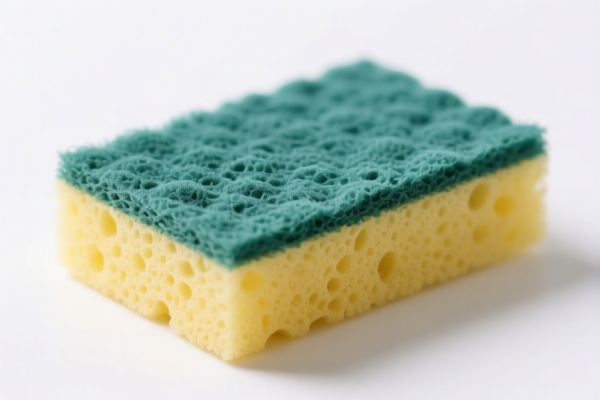
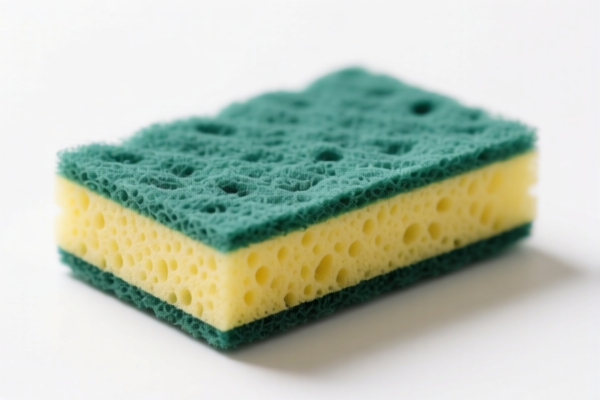
AI Analysis
🥄 Spoon Pad (Spoon Rests & Coasters)
🌐 HS Code Reference & Customs Clearance Guide | 2026 Latest Tariff Analysis | Professional Entry Strategies
📌 Part I: Product Definition & Classification: Do You Really Know "Spoon Pads"?
A "Spoon Pad" (commonly known as a spoon rest) is a small kitchen accessory used to place spoons on while cooking or serving, protecting countertops from hot liquids or food residue. In international trade, classification depends heavily on the material composition. Misclassification can lead to massive duty discrepancies, especially under US trade policies.
⚠️ Key Distinction Point:
- Plastic: Falls under general plastic tableware/accessories.
- Ceramic/Porcelain: Falls under ceramic tableware or specific ceramic parts.
- Bamboo/Wood: Falls under wooden or bamboo kitchenware.
📦 Part II: HS Code Classification Details (Latest 2026 Tariff Rules)
| HS Code | Product Description | Material | Summary |
|---|---|---|---|
3924.10.30.00 |
Plastic Spoon Pad, Accessory for Tableware | Plastic | Plastic tableware accessory |
6911.10.80.10 |
Ceramic or Heat-Resistant Spoon Pad | Ceramic | Ceramic tableware |
4419.19.90.00 |
Bamboo/Wooden Spoon Pad | Natural Material | Natural material kitchenware |
6911.10.41.00 |
Ceramic Spoon Rest or Matching Utensil | Ceramic | Ceramic spoons and rests |
3924.10.40.00 |
Plastic Spoon Pad, Other Plastic Tableware | Plastic | Other plastic tableware items |
🔍 Key Reminder:
- Plastic items are split between3924.10.30.00(specific accessory) and3924.10.40.00(other categories).
- Ceramic items have two codes:6911.10.80.10(general ceramic tableware) and6911.10.41.00(specifically spoons/rests).
- Wood/Bamboo items fall under4419.19.90.00.
💰 Part III: 2026 Latest Tariff Rate Breakdown (Including Surtaxes)
✅ Applicable Country: United States (US)
✅ Origin: China (CN)
✅ Effective Time: 2025 onwards (including subsequent imports)
🎯 1. 3924.10.30.00 —— Plastic Spoon Pad (Accessory)
| Item | Content |
|---|---|
| Basic Duty | 5.3% |
| Surtax | 7.5% |
| Section 301 Tariff (122 Clause) | 10% |
| Total Tax Rate | 22.8% |
| Tax Calculation | CIF Value × 22.8% |
| De Minimis Eligibility | ❌ No |
📌 Explanation:
- Basic Duty (5.3%): Standard MFN rate for plastic tableware accessories.
- Surtax (7.5%): Additional tariff applied to Chinese plastics under trade policies.
- Section 301 (10%): Specific additional duty under "122 Clause" for certain Chinese goods.
- Total: 22.8%. This is a moderate-high duty rate.
🎯 2. 6911.10.80.10 —— Ceramic or Heat-Resistant Spoon Pad
| Item | Content |
|---|---|
| Basic Duty | 20.8% |
| Surtax | 7.5% |
| Section 301 Tariff (122 Clause) | 10% |
| Total Tax Rate | 38.3% |
| Tax Calculation | CIF Value × 38.3% |
| De Minimis Eligibility | ❌ No |
📌 Explanation:
- Basic Duty (20.8%): High baseline for ceramic tableware.
- Surtax (7.5%): Same as above.
- Section 301 (10%): Same as above.
- Total: 38.3%. This is the highest tax rate among all spoon pads.
🎯 3. 4419.19.90.00 —— Bamboo/Wooden Spoon Pad
| Item | Content |
|---|---|
| Basic Duty | 3.2% |
| Surtax | 0.0% |
| Section 301 Tariff (122 Clause) | 10% |
| Total Tax Rate | 13.2% |
| Tax Calculation | CIF Value × 13.2% |
| De Minimis Eligibility | ❌ No |
📌 Explanation:
- Basic Duty (3.2%): Low baseline for natural wood/bamboo products.
- Surtax (0.0%): No additional surtax for wooden items.
- Section 301 (10%): Still applies.
- Total: 13.2%. This is the lowest tax rate.
🎯 4. 6911.10.41.00 —— Ceramic Spoon Rest (Specific)
| Item | Content |
|---|---|
| Basic Duty | 6.3% |
| Surtax | 0.0% |
| Section 301 Tariff (122 Clause) | 10% |
| Total Tax Rate | 16.3% |
| Tax Calculation | CIF Value × 16.3% |
| De Minimis Eligibility | ❌ No |
📌 Explanation:
- Basic Duty (6.3%): Lower than general ceramic tableware.
- Surtax (0.0%): No surtax.
- Section 301 (10%): Still applies.
- Total: 16.3%. A cost-effective option for ceramic products if classified correctly.
🎯 5. 3924.10.40.00 —— Plastic Spoon Pad (Other Category)
| Item | Content |
|---|---|
| Basic Duty | 3.4% |
| Surtax | 0.0% |
| Section 301 Tariff (122 Clause) | 10% |
| Total Tax Rate | 13.4% |
| Tax Calculation | CIF Value × 13.4% |
| De Minimis Eligibility | ❌ No |
📌 Explanation:
- Basic Duty (3.4%): Lower than3924.10.30.00.
- Surtax (0.0%): No surtax.
- Section 301 (10%): Still applies.
- Total: 13.4%. Similar to bamboo/wood in total duty.
🛠️ Part IV: Customs Clearance Practical Advice (Pitfall Avoidance Guide)
✅ 1. Document Checklist (Essential)
| Document | Required | Notes |
|---|---|---|
| ✅ Product Specifications | ✔️ | Material, dimensions, heat resistance |
| ✅ Product Photos | ✔️ | Clear images showing material texture (plastic vs. ceramic) |
| ✅ Commercial Invoice | ✔️ | Accurate description of material |
| ✅ Packing List | ✔️ | Weight, quantity, packaging type |
| ✅ Certificate of Origin | ✔️ | For origin verification |
✅ 2. Declaration Tips (Key Mantras)
🔥 "Material First, Code Next, Avoid Mix-ups!"
| Scenario | Correct Declaration | Wrong Practice |
|---|---|---|
| Plastic Spoon Pad | 3924.10.30.00 or 3924.10.40.00 |
Misclassified as ceramic → 38.3% |
| Ceramic Spoon Rest | 6911.10.41.00 (if specific) |
Misclassified as general ceramic → 38.3% |
| Bamboo Spoon Pad | 4419.19.90.00 |
Misclassified as plastic → 22.8% or 38.3% |
| Mixed Material | Split Declaration | Mixed declaration → Audit Risk |
✅ 3. Special Cases
| Scenario | Handling Advice |
|---|---|
| Plastic + Silicone | Declare as Plastic (3924.10.xxxx) if plastic is main material |
| Ceramic + Metal Handle | Declare as Ceramic (6911.10.xxxx) if ceramic is primary |
| Set of Spoon Pads | Declare by material composition; if mixed, split invoices |
| Gift Sets | Ensure main item’s material dictates HS Code |
🌍 Part V: Global Market Comparison (2026 Latest)
| Country/Region | Recommended HS Code | Duty Rate (China Origin) | Notes |
|---|---|---|---|
| 🇺🇸 USA | 4419.19.90.00 |
13.2% (Lowest) | Plastic/Ceramic have high taxes |
| 🇪🇺 EU | 3924.10.30.00 |
~5-10% | No Section 301 equivalent |
| 🇨🇳 China | 3924.10.30.00 |
~5-10% | Lower baseline |
| 🇦🇺 Australia | 3924.10.30.00 |
~5% | No high surtaxes |
📌 Conclusion:
- USA has the highest duties for plastic and ceramic spoon pads due to surtaxes and Section 301.
- Bamboo/Wood (4419.19.90.00) is the most tax-efficient option for the US market.
- Ceramic (6911.10.80.10) is the most expensive at 38.3%.
📌 Part VI: Common Mistakes & Pitfall Guide
❌ Mistake 1: Classifying all spoon pads as "Ceramic"
👉 Result: Paying 38.3% instead of 13.2% or 22.8%.
❌ Mistake 2: Ignoring Section 301 Tariff
👉 Result: Underpaying duties by 10%, leading to penalties.
❌ Mistake 3: Mixing materials without split declaration
👉 Result: Customs delay, possible rejection.
✅ Correct Approach:
"Spoon Rest, Bamboo, 20cm, Heat Resistant, HS 4419.19.90.00"
🎯 Part VII: Conclusion
🎯 Remember:
🔹 "Bamboo is Best, Plastic is Middle, Ceramic is Costly!"
🔹 "Check Section 301, Always Verify Material!"
📌 Pro Tip:
If your spoon pads are originally from Vietnam or Mexico, you may avoid Section 301 duties.
Consider Advance Ruling for high-volume imports to ensure compliance.
📣 Act Now:
📞 Consult a Customs Broker + Provide Material Samples + Verify HS Code
🚀 Clear Customs Smoothly, Maximize Profits!
✨ Professional Clearance Starts with Accurate Classification!
💼 Every Cent Saved is Profit Earned!
Customer Reviews
About HS Code Classification
The Harmonized System (HS) is an internationally standardized nomenclature developed by the World Customs Organization (WCO) to classify traded products. Over 200 countries use the HS system as the basis for customs tariffs, trade statistics, and import/export regulations.
Each HS code follows a hierarchical structure:
- Chapter (2 digits) — Broad category of goods (e.g., Chapter 84: Machinery and Mechanical Appliances)
- Heading (4 digits) — More specific grouping within the chapter
- Subheading (6 digits) — Internationally standardized breakdown, used by all WCO member countries
- National subdivisions (8-10 digits) — Country-specific extensions for further classification, such as US HTSUS 10-digit codes
Correct HS code classification is essential for smooth customs clearance, accurate duty payment, and compliance with trade regulations. Misclassification can lead to customs delays, overpayment of duties, or penalties.
When importing from CN to US, the applicable tariff rates may include:
- Most-Favored-Nation (MFN) rate — The standard duty rate applied to WTO members
- General rate — Applied to countries without trade agreements
- Trade remedy duties — Additional tariffs such as Section 301 (anti-dumping), Section 232 (national security), or countervailing duties
The information provided on this page is for reference purposes only. For official classification, please consult with your local customs authority or a licensed customs broker.