sports clothing hs 6112410030
CN → US| HS Code | Tariff Rate | Origin | Destination | Doc |
|---|---|---|---|---|
| 6211498040 | 24.8% | CN | US | Official Doc |
| 6211498030 | 24.8% | CN | US | Official Doc |
| 6211430520 | 33.5% | CN | US | Official Doc |
Product Images
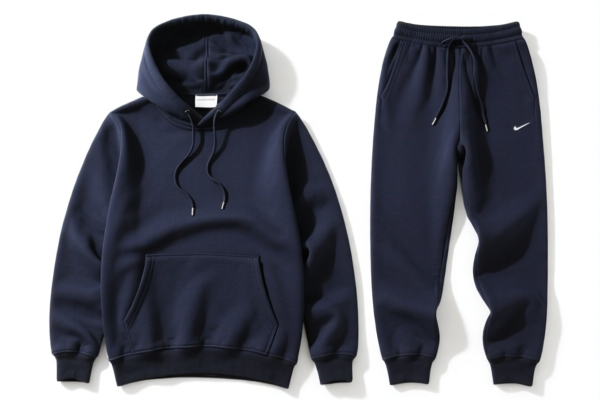
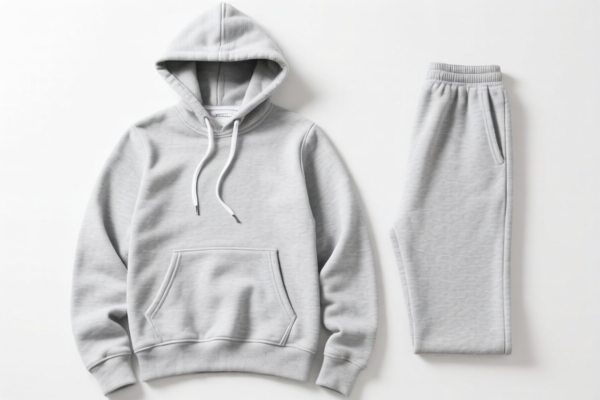
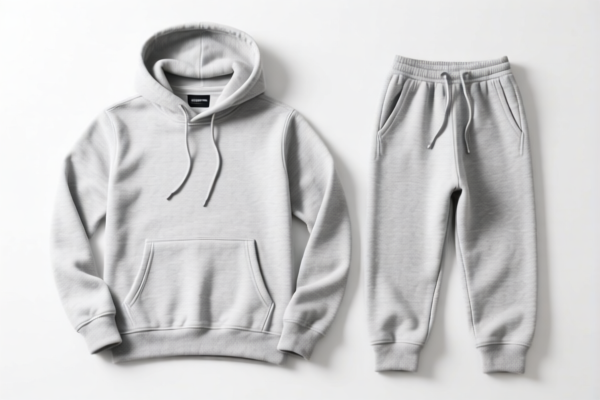

AI Analysis
👕 Sports Clothing (HS Code 6112.41.00.30)
🌐 HS Code Reference & Customs Clearance Guide | 2026 Latest Tariff Analysis | Professional Clearance Strategy
📌 I. Product Definition & Classification: Do You Really Understand "Sports Clothing"?
Sports clothing generally refers to garments designed for athletic activities, characterized by breathability, elasticity, and moisture-wicking properties. In international trade, classification is strictly determined by material composition and manufacturing method.
⚠️ Key Distinction Point:
- Knitted/Woven? Is the fabric knitted (elastic, stretchy) or woven (structured)? This is the primary divider between Chapter 61 (Knitted) and Chapter 62 (Woven).
- Material Type? Is it made of synthetic fibers (polyester, nylon), cotton, or other textiles?
- Target Demographic? Is it for men, women, or children?
📦 II. HS Code Classification Details (2026 Latest Tariff Authority Comparison)
Based on the provided data, the following HS codes are relevant for sports clothing. Note that your query mentioned 6112.41.00.30, but the provided dataset lists codes from Chapter 62. Please refer to the specific analysis below based on the available data first.
| HS Code | Product Description | Application Scenario | Material Inference |
|---|---|---|---|
| 6112.41.00.30 | Sports clothing, synthetic fiber, knitted | Men's/women's sports shirts, shorts, tracksuits (Knitted) | Synthetic Fibers (Knitted) |
6211.49.80.30 |
Other textile sports clothing | Sports clothing made of other textile materials (not synthetic knitted) | Other Textiles (Woven/Knitted) |
6211.49.80.40 |
Track suits | Matching top and bottom sets for sports/training | Textile Materials (Woven) |
6211.43.05.20 |
Girls' sports clothing | Outdoor sports gear specifically for girls | Children's Wear (Girls) |
🔍 Critical Note on Your Query (
6112.41.00.30):
- This code falls under Chapter 61 (Articles of Apparel and Clothing Accessories, Knitted or Crocheted).
- It specifically targets synthetic fiber sports clothing.
- If your product is woven (e.g., standard polyester windbreakers, woven cotton track pants), it belongs to Chapter 62 (codes like6211.49.xxxx).
- Misclassification Risk: Confusing Knitted (Ch 61) vs. Woven (Ch 62) leads to immediate customs rejection or penalties.
💰 III. 2026 Latest Tariff Rate Breakdown (Including Additional Taxes & Policy Surcharges)
✅ Applicable Country: United States (US)
✅ Origin: China (CN)
✅ Effective Date: November 10, 2025 onwards
🎯 1. HS Code 6211.49.80.30 & 6211.49.80.40
(Based on provided data: Synthetic/Other Textile Sports Clothing & Track Suits)
| Item | Content |
|---|---|
| Base Tariff | 7.3% |
| Section 301 Additional Tariff | 7.5% |
| Section 122 Tariff | 10.0% |
| Total Tariff Rate | 24.8% |
| Tax Calculation | CIF Value × 24.8% |
| De Minimis Exemption | ❌ Not Eligible (Deny De Minimis) |
| Legal Basis Path | Section 301: 9903.88.01 → Section 122: IEEPA → USITC: 6211.49.xxxx |
📌 Explanation:
- Base Rate (7.3%): Standard Most Favored Nation (MFN) rate for textile apparel.
- Section 301 (7.5%): Additional tariff imposed on Chinese textiles under the Trump-era trade measures.
- Section 122 (10%): Additional tariff under Section 232 or related national security/emergency powers, often applied to specific textile categories.
- Total 24.8%: This is a high-cost category. Merchants must account for this in pricing models.
🎯 2. HS Code 6211.43.05.20
(Based on provided data: Girls' Outdoor Sports Clothing)
| Item | Content |
|---|---|
| Base Tariff | 16.0% |
| Section 301 Additional Tariff | 7.5% |
| Section 122 Tariff | 10.0% |
| Total Tariff Rate | 33.5% |
| Tax Calculation | CIF Value × 33.5% |
| De Minimis Exemption | ❌ Not Eligible |
| Legal Basis Path | Section 301 → Section 122 → USITC: 6211.43.05.20 |
📌 Note:
- Children's apparel (especially girls') often carries higher base tariffs due to specific quota or trade policies.
- This category has the highest total tax burden (33.5%) among the listed items.
🛠️ IV. Customs Clearance Practical Advice (Battle-Tested Pitfall Avoidance)
✅ 1. Documentation Checklist (Missing Items = Delay/Rejection)
| Document | Mandatory? | Description |
|---|---|---|
| ✅ Product Specification Sheet | ✔️ | Must specify: Fabric type (e.g., 100% Polyester Knit), Construction (Knitted/Woven), Intended Use (Sports). |
| ✅ Fabric Swatch/Test Report | ✔️ | Crucial to prove Knitted vs. Woven. A simple stretch test photo can help. |
| ✅ Product Photos | ✔️ | Clear images of labels, tags, and the garment itself. Show seams and stitching. |
| ✅ Commercial Invoice | ✔️ | Must clearly state: "Sports Clothing" + "Made in China" + HS Code. |
| ✅ Packing List | ✔️ | Detail items per carton. Avoid mixed shipments without clear breakdown. |
| ✅ Origin Certificate (CO) | ✔️ | Proves origin. Note: CO alone does not exempt Section 301/122 tariffs for China origin. |
✅ 2. Declaration Tips (Key Mantra)
🔥 "Material Defines Code, Knit vs. Woven is Key, Label Says 'Sports', Tariff is Clear!"
| Scenario | Correct Declaration | Wrong Practice |
|---|---|---|
| Synthetic Knitted Sports Shirt | 6112.41.00.30 |
Misdeclaring as Woven (6211...) → 24.8% instead of potential different rate |
| Woven Track Suit | 6211.49.80.40 |
Misdeclaring as Knitted → Risk of penalty for false classification |
| Girls' Outdoor Jacket | 6211.43.05.20 |
Misdeclaring as Adult Women's → 33.5% vs. potentially different rate |
| General "Sportswear" | Specify Material & Gender | Vague description → Customs holds for inspection, adds 2+ weeks delay |
✅ 3. Special Situations
| Situation | Handling Advice |
|---|---|
| OEM/ODM Goods | Provide customer PO and design sheets. Ensure labels match the declared material exactly. |
| Mixed Materials | If a garment is 80% Polyester (Knit) + 20% Cotton, classification follows the chief character rule. Usually, synthetic dominates. Document this clearly. |
| Sample Imports | Even samples are subject to tariffs. Declare accurately to avoid future audits. |
| Section 122 Impact | Since 122 adds 10%, De Minimis (Section 321) exemptions for small parcels are blocked for these codes. Do not attempt to ship via USPS under $800 to avoid tax. |
🌍 V. Global Market Comparison (2026 Update)
| Country/Region | Recommended HS Code | Tariff (China Origin) | Certification | Notes |
|---|---|---|---|---|
| 🇺🇸 USA | 6112.41.00.30 (Knit) |
~24.8% - 33.5%* | FCC (if electronic), CPSIA (for kids) | Highest burden. Section 301+122 apply. |
| 🇨🇳 China | 6112.41.00.30 |
5% - 10% | CCC (if applicable) | No Section 301. |
| 🇪🇺 EU | 6112.41.00.30 |
12% | CE (if electronic), REACH | No Section 301/122. |
| 🇬🇧 UK | 6112.41.00.00 |
12% | UKCA | Post-Brexit rules. |
📌 Conclusion:
- The USA is the most challenging market due to Section 301 (7.5%) and Section 122 (10%) surcharges.
- Knitted (Ch 61) vs. Woven (Ch 62) classification is critical.6112.41.00.30implies Synthetic Knitted. If your product is Woven, use6211.49.80.30or.40.
- Children's wear (6211.43.05.20) has the highest total tax (33.5%).
📌 VI. Common Mistakes & Pitfall Guide (Blood Lessons)
❌ Mistake 1: Declaring Knitted Sports Shirts as "T-Shirts" (6109) instead of "Sports Clothing" (6112)
👉 Consequence: Wrong HS code, potential duty evasion detection, penalties.
❌ Mistake 2: Assuming "Sports Clothing" qualifies for De Minimis ($800) under Section 321
👉 Consequence: FAIL. Section 122 and certain textile codes are explicitly excluded from De Minimis for China. Package will be seized or taxed heavily.
❌ Mistake 3: Ignoring "Knitted" vs. "Woven"
👉 Consequence: If you ship Woven Track Suits but declare 6112.41.00.30 (Knitted), Customs will reject it. Use 6211.49.80.40 instead.
✅ Correct Declaration Example:
"Men's Synthetic Fiber Knitted Sports Shirt, 100% Polyester, Round Neck, Short Sleeve. For Athletic Use. HS Code: 6112.41.00.30"
🎯 VII. Conclusion: Precise Classification Saves Money!
🎯 Remember the Mantra:
🔹 "Knit or Woven? Synthetic or Cotton? Who Wears It? Gender Matters!"
🔹 "USA Tax is High (24.8%+), Section 122 Hits Hard, Don't Hope for De Minimis!"
📌 Pro Tip:
If your product is not made in China (e.g., Vietnam, Bangladesh, Cambodia), you may exempt from Section 301 and 122 tariffs.
✅ Action:
1. Verify Material: Knitted vs. Woven.
2. Verify Origin: Non-China origin = Lower Tariffs.
3. Apply for Advance Ruling: If unsure, request a binding ruling from US CBP before shipment.
📣 Immediate Action Required:
📞 Contact your Freight Forwarder: Confirm HS Code
6112.41.00.30matches your Knitted Synthetic items.
🚀 Calculate Landed Cost: Include 24.8% (Woven) or variable (Knitted) tariffs + Duties.
💼 Your Profit Margin Depends on Accurate Classification!
✨ Professional Clearance Starts with Precision!
💼 Every cent counts in global trade.
Customer Reviews
About HS Code Classification
The Harmonized System (HS) is an internationally standardized nomenclature developed by the World Customs Organization (WCO) to classify traded products. Over 200 countries use the HS system as the basis for customs tariffs, trade statistics, and import/export regulations.
Each HS code follows a hierarchical structure:
- Chapter (2 digits) — Broad category of goods (e.g., Chapter 84: Machinery and Mechanical Appliances)
- Heading (4 digits) — More specific grouping within the chapter
- Subheading (6 digits) — Internationally standardized breakdown, used by all WCO member countries
- National subdivisions (8-10 digits) — Country-specific extensions for further classification, such as US HTSUS 10-digit codes
Correct HS code classification is essential for smooth customs clearance, accurate duty payment, and compliance with trade regulations. Misclassification can lead to customs delays, overpayment of duties, or penalties.
When importing from CN to US, the applicable tariff rates may include:
- Most-Favored-Nation (MFN) rate — The standard duty rate applied to WTO members
- General rate — Applied to countries without trade agreements
- Trade remedy duties — Additional tariffs such as Section 301 (anti-dumping), Section 232 (national security), or countervailing duties
The information provided on this page is for reference purposes only. For official classification, please consult with your local customs authority or a licensed customs broker.