sports pants
CN → US| HS Code | Tariff Rate | Origin | Destination | Doc |
|---|---|---|---|---|
| 6104632011 | 45.7% | CN | US | Official Doc |
| 6203420716 | 34.1% | CN | US | Official Doc |
| 6103431520 | 45.7% | CN | US | Official Doc |
| 6203431310 | 45.4% | CN | US | Official Doc |
| 6104632028 | 45.7% | CN | US | Official Doc |
Product Images
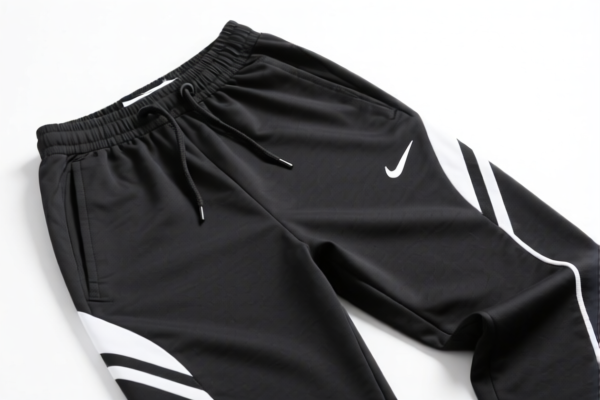
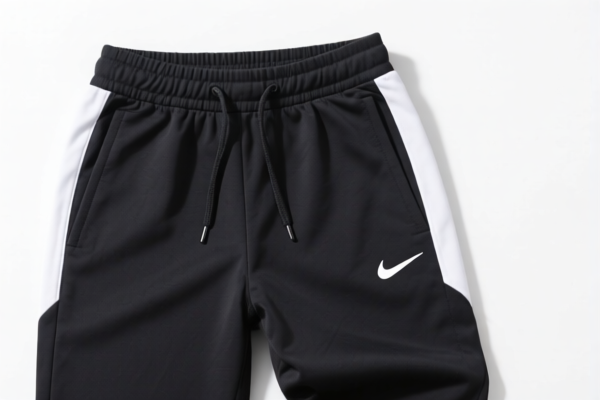
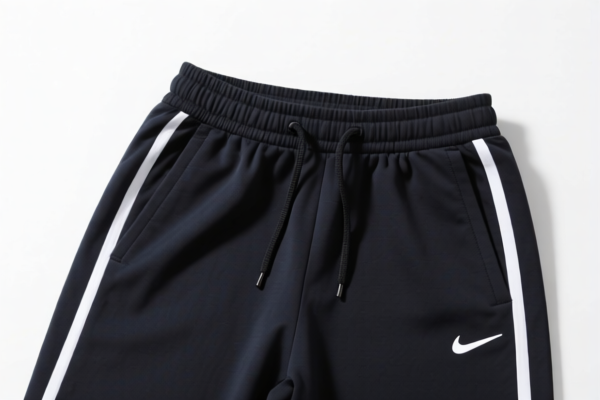
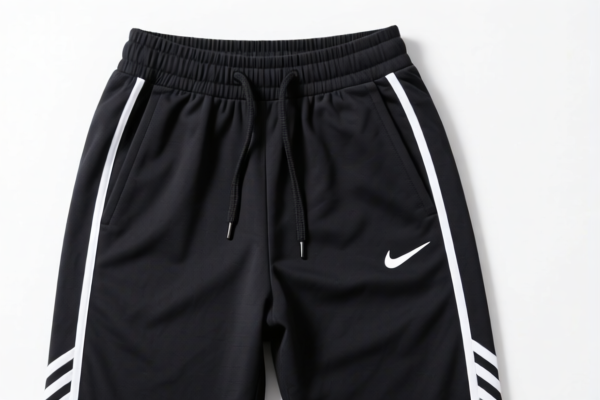
AI Analysis
🧵 Sports Pants: The Ultimate HS Code Classification & U.S. Customs Clearance Guide
🌐 HS Code Reference & Clearance Strategy | 2026 Latest Tariff Analysis | Professional Compliance Guide
📌 I. Product Definition: What Exactly Are "Sports Pants"?
In international trade, "Sports Pants" is a generic term that covers a wide range of garments. However, under the Harmonized System (HS), classification depends strictly on three factors:
1. Material Composition (Synthetic Fibers vs. Cotton vs. Blends)
2. Gender Category (Men’s/Boys’ 6103 vs. Women’s/Girls’ 6104)
3. Knitted/Crocheted vs. Not Knitted (61 series = Knitted; 62 series = Woven/Non-knitted)
⚠️ Critical Distinction:
- Knitted/Synthetic: Most common for athletic wear (moisture-wicking, stretchy). Likely falls under 6104 (Women) or 6103 (Men).
- Woven/Cotton: Often used for casual-sport or outdoor pants. Likely falls under 6203 (Men) or 6204 (Women).
- Misclassification Risk: Declaring synthetic knitted pants as woven cotton can lead to 25%+ duty differences and potential audits.
📦 II. HS Code Classification Matrix (2026 Latest Tariff Data)
Based on the provided data, we analyze the following five specific HS Codes for Autumn Sports Pants. All entries assume U.S. Import from China and include current trade war tariffs.
| HS Code | Product Description | Material Inference | Form/Use | Total Tax Rate | Tariff Breakdown |
|---|---|---|---|---|---|
| 6104.63.20.11 | Autumn Sports Pants | Synthetic Fibers | Pants / Sportswear | 45.7% | Base: 28.2% + Sec 301: 7.5% + Sec 122: 10% |
| 6203.42.07.16 | Autumn Sports Pants | Cotton | Long Pants / Casual-Sport | 34.1% | Base: 16.6% + Sec 301: 7.5% + Sec 122: 10% |
| 6103.43.15.20 | Autumn Sports Pants | Synthetic Fibers | Long Pants / Sport | 45.7% | Base: 28.2% + Sec 301: 7.5% + Sec 122: 10% |
| 6203.43.13.10 | Autumn Sports Pants | Synthetic/Blended | Pants / Sport-Outdoor | 45.4% | Base: 27.9% + Sec 301: 7.5% + Sec 122: 10% |
| 6104.63.20.28 | Autumn Sports Pants (Breeches) | Synthetic/Cotton | Pants/Breeches / Sport | 45.7% | Base: 28.2% + Sec 301: 7.5% + Sec 122: 10% |
🔍 Key Observation:
- Synthetic Knitted Pants (6104.63.20.11, 6103.43.15.20, 6104.63.20.28) carry the highest total tax rate of 45.7%.
- Cotton Woven Pants (6203.42.07.16) offer the lowest rate at 34.1%.
- Mixed/Blended Synthetic (6203.43.13.10) sits at 45.4%.
💰 III. Detailed Tariff Structure Explanation (2026 U.S. Customs)
✅ Applicable Country: United States (US)
✅ Origin: China (CN)
✅ Effective Date: Current 2026 Tariff Regime
🎯 1. The "45.7%" Tariff Structure (Synthetic Knitted Pants)
Applicable HS Codes: 6104.63.20.11, 6103.43.15.20, 6104.63.20.28
| Component | Rate | Legal Basis |
|---|---|---|
| Base MFN Rate | 28.2% | General U.S. Tariff Schedule (HTSUS) for synthetic knitted men’s/women’s trousers. |
| Section 301 Tariff | 7.5% | USTR List 3/B4 – Added in 2018, still in effect for most textile/apparel categories from China. |
| Section 122 Tariff | 10% | Special additional duty on certain textile products from China (often applied to sportswear/apparel under specific trade actions). |
| TOTAL RATE | 45.7% | Sum of all applicable duties |
📌 Explanation:
- Base Rate (28.2%): Reflects the standard duty for synthetic fiber knitted apparel.
- Sec 301 (7.5%): A punitive tariff imposed under trade remedy laws targeting Chinese imports.
- Sec 122 (10%): An additional surcharge specifically targeting sportswear and certain textiles from China.
- Result: This is a high-duty category. Profit margins are heavily impacted.
🎯 2. The "34.1%" Tariff Structure (Cotton Woven Pants)
Applicable HS Code: 6203.42.07.16
| Component | Rate | Legal Basis |
|---|---|---|
| Base MFN Rate | 16.6% | General U.S. Tariff Schedule for cotton woven men’s trousers. |
| Section 301 Tariff | 7.5% | USTR List 3/B4. |
| Section 122 Tariff | 10% | Special additional duty on textile products. |
| TOTAL RATE | 34.1% | Sum of all applicable duties |
📌 Explanation:
- Base Rate (16.6%): Cotton generally has a lower base duty than synthetic blends in this category.
- Same Add-ons: Sec 301 and Sec 122 remain unchanged.
- Result: 11.6% lower than synthetic knitted pants. This is a strategic advantage if material composition allows.
🎯 3. The "45.4%" Tariff Structure (Synthetic/Blended Woven Pants)
Applicable HS Code: 6203.43.13.10
| Component | Rate | Legal Basis |
|---|---|---|
| Base MFN Rate | 27.9% | General U.S. Tariff Schedule for synthetic blended woven trousers. |
| Section 301 Tariff | 7.5% | USTR List 3/B4. |
| Section 122 Tariff | 10% | Special additional duty on textile products. |
| TOTAL RATE | 45.4% | Sum of all applicable duties |
📌 Explanation:
- Close to the 45.7% rate, reflecting the high base duty for synthetic blends.
- Slightly lower base rate (27.9% vs 28.2%) due to blend vs. pure synthetic distinctions.
🛠️ IV. Customs Clearance Practical Advice
✅ 1. Documentation Checklist (Mandatory)
| Document | Required? | Notes |
|---|---|---|
| Product Description | ✔️ | Must specify: "Knitted," "Synthetic," "Sports Pants," "Autumn." |
| Material Breakdown | ✔️ | Exact % of Polyester, Spandex, Cotton, etc. Critical for HS Code. |
| Composition Label | ✔️ | Photo of the care label showing fiber content. |
| Commercial Invoice | ✔️ | Must match HS Code exactly. |
| Packing List | ✔️ | Detail item counts, weights, and dimensions. |
| Certificate of Origin | ❌ (Optional) | Not required for duty exemption (since no FTA applies to China textiles), but may help with traceability. |
✅ 2. Classification Strategy & Pitfalls
| Scenario | Correct HS Code | Common Mistake | Consequence |
|---|---|---|---|
| Polyester Knitted Track Pants | 6104.63.20.11 or 6103.43.15.20 |
Declaring as Cotton (6203.42.07.16) |
Underpayment of duty → Penalty, back taxes, seizure. |
| Cotton Blend Sweatpants | 6203.43.13.10 (if woven) or 6104... (if knitted) |
Not specifying knit vs. woven | 10-15% tax difference → Audit flag. |
| Breeches/Hiking Pants | 6104.63.20.28 |
Declaring as generic "pants" | Misclassification → Delays, re-inspection. |
🔥 Pro Tip:
"Material is King, Knit is Queen."
Always confirm if the fabric is Knitted (looped yarn, stretchy) or Woven (crisscross yarn, structured). This determines the entire HS Code chapter (61vs62).
✅ 3. Special Considerations for "Section 122" and "Section 301"
-
No De Minimis Exemption:
❌ DO NOT use Section 321 (De Minimis) for shipments valued over $800 if you plan to consolidate under one HS Code for bulk shipping. Even small quantities are subject to full duties if not shipped individually under the exemption. For bulk B2B imports, full duty applies.
-
Transshipment Risk:
⚠️ Do not relabel goods as "Made in Vietnam" or "Made in Mexico" without substantial transformation. U.S. Customs (CBP) actively monitors Chinese textiles routed through third countries. Violation leads to fraud penalties and blacklisting.
🌍 V. Market Comparison: Why U.S. is the Hardest Market
| Market | Base Duty | Additional Tariffs | Total Effective Rate (Est.) | Notes |
|---|---|---|---|---|
| 🇺🇸 USA | 16.6%-28.2% | +7.5% (Sec 301) + 10% (Sec 122) | 34.1% - 45.7% | Highest barriers. Strict compliance required. |
| 🇨🇳 China | 0%-5% | None | ~0-5% | For exports from U.S. to China. |
| 🇪🇺 EU | 12% | None (currently) | ~12% | Lower base duty, but VAT applies at import. |
| 🇬🇧 UK | 12% | None | ~12% | Post-Brexit, similar to EU pre-Brexit. |
| 🇨🇦 Canada | 16% | None | ~16% | USMCA may apply if produced in North America. |
📌 Conclusion:
The U.S. market is the most expensive for Chinese-origin sports pants due to the combination of high base MFN rates and punitive additional tariffs (Sec 301 + Sec 122).
Strategy: Focus on Cotton-Based Woven Pants (6203.42.07.16) to save ~11.6% in duties, or explore Nearshoring (Mexico/Central America) to bypass these tariffs entirely under USMCA/CAFTA-DR.
📌 VI. Final Checklist for Shippers
- Verify Material: Is it 100% Polyester? 60% Cotton/40% Poly? Get the supplier’s test report.
- Confirm Construction: Is it Knitted (like t-shirt fabric) or Woven (like denim/chino fabric)?
- Choose the Right HS Code:
- Knitted + Synthetic →
6104.63.20.11/6103.43.15.20(45.7%) - Woven + Cotton →
6203.42.07.16(34.1%) ← Best Rate - Woven + Synthetic/Blend →
6203.43.13.10(45.4%)
- Knitted + Synthetic →
- Calculate Landed Cost: Include 45.7% duty + 0.1% MPF (Merchandise Processing Fee) + 0.125% HMF (Harbor Maintenance Fee) + Broker Fees.
- Declare Accurately: Use precise descriptions: "Men’s Synthetic Knitted Sports Pants, Autumn Weight, HS 6103.43.15.20."
🎯 VII. Conclusion: Save Money, Avoid Audits
🔹 Remember:
"Cotton Woven = Lower Duty. Synthetic Knitted = Higher Duty. Always Verify Composition."
"Do Not Hide Origin. CBP Knows. Penalties Are Severe."
"Pre-Audit Your HS Codes with a Licensed Broker Before Shipment."
📌 Action Item:
📞 Contact a Licensed U.S. Customs Broker
📄 Provide Garment Swatch + Material Test Report
🚀 Apply for Binding Ruling if volume is high
✨ Smart Classification = Profit Protection.
💼 Every Percent Saved is Pure Margin.
Customer Reviews
About HS Code Classification
The Harmonized System (HS) is an internationally standardized nomenclature developed by the World Customs Organization (WCO) to classify traded products. Over 200 countries use the HS system as the basis for customs tariffs, trade statistics, and import/export regulations.
Each HS code follows a hierarchical structure:
- Chapter (2 digits) — Broad category of goods (e.g., Chapter 84: Machinery and Mechanical Appliances)
- Heading (4 digits) — More specific grouping within the chapter
- Subheading (6 digits) — Internationally standardized breakdown, used by all WCO member countries
- National subdivisions (8-10 digits) — Country-specific extensions for further classification, such as US HTSUS 10-digit codes
Correct HS code classification is essential for smooth customs clearance, accurate duty payment, and compliance with trade regulations. Misclassification can lead to customs delays, overpayment of duties, or penalties.
When importing from CN to US, the applicable tariff rates may include:
- Most-Favored-Nation (MFN) rate — The standard duty rate applied to WTO members
- General rate — Applied to countries without trade agreements
- Trade remedy duties — Additional tariffs such as Section 301 (anti-dumping), Section 232 (national security), or countervailing duties
The information provided on this page is for reference purposes only. For official classification, please consult with your local customs authority or a licensed customs broker.