sports special gloves
CN → US| HS Code | Tariff Rate | Origin | Destination | Doc |
|---|---|---|---|---|
| 6216000800 | 18.3% | CN | US | Official Doc |
| 6116926440 | 41.0% | CN | US | Official Doc |
| 6116100800 | 20.3% | CN | US | Official Doc |
| 6216004600 | 20.3% | CN | US | Official Doc |
| 4203218060 | 39.9% | CN | US | Official Doc |
| 9506910030 | 22.1% | CN | US | Official Doc |
Product Images
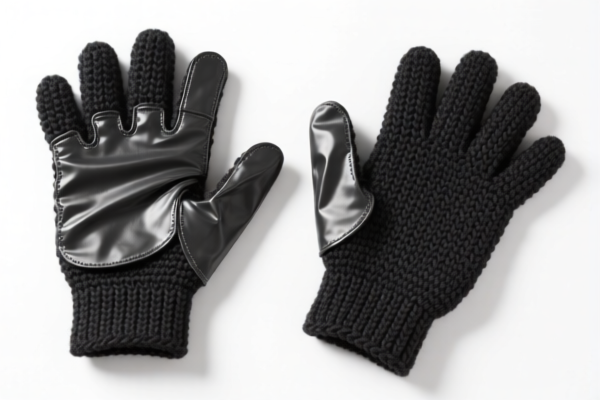
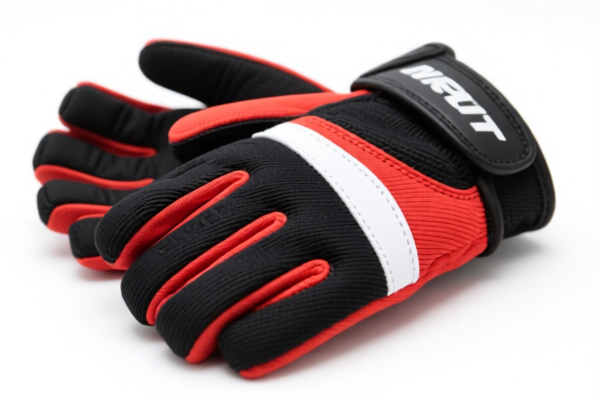
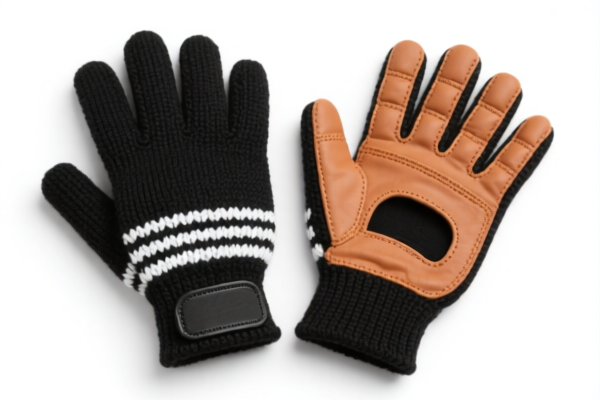
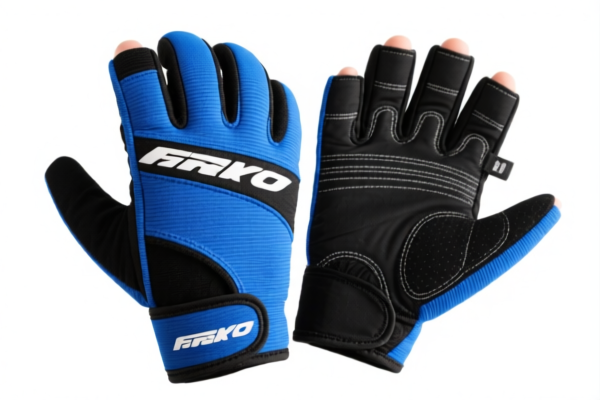
AI Analysis
🧤 Sports Special Gloves: HS Code Classification & Tariff Strategy | 2026 Customs Clearance Guide
🌐 HS Code Reference & Customs Clearance Strategy | 2026 Latest Tariff Analysis | Professional通关 Protocols
📌 I. Product Definition & Classification: Do You Really Understand "Sports Gloves"?
Sports gloves are protective and performance-enhancing gear worn by athletes. In international trade, the classification is strictly determined by two factors: Material and Structure.
A common mistake is assuming "Golf Gloves" and "Boxing Gloves" fall under the same category. However, the US Customs and Border Protection (CBP) distinguishes them based on: 1. Knitted vs. Woven: Are the fibers interlocked (knitted/hooked) or stitched together from fabric pieces (woven)? 2. Material: Cotton, Synthetic, Leather, or Rubber/Plastic coated? 3. Specific Use: Is it for Golf (precision grip) or Boxing (padding/protection)?
⚠️ Key Distinction: - Knitted Gloves (Golf/Synthetic): Usually fall under Chapter 61. - Woven/Leather Gloves (Golf/Boxing): Usually fall under Chapter 62 or 42. - Coated Gloves: If heavily coated with rubber/plastic, they may shift to Chapter 39/40 or specific Chapter 62/61 subheadings.
📦 II. HS Code Classification Matrix (2026 Latest Tariff Data)
Based on the provided data, here are the precise classifications for Sports Special Gloves (Golf & Boxing):
| HS Code | Product Summary | Material/Structure Inference | Total Tax Rate |
|---|---|---|---|
6216.00.08.00 |
Golf Special Gloves | Woven/Stitched; Coated/Covered with Plastic or Rubber | 18.3% |
6116.92.64.40 |
Golf Special Gloves | Knitted/Hooked; Cotton or Synthetic Fiber | 41.0% |
6116.10.08.00 |
Golf Special Gloves | Knitted/Hooked; Coated (Rubber/Plastic) | 20.3% |
6216.00.46.00 |
Golf Special Gloves | Woven; Artificial Fibers or Leather | 20.3% |
4203.21.80.60 |
Boxing Gloves | Leather or Reconstituted Leather | 39.9% |
9506.91.00.30 |
Boxing Gloves | Leather or Synthetic; General Sports Use | 22.1% |
🔍 Critical Analysis: - Golf Gloves: There is a massive tax disparity between
6116.92.64.40(41.0%) and6216.00.08.00(18.3%). Misclassifying a woven glove as knitted can double your tariff costs! - Boxing Gloves: There is a split between Leather (4203.21.80.60) and General Sports (9506.91.00.30). The latter is significantly cheaper (22.1% vs 39.9%), but requires justification that it is for "general sports use" rather than specifically for boxing training with high-padding standards.
💰 III. 2026 Latest Tariff Rate Breakdown (Including Surcharge)
✅ Applicable Country: United States (US) ✅ Origin: China (CN) ✅ Effective Date: 2025+ (Current Trade Environment)
🎯 1. Golf Gloves - The "Knitted Cotton" Trap
HS Code: 6116.92.64.40
* Base Tariff: 23.5%
* Section 301 Surcharge (Add-on): 7.5%
* Section 122 Surcharge: 10%
* Total Rate: 41.0%
* ⚠️ Warning: This is the highest tax bracket for golf gloves. It applies to knitted gloves made of cotton or synthetic fibers without heavy rubber coating.
🎯 2. Golf Gloves - The "Coated/Woven" Advantage
HS Code: 6216.00.08.00 OR 6116.10.08.00
* Base Tariff: 0.8% - 2.8%
* Section 301 Surcharge: 7.5%
* Section 122 Surcharge: 10%
* Total Rate: 18.3% - 20.3%
* 💡 Strategy: If your golf gloves are made of fabric and then coated/impregnated with plastic/rubber (for grip), they may qualify for the lower 18.3% or 20.3% rate. This is a significant cost-saving opportunity.
🎯 3. Boxing Gloves - Leather vs. Synthetic
HS Code: 4203.21.80.60 (Leather)
* Base Tariff: 4.9%
* Section 301 Surcharge: 25.0% (High due to leather category)
* Section 122 Surcharge: 10%
* Total Rate: 39.9%
* ⚠️ Note: Leather goods attract higher Section 301 tariffs.
HS Code: 9506.91.00.30 (General Sports)
* Base Tariff: 4.6%
* Section 301 Surcharge: 7.5%
* Section 122 Surcharge: 10%
* Total Rate: 22.1%
* 💡 Strategy: If the gloves are not exclusively for professional boxing but for general fitness/training, classification under 9506.91.00.30 saves 17.8% in total taxes.
🛠️ IV. Customs Clearance Operational Advice (Practical Pitfall Guide)
✅ 1. Documentation Checklist (Non-negotiable)
| Document | Required? | Purpose |
|---|---|---|
| ✅ Product Specification Sheet | ✔️ | Must detail: Material composition (e.g., 95% Cotton, 5% Spandex), Construction (Knitted vs. Woven), and Coating presence. |
| ✅ Technical Drawings/Photos | ✔️ | Show palm side (for coating) and back side. Prove if it's "knitted" or "sewn". |
| ✅ Commercial Invoice | ✔️ | Must clearly state: "Sports Gloves for Golf/Boxing", Material, and HS Code. |
| ✅ Origin Certificate | ✔️ | Required for Section 301 assessment. |
| ✅ Labeling | ✔️ | Inside label must match declared material. Mismatches trigger audits. |
✅ 2. Declaration Tips (The "Golden Rules")
🔥 “Material Defines Code, Coating Saves Tax!”
| Scenario | Correct Declaration | Incorrect Declaration | Result |
|---|---|---|---|
| Golf Gloves (Cotton) | 6116.92.64.40 |
"Golf Gloves" (Vague) | High Tax (41%) |
| Golf Gloves (Rubber Coated) | 6216.00.08.00 |
"Golf Gloves" | Lower Tax (18.3%) |
| Boxing Gloves (Leather) | 4203.21.80.60 |
"Sports Gloves" | High Tax (39.9%) |
| Boxing Gloves (Synthetic/General) | 9506.91.00.30 |
"Boxing Gloves" | Lower Tax (22.1%) |
✅ 3. Special Handling for "Coated" Gloves
Many golf gloves are marketed as "Grip Gloves."
* If the coating is light: It might still be classified as Knitted (6116) or Woven (6216).
* If the coating is heavy (impregnated): It might shift to Chapter 39/40, but based on the provided data, 6216.00.08.00 (Woven/Coated) and 6116.10.08.00 (Knitted/Coated) are the optimal lower-tax pathways.
* Action: Provide a chemical composition test report if the coating amount is disputed by CBP.
🌍 V. Global Market Clearance Comparison (2026)
| Country | Recommended HS Code | Est. Total Tax | Key Requirement |
|---|---|---|---|
| 🇺🇸 USA | 6216.00.08.00 / 9506.91.00.30 |
18.3% - 22.1% | Strict Section 301 & 122 enforcement. |
| 🇨🇳 China | 6216.00.08.00 / 9506.91.00.30 |
~5% - 10% | No Section 301. Standard import duty. |
| 🇪🇺 EU | 6216.00 / 9506.91 |
0% - 4% | CE Marking for safety. No anti-dumping usually. |
| 🇬🇧 UK | 6216.00 / 9506.91 |
0% - 4% | UKCA Marking. Post-Brexit rules apply. |
📌 Conclusion: - The US market is the most complex due to the layered tariffs (Base + 301 + 122). - Correct HS Code selection is not optional; it is a profit margin strategy. A 20% vs. 40% difference is massive for low-margin apparel items.
📌 VI. Common Mistakes & Pitfalls (Lessons Learned)
❌ Mistake 1: Classifying all golf gloves as 6116.92.64.40.
👉 Consequence: Paying 41% tax when a coated version could be 18.3%. Loss of Profit.
❌ Mistake 2: Calling boxing gloves "Sports Gloves" to get 9506.91.00.30.
👉 Consequence: CBP may reject this if the gloves are clearly specialized for boxing (heavy padding, wrist support). Risk of Audit & Penalties.
❌ Mistake 3: Ignoring the "122 Section" Tariff. 👉 Consequence: Many importers forget the 10% surcharge. Unexpected Cost at Customs.
✅ Correct Approach:
"Golf Gloves, Knitted, Cotton, Rubber Coated Palm for Grip" → Check if it fits
6116.10.08.00(20.3%). "Boxing Gloves, Synthetic Leather, General Training" →9506.91.00.30(22.1%).
🎯 VII. Conclusion: Precision Classification for Cost Efficiency
🎯 Remember the Mantra:
🔹 "Knitted Cotton = High Tax (41%)" 🔹 "Coated/Woven = Low Tax (18-20%)" 🔹 "Leather Boxing = High Tax (40%)" 🔹 "Synthetic/General = Low Tax (22%)"
📌 Pro Tip: If your product is borderline (e.g., lightly coated), consult a customs broker to see if it qualifies for the lower "Coated" HS Code. Always include detailed material specs in your commercial invoice to justify the classification and avoid post-entry audits.
📣 Immediate Action:
📞 Audit your current HS Codes. 📄 Check if your gloves can be re-classified to the 18-20% bracket. 🚀 Optimize your supply chain tax burden today!
✨ Professional Customs Clearance Starts with Accurate Classification! 💼 Every percentage point saved is pure profit!
Customer Reviews
About HS Code Classification
The Harmonized System (HS) is an internationally standardized nomenclature developed by the World Customs Organization (WCO) to classify traded products. Over 200 countries use the HS system as the basis for customs tariffs, trade statistics, and import/export regulations.
Each HS code follows a hierarchical structure:
- Chapter (2 digits) — Broad category of goods (e.g., Chapter 84: Machinery and Mechanical Appliances)
- Heading (4 digits) — More specific grouping within the chapter
- Subheading (6 digits) — Internationally standardized breakdown, used by all WCO member countries
- National subdivisions (8-10 digits) — Country-specific extensions for further classification, such as US HTSUS 10-digit codes
Correct HS code classification is essential for smooth customs clearance, accurate duty payment, and compliance with trade regulations. Misclassification can lead to customs delays, overpayment of duties, or penalties.
When importing from CN to US, the applicable tariff rates may include:
- Most-Favored-Nation (MFN) rate — The standard duty rate applied to WTO members
- General rate — Applied to countries without trade agreements
- Trade remedy duties — Additional tariffs such as Section 301 (anti-dumping), Section 232 (national security), or countervailing duties
The information provided on this page is for reference purposes only. For official classification, please consult with your local customs authority or a licensed customs broker.