square meter printed polyester solid color fabric
CN → US| HS Code | Tariff Rate | Origin | Destination | Doc |
|---|---|---|---|---|
| 5512110030 | 47.0% | CN | US | Official Doc |
| 5512190030 | 48.6% | CN | US | Official Doc |
| 5513410060 | 49.9% | CN | US | Official Doc |
| 5513410020 | 49.9% | CN | US | Official Doc |
| 5407540020 | 32.4% | CN | US | Official Doc |
Product Images
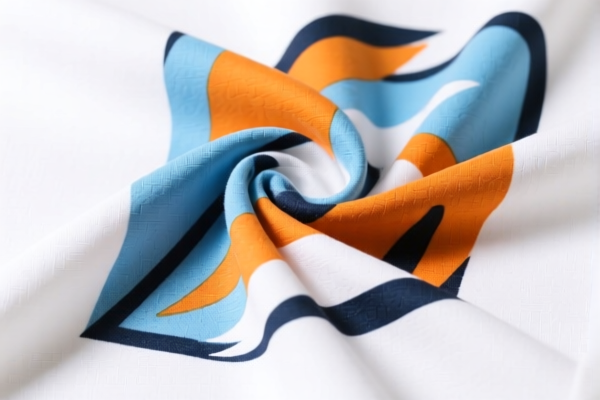
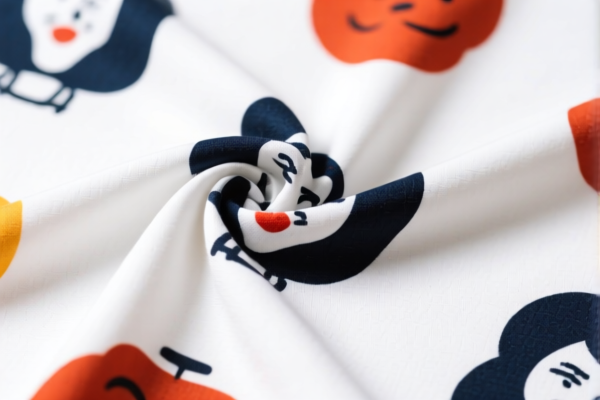
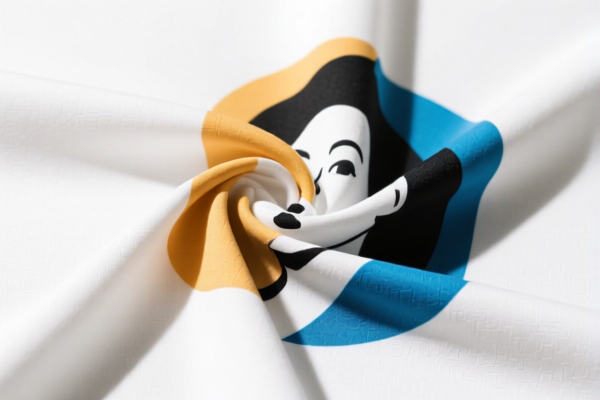
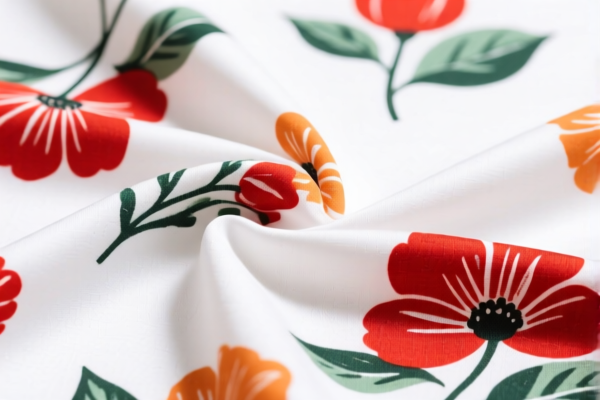
AI Analysis
🧵 Square Meter Printed Polyester Solid Color Fabric
🌐 HS Code Reference & Customs Clearance Guide | 2026 Latest Tariff Analysis | Professional Clearance Strategy
📌 I. Product Definition & Classification: Do You Really Understand "Polyester Fabric"?
"Square Meter Printed Polyester Solid Color Fabric" is a common industrial and consumer textile product. In international trade, polyester fabric is strictly divided based on fiber composition (short fiber vs. filament) and weave structure (plain weave, twill, etc.). The key distinction lies in whether the polyester is short fiber (staple) or filament (continuous), which drastically affects the HS Code and tariff rate.
⚠️ Key Distinction Points:
- Polyester Short Fiber (Staple): Woven from spun yarns made of chopped polyester fibers. Typically feels more cotton-like. → Chapter 55
- Polyester Filament (Yarn): Woven from continuous filaments. Often smoother, silkier. → Chapter 54
- "Solid Color" vs. "Printed": Despite the user input saying "Solid Color," the<DATA>provided explicitly lists "Printed" (印花) fabrics. This suggests a potential misdeclaration in the prompt or that the fabric is actually printed. We must follow the<DATA>which assumes PRINTED fabrics. If the fabric is truly "Solid Color" (not printed), these HS codes may be incorrect, and the user should re-evaluate based on unprinted fabric codes (e.g., 5513.42, 5513.43). For this guide, we assume the fabric is PRINTED as per the provided data.
📦 II. HS Code Classification Details (2026 Latest Tariff Authoritative Comparison)
| HS Code | Product Description | Applicable Scenario | Fiber Type | Total Tax Rate |
|---|---|---|---|---|
5512.11.00.30 |
Polyester (Short Fiber) Printed Plain Weave Fabric | High polyester content (>85%) printed plain cloth | Short Fiber | 47.0% |
5512.19.00.30 |
Printed Plain Weave Fabric with ≥85% Polyester Short Fiber | Generic high-polyester printed cloth | Short Fiber | 48.6% |
5513.41.00.60 |
Polyester Plain Weave Printed Fabric | General polyester printed plain cloth | Short Fiber | 49.9% |
5513.41.00.20 |
Polyester Polyester Printed Plain Weave Fabric | Specific polyester blend printed cloth | Short Fiber | 49.9% |
5407.54.00.20 |
Polyester (Filament) Printed Plain Weave Fabric | Smooth, continuous filament printed cloth | Filament | 32.4% |
🔍 Key Reminder:
- Short Fiber (5512/5513): Used for cotton-like textures, apparel, home textiles. Higher tariffs due to higher base rates and Section 301/122 implications.
- Filament (5407): Used for linings, sportswear, quick-dry fabrics. Lower tariff (32.4%) compared to short fiber.
- "Solid Color" Warning: If your fabric is NOT printed, these codes are incorrect. Printed fabrics attract specific subheadings. Ensure your product matches "Printed" (印花) descriptions in the<DATA>.
💰 III. 2026 Latest Tariff Rate Breakdown (Including Additional Taxes & Policy Surcharges)
✅ Applicable Country: United States (US)
✅ Origin: China (CN)
✅ Effective Time: Current rates apply (Section 301 & Section 122 tariffs active)
🎯 1. 5512.11.00.30 —— Polyester (Short Fiber) Printed Plain Weave Fabric
| Item | Content |
|---|---|
| Base Tariff | 12.0% |
| Section 301 Tariff | +25.0% (USITC Footnote 9903.01.25) |
| Section 122 Tariff | +10.0% (Under IEEPA, specifically targeting certain textile imports) |
| Total Tax Rate | 47.0% |
| Tax Calculation | CIF Value × 47% |
| De Minimis Eligible | ❌ No (deny_de_minimis) |
| Legal Basis Path | IEEPA:9903.01.25 → USITC:5512.11.00.30 → FOOTNOTE:9903.01.25 |
📌 Explanation:
- Base 12%: Standard MFN rate for polyester staple fiber fabrics.
- 25% Section 301: Trump-era tariffs retained, targeting Chinese manufactured goods.
- 10% Section 122: Additional duty under Section 122 of the Trade Expansion Act of 1962, often applied to specific textile categories for national security or trade balance reasons.
- Total 47%: Very high. Profit margins must account for this.
🎯 2. 5512.19.00.30 —— Printed Plain Weave Fabric with ≥85% Polyester Short Fiber
| Item | Content |
|---|---|
| Base Tariff | 13.6% |
| Section 301 Tariff | +25.0% |
| Section 122 Tariff | +10.0% |
| Total Tax Rate | 48.6% |
| Tax Calculation | CIF Value × 48.6% |
| De Minimis Eligible | ❌ No |
| Legal Basis Path | IEEPA:9903.01.25 → USITC:5512.19.00.30 → FOOTNOTE:9903.01.25 |
📌 Note:
- Slightly higher base rate (13.6% vs. 12.0%) than5512.11.00.30.
- Applies to other high-polyester printed fabrics not covered by 5512.11.
- Total 48.6%: Highest among short fiber options.
🎯 3 & 4. 5513.41.00.60 / 5513.41.00.20 —— Polyester Printed Plain Weave Fabric
| Item | Content |
|---|---|
| Base Tariff | 14.9% |
| Section 301 Tariff | +25.0% |
| Section 122 Tariff | +10.0% |
| Total Tax Rate | 49.9% |
| Tax Calculation | CIF Value × 49.9% |
| De Minimis Eligible | ❌ No |
| Legal Basis Path | IEEPA:9903.01.25 → USITC:5513.41.00.xx → FOOTNOTE:9903.01.25 |
📌 Note:
- These fall under 5513 (Polyester staple fiber fabrics, weight ≤170g/m²).
- Highest tax rate (49.9%) in the provided dataset.
- Ensure fabric weight is under 170g/m²; if heavier, it may fall under different subheadings with potentially different rates.
🎯 5. 5407.54.00.20 —— Polyester (Filament) Printed Plain Weave Fabric
| Item | Content |
|---|---|
| Base Tariff | 14.9% |
| Section 301 Tariff | +7.5% |
| Section 122 Tariff | +10.0% |
| Total Tax Rate | 32.4% |
| Tax Calculation | CIF Value × 32.4% |
| De Minimis Eligible | ❌ No |
| Legal Basis Path | IEEPA:9903.01.25 → USITC:5407.54.00.20 → FOOTNOTE:9903.01.25 |
📌 Advantage:
- Significantly lower total rate (32.4%) compared to short fiber (47-49.9%).
- Section 301 rate is only 7.5% instead of 25%.
- Ideal for cost-sensitive shipments if the fabric is indeed filament-based (smooth, shiny, or synthetic feel).
- Crucial: Verify if your fabric is Filament (continuous thread) or Staple (spun yarn). Misclassification here leads to severe penalties.
🛠️ IV. Customs Clearance Practical Advice (Avoid Pitfalls Guide)
✅ 1. Required Documents Checklist (None Missing)
| Document | Required | Description |
|---|---|---|
| ✅ Product Specification Sheet | ✔️ | Details: Fiber content (Polyester %), Weave (Plain), Print type, Weight (g/m²) |
| ✅ Fiber Composition Test Report | ✔️ | Critical: Must distinguish between Staple (Short) vs. Filament |
| ✅ Product Photos (Label & Fabric) | ✔️ | Show print pattern, fabric texture, and any labels indicating "Filament" or "Staple" |
| ✅ Commercial Invoice | ✔️ | Clearly state "Printed Polyester Fabric, Plain Weave, [Staple/Filament]" |
| ✅ Packing List | ✔️ | Include gross/net weight, dimensions |
| ✅ Certificate of Origin (CO) | ✔️ | For potential FTA benefits (if non-China origin, but data assumes CN) |
✅ 2. Declaration Tips (Key Mantra)
🔥 “Fiber Type Dictates Code, Filament Saves Money, Print Status Must Match!”
| Scenario | Correct Declaration | Wrong Approach |
|---|---|---|
| Staple Fiber (Short) | 5512.11.00.30 or 5513.41.00.60 |
Declare as Filament → 49.9% vs 32.4% risk |
| Filament (Continuous) | 5407.54.00.20 |
Declare as Staple → Overpay tax |
| Solid Color (Not Printed) | Do NOT use above codes | Use printed codes → Misdeclaration → Penalty |
| Heavier than 170g/m² | Check 5512/5514 subheadings | Use 5513.41 (≤170g/m²) → Wrong category |
✅ 3. Special Situation Handling
| Situation | Handling Advice |
|---|---|
| OEM Printed Fabric | Provide print design authorization and customer PO to prove legitimate trade |
| Mixed Fiber Fabric | If <85% polyester, it may not qualify for 5512/5513 specific subheadings → Reclassify |
| Small Sample Shipments | Still subject to 32.4%-49.9% tax; No de minimis exemption for textiles from China |
| Weight Dispute | If fabric weight is close to 170g/m², provide lab test report to justify 5513 classification |
🌍 V. Global Major Markets Comparison (2026 Latest)
| Country/Region | Recommended HS Code | Tariff (China Origin) | Certification Requirements | Remarks |
|---|---|---|---|---|
| 🇺🇸 USA | 5407.54.00.20 (Filament) or 5513.41.00.60 (Staple) |
32.4% - 49.9% | None specific, but FDA may check for chemical safety | High tariffs due to Sec 301 & 122 |
| 🇨🇳 China | Same HS Codes | 0% (Import) | None | Domestic trade |
| 🇪🇺 EU | 5513.41 / 5407.54 |
4% - 6% | REACH (Chemical Safety) | No Section 301 equivalent |
| 🇯🇵 Japan | Same HS Codes | 3.8% - 5.2% | JIS standards if for specific use | Moderate tariffs |
| 🇬🇧 UK | Same HS Codes | 4% - 6% | UKCA marking (if regulated) | Post-Brexit alignment with EU |
📌 Conclusion:
- USA is the most expensive market due to Section 301 (25% or 7.5%) and Section 122 (10%) tariffs.
- Filament fabric (5407) saves ~15-17.5% in total tax compared to Staple fabric.
- Always verify fiber type before shipping to the US.
📌 VI. Common Mistakes & Pitfalls (Lessons Learned)
❌ Mistake 1: Declaring "Solid Color" fabric using "Printed" HS Codes
👉 Consequence: Customs may reject or reclassify, leading to delays and potential fines. If not printed, use unprinted fabric codes.
❌ Mistake 2: Confusing Staple (Short) and Filament Fibers
👉 Consequence: Wrong HS Code → Wrong Tariff. Staple is taxed higher. Misclassification = Penalty + Back Taxes.
❌ Mistake 3: Ignoring Fabric Weight (g/m²)
👉 Consequence: 5513.41 is for ≤170g/m². Heavier fabrics go to 5512 or 5514. Wrong weight = Wrong code.
❌ Mistake 4: Assuming "Polyester" automatically means one code
👉 Consequence: Polyester can be Staple OR Filament, Plain OR Twill, Printed OR Dye. Each changes the code.
✅ Correct Practice:
“Printed Polyester Fabric, Plain Weave, 150g/m², Filament, Model XYZ, Certified for Textile Import”
🎯 VII. Conclusion: Professional Declaration, Save Time & Money!
🎯 Remember the Mantra:
🔹 “Filament is cheaper (32.4%), Staple is dearer (49.9%)!”
🔹 “Printed codes only for printed fabric, solid color needs different codes!”
🔹 “Section 301 + 122 = High Tax, verify everything!”
📌 Pro Tip:
If your fabric is Filament and you can prove it with a lab test, always use 5407.54.00.20 for US imports to save ~15-17% in taxes.
If you are unsure, request an Advance Ruling (Preliminary Ruling) from US Customs and Border Protection (CBP) before shipping.
📣 Immediate Action:
📞 Contact a professional customs broker + Provide fabric sample + Request CBP Advance Ruling
🚀 Let your fabric pass smoothly, clear customs efficiently, and maximize profits!
✨ Professional Clearance Starts with Accurate Classification!
💼 Every penny of tax savings is calculated precisely!
Customer Reviews
About HS Code Classification
The Harmonized System (HS) is an internationally standardized nomenclature developed by the World Customs Organization (WCO) to classify traded products. Over 200 countries use the HS system as the basis for customs tariffs, trade statistics, and import/export regulations.
Each HS code follows a hierarchical structure:
- Chapter (2 digits) — Broad category of goods (e.g., Chapter 84: Machinery and Mechanical Appliances)
- Heading (4 digits) — More specific grouping within the chapter
- Subheading (6 digits) — Internationally standardized breakdown, used by all WCO member countries
- National subdivisions (8-10 digits) — Country-specific extensions for further classification, such as US HTSUS 10-digit codes
Correct HS code classification is essential for smooth customs clearance, accurate duty payment, and compliance with trade regulations. Misclassification can lead to customs delays, overpayment of duties, or penalties.
When importing from CN to US, the applicable tariff rates may include:
- Most-Favored-Nation (MFN) rate — The standard duty rate applied to WTO members
- General rate — Applied to countries without trade agreements
- Trade remedy duties — Additional tariffs such as Section 301 (anti-dumping), Section 232 (national security), or countervailing duties
The information provided on this page is for reference purposes only. For official classification, please consult with your local customs authority or a licensed customs broker.