squirrel decoration
CN → US| HS Code | Tariff Rate | Origin | Destination | Doc |
|---|---|---|---|---|
| 3926400090 | 15.3% | CN | US | Official Doc |
| 6913905000 | 23.5% | CN | US | Official Doc |
| 3926400010 | 15.3% | CN | US | Official Doc |
| 6913105000 | 17.5% | CN | US | Official Doc |
| 4420190000 | 13.2% | CN | US | Official Doc |
Product Images
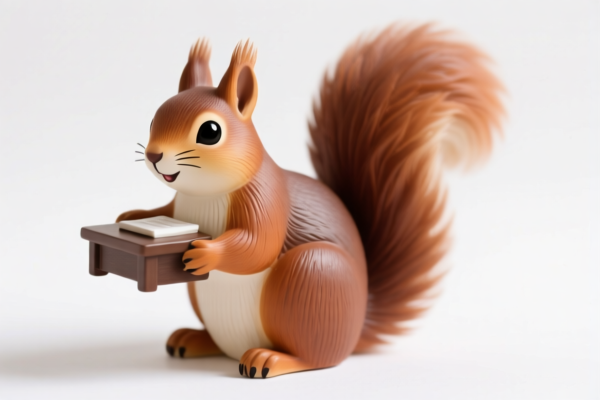
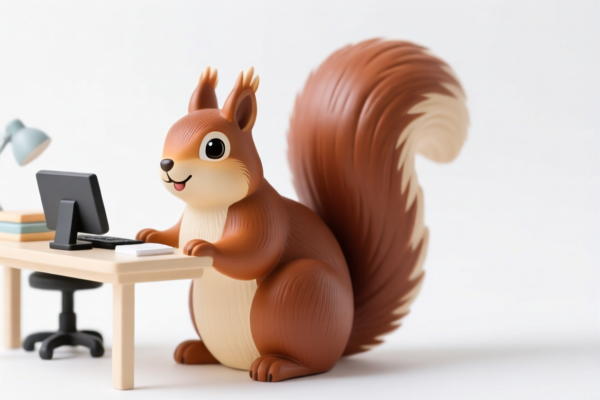
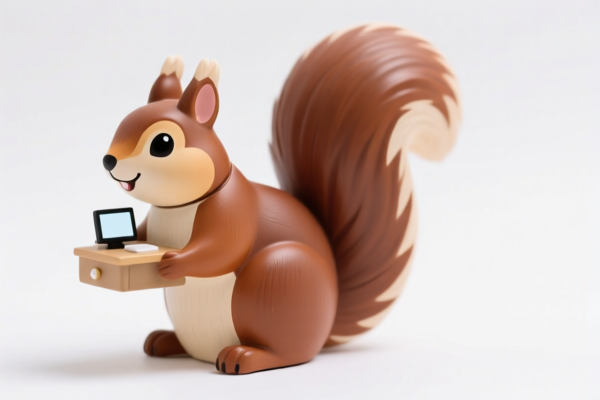
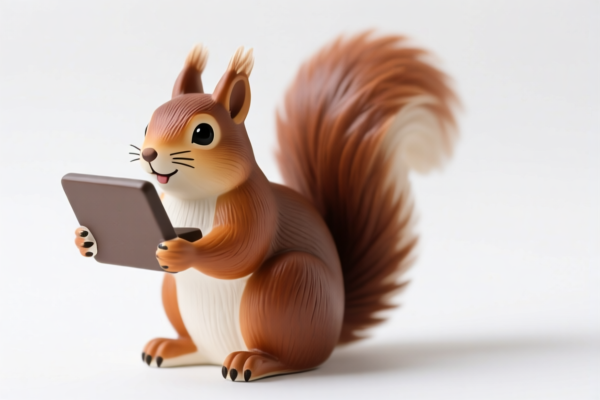
AI Analysis
🐿️ Squirrel Decoration (Wood/Plastic/Ceramic Figurines)
🌐 HS Code Reference & Customs Clearance Guide | 2026 Latest Tariff Analysis | Professional Strategy for Art & Decor
📌 I. Product Definition: What is a "Squirrel Decoration"?
In international trade, a "Squirrel Decoration" is generally classified as an ornament, statue, or artistic item. It is not a functional toy or a live animal product. The critical factor for customs classification is the material composition, which determines the HS Code and the applicable tax rate.
⚠️ Key Distinction:
- Plastic/Synthetic: Falls under Chapter 39 (Articles of Plastic).
- Ceramic/Porcelain: Falls under Chapter 69 (Ceramic Products).
- Wood/Other Non-Metal: Falls under Chapter 44 (Wood and Articles of Wood).
📦 II. HS Code Classification Details (Based on Provided Data)
| HS Code | Material Inference | Summary Description | Base Tariff | Additional Tax (USITC) | Section 301 / IEEPA Tax | Total Tax Rate |
|---|---|---|---|---|---|---|
3926.40.00.90 |
Plastic / Synthetic | Decorative statue/item | 5.3% | 0.0% | 10% | 15.3% |
6913.90.50.00 |
Ceramic | Decorative statue/item | 6.0% | 7.5% | 10% | 23.5% |
3926.40.00.10 |
Plastic / Synthetic | Decorative statue/art item | 5.3% | 0.0% | 10% | 15.3% |
6913.10.50.00 |
Porcelain | Decorative statue/item | 0.0% | 7.5% | 10% | 17.5% |
4420.19.00.00 |
Wood / Non-Metal | Decorative statue/item | 3.2% | 0.0% | 10% | 13.2% |
🔍 Important Note:
- The data provided indicates that Plastic and Wood categories have 0% Additional Tax (USITC 301) in this specific dataset, while Ceramic and Porcelain carry a 7.5% Additional Tax.
- All categories include a 10% Tax (likely Section 301 or IEEPA surcharge) and a specific Base Tariff.
- Total Tax = Base + Additional + Surcharge.
💰 III. Detailed Tariff Breakdown by Material
🎯 1. Plastic Squirrel Decorations (3926.40.00.90 & 3926.40.00.10)
| Item | Content |
|---|---|
| HS Code | 3926.40.00.90 or 3926.40.00.10 |
| Material | Plastic or other synthetic materials |
| Base Tariff | 5.3% |
| Additional Tax (USITC) | 0.0% |
| Section 122 / IEEPA Tax | 10% |
| Total Tax Rate | 15.3% |
| Legal Basis | 3926.40 (Plastic articles) + Specific surcharge provisions |
📌 Explanation:
- Plastic decorations are generally taxed at a moderate rate.
- No USITC additional tax applies in this specific dataset, making it more cost-effective than ceramic.
- The 10% surcharge is likely a standard Section 301 or IEEPA levy on Chinese-origin plastic goods.
🎯 2. Ceramic Squirrel Decorations (6913.90.50.00)
| Item | Content |
|---|---|
| HS Code | 6913.90.50.00 |
| Material | Ceramic |
| Base Tariff | 6.0% |
| Additional Tax (USITC) | 7.5% |
| Section 122 / IEEPA Tax | 10% |
| Total Tax Rate | 23.5% |
| Legal Basis | 6913.90 (Ceramic statues) + USITC Footnote + Surcharge |
📌 Explanation:
- Ceramic goods face higher tariffs due to the 7.5% USITC additional tax.
- Combined with the base and surcharge, this is the most expensive option (23.5%).
- Requires strict material declaration to avoid misclassification.
🎯 3. Porcelain Squirrel Decorations (6913.10.50.00)
| Item | Content |
|---|---|
| HS Code | 6913.10.50.00 |
| Material | Porcelain (a type of ceramic) |
| Base Tariff | 0.0% |
| Additional Tax (USITC) | 7.5% |
| Section 122 / IEEPA Tax | 10% |
| Total Tax Rate | 17.5% |
| Legal Basis | 6913.10 (Porcelain statues) + USITC Footnote + Surcharge |
📌 Explanation:
- Although the Base Tariff is 0%, the 7.5% USITC tax and 10% surcharge still apply.
- Total rate is 17.5%, which is lower than ceramic (23.5%) but higher than plastic/wood.
🎯 4. Wooden Squirrel Decorations (4420.19.00.00)
| Item | Content |
|---|---|
| HS Code | 4420.19.00.00 |
| Material | Wood or other non-metallic materials |
| Base Tariff | 3.2% |
| Additional Tax (USITC) | 0.0% |
| Section 122 / IEEPA Tax | 10% |
| Total Tax Rate | 13.2% |
| Legal Basis | 4420.19 (Wood carvings/statues) + Surcharge |
📌 Explanation:
- Lowest Total Tax Rate (13.2%).
- No USITC additional tax applies.
- Wood decorations are highly competitive in terms of duty costs.
🛠️ IV. Customs Clearance Practical Advice
✅ 1. Required Documentation Checklist
| Document | Mandatory? | Description |
|---|---|---|
| Product Photos | ✅ | Clear images showing the item’s shape, finish, and material texture. |
| Material Declaration | ✅ | Explicitly state: "100% Plastic," "High-fire Porcelain," or "Solid Wood." |
| Commercial Invoice | ✅ | Must specify "Squirrel Decoration" or "Plastic/Ceramic Statue," not generic "Toy." |
| Packing List | ✅ | Include net/gross weight and dimensions. |
| Country of Origin | ✅ | Required for determining applicability of Section 301/IEEPA taxes. |
✅ 2. Declaration Tips (Critical Keywords)
🔥 "Be Specific: Material + Function"
| Scenario | Correct Declaration | Incorrect Declaration |
|---|---|---|
| Plastic Squirrel | "Plastic Decorative Statue, Squirrel Shape" | "Toy Squirrel" (Risk of Toy Classification) |
| Ceramic Squirrel | "Ceramic Ornamental Figurine, Squirrel" | "Household Ceramic" (Too vague) |
| Wooden Squirrel | "Wood Carving, Squirrel Decoration" | "Wooden Craft" (Too generic) |
📌 Why it matters:
- Misdeclaring a Plastic item as Wood to avoid taxes can lead to seizure, fines, and delays.
- Customs officers may request material test reports if the classification seems inconsistent with the price or appearance.
✅ 3. Special Considerations
| Situation | Advice |
|---|---|
| Mixed Materials | If the squirrel has plastic eyes or metal accessories, declare the primary material (e.g., if >50% is plastic, use HS 3926). |
| OEM/Custom Designs | Provide design files or samples to prove it is a "Decoration" and not a "Toy" (which might have different safety regulations). |
| High-Value Items | If the item is considered "Art" (e.g., limited edition porcelain), it may still fall under 6913 but could require additional proof of artistic value. |
🌍 V. Market Comparison (Quick Reference)
| Material | HS Code | Total Tax Rate | Cost Efficiency |
|---|---|---|---|
| 🪵 Wood | 4420.19.00.00 |
13.2% | 🟢 Best |
| 🧱 Plastic | 3926.40.00.90/10 |
15.3% | 🟡 Good |
| 🥣 Porcelain | 6913.10.50.00 |
17.5% | 🟠 Moderate |
| 🏺 Ceramic | 6913.90.50.00 |
23.5% | 🔴 Highest |
📌 Conclusion:
- For cost optimization, Wood and Plastic are the most favorable materials under this tariff structure.
- Ceramic/Porcelain items incur higher duties due to the 7.5% USITC additional tax.
📌 VI. Common Mistakes & Pitfalls
❌ Mistake 1: Declaring a Ceramic squirrel as Plastic to save 8.2% in taxes.
👉 Consequence: Customs inspection reveals the true material → Fines, penalties, and retroactive tax payment.
❌ Mistake 2: Using the term "Toy" instead of "Decoration".
👉 Consequence: May trigger CPSC (Consumer Product Safety Commission) regulations for toys, requiring additional safety certifications.
❌ Mistake 3: Ignoring the Material Test Report.
👉 Consequence: If customs questions the material composition, lack of proof leads to held shipments.
✅ Correct Practice:
"Squirrel Ornament, Made of [Material], for Home Decoration Only. Not a Toy."
🎯 VII. Final Recommendations
🎯 Remember:
🔹 "Material is King: Wood (13.2%) < Plastic (15.3%) < Porcelain (17.5%) < Ceramic (23.5%)"
🔹 "Declare Clearly: Plastic, Ceramic, or Wood – Never ambiguous."
📌 Pro Tip:
If you are importing from China, ensure your supplier provides a Certificate of Origin and a Material Declaration Letter to support your HS Code classification. For high-volume imports, consider applying for an Advance Ruling to confirm the correct HS Code and duty rate before shipment.
📣 Action Plan:
1. Identify Material: Confirm if your squirrel is Wood, Plastic, Ceramic, or Porcelain.
2. Select HS Code: Use the table above to choose the correct code.
3. Prepare Docs: Invoice, Packing List, Photo, Material Declaration.
4. Calculate Cost: Apply the total tax rate (13.2%–23.5%) to your CIF value.
5. Clear Customs: Submit accurate declaration to avoid delays.
✨ Professional Clearance, Accurate Classification, Maximized Profit!
💼 Every percent saved on duty is pure profit!
Customer Reviews
About HS Code Classification
The Harmonized System (HS) is an internationally standardized nomenclature developed by the World Customs Organization (WCO) to classify traded products. Over 200 countries use the HS system as the basis for customs tariffs, trade statistics, and import/export regulations.
Each HS code follows a hierarchical structure:
- Chapter (2 digits) — Broad category of goods (e.g., Chapter 84: Machinery and Mechanical Appliances)
- Heading (4 digits) — More specific grouping within the chapter
- Subheading (6 digits) — Internationally standardized breakdown, used by all WCO member countries
- National subdivisions (8-10 digits) — Country-specific extensions for further classification, such as US HTSUS 10-digit codes
Correct HS code classification is essential for smooth customs clearance, accurate duty payment, and compliance with trade regulations. Misclassification can lead to customs delays, overpayment of duties, or penalties.
When importing from CN to US, the applicable tariff rates may include:
- Most-Favored-Nation (MFN) rate — The standard duty rate applied to WTO members
- General rate — Applied to countries without trade agreements
- Trade remedy duties — Additional tariffs such as Section 301 (anti-dumping), Section 232 (national security), or countervailing duties
The information provided on this page is for reference purposes only. For official classification, please consult with your local customs authority or a licensed customs broker.