stainless steel silicone insulation pad
CN → US| HS Code | Tariff Rate | Origin | Destination | Doc |
|---|---|---|---|---|
| 7323930080 | 62.0% | CN | US | Official Doc |
| 7323930060 | 62.0% | CN | US | Official Doc |
| 3924901050 | 13.3% | CN | US | Official Doc |
| 3924104000 | 13.4% | CN | US | Official Doc |
Product Images
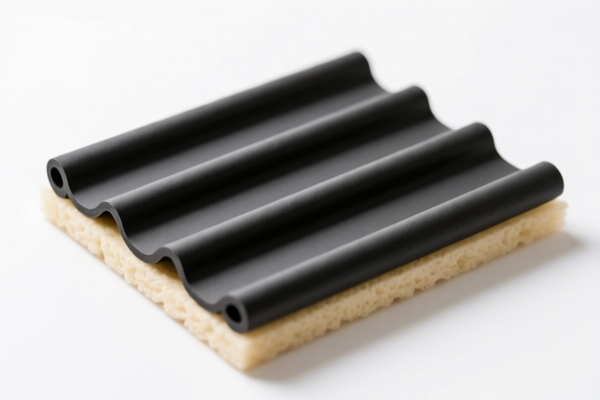
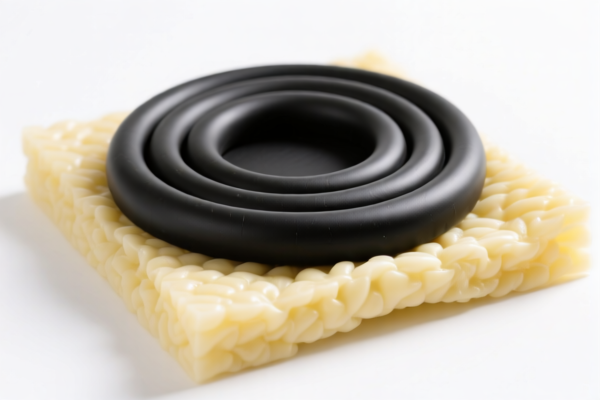
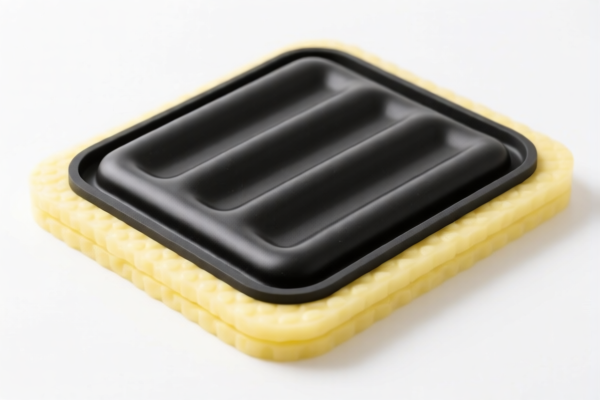
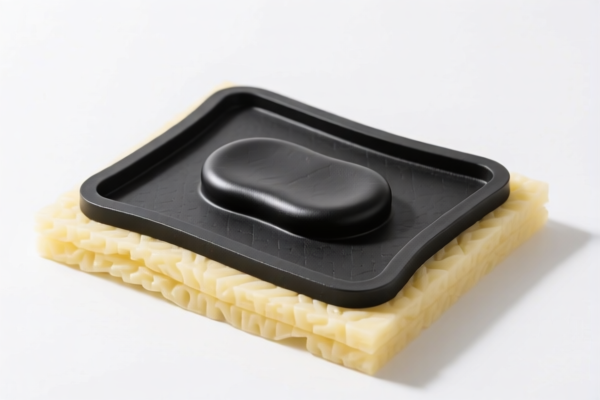
AI Analysis
🥄 Stainless Steel Silicone Insulation Pad (Tableware & Kitchenware)
🌐 HS Code Reference & Customs Clearance Guide | 2026 Latest Tariff Analysis | Professional Clearance Strategy
📌 I. Product Definition & Classification: What Exactly is a "Stainless Steel Silicone Pad"?
The term "Stainless Steel Silicone Insulation Pad" is a composite description that often leads to classification confusion. In international trade, this product usually falls into one of two distinct categories based on its primary material and function:
-
Stainless Steel Kitchenware (with Silicone Coating/Insert):
If the pad is primarily a metal structure (e.g., a trivet, colander, or strainer) with silicone parts for grip or insulation, it is classified under Chapter 73 (Articles of Iron or Steel). The presence of silicone does not change the fundamental character of the article as "steel tableware." -
Silicone/Tabletop Accessories (if dominated by Silicone):
Note: Based on the provided , silicone items are not directly listed under Chapter 39 (Plastics) unless they are considered "plastic-like" household articles. However, the provided data explicitly lists Stainless Steel and Plastic tableware. If the item is purely silicone, it might fall under 3924.90.10.50 as "Other household articles of plastics," but for the purpose of this guide, we focus on the Stainless Steel items provided in , as "Stainless Steel" is explicitly mentioned in the query.
⚠️ Critical Distinction:
- If the item is primarily metal (e.g., a steel trivet with silicone feet) → Chapter 73.
- If the item is primarily plastic/silicone (e.g., a silicone pot holder) → Chapter 39 (specifically 3924.90.10.50).
- Based on the provided , we will analyze the Stainless Steel (7323) and Plastic (3924) codes available.
📦 II. HS Code Classification Details (Based on Provided )
| HS Code | Product Description | Applicability | Material Dominance |
|---|---|---|---|
7323.93.00.80 |
Table, kitchen or other household articles of iron or steel; Other: Of stainless steel: Other | Stainless steel trivets, racks, or insulating pads where steel is the main component | ✅ Stainless Steel |
7323.93.00.60 |
Table, kitchen or other household articles of iron or steel; Other: Of stainless steel: Cooking and kitchen ware: Other: Kitchen ware | Stainless steel kitchen accessories (e.g., pot holders with steel frames, specialized inserts) | ✅ Stainless Steel |
3924.90.10.50 |
Tableware, kitchenware, other household articles of plastics: Other: Curtains, napkins, table covers, etc. | Non-applicable for rigid pads, but may apply if the item is a flexible silicone/plastic mat considered "furnishing" | ✅ Plastic/Silicone |
3924.10.40.00 |
Tableware, kitchenware, other household articles of plastics: Tableware and kitchenware: Other | Flexible silicone mats, pot holders, or trays made primarily of silicone/plastic | ✅ Plastic/Silicone |
🔍 Key Reminder:
- Stainless Steel Pads: If the pad has a structural steel frame or is primarily metal, use 7323.93.00.60 or 7323.93.00.80.
- Silicone-Only Pads: If the item is 100% silicone (no metal structure), it may be classified under 3924.10.40.00 (as kitchenware) or 3924.90.10.50 (as other household articles), depending on specific design and function.
- Composite Items: If it is a steel pad with silicone coating, the steel determines the classification (Chapter 73).
💰 III. 2026 Latest Tariff Rate Breakdown (Including Surtaxes & Policy Surcharges)
✅ Applicable Country: United States (US)
✅ Origin: China (CN)
✅ Effective Date: Current rates apply (Note: Surtaxes for steel/aluminum products are significant)
🎯 1. 7323.93.00.80 & 7323.93.00.60 —— Stainless Steel Kitchen/Tableware
| Item | Content |
|---|---|
| Base Tariff | 2.0% (ad valorem) |
| Section 301 Surcharge (Steel/Aluminum/Copper) | +50.0% |
| Total Tariff Rate | 52.0% |
| Tax Calculation | CIF Value × 52% |
| Legal Basis | Section 301 (Steel/Aluminum/Copper Surtax) + Basic Duty |
| De Minimis Exemption | ❌ Not Eligible (High duty rates preclude low-value exemptions in most cases) |
📌 Explanation:
- The 50% surcharge is specifically applied to steel, aluminum, and copper products under recent trade policies.
- Since "Stainless Steel" falls under Chapter 73, it is subject to this 50% additional duty.
- Combined with the 2% base duty, the total cost increase is 52%. This is a high tariff item.
🎯 2. 3924.10.40.00 —— Plastic/Silicone Tableware & Kitchenware
| Item | Content |
|---|---|
| Base Tariff | 3.4% (ad valorem) |
| Section 301 Surcharge | 0.0% (No specific surcharge for plastics listed in ) |
| Total Tariff Rate | 3.4% |
| Tax Calculation | CIF Value × 3.4% |
| Legal Basis | Standard Tariff Schedule |
📌 Explanation:
- If the pad is 100% silicone (classified as plastic under Chapter 39), the tariff is significantly lower (3.4%).
- Crucial: If the item contains any steel structure, it cannot use this code. It must be classified under Chapter 73, resulting in 52%.
🎯 3. 3924.90.10.50 —— Other Plastic Household Articles
| Item | Content |
|---|---|
| Base Tariff | 0.0% |
| Surcharge | 0.0% |
| Total Tariff Rate | 0.0% |
| Applicability | Only if classified as "furnishing" (e.g., table mats, decorative pads) rather than "kitchenware" |
📌 Warning:
- Customs may reclassify "kitchen use" silicone mats as 3924.10.40.00 (3.4%) if they are deemed functional kitchenware.
- Use 3924.90.10.50 only for non-kitchen, decorative, or general household plastic articles.
🛠️ IV. Customs Clearance Practical Advice (Avoid Pitfalls)
✅ 1. Documentation Checklist (Essential)
| Document | Required | Notes |
|---|---|---|
| ✅ Product Photos | ✔️ | Show both the steel frame and silicone parts. Clarify which is dominant. |
| ✅ Material Composition Statement | ✔️ | Explicitly state "% Steel" and "% Silicone". |
| ✅ Function Description | ✔️ | Is it a "trivet" (tableware) or a "mat" (furnishing)? |
| ✅ Commercial Invoice | ✔️ | Must specify "Stainless Steel Kitchenware" or "Silicone Mat" accurately. |
| ✅ Origin Certificate | ✔️ | Required for tariff calculation. |
✅ 2. Classification Strategy (Key Tips)
| Scenario | Recommended HS Code | Tariff | Risk |
|---|---|---|---|
| Steel Trivet with Silicone Feet | 7323.93.00.60 or .80 |
52% | High tariff, but correct. |
| 100% Silicone Pot Holder | 3924.10.40.00 |
3.4% | Low tariff, but ensure NO steel content. |
| Silicone Mat (Decorative) | 3924.90.10.50 |
0.0% | Risk of reclassification to 3924.10.40.00 if used in kitchen. |
🔥 Golden Rule:
"Steel dominates Plastic!"
If your product has ANY structural steel component, it MUST be classified under Chapter 73, incurring the 52% tariff. Do not attempt to classify steel-silicone composite items as plastic to save taxes – this is customs fraud and will result in penalties.
✅ 3. Special Situations
| Situation | Advice |
|---|---|
| OEM Custom Design | Provide detailed specs showing the primary material. If steel is >50% by weight or value, use Chapter 73. |
| Silicone-Coated Steel | Still classified as Steel (Chapter 73). Coating does not change the essential character. |
| Mixed Shipment | Separate steel and plastic items in the invoice to avoid blanket classification errors. |
🌍 V. Global Market Comparison (2026)
| Country | Steel-Pad (7323) | Silicone-Pad (3924) | Note |
|---|---|---|---|
| 🇺🇸 USA | 52% | 3.4% or 0% | High steel tariffs due to Section 301. |
| 🇨🇳 China | ~10-13% | ~5-10% | Import duties vary by specific subheading. |
| 🇪🇺 EU | ~6-9% | ~0-6.5% | No steel surcharge like the US. |
| 🇯🇵 Japan | ~5-8% | ~0-6% | FTA benefits may apply. |
📌 Conclusion:
- US Market: Steel-based insulation pads are very expensive to import due to the 50% surcharge. Consider sourcing non-steel alternatives (e.g., bamboo, wood, or pure silicone) for the US market to reduce costs.
- Other Markets: Steel pads are more competitively priced due to lower or no surcharges.
📌 VI. Common Errors & Pitfalls (Lessons Learned)
❌ Error 1: Classifying a steel-trivet with silicone feet as "Silicone Mat" (3924.90.10.50)
👉 Result: 0% tariff claimed, but customs reclassifies to 7323.93.00.80 → 52% tariff + penalties.
❌ Error 2: Misidentifying "Stainless Steel" as "Iron or Steel" without specifying grade
👉 Result: No major tariff difference, but incorrect description may cause delays.
❌ Error 3: Using "Insulation Pad" as a generic term without specifying material
👉 Result: Customs may assign the highest applicable duty rate.
✅ Correct Practice:
"Stainless Steel Trivet with Silicone Base, Model XYZ, Made in China"
→ HS Code:7323.93.00.60
→ Tariff: 52%
🎯 VII. Conclusion: Smart Sourcing for Compliance
🎯 Key Takeaway:
- Steel = 52% Tariff in US
- Silicone/Plastic = 3.4% or 0% Tariff in US
If you are exporting to the USA, evaluate whether you can redesign the product to be 100% silicone/plastic to save 48.6% in duties. If steel is necessary for structural integrity, factor the 52% cost into your pricing.
📌 Pro Tip:
Apply for a Binding Ruling from US Customs and Border Protection (CBP) if your product is a complex composite. This provides legal certainty on the HS code and tariff rate.
📣 Immediate Action:
📞 Consult a Customs Broker: Provide product photos and material specs.
📦 Re-evaluate Supply Chain: Can silicone-only alternatives meet customer needs?
🚀 Optimize Costs: Avoid the 52% steel surcharge by material substitution where possible.
✨ Accurate Classification Saves Money!
💼 Your Tariff Bill Starts with the Right HS Code!
Customer Reviews
About HS Code Classification
The Harmonized System (HS) is an internationally standardized nomenclature developed by the World Customs Organization (WCO) to classify traded products. Over 200 countries use the HS system as the basis for customs tariffs, trade statistics, and import/export regulations.
Each HS code follows a hierarchical structure:
- Chapter (2 digits) — Broad category of goods (e.g., Chapter 84: Machinery and Mechanical Appliances)
- Heading (4 digits) — More specific grouping within the chapter
- Subheading (6 digits) — Internationally standardized breakdown, used by all WCO member countries
- National subdivisions (8-10 digits) — Country-specific extensions for further classification, such as US HTSUS 10-digit codes
Correct HS code classification is essential for smooth customs clearance, accurate duty payment, and compliance with trade regulations. Misclassification can lead to customs delays, overpayment of duties, or penalties.
When importing from CN to US, the applicable tariff rates may include:
- Most-Favored-Nation (MFN) rate — The standard duty rate applied to WTO members
- General rate — Applied to countries without trade agreements
- Trade remedy duties — Additional tariffs such as Section 301 (anti-dumping), Section 232 (national security), or countervailing duties
The information provided on this page is for reference purposes only. For official classification, please consult with your local customs authority or a licensed customs broker.