stair railing
CN → US| HS Code | Tariff Rate | Origin | Destination | Doc |
|---|---|---|---|---|
| 4421999880 | 38.3% | CN | US | Official Doc |
| 8302423065 | 71.4% | CN | US | Official Doc |
| 9401991085 | 17.5% | CN | US | Official Doc |
| 4421919880 | 38.3% | CN | US | Official Doc |
Product Images
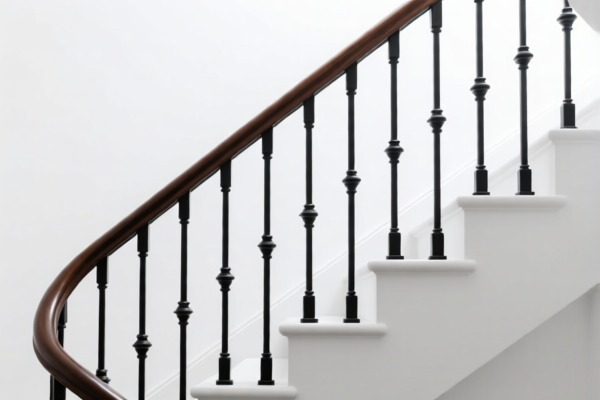
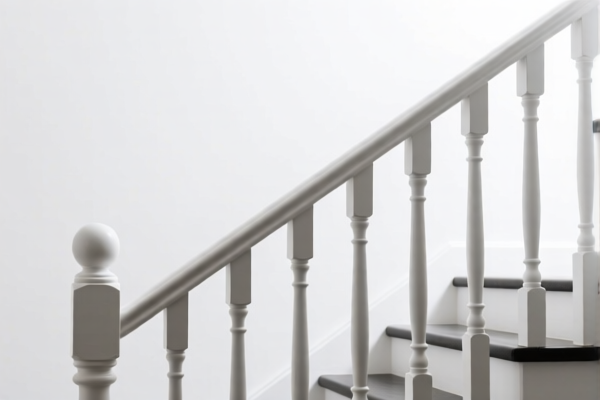
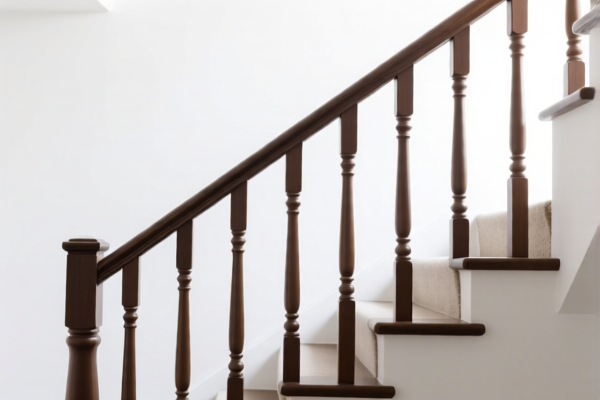
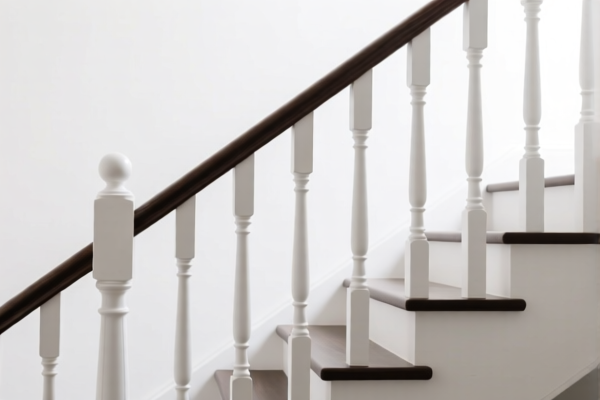
AI Analysis
🪜 Stair Railing (Handrails / Balustrades)
🌐 HS Code Reference & Customs Clearance Guide | 2026 Latest Tariff Analysis | Professional Entry Strategy
📌 I. Product Definition & Classification: Do You Truly Understand "Stair Railings"?
Stair railings are critical safety components and decorative elements in residential and commercial buildings. In international trade, their classification heavily depends on the material composition and functional integration. They are generally categorized into:
Wooden Handrails (4421): Made primarily of wood or wood-based materials, often treated as "miscellaneous wooden articles." Metal Fittings & Parts (8302 / 9401): Made of steel, aluminum, or copper, classified either as "base metal fittings" or "parts of furniture."
⚠️ Key Distinction Point:
- If the railing is wooden and acts as a finished accessory or structural component not specifically listed elsewhere → Classified under 4421. - If the railing is metal (steel/aluminum/copper) and attached to furniture → Classified under 8302 (Base Metal Fittings). - If the railing is explicitly identified as a part of a seat/chair (e.g., office chair arms or specific furniture supports) → Classified under 9401 (Parts of Seats).
📦 II. HS Code Classification Details (2026 Latest Tariff Authority Alignment)
Based on the provided data, here are the specific classifications for Stair Railings:
| HS Code | Product Description | Summary Logic | Material Focus |
|---|---|---|---|
4421.99.98.80 |
Other wooden articles (General fallback for wood) | Handrails fall under miscellaneous wooden products | ✅ Wood |
8302.42.30.65 |
Base metal fittings and similar fittings (Furniture parts) | Handrails as metal accessories/fittings | ✅ Steel, Aluminum, Copper |
9401.99.10.85 |
Parts of seats (Fallback for other furniture parts) | Handrails as specific seat/ furniture components | ✅ Any (but optimized for furniture context) |
4421.91.98.80 |
Other miscellaneous wooden articles (Specific fallback) | Handrails as other wooden items | ✅ Wood |
🔍 Key Reminder:
- Wooden railings generally fall under Chapter 44 (Wood). The difference between4421.99and4421.91often lies in specific sub-category definitions (e.g., pre-assembled vs. simple pieces), but both incur similar high tariffs due to Section 301/122 measures. - Metal railings face the harshest penalties if classified as "Base Metal Fittings" (8302) due to the 50% steel/aluminum/copper surcharge. - Furniture Parts (9401) offer the most favorable rate (0% base) but require strict justification that the item is an integral part of a seat/chair, not a general building fixture.
💰 III. 2026 Latest Tariff Rate Breakdown (Including Surtaxes & Policy Add-ons)
✅ Applicable Country: United States (US)
✅ Origin: China (CN)
✅ Effective Time: Post-November 10, 2025 (Includes subsequent imports)
🎯 1. 4421.99.98.80 & 4421.91.98.80 —— Wooden Handrails (Miscellaneous Wood Articles)
| Item | Content |
|---|---|
| Base Tariff | 3.3% (Ad Valorem) |
| Section 301 Surtax | +25.0% |
| Section 122 Tariff | +10.0% |
| Total Tax Rate | 38.3% |
| Tax Calculation | CIF Value × 38.3% |
| De Minimis Eligibility | ❌ Not Eligible (High tax rate triggers scrutiny) |
| Legal Basis Path | USITC:4421.99.98.80 → FOOTNOTE:301.88 (25%) → IEEPA:122 (10%) |
📌 Explanation:
- Wooden products from China are subject to Section 301 tariffs (25%). - Additional Section 122 tariffs (10%) may apply depending on specific trade remedy actions or national security provisions. - Total 38.3% is a significant cost driver. Ensure the wood is clearly declared and not disguised metal.
🎯 2. 8302.42.30.65 —— Base Metal Fittings (Steel/Aluminum/Copper)
| Item | Content |
|---|---|
| Base Tariff | 3.9% (Ad Valorem) |
| Section 301 Surtax | +7.5% |
| Section 122 Tariff | +10.0% |
| Steel/Al/Cu Surcharge | +50.0% (Specific to Steel, Aluminum, Copper) |
| Total Tax Rate | 71.4% |
| Tax Calculation | CIF Value × 71.4% |
| De Minimis Eligibility | ❌ Not Eligible |
| Legal Basis Path | USITC:8302.42.30.65 → FOOTNOTE:301.88 → IEEPA:122 → Special Steel/Al/Cu Duty |
📌 Warning:
- This is the highest tax bracket for stair railings. - The +50% surcharge is specifically for steel, aluminum, and copper products. - Total 71.4% makes this classification extremely costly. Avoid this unless absolutely necessary for structural integrity documentation.
🎯 3. 9401.99.10.85 —— Parts of Seats (Furniture Parts)
| Item | Content |
|---|---|
| Base Tariff | 0.0% (Ad Valorem) |
| Section 301 Surtax | +7.5% |
| Section 122 Tariff | +10.0% |
| Other Surcharges | None |
| Total Tax Rate | 17.5% |
| Tax Calculation | CIF Value × 17.5% |
| De Minimis Eligibility | ❌ Not Eligible |
| Legal Basis Path | USITC:9401.99.10.85 → FOOTNOTE:301.88 → IEEPA:122 |
📌 Strategic Advantage:
- This is the most cost-effective classification. - Base rate is 0%. Only Section 301 (7.5%) and Section 122 (10%) apply. - Requirement: You must prove the handrail is a part of a seat or furniture piece (e.g., armrests, side supports of a specific chair model), not a generic building railing.
🛠️ IV. Customs Clearance Practical Advice (Pitfall Avoidance Guide)
✅ 1. Documentation Checklist (Mandatory)
| Document | Required? | Description |
|---|---|---|
| ✅ Product Specification Sheet | ✔️ | Must detail material (Wood/Metal), dimensions, weight, and intended use (e.g., "Armrest for Office Chair" vs. "Stair Handrail"). |
| ✅ Technical Drawings/CAD | ✔️ | Critical for proving it is a "part of furniture" (9401) rather than a "metal fitting" (8302) or "building material" (4421). |
| ✅ Product Photos | ✔️ | Show the item installed on furniture or as a standalone piece. Label clearly. |
| ✅ Commercial Invoice | ✔️ | Must accurately describe the item according to the chosen HS Code. E.g., "Wooden Handrail for Stairs" vs. "Furniture Armrest Component." |
| ✅ Bill of Lading | ✔️ | Standard shipping document. |
| ✅ Country of Origin Certificate | ✔️ | If applying for any potential exemptions or proving CN origin for surcharges. |
✅ 2. Declaration Strategy (Key Mantra)
🔥 "Material Matters, Function Dictates, Label Precisely, Tax Drops!"
| Scenario | Correct Declaration | Wrong Approach | Consequence |
|---|---|---|---|
| Generic Wooden Stair Railing | 4421.99.98.80 |
Declare as "Furniture Part" without proof | Risk of reclassification & penalty |
| Metal Railing (General Use) | 8302.42.30.65 |
Declare as "Wood" or "Plastic" | Fraudulent declaration, seizure, fines |
| Chair Armrest / Furniture Support | 9401.99.10.85 |
Declare as "Metal Fitting" (8302) | Missed savings (71.4% vs 17.5%) |
| Pre-assembled Wooden Unit | 4421.91.98.80 |
Declare as raw wood | Tariff mismatch |
✅ 3. Special Circumstances Handling
| Situation | Handling Suggestion |
|---|---|
| Hybrid Materials (Wood + Metal) | Critical! If the item is composite, customs may classify based on the material giving the essential character. If metal >50%, it may fall under 8302 (71.4%). Consult a broker. |
| OEM Custom Furniture Parts | Provide client PO and design files showing it is a specific part of a chair/sofa. This supports 9401 classification. |
| Building vs. Furniture Use | If sold to a construction company for a staircase, 4421/8302 is more likely. If sold to a furniture manufacturer for chair assembly, 9401 is viable. |
🌍 V. Global Market Comparison (2026 Latest)
| Country/Region | Recommended HS Code | Tariff Rate | Certification | Note |
|---|---|---|---|---|
| 🇺🇸 USA | 9401.99.10.85 (if furniture part) |
17.5% | N/A | Best rate if justified. 8302 is 71.4%. |
| 🇺🇸 USA | 4421.99.98.80 (Wooden) |
38.3% | N/A | Standard for wooden railings. |
| 🇨🇳 China | 4421.99.98.80 |
~3-5% | CCC (if applicable) | Low import duty in China. |
| 🇪🇺 EU | 4421.99.98 (Wood) |
0-4% | CE/FSC (Sustainability) | No Section 301/122. |
| 🇦🇺 Australia | 4421.99.98 |
5% | N/A | Moderate duty. |
📌 Conclusion:
- USA is the highest cost market due to aggressive trade remedies (Section 301 & 122). - Classification Choice is Critical: Choosing9401(17.5%) over8302(71.4%) saves 53.9% on taxes. - Wooden items (4421) sit in the middle at 38.3%.
📌 VI. Common Errors & Pitfalls (Blood Lessons)
❌ Error 1: Calling a "Metal Stair Railing" a "Furniture Part" without evidence.
👉 Consequence: Customs rejects 9401, forces 8302 → Tax jumps from 17.5% to 71.4%.
❌ Error 2: Ignoring the Section 122 and 301 layers.
👉 Consequence: Under-declaring tax. Expect 100%+ duty penalties and cargo hold.
❌ Error 3: Not distinguishing between 4421.99 and 4421.91.
👉 Consequence: Both have 38.3% tax, but incorrect code may cause customs examination delays due to data mismatch.
❌ Error 4: Declaring "Handrail" without specifying Material.
👉 Consequence: Customs will ask for clarification, causing 1-2 week delays. Always state "Wooden" or "Steel."
✅ Correct Practice:
"Wooden Handrail, Pre-Finished, for Staircase Installation, Model XYZ, HS 4421.99.98.80"
OR
"Furniture Armrest Component, Metal Alloy, for Office Chair, Model ABC, HS 9401.99.10.85"
🎯 VII. Conclusion: Professional Declaration, Cost Control, Efficiency!
🎯 Remember the Mantra:
🔹 "Metal Part? Check 8302 (71.4%). Furniture Part? Fight for 9401 (17.5%). Wood? Expect 38.3%."
🔹 "HS Code Determines Life or Death, Tax Rate Difference is Huge, Declaration Error Costs Millions!"
📌 Pro Tip:
If your product is composite (e.g., Wood handle + Metal bracket), negotiate with your broker to classify based on the essential character. If the metal value is low, you might argue for 4421 (38.3%) instead of 8302 (71.4%).
📞 Immediate Action:
📞 Contact a professional customs broker + Provide Product Photos + Apply for HS Code Advance Ruling (if possible).
🚀 Let your Stair Railings clear customs smoothly, reduce costs, and maximize profits!
✨ Professional Clearance Starts with Precise Classification!
💼 Every Dollar of Tax is Worth Calculating Precisely!
Customer Reviews
About HS Code Classification
The Harmonized System (HS) is an internationally standardized nomenclature developed by the World Customs Organization (WCO) to classify traded products. Over 200 countries use the HS system as the basis for customs tariffs, trade statistics, and import/export regulations.
Each HS code follows a hierarchical structure:
- Chapter (2 digits) — Broad category of goods (e.g., Chapter 84: Machinery and Mechanical Appliances)
- Heading (4 digits) — More specific grouping within the chapter
- Subheading (6 digits) — Internationally standardized breakdown, used by all WCO member countries
- National subdivisions (8-10 digits) — Country-specific extensions for further classification, such as US HTSUS 10-digit codes
Correct HS code classification is essential for smooth customs clearance, accurate duty payment, and compliance with trade regulations. Misclassification can lead to customs delays, overpayment of duties, or penalties.
When importing from CN to US, the applicable tariff rates may include:
- Most-Favored-Nation (MFN) rate — The standard duty rate applied to WTO members
- General rate — Applied to countries without trade agreements
- Trade remedy duties — Additional tariffs such as Section 301 (anti-dumping), Section 232 (national security), or countervailing duties
The information provided on this page is for reference purposes only. For official classification, please consult with your local customs authority or a licensed customs broker.