steam ironing machine
CN → US| HS Code | Tariff Rate | Origin | Destination | Doc |
|---|---|---|---|---|
| 8451300000 | 35.0% | CN | US | Official Doc |
| 8451909010 | 38.5% | CN | US | Official Doc |
| 8516404000 | 12.8% | CN | US | Official Doc |
| 8516402000 | 10.0% | CN | US | Official Doc |
| 8451300000 | 35.0% | CN | US | Official Doc |
Product Images
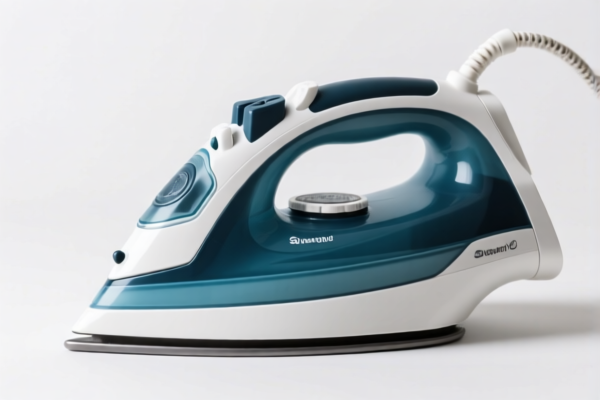
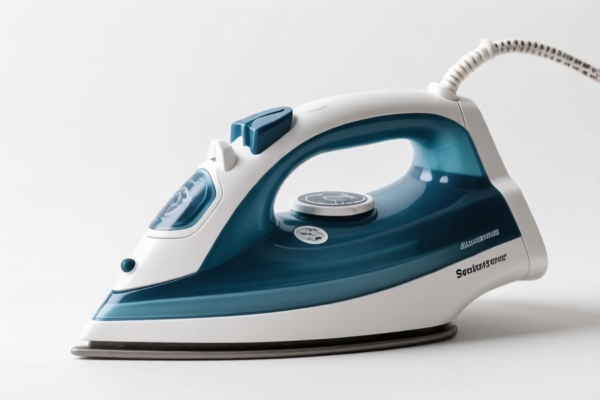
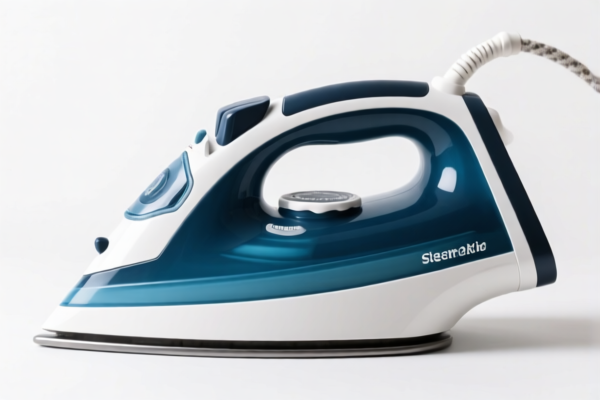
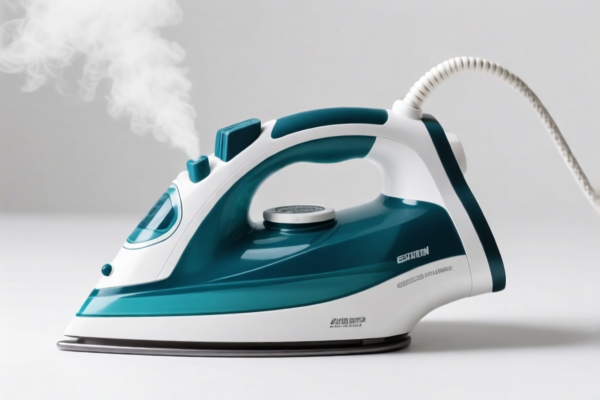
AI Analysis
🛁🔥 Steam Ironing Machines: HS Code Classification & US Customs Clearance Guide (2026)
🌐 HS Code Reference & Clearance Strategy | Latest Tariff Analysis | Professional Compliance Guide
📌 I. Product Definition & Classification: What Exactly Is a "Steam Ironing Machine"?
In international trade, "Steam Ironing Machine" is a broad term that can refer to several different types of equipment, ranging from household handheld irons to industrial continuous feed presses. The correct HS Code classification depends heavily on power source, functionality, and degree of integration.
Two Main Categories:
-
Electric Irons (Household/Light Industrial):
Devices primarily consisting of a heated soleplate and a water reservoir, designed for manual steaming and pressing of garments. These fall under Chapter 85 (Electrical Machinery). -
Ironing Machines (Industrial/Commercial):
Larger, often motorized systems designed for continuous or semi-continuous ironing of garments (e.g., tunnel finishers, pressing trees). These fall under Chapter 84 (Machinery for Making or Finishing Articles).
⚠️ Critical Distinction Point:
- If it is a self-contained electric device with a soleplate and handle (even if it has a steam generator base), it is likely an Electric Iron (HS 8516).
- If it is a mechanical press or tunnel system where the garment is fed through or pressed by a machine frame (with or without steam heating), it is likely an Ironing Machine (HS 8451).
📦 II. HS Code Classification Details (Based on Provided Data)
Below are the specific HS Codes from the provided data, along with their logical justifications and tax implications.
| HS Code | Product Description | Application Scenario | Total Tax Rate | Key Differentiator |
|---|---|---|---|---|
8516.40.40.00 |
Electric Iron | Standard household or commercial electric irons. | 12.8% | ✅ Electrical Heating Element Defined as an "electric iron" under HTSUS Heading 8516. |
8516.40.20.00 |
Electric Iron (Alternative) | Electric irons classified under other subheadings in 8516.40. | 10.0% | ✅ Electrical Heating Element Another specific subcode for electric irons within the 8516.40 category. |
8451.30.00.00 |
Ironing Machine | Industrial ironing presses, tunnel finishers, or powered ironing systems. | 35.0% | ❌ Machinery Class Defined as a machine for ironing, not a simple electric appliance. |
8451.90.90.10 |
Parts of Ironing Machines | Spare parts, soleplates, or attachments specifically for machines in 8451.30. | 38.5% | ⚙️ Component Used when importing components for industrial ironing machines. |
🔍 Key Insight from Data:
- Electric Irons (8516) attract significantly lower tariffs (10%–12.8%) compared to Industrial Ironing Machines (8451) (35%–38.5%).
- Misclassification is a common and costly error. Classifying an industrial press as a "handheld electric iron" can lead to severe penalties.
💰 III. Detailed Tariff Breakdown for 2026 (US Imports from China)
✅ Applicable Country: United States (US)
✅ Country of Origin: China (CN)
✅ Effective Date: Tariffs apply to imports entered, or withdrawn from warehouse, for consumption on or after the specified dates.
🎯 1. 8516.40.40.00 — Electric Irons
| Item | Content |
|---|---|
| Base Tariff | 2.8% |
| Section 301 Tariff | 0.0% |
| Section 122 Tariff (IEEPA) | 10.0% |
| Total Effective Rate | 12.8% |
| Tax Calculation | CIF Value × 12.8% |
| De Minimis Exemption? | ❌ No (Deny de minimis for Section 301/122 goods) |
| Legal Path | HTSUS:8516.40.40.00 → IEEPA:9903.01.24 |
📌 Explanation:
- This is the most common code for standard electric steam irons.
- The 10% Section 122 Tariff applies to many electrical appliances from China.
- Note: There is no Section 301 (25%) tariff for this specific subcode, making it significantly cheaper than industrial machinery.
🎯 2. 8516.40.20.00 — Electric Irons (Other Subheadings)
| Item | Content |
|---|---|
| Base Tariff | 0.0% |
| Section 301 Tariff | 0.0% |
| Section 122 Tariff (IEEPA) | 10.0% |
| Total Effective Rate | 10.0% |
| Tax Calculation | CIF Value × 10.0% |
| De Minimis Exemption? | ❌ No |
| Legal Path | HTSUS:8516.40.20.00 → IEEPA:9903.01.24 |
📌 Explanation:
- This code captures other forms of electric irons not covered by 8516.40.40.00.
- Still benefits from a low total tax burden (10%) compared to machinery.
🎯 3. 8451.30.00.00 — Ironing Machines
| Item | Content |
|---|---|
| Base Tariff | 0.0% |
| Section 301 Tariff | 25.0% |
| Section 122 Tariff (IEEPA) | 10.0% |
| Total Effective Rate | 35.0% |
| Tax Calculation | CIF Value × 35.0% |
| De Minimis Exemption? | ❌ No |
| Legal Path | HTSUS:8451.30.00.00 → USITC Footnote 9903.88.01 → IEEPA:9903.01.24 |
📌 Explanation:
- Applies to industrial steam irons, tunnel finishers, and pressing machines.
- Subject to the full 25% Section 301 Tariff PLUS 10% Section 122 Tariff.
- High Cost Alert: This is a 3.5x higher tax burden than electric hand irons.
🎯 4. 8451.90.90.10 — Parts of Ironing Machines
| Item | Content |
|---|---|
| Base Tariff | 3.5% |
| Section 301 Tariff | 25.0% |
| Section 122 Tariff (IEEPA) | 10.0% |
| Total Effective Rate | 38.5% |
| Tax Calculation | CIF Value × 38.5% |
| De Minimis Exemption? | ❌ No |
| Legal Path | HTSUS:8451.90.90.10 → USITC Footnote 9903.88.01 → IEEPA:9903.01.24 |
📌 Explanation:
- Applies to replacement parts for industrial machines (e.g., steam generators, heating plates for presses).
- Highest Tax Burden: 38.5% is the most expensive classification in the dataset.
🛠️ IV. Practical Customs Clearance Advice (Pitfall Avoidance Guide)
✅ 1. Documentation Checklist (Mandatory)
| Document | Required | Notes |
|---|---|---|
| ✅ Product Specification Sheet | ✔️ | Must clearly state: "Electric Handheld Iron" vs. "Industrial Press Machine." Include voltage, wattage, and dimensions. |
| ✅ Product Photos | ✔️ | Clear images of the soleplate, handle, steam vents, and any control panels. |
| ✅ Commercial Invoice | ✔️ | Use precise terminology: "Electric Steam Iron" vs. "Industrial Garment Ironing Machine." |
| ✅ Proof of Origin | ✔️ | Certify origin as China. If from Vietnam/Mexico, may be eligible for Section 301 exemption. |
| ✅ Technical Diagram | ✔️ | If importing parts, provide diagrams showing compatibility with specific machine models. |
✅ 2. Declaration Strategy (Key Mantras)
🔥 “Handheld = 8516 (Low Tax), Powered Press = 8451 (High Tax)!”
| Scenario | Correct HS Code | Incorrect Code | Consequence of Error |
|---|---|---|---|
| Standard Electric Iron (with cord/base) | 8516.40.40.00 (12.8%) |
8451.30.00.00 |
Overpayment of ~22.2% tax. |
| Industrial Tunnel Finisher | 8451.30.00.00 (35.0%) |
8516.40.40.00 |
Undervaluation Risk: Customs may reclassify and assess back-taxes + penalties. |
| Spare Soleplate for Machine | 8451.90.90.10 (38.5%) |
8516.40.40.00 |
Misclassification: Parts for machinery are not "finished goods." |
| Steam Generator Base (for handheld) | Likely 8516.40.40.00 or parts of 8516 |
8451.30.00.00 |
If the base is just a water heater for a handheld iron, it’s often considered part of the electric iron system, not a full machine. |
✅ 3. Special Situations
| Situation | Recommendation |
|---|---|
| Combo Sets (Iron + Board + Steamer) | Declare as the main item (usually the iron, 8516). Avoid declaring as a "set" if it triggers 8451 rules. |
| OEM Custom Designs | Provide design files to Customs broker to prove whether it’s a "consumer appliance" or "industrial machine." |
| Importing from Non-China Origins | If the product is made in Vietnam, Thailand, or Mexico, it may be exempt from Section 301 (25%) and Section 122 (10%) tariffs. Always check Country of Origin rules. |
| Parts vs. Whole | If importing a new iron, declare as a finished good (8516 or 8451). Do not declare as "parts" unless it’s a standalone replacement component. |
🌍 V. Global Market Comparison (2026)
| Region | Recommended HS Code | Est. Tariff (China Origin) | Notes |
|---|---|---|---|
| 🇺🇸 USA | 8516.40.40.00 |
12.8% | Best for electric irons. High tariff (35%) for industrial machines. |
| 🇺🇸 USA | 8451.30.00.00 |
35.0% | Industrial only. Avoid if possible due to high cost. |
| 🇪🇺 EU | 8516.31.00 |
4.0% | No Section 301/122 tariffs. Generally lower global tariffs for irons. |
| 🇨🇳 China | 8516.31.00 |
7.0% - 9.5% | Import tariffs for finished goods. |
📌 Conclusion:
- USA is the most complex market due to Section 301 and Section 122 tariffs.
- Electric irons (8516) are significantly more tariff-efficient than industrial machines (8451).
- Supply Chain Tip: Consider sourcing industrial ironing equipment from non-China origins to avoid the 35% total tariff.
📌 VI. Common Mistakes & Blood-Letting Lessons
❌ Mistake 1: Calling an industrial tunnel press a "Steam Iron" in the invoice.
👉 Consequence: Customs may accept the lower tariff initially, but upon audit, you will face back-taxes + penalties for undervaluation.
❌ Mistake 2: Declaring replacement soleplates for industrial machines as "Electric Irons."
👉 Consequence: Parts are classified separately (8451.90.90.10) and taxed higher (38.5%) than the finished iron. Do not mix up parts and finished goods.
❌ Mistake 3: Ignoring the "Steam Generator" component.
👉 Consequence: If the steam generator is sold separately and is large/industrial, it might be classified as a boiler or machine part, not an iron. Ensure the entire system is described cohesively.
✅ Best Practice:
Use clear, unambiguous descriptions:
"Model XYZ Electric Handheld Steam Iron, 1500W, 120V, Household Use"
vs.
"Model ABC Industrial Continuous Feed Steam Ironing Machine, 220V, Commercial Use"
🎯 VII. Conclusion: Classify Correctly, Save Money!
🎯 Remember the Mantra:
🔹 "Handheld & Electric = 8516 (10-13%)"
🔹 "Industrial & Machine = 8451 (35-38.5%)"
🔹 "Check Country of Origin for Exemptions!"
📌 Pro Tip:
If your product is manufactured in Vietnam, Mexico, or Malaysia, you may be eligible to avoid Section 301 (25%) and Section 122 (10%) tariffs. This can reduce your total tax burden from 35% to ~0-5% for industrial machines, and from 12.8% to ~2.8% for electric irons.
Action: Always verify the Country of Origin label on the product and packaging.
📣 Immediate Action Required:
📞 Consult a licensed customs broker.
📄 Provide product photos and technical specs.
🚀 Get an Advance Ruling from CBP if uncertain about the classification.
💼 Your profit margin depends on precise HS Code classification!
✨ Professional Clearance Starts with Accurate Classification!
💼 Every percent saved is pure profit!
Customer Reviews
About HS Code Classification
The Harmonized System (HS) is an internationally standardized nomenclature developed by the World Customs Organization (WCO) to classify traded products. Over 200 countries use the HS system as the basis for customs tariffs, trade statistics, and import/export regulations.
Each HS code follows a hierarchical structure:
- Chapter (2 digits) — Broad category of goods (e.g., Chapter 84: Machinery and Mechanical Appliances)
- Heading (4 digits) — More specific grouping within the chapter
- Subheading (6 digits) — Internationally standardized breakdown, used by all WCO member countries
- National subdivisions (8-10 digits) — Country-specific extensions for further classification, such as US HTSUS 10-digit codes
Correct HS code classification is essential for smooth customs clearance, accurate duty payment, and compliance with trade regulations. Misclassification can lead to customs delays, overpayment of duties, or penalties.
When importing from CN to US, the applicable tariff rates may include:
- Most-Favored-Nation (MFN) rate — The standard duty rate applied to WTO members
- General rate — Applied to countries without trade agreements
- Trade remedy duties — Additional tariffs such as Section 301 (anti-dumping), Section 232 (national security), or countervailing duties
The information provided on this page is for reference purposes only. For official classification, please consult with your local customs authority or a licensed customs broker.