steel pipe
CN → US| HS Code | Tariff Rate | Origin | Destination | Doc |
|---|---|---|---|---|
| 7306905000 | 35.0% | CN | US | Official Doc |
| 7304903000 | 17.5% | CN | US | Official Doc |
| 7306195110 | 35.0% | CN | US | Official Doc |
| 7304598025 | 35.0% | CN | US | Official Doc |
| 7306305033 | 10.0% | CN | US | Official Doc |
| 7306305028 | 10.0% | CN | US | Official Doc |
Product Images
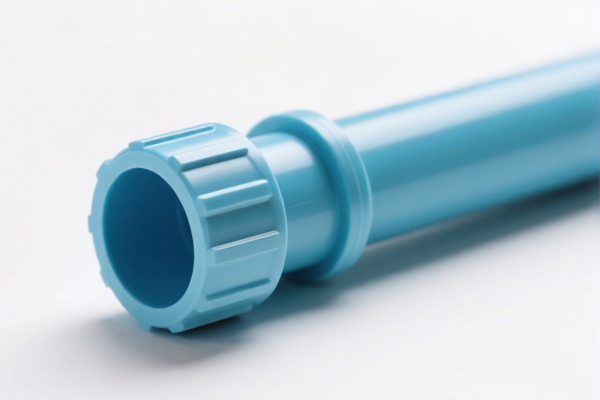
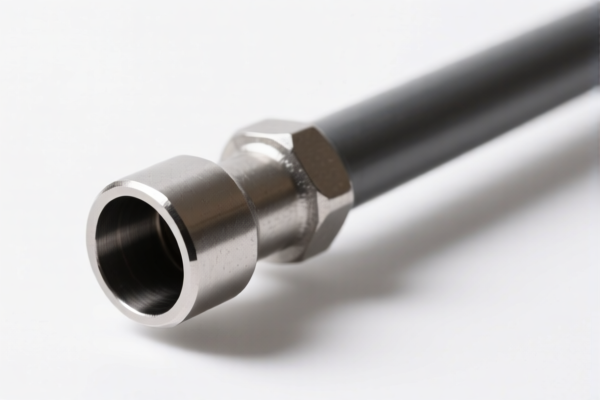

AI Analysis
🏗️ Steel Pipe (合金钢管 / 钢管)
🌐 HS Code Reference & Customs Clearance Guide | 2026 Tax Rate Breakdown | Professional Clearance Strategy
📌 一、Product Definition & Classification: Do You Really Know "Steel Pipe"?
Steel Pipe is a fundamental material in construction, energy, petrochemical, and mechanical manufacturing. In international trade, steel pipes are categorized by material composition, manufacturing process (seamless vs. welded), and surface treatment.
The Critical Distinction: * Alloy Steel Pipe (合金钢管): Contains significant amounts of alloying elements (Cr, Ni, Mo, etc.) for high strength/heat resistance. Higher risk of high tariffs (35%). * Iron/Non-Alloy Steel Pipe (铁或非合金钢): Standard carbon steel. Generally lower tax burden unless treated (e.g., Galvanized). * Shape: Seamless (无缝管) vs. Welded (焊接管) vs. General Pipe (管).
⚠️ Key Classification Point:
- If it is Alloy Steel (regardless of shape), it falls under specific sub-categories with high punitive tariffs. - If it is Galvanized (Zinc-coated) and made of Iron/Non-Alloy Steel, the tariff structure is significantly different. - Seamless Alloy pipes often have a slightly different tax rate than General Alloy pipes.
📦 二、HS Code Classification Details (Based on Provided Data)
| HS Code | Product Description | Material | Shape/Form | Tax Rate |
|---|---|---|---|---|
7306.90.50.00 |
Alloy Steel Pipe (合金钢管) | Alloy Steel | General Pipe (管) | 35.0% |
7304.90.30.00 |
Seamless Alloy Steel Pipe (合金无缝管) | Alloy Steel | Seamless (无缝管) | 17.5% |
7306.19.51.10 |
Alloy Steel Pipe (合金钢管) | Alloy Steel | General Pipe (管) | 35.0% |
7304.59.80.25 |
Alloy Steel Pipe (合金钢管) | Alloy Steel | Steel Pipe (钢管) | 35.0% |
7306.30.50.33 |
Galvanized Steel Pipe (镀锌钢管) | Iron/Non-Alloy Steel | Welded Round Pipe (焊接圆管) | 10.0% |
🔍 Critical Analysis:
- Alloy Steel Pipes (7306...,7304.59...,7304.90...) generally face a Total Tax of 35% or 17.5%. - Seamless Alloy pipes (7304.90.30.00) enjoy a reduced Total Tax of 17.5% compared to welded/general alloy pipes (35%). - Galvanized Iron Pipes (7306.30.50.33) are the "low cost" option with a Total Tax of 10%, as they are made of non-alloy steel.
💰 三、2026 Latest Tax Rate Breakdown (Detailed Tariff Clauses)
✅ Applicable Context: Import into US (assuming 122 Clause context from data)
✅ Origin: China (CN)
✅ Effective: Based on provided "122 Clause" data.
🎯 1. High-Tax Scenario: Alloy Steel Pipe (7306.90.50.00, 7306.19.51.10, 7304.59.80.25)
Total Tax: 35.0%
| Component | Rate | Description |
|---|---|---|
| Base Tariff (基础关税) | 0.0% | Standard Most-Favored-Nation (MFN) rate is often 0% for steel pipes. |
| Additional Tariff (加征关税) | 25.0% | Likely Section 301 Tariff (301 List 3) or similar punitive measure on steel. |
| "122 Clause" Tariff | 10.0% | Specific punitive clause (e.g., Section 232 or new legislative clause) applied to specific steel products. |
| Calculation | CIF × 35% | High Cost Alert! |
| De Minimis Exemption | ❌ No | Steel products are generally excluded from low-value exemptions. |
📌 Explanation:
The 35% rate is a composite of three components: 1. Base: 0% (Standard trade). 2. Section 301/301-like: 25% (Added tax on specific Chinese steel imports). 3. Clause 122: 10% (Targeted anti-dumping/countervailing or national security measure). Result: Even if the base is free, the total duty is 35%.
🎯 2. Medium-Tax Scenario: Seamless Alloy Steel Pipe (7304.90.30.00)
Total Tax: 17.5%
| Component | Rate | Description |
|---|---|---|
| Base Tariff (基础关税) | 0.0% | Standard rate. |
| Additional Tariff (加征关税) | 7.5% | Reduced punitive rate compared to welded/general alloy pipes (25%). |
| "122 Clause" Tariff | 10.0% | Applies universally to steel pipes in this context. |
| Calculation | CIF × 17.5% | Moderate Cost |
| De Minimis Exemption | ❌ No | Still excluded. |
📌 Explanation:
Why is it lower? Seamless pipes (7304.90.30.00) often fall under a different sub-list in trade war exemptions or have a lower 301 tariff rate (7.5%) compared to welded/general alloy pipes (25%). Total = 7.5% + 10% = 17.5%.
🎯 3. Low-Tax Scenario: Galvanized Welded Pipe (7306.30.50.33)
Total Tax: 10.0%
| Component | Rate | Description |
|---|---|---|
| Base Tariff (基础关税) | 0.0% | Standard rate. |
| Additional Tariff (加征关税) | 0.0% | No Section 301/Punitive tax on standard galvanized iron pipes in this specific data set. |
| "122 Clause" Tariff | 10.0% | Applies to this specific HS Code. |
| Calculation | CIF × 10% | Lowest Cost Option |
| De Minimis Exemption | ❌ No | Still excluded. |
📌 Explanation:
Since this is made of Iron/Non-Alloy Steel (not Alloy Steel), it escapes the heavy 25% or 7.5% "Add-on" tariffs. Total = 0% + 10% = 10%.
🛠️ 四、Customs Clearance Practical Advice (Actionable Tips)
✅ 1. Preparation Checklist (Must-Have Documents)
| Document | Required? | Purpose |
|---|---|---|
| Material Certificate (Mill Test Report) | ✅ YES | Crucial to prove "Alloy" vs. "Non-Alloy" status. Without this, Customs may default to the highest rate. |
| Manufacturing Process Spec | ✅ YES | Must specify Seamless (Weldless) vs. Welded vs. Seamless. |
| Surface Treatment Doc | ✅ YES | Prove if it is Galvanized (镀锌) to qualify for the 10% rate. |
| Dimension Drawing | ✅ YES | Outer diameter, wall thickness (affects classification). |
| Commercial Invoice | ✅ YES | Must clearly state: "Alloy Steel Seamless Pipe" or "Galvanized Welded Pipe". |
| Bill of Lading | ✅ YES | Standard shipping doc. |
✅ 2. Declaration Strategy (The "Golden Rule")
🔥 Rule of Thumb: "Prove the Material, Prove the Process, Avoid the 35% Trap!"
| Scenario | Correct Declaration | Risk if Wrong |
|---|---|---|
| Alloy Steel, Welded/General | 7306.90.50.00 or 7304.59.80.25 |
Correct (35%); No penalty. |
| Alloy Steel, Seamless | 7304.90.30.00 |
CRITICAL: If declared as "General", you pay 35%. If declared as "Seamless", you pay 17.5% (Save 17.5%!). |
| Galvanized Iron Pipe | 7306.30.50.33 |
If declared as "Alloy", you pay 35%. If declared as "Galvanized Iron", you pay 10%. |
| Alloy Pipe (Unknown Process) | Do Not Declare | Customs will audit and likely assign the highest rate (35%) until proven otherwise. |
✅ 3. Special Cases & Pitfalls
| Situation | Handling Advice |
|---|---|
| Customs asks: "Is it Alloy?" | Provide the Mill Test Certificate (MTC). If Cr < 0.3%, it's "Non-Alloy" (Iron). |
| Is it Seamless? | Provide a photo of the cross-section or a mill certificate stating "Seamless" (无缝). |
| Galvanized Pipe | Ensure the coating thickness is documented. Sometimes "Galvanized" has different HS codes based on thickness, but 7306.30.50.33 is the key here. |
| "122 Clause" Ambiguity | Verify if your specific pipe product list is on the "122" exclusion list. If not, the 10% is mandatory. |
🌍 五、Global Market Comparison (2026 Context)
| Region | Recommended HS Code | Est. Total Duty | Key Requirement |
|---|---|---|---|
| 🇺🇸 USA | 7306.90.50.00 (Alloy) / 7306.30.50.33 (Galv) |
35% (Alloy) / 10% (Galv) | Section 301 + Clause 122 Enforcement. |
| 🇨🇳 China | 7306.90.50.00 |
~10% (Import Duty) | Standard Import Duty (No 122 Clause). |
| 🇪🇺 EU | 7306.90.50.00 |
0% - 4% (Subject to AD/CVD) | Anti-Dumping Duties often apply to Chinese steel. |
📌 Conclusion:
- USA is the most complex market due to the 35% total tax on Alloy Steel and Clause 122. - Alloy vs. Non-Alloy is the biggest cost driver. - Seamless vs. Welded is the second biggest cost driver (17.5% vs 35%).
📌 六、Common Mistakes & How to Avoid Them
❌ Mistake 1: Declaring Seamless Alloy Pipe as General Alloy Pipe (7304.90.30.00 → 7306.90.50.00)
👉 Consequence: Paying 35% instead of 17.5%. Loss of 17.5% on CIF value.
❌ Mistake 2: Declaring Galvanized Iron Pipe as Alloy Steel Pipe 👉 Consequence: Paying 35% instead of 10%. Unnecessary Cost.
❌ Mistake 3: Missing the Mill Test Certificate 👉 Consequence: Customs will not accept "Non-Alloy" claim. They will default to the highest risk category (Alloy).
✅ Correct Action:
"Provide a detailed Mill Test Report showing chemical composition (Cr, Ni, Mo levels) and manufacturing process (Seamless vs. Welded)."
🎯 七、Conclusion: Smart Classification, High Savings!
🎯 Remember the Formula:
🔹 "Alloy + Welded = 35%"
🔹 "Alloy + Seamless = 17.5%"
🔹 "Iron + Galvanized = 10%"
🔹 "Alloy + No Proof = 35% (Default)"
📌 Pro Tip:
If you are importing Alloy Steel Pipes, check if you can switch to Seamless manufacturing to cut taxes by half (17.5%). If you are importing Structural Pipes (not high-pressure), consider Galvanized Non-Alloy pipes to pay only 10%.
✨ Professional Clearance Starts with Accurate Classification!
💼 Your cost savings depend on the HS Code you choose!
Customer Reviews
About HS Code Classification
The Harmonized System (HS) is an internationally standardized nomenclature developed by the World Customs Organization (WCO) to classify traded products. Over 200 countries use the HS system as the basis for customs tariffs, trade statistics, and import/export regulations.
Each HS code follows a hierarchical structure:
- Chapter (2 digits) — Broad category of goods (e.g., Chapter 84: Machinery and Mechanical Appliances)
- Heading (4 digits) — More specific grouping within the chapter
- Subheading (6 digits) — Internationally standardized breakdown, used by all WCO member countries
- National subdivisions (8-10 digits) — Country-specific extensions for further classification, such as US HTSUS 10-digit codes
Correct HS code classification is essential for smooth customs clearance, accurate duty payment, and compliance with trade regulations. Misclassification can lead to customs delays, overpayment of duties, or penalties.
When importing from CN to US, the applicable tariff rates may include:
- Most-Favored-Nation (MFN) rate — The standard duty rate applied to WTO members
- General rate — Applied to countries without trade agreements
- Trade remedy duties — Additional tariffs such as Section 301 (anti-dumping), Section 232 (national security), or countervailing duties
The information provided on this page is for reference purposes only. For official classification, please consult with your local customs authority or a licensed customs broker.