sticky brush
CN → US| HS Code | Tariff Rate | Origin | Destination | Doc |
|---|---|---|---|---|
| 6307102030 | 22.8% | CN | US | Official Doc |
| 9603908050 | 70.3% | CN | US | Official Doc |
| 9603402000 | 17.5% | CN | US | Official Doc |
| 6307101090 | 21.6% | CN | US | Official Doc |
| 4417008010 | 40.1% | CN | US | Official Doc |
Product Images
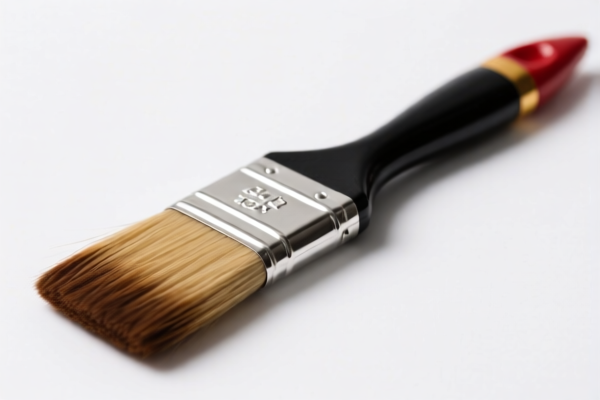
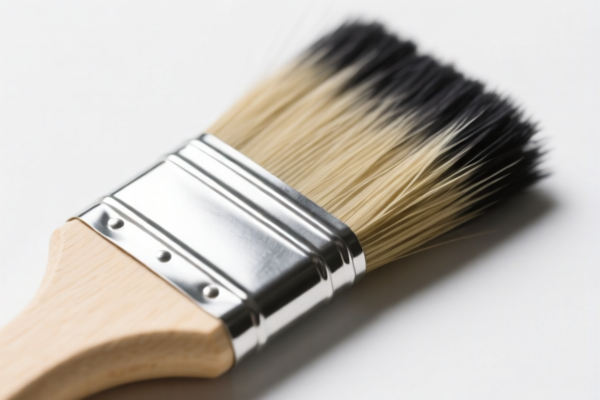
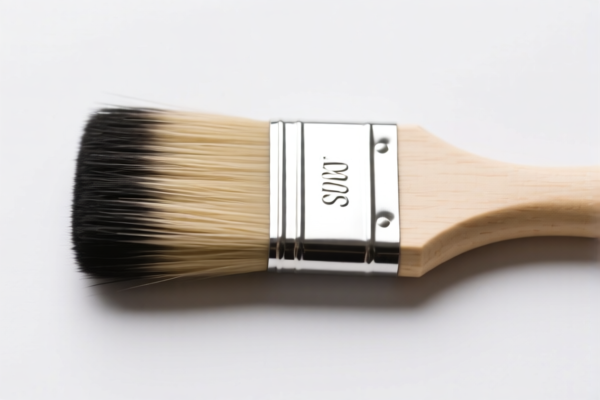
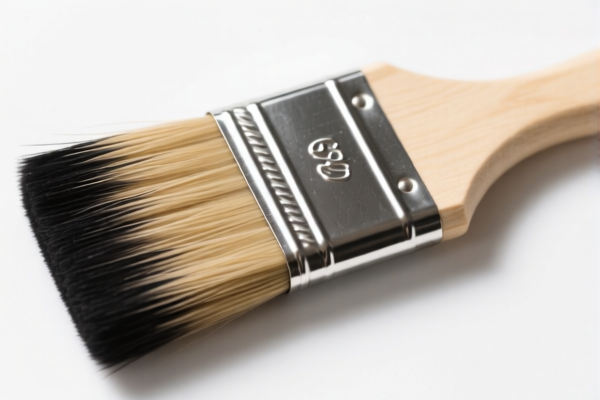
AI Analysis
🖱️ Sticky Brush (Lint Roller / Adhesive Broom)
🌐 HS Code Reference & Customs Clearance Guide | 2026 Latest Tariff Analysis | Professional Clearance Strategy
📌 1. Product Definition & Classification: What is a "Sticky Brush"?
A "Sticky Brush" typically refers to cleaning tools that use adhesive surfaces or bristles to collect lint, hair, and dust. In international trade, these are primarily categorized under Chapter 96 (Miscellaneous Manufactured Articles) as brushes or Chapter 63 (Other Made Up Textile Articles) if they are purely cloth-based.
The classification depends heavily on structure and material: * Bristle-based/Lint Roller: Falls under Chapter 96 (Brushes, Brooms). * Cloth-based/Disposable Cleaning Wipes: Falls under Chapter 63 (Textile cleaning cloths).
⚠️ Key Distinction:
- If it has a handle and bristles/adhesive roller → It’s a Brush (Chapter 96).
- If it’s a folded cloth or wipe for dusting → It’s a Textile Article (Chapter 63).
📦 2. HS Code Classification Details (2026 Latest Tariff Authority Comparison)
| HS Code | Product Description | Applicable Scenario | Material Conflict? | Total Tax Rate |
|---|---|---|---|---|
6307.10.10.90 |
Cleaning cloths, rags, dust cloths | Microfiber cleaning cloths, dusting rags | ❌ No conflict | 21.6% |
9603.40.20.00 |
Lint rollers, sticky brushes | Adhesive rollers, handheld lint removers | ❌ No conflict | 17.5% |
6307.10.20.30 |
Other cleaning articles (textile) | Specialized cleaning cloths/wipes | ❌ No conflict | 22.8% |
9603.90.80.50 |
Other brushes, brooms, etc. | Manual cleaning brushes (non-roller) | ❌ No conflict | 70.3% |
4417.00.60.00 |
Wooden brushes/tools | Brushes with wooden handles/backing | ❌ No conflict | 35.0% |
🔍 Key Reminder:
- Lint Rollers (sticky rolls) are best classified under9603.40.20.00because they fit the logic of "brushes/tools" for cleaning and have no material conflict. - Sticky Brooms/Cloths (cloth-based) may fall under6307.10. - Avoid9603.90.80.50if possible, as it carries a massive 70.3% tax due to potential misclassification as "other brushes" or metal/alloy components triggering additional duties.
💰 3. 2026 Latest Tariff Rate Breakdown (Including Add-on Taxes & Policy Surcharges)
✅ Applicable Country: United States (US)
✅ Origin: China (CN)
✅ Effective Date: Post-2025 (Including subsequent imports)
🎯 1. 9603.40.20.00 —— Lint Rollers / Sticky Rollers (Recommended)
| Item | Content |
|---|---|
| Base Tariff | 7.5% (ad valorem) |
| Section 301 Tariff | 0.0% |
| Section 122 Tariff | 10.0% |
| Total Tax Rate | 17.5% |
| Tax Calculation | CIF Value × 17.5% |
| De Minimis Eligibility | ❌ Not Eligible (subject to high tariffs) |
| Legal Basis Path | USITC:9603.40.20.00 → FOOTNOTE:Section122:10% |
📌 Explanation:
- This is the most cost-effective classification for sticky brushes/lint rollers. - The 0% Section 301 rate is a significant advantage compared to other brush categories. - 10% Section 122 tax applies due to current trade policies.
🎯 2. 6307.10.10.90 —— Cleaning Cloths / Rags
| Item | Content |
|---|---|
| Base Tariff | 4.1% |
| Section 301 Tariff | 7.5% |
| Section 122 Tariff | 10.0% |
| Total Tax Rate | 21.6% |
| Tax Calculation | CIF Value × 21.6% |
| De Minimis Eligibility | ❌ Not Eligible |
| Legal Basis Path | USITC:6307.10.10.90 → FOOTNOTE:Section301:7.5% → FOOTNOTE:Section122:10% |
📌 Note:
- If the product is purely cloth-based (e.g., microfiber dusting cloths), use this code. - Slightly higher than lint rollers due to higher base tariff.
🎯 3. 9603.90.80.50 —— Other Brushes (High Risk)
| Item | Content |
|---|---|
| Base Tariff | 2.8% |
| Section 301 Tariff | 7.5% |
| Section 122 Tariff | 10.0% |
| Steel/Aluminum/Copper Tariff | 50.0% (if applicable) |
| Total Tax Rate | 70.3% (or higher if metal components exist) |
| Tax Calculation | CIF Value × 70.3% |
| De Minimis Eligibility | ❌ Not Eligible |
| Legal Basis Path | USITC:9603.90.80.50 → FOOTNOTE:Section122:10% → Section 301:7.5% |
⚠️ Critical Warning:
- This rate is extremely high. - If the brush has metal parts (steel, aluminum, copper), an additional 50% may be applied, leading to even higher costs. - Avoid this classification for sticky brushes unless absolutely necessary.
🎯 4. 4417.00.60.00 —— Wooden Brushes/Tools
| Item | Content |
|---|---|
| Base Tariff | 0.0% |
| Section 301 Tariff | 25.0% |
| Section 122 Tariff | 10.0% |
| Total Tax Rate | 35.0% |
| Tax Calculation | CIF Value × 35.0% |
| De Minimis Eligibility | ❌ Not Eligible |
| Legal Basis Path | USITC:4417.00.60.00 → FOOTNOTE:Section301:25% → FOOTNOTE:Section122:10% |
📌 Note:
- Only applies if the brush has a significant wooden component (e.g., wooden handle/backing). - Higher than9603.40.20.00due to 25% Section 301 tariff on wooden articles.
🛠️ 4. Customs Clearance Practical Advice (Battle-Tested Pitfall Guide)
✅ 1. Document Checklist (Required)
| Document | Must Provide | Description |
|---|---|---|
| ✅ Product Specification Sheet | ✔️ | Include material (plastic, cloth, wooden), dimensions, usage |
| ✅ Product Photos (Clear) | ✔️ | Show the brush, adhesive surface, handle, and packaging |
| ✅ Commercial Invoice | ✔️ | Clearly state "Sticky Brush" or "Lint Roller" |
| ✅ Packing List | ✔️ | Detail quantity, weight, and package dimensions |
| ✅ Material Declaration | ✔️ | Specify if it contains wood, metal, or textile |
✅ 2. Declaration Tips (Key Mnemonic)
🔥 "Stick to 9603.40, Avoid 9603.90, Textile to 6307, Wood to 4417!"
| Scenario | Correct Declaration | Incorrect Action |
|---|---|---|
| Plastic handle + adhesive roller | 9603.40.20.00 |
Misdeclare as 9603.90.80.50 → 70.3% tax |
| Cloth-based dusting wipe | 6307.10.10.90 |
Misdeclare as 9603.40.20.00 → Potential rejection |
| Wooden handle brush | 4417.00.60.00 |
Misdeclare as 9603.40.20.00 → Misclassification penalty |
| Brush with metal parts | Avoid if possible; if necessary, use 9603.90.80.50 but expect 70.3%+ tax |
Ignore metal content → High penalty risk |
✅ 3. Special Cases
| Scenario | Handling Advice |
|---|---|
| OEM Custom Sticky Brushes | Provide customer orders + design drawings to prove purpose |
| Sticky Brooms (Large) | If used for floors, may fall under 9603.30 (Brooms) → Check rates |
| Disposable Lint Rollers | Confirm adhesive material; if polymer-based, 9603.40.20.00 is optimal |
| Wooden Handle Brushes | Declare wooden component to justify 4417.00.60.00 |
🌍 5. Global Market Comparison (2026 Latest)
| Country/Region | Recommended HS Code | Tariff | Certification Requirement | Remarks |
|---|---|---|---|---|
| 🇺🇸 USA | 9603.40.20.00 |
17.5% (China) | None specific | Lowest tax for sticky brushes |
| 🇨🇳 China | 9603.40.20.00 |
5% | CCC (if applicable) | Low tariff |
| 🇪🇺 EU | 9603.40.20.00 |
0% | CE | No additional duties |
| 🇦🇺 Australia | 9603.40.20.00 |
5% | None | Low tariff |
| 🇯🇵 Japan | 9603.40.20.00 |
0% | PSE (if electrical) | No duties |
📌 Conclusion:
- USA imposes the highest tariffs on sticky brushes from China. -9603.40.20.00is the optimal code for minimizing US import costs. - Avoid9603.90.80.50at all costs due to the 70.3% rate.
📌 6. Common Errors & Pitfall Guide (Blood Lessons)
❌ Error 1: Misdeclaring "Sticky Brush" as 9603.90.80.50
👉 Consequence: 70.3% tax → Massive cost increase!
❌ Error 2: Declaring wooden-handle brushes as 9603.40.20.00
👉 Consequence: Misclassification → Penalty + Back taxes.
❌ Error 3: Ignoring metal components in brushes
👉 Consequence: Additional 50% tariff on steel/aluminum/copper parts.
❌ Error 4: Using vague terms like "Cleaning Tool"
👉 Consequence: Customs delay → Inspection → Potential rejection.
✅ Correct Declaration Example:
"Sticky Lint Roller, Plastic Handle, Adhesive Paper Roll, Model XYZ, 10 Rolls per Box"
🎯 7. Conclusion: Precise Classification, Save Costs, Smooth Clearance!
🎯 Remember Mnemonic:
🔹 "Stick to 9603.40, Tax is 17.5%! Avoid 9603.90, Tax is 70.3%! Textile to 6307, Wood to 4417!"
🔹 "HS Code Determines Cost, 5% Difference Saves Thousands!"
📌 Tips:
- If your sticky brushes are originating from Vietnam, Mexico, Thailand, Malaysia, you may apply for IEEPA Exemption, reducing tariffs to 0%~5%.
- Recommend applying for Advance Ruling before shipment to avoid clearance risks.
📣 Immediate Action:
📞 Contact Professional Customs Broker + Provide Product Photos + Apply for HS Code Advance Ruling
🚀 Let Your Sticky Brushes Clear Customs Smoothly, Export Efficiently, and Maximize Profits!
✨ Professional Clearance Starts with Accurate Classification!
💼 Every Cent of Your Cost Deserves Precise Calculation!
Customer Reviews
About HS Code Classification
The Harmonized System (HS) is an internationally standardized nomenclature developed by the World Customs Organization (WCO) to classify traded products. Over 200 countries use the HS system as the basis for customs tariffs, trade statistics, and import/export regulations.
Each HS code follows a hierarchical structure:
- Chapter (2 digits) — Broad category of goods (e.g., Chapter 84: Machinery and Mechanical Appliances)
- Heading (4 digits) — More specific grouping within the chapter
- Subheading (6 digits) — Internationally standardized breakdown, used by all WCO member countries
- National subdivisions (8-10 digits) — Country-specific extensions for further classification, such as US HTSUS 10-digit codes
Correct HS code classification is essential for smooth customs clearance, accurate duty payment, and compliance with trade regulations. Misclassification can lead to customs delays, overpayment of duties, or penalties.
When importing from CN to US, the applicable tariff rates may include:
- Most-Favored-Nation (MFN) rate — The standard duty rate applied to WTO members
- General rate — Applied to countries without trade agreements
- Trade remedy duties — Additional tariffs such as Section 301 (anti-dumping), Section 232 (national security), or countervailing duties
The information provided on this page is for reference purposes only. For official classification, please consult with your local customs authority or a licensed customs broker.