stool cover
CN → US| HS Code | Tariff Rate | Origin | Destination | Doc |
|---|---|---|---|---|
| 6304910170 | 23.3% | CN | US | Official Doc |
| 6304996040 | 20.7% | CN | US | Official Doc |
| 3926305000 | 22.8% | CN | US | Official Doc |
| 9401991020 | 17.5% | CN | US | Official Doc |
| 9401999021 | 10.0% | CN | US | Official Doc |
Product Images
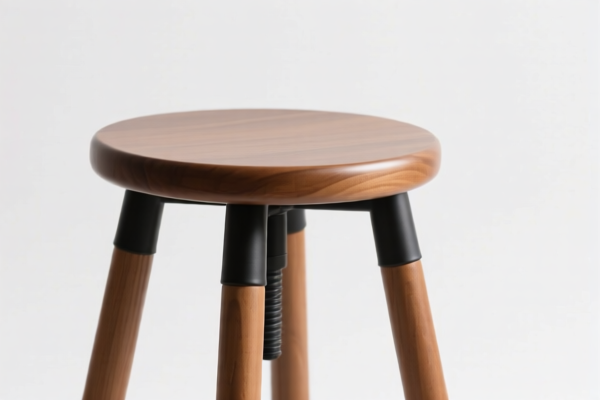
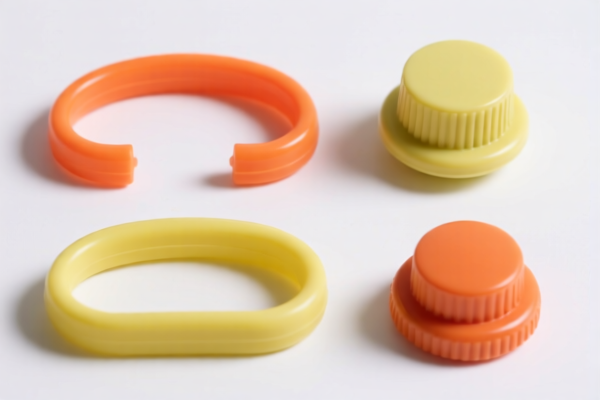
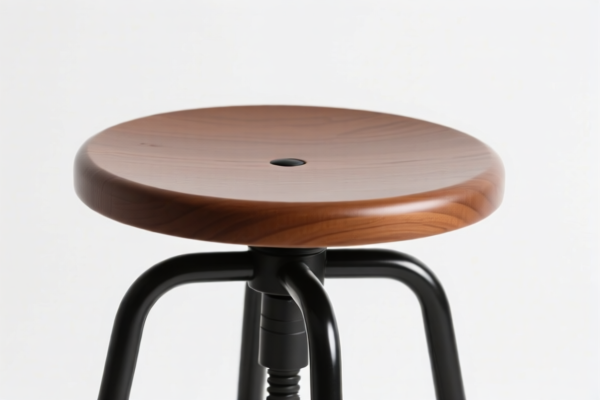
AI Analysis
🛋️ Stool Covers (Seat Covers for Stools)
🌐 HS Code Reference & Customs Clearance Guide | 2026 Latest Tariff Analysis | Professional Clearance Strategy
📌 I. Product Definition & Classification: Do You Really Understand "Stool Covers"?
Stool covers, also known as seat covers or chair slipcovers, are essential accessories for home furniture. In international trade, their classification depends heavily on material composition (knitted vs. non-knitted, plastic, etc.) and functional role (textile accessory vs. furniture part). Misclassification can lead to significant tariff discrepancies.
⚠️ Key Distinction Points:
- Knitted/Hook-knitted Textile: Falls under Chapter 63 (Other made-up textile articles).
- Non-knitted Textile: Also falls under Chapter 63 but with different base rates.
- Plastic Material: Falls under Chapter 39 (Plastics and articles thereof).
- Furniture Part/Accessory: Falls under Chapter 94 (Furniture), specifically as a part of seating.
📦 II. HS Code Classification Details (2026 Latest Tariff Authority Comparison)
| HS Code | Product Description | Material/Logic | Application Scenario |
|---|---|---|---|
6304.91.01.70 |
Made-up furnishing articles (Knitted/Hook-knitted) | Knitted or Hook-knitted Textile | Fabric covers made from knitting material |
6304.99.60.40 |
Made-up furnishing articles (Other) | Non-knitted/Non-hook-knitted Textile | Woven or felted fabric covers |
3926.30.50.00 |
Other articles of plastics | Plastic Material | Vinyl, PVC, or other plastic covers |
9401.99.10.20 |
Parts of seats (Textile/Leather) | Textile or Leather Material | Covers classified as furniture accessories |
9401.99.90.21 |
Parts of seats (Cut/Shape) | Textile Material (Pre-cut) | Pre-shaped, ready-to-fit textile seat covers |
🔍 Key Reminder:
- Chapter 63 Codes are for "Furnishing Articles" (general textile goods).
- Chapter 94 Codes are for "Parts of Furniture." If the cover is specifically shaped for a stool and sold as a furniture part, Chapter 94 may apply, often with lower base tariffs.
- Material is King: Always verify if the item is knitted, woven, or plastic.
💰 III. 2026 Latest Tariff Rate Breakdown (Including Surcharges & Policy Add-ons)
✅ Applicable Country: United States (US)
✅ Origin: China (CN)
✅ Effective Date: 2025/2026 (Including subsequent imports)
🎯 1. 6304.91.01.70 —— Knitted/Hook-knitted Furnishing Articles
| Item | Details |
|---|---|
| Base Tariff | 5.8% |
| Section 301 Surcharge | +7.5% |
| Section 122 Surcharge | +10.0% |
| Total Tariff Rate | 23.3% |
| Calculation Basis | CIF Value × 23.3% |
| De Minimis Exemption | ❌ Not Applicable |
| Legal Basis Path | Base (5.8%) + S301 (7.5%) + 122 (10%) |
📌 Explanation:
- Base 5.8%: Standard MFN rate for knitted textile furnishings.
- 7.5% Section 301: Trade war surcharge for specific textile categories from China.
- 10% Section 122: Additional administrative/trade enforcement surcharge.
- Total: 23.3%. High cost; ensure material is truly knitted to avoid misclassification penalties.
🎯 2. 6304.99.60.40 —— Other Made-up Furnishing Articles (Non-knitted)
| Item | Details |
|---|---|
| Base Tariff | 3.2% |
| Section 301 Surcharge | +7.5% |
| Section 122 Surcharge | +10.0% |
| Total Tariff Rate | 20.7% |
| Calculation Basis | CIF Value × 20.7% |
| De Minimis Exemption | ❌ Not Applicable |
| Legal Basis Path | Base (3.2%) + S301 (7.5%) + 122 (10%) |
📌 Note:
- Lower base rate (3.2%) than knitted versions.
- Applicable for woven cotton, polyester, or blended non-knitted fabrics.
- Savings: 2.6% lower than knitted variant (6304.91.01.70).
🎯 3. 3926.30.50.00 —— Other Articles of Plastics
| Item | Details |
|---|---|
| Base Tariff | 5.3% |
| Section 301 Surcharge | +7.5% |
| Section 122 Surcharge | +10.0% |
| Total Tariff Rate | 22.8% |
| Calculation Basis | CIF Value × 22.8% |
| De Minimis Exemption | ❌ Not Applicable |
| Legal Basis Path | Base (5.3%) + S301 (7.5%) + 122 (10%) |
📌 Important:
- Applies to PVC, Vinyl, or Plastic stool covers.
- Do not classify plastic covers as textiles; this is a common customs error leading to delays.
🎯 4. 9401.99.10.20 —— Parts of Seats (Textile/Leather)
| Item | Details |
|---|---|
| Base Tariff | 0.0% |
| Section 301 Surcharge | +7.5% |
| Section 122 Surcharge | +10.0% |
| Total Tariff Rate | 17.5% |
| Calculation Basis | CIF Value × 17.5% |
| De Minimis Exemption | ❌ Not Applicable |
| Legal Basis Path | Base (0.0%) + S301 (7.5%) + 122 (10%) |
📌 Explanation:
- Zero Base Tariff: Classified as a "Part of Furniture" rather than a general textile.
- Material: Typically textile or leather.
- Benefit: 3.2% cheaper than non-knitted textiles (6304.99.60.40).
🎯 5. 9401.99.90.21 —— Parts of Seats (Cut/Shape)
| Item | Details |
|---|---|
| Base Tariff | 0.0% |
| Section 301 Surcharge | 0.0% |
| Section 122 Surcharge | +10.0% |
| Total Tariff Rate | 10.0% |
| Calculation Basis | CIF Value × 10.0% |
| De Minimis Exemption | ❌ Not Applicable |
| Legal Basis Path | Base (0.0%) + S301 (0.0%) + 122 (10%) |
📌 Critical Insight:
- Lowest Total Rate: Only 10% total duty.
- Conditions: Must be classified as a "Part of Seats" (HS 9401) AND qualify for Section 301 Exclusion (0% surcharge) for this specific subheading.
- Material: Textile material, cut and shaped.
- Verification: Ensure the product is explicitly described as a "Seat Part" and not a "General Furnishing Article" to qualify for the 0% Section 301 rate on this specific code.
🛠️ IV. Customs Clearance Practical Advice (Pitfall Avoidance Guide)
✅ 1. Documentation Checklist (Mandatory)
| Document | Required | Description |
|---|---|---|
| ✅ Product Specification | ✔️ | Material composition (e.g., "100% Cotton, Knitted"), dimensions, fit type |
| ✅ Material Certificate | ✔️ | Proof of textile vs. plastic vs. leather |
| ✅ Product Photos | ✔️ | Clear images showing fit, stitching, and any labels |
| ✅ Commercial Invoice | ✔️ | Must state "Stool Cover, Part of Furniture" if using HS 9401 |
| ✅ Packing List | ✔️ | Item count, gross/net weight |
✅ 2. Declaration Strategy (Key Mantra)
🔥 "Shape Matters, Material Defines, Chapter 94 Saves!"
| Scenario | Correct Declaration | Wrong Practice |
|---|---|---|
| Generic fabric cover | 6304.99.60.40 (Textile) |
Mislabel as "Furniture Part" → Audit Risk |
| Pre-cut, shaped cover | 9401.99.90.21 (Seat Part) |
Declare as "Textile Article" → Miss 0% S301 benefit |
| Vinyl/PVC cover | 3926.30.50.00 (Plastic) |
Declare as "Textile" → Classification Error |
| Knitted slipcover | 6304.91.01.70 (Knitted) |
Declare as "Woven" → Incorrect Base Rate |
✅ 3. Special Considerations
| Situation | Handling Advice |
|---|---|
| Section 301 Exclusion | Check if 9401.99.90.21 qualifies for exclusion. If yes, total duty drops to 10%. |
| OEM Custom Covers | Provide design sheets showing custom cut/shaping to support "Part of Seat" classification. |
| Mixed Material | If cover has plastic backing, consult ruling; often classified by essential character. |
| Pre-cut vs. Raw Fabric | Raw fabric cannot be HS 9401. Must be "Made-up" (cut/sewn) to qualify for furniture parts. |
🌍 V. Global Market Clearance Comparison (2026 Latest)
| Country/Region | Recommended HS Code | Tariff (China Origin) | Certification | Notes |
|---|---|---|---|---|
| 🇺🇸 USA | 9401.99.90.21 |
10% | None | Lowest rate if qualified as seat part |
| 🇨🇳 China | 6304.99.60.40 |
Varies | N/A | Domestic trade not covered here |
| 🇪🇺 EU | 6304.91 / 6304.99 |
0-12% | CE (if applicable) | No Section 301/122 equivalents |
| 🇬🇧 UK | 6304.91 / 6304.99 |
0-12% | UKCA | Post-Brexit rules apply |
📌 Conclusion:
- The USA has the most complex tariff structure due to Section 301 and Section 122.
- HS 9401.99.90.21 offers the lowest cost (10%) if the product is clearly a "Shaped Seat Part."
- For general textile covers, expect 20.7% - 23.3% total duty.
📌 VI. Common Errors & Pitfalls (Blood Lessons)
❌ Error 1: Classifying a shaped stool cover as a general textile (6304)
👉 Consequence: Pay 20.7% instead of 10%. Lost Profit!
❌ Error 2: Declaring plastic covers as textiles
👉 Consequence: Customs rejection, reclassification penalty, and delays.
❌ Error 3: Not specifying Knitted vs. Non-knitted
👉 Consequence: Customs may assign the higher 5.8% base rate instead of 3.2%.
❌ Error 4: Assuming "Furniture Cover" = "Furniture Part"
👉 Consequence: Must be pre-cut/shaped and integral to the seat to qualify for HS 9401.
✅ Correct Practice:
"Stool Cover, Pre-cut and Shaped, 100% Cotton Knitted, Part of Furniture, Model SC-001"
→ Use9401.99.90.21for best rates.
🎯 VII. Conclusion: Precise Classification for Maximum Savings!
🎯 Remember the Mantra:
🔹 "Shaped & Cut? Go to 9401!" (Saves Section 301 on specific codes)
🔹 "Plastic? Go to 3926!"
🔹 "Knitted? Pay 23.3%!"
🔹 "Woven? Pay 20.7%!"
📌 Pro Tip:
If your stool covers are custom-cut and shaped, strongly advocate for HS 9401.99.90.21. The difference between 23.3% and 10% is massive for high-volume shipments.
👉 Action: Submit an Advance Ruling Request to CBP to confirm eligibility for HS 9401 classification to lock in the 10% rate.
📣 Immediate Action:
📞 Consult Customs Broker + Provide Cut/Shape Diagrams + Apply for HS Ruling
🚀 Maximize Margins with Accurate HS Codes!
✨ Professional Clearance, Starting with Precision!
💼 Every Percent Saved is Pure Profit!
Customer Reviews
About HS Code Classification
The Harmonized System (HS) is an internationally standardized nomenclature developed by the World Customs Organization (WCO) to classify traded products. Over 200 countries use the HS system as the basis for customs tariffs, trade statistics, and import/export regulations.
Each HS code follows a hierarchical structure:
- Chapter (2 digits) — Broad category of goods (e.g., Chapter 84: Machinery and Mechanical Appliances)
- Heading (4 digits) — More specific grouping within the chapter
- Subheading (6 digits) — Internationally standardized breakdown, used by all WCO member countries
- National subdivisions (8-10 digits) — Country-specific extensions for further classification, such as US HTSUS 10-digit codes
Correct HS code classification is essential for smooth customs clearance, accurate duty payment, and compliance with trade regulations. Misclassification can lead to customs delays, overpayment of duties, or penalties.
When importing from CN to US, the applicable tariff rates may include:
- Most-Favored-Nation (MFN) rate — The standard duty rate applied to WTO members
- General rate — Applied to countries without trade agreements
- Trade remedy duties — Additional tariffs such as Section 301 (anti-dumping), Section 232 (national security), or countervailing duties
The information provided on this page is for reference purposes only. For official classification, please consult with your local customs authority or a licensed customs broker.