storage bag set
CN → US| HS Code | Tariff Rate | Origin | Destination | Doc |
|---|---|---|---|---|
| 4202929100 | 52.6% | CN | US | Official Doc |
| 4202929336 | 52.6% | CN | US | Official Doc |
| 3923900080 | 38.0% | CN | US | Official Doc |
| 3923290000 | 38.0% | CN | US | Official Doc |
| 6307909891 | 24.5% | CN | US | Official Doc |
Product Images
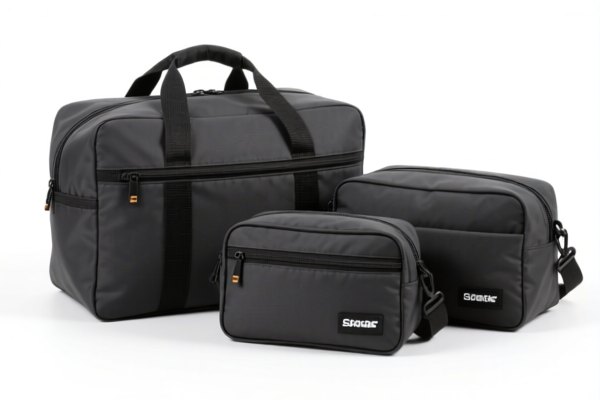
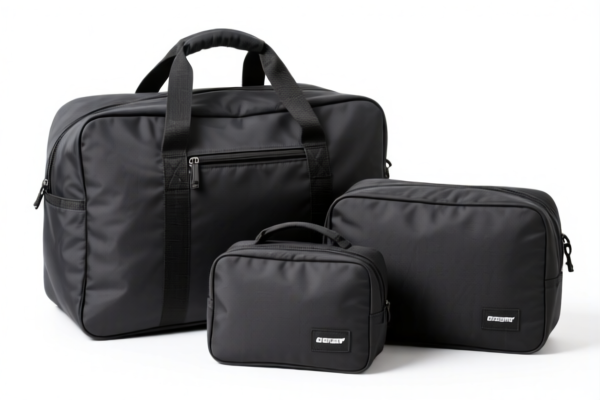
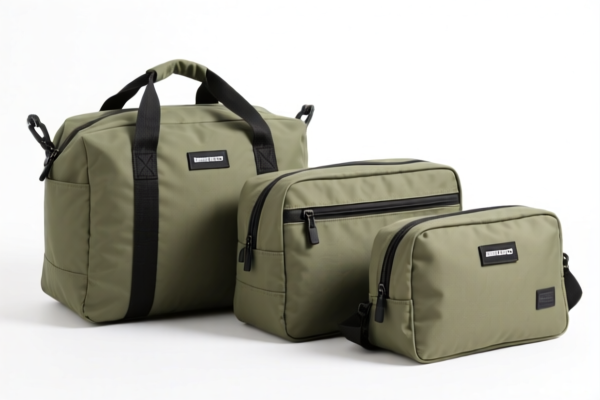
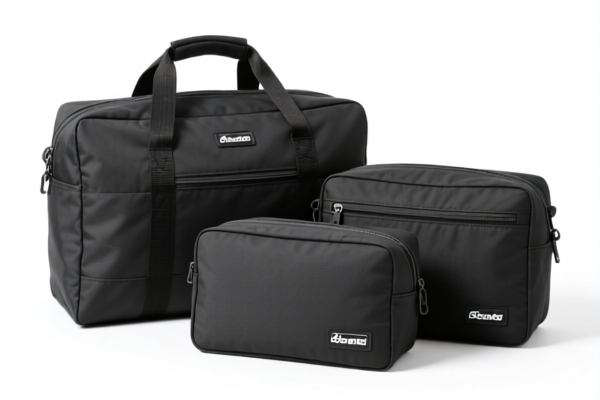
AI Analysis
🎒 Storage Bag Set (收纳包套装)
🌐 HS Code Reference & Customs Clearance Guide | 2026 Latest Tariff Analysis | Professional Customs Strategy
📌 Part 1: Product Definition & Classification: Do You Really Understand "Storage Bags"?
Storage bags are versatile containers used for organizing, protecting, and transporting goods. In international trade, they are primarily classified based on their outer surface material and function. For "Storage Bag Sets," the classification hinges on whether the bag is primarily textile or plastic, and whether it is considered a finished consumer good or a packaging item.
⚠️ Key Distinction Points:
- Textile Surface: If the outer surface is primarily textile materials (fabric, woven material), it falls under Chapter 42.
- Plastic Surface: If the outer surface is primarily plastic sheets or films, it may fall under Chapter 39 (packaging) or Chapter 42 (bags).
- General Purpose vs. Specific Use: If it’s a generic "other" storage solution without a specific industrial use, it may fall under Chapter 63 as a general textile article.
📦 Part 2: HS Code Classification Details (2026 Latest Tariff Authority Comparison)
Based on the provided data, here are the possible HS Codes for "Storage Bag Set," ranked by logical fit and tax implication.
| HS Code | Product Description | Logic & Material Fit | Tax Rate (Total) |
|---|---|---|---|
| 4202.92.91.00 | Travel goods, sack and bag: With outer surface of textile materials: Other: Other | Best Fit for Textile Bags: Explicitly matches bags made of textile materials with no conflict. | 52.6% |
| 4202.92.93.36 | Travel goods, sack and bag: With outer surface of textile materials or plastic sheets: Other | Flexible Fit: Covers bags made of textile OR plastic sheets. No conflict with material description. | 52.6% |
| 3923.90.00.80 | Articles for the conveyance or packaging of goods: Of plastics: Other | Plastic Packaging Logic: Classifies as a general plastic packaging article ("Other"). Fits plastic bags well. | 38.0% |
| 3923.29.00.00 | Articles for the conveyance or packaging of goods: Sacks and bags: Other plastics | Plastic Bag Logic: Specifically targets "sacks and bags" made of other plastics. | 38.0% |
| 6307.90.98.91 | Other made up articles: Other: Other | General Article Logic: Classifies as a general finished consumer good. No material conflict, but higher base duty. | 24.5% |
🔍 Key Note:
- Chapter 42 (4202) is the most common for finished textile bags.
- Chapter 39 (3923) is common for plastic packaging bags or bulk storage sacks.
- Chapter 63 (6307) is a "catch-all" for other textile articles, but has a lower base rate.
💰 Part 3: 2026 Latest Tariff Rate Breakdown (Including Surcharges & Policy Add-ons)
✅ Applicable Country: United States (US)
✅ Origin: China (CN)
✅ Effective Time: 2025/2026 (Current Trade War Context)
🎯 1. 4202.92.91.00 & 4202.92.93.36 —— Textile/Plastic Outer Surface Bags
| Item | Content |
|---|---|
| Base Tariff | 17.6% (Ad Valorem) |
| Section 301 Surcharge | +25.0% (25% additional tariff under USITC Section 301) |
| 122 Clause Surcharge | +10.0% (Additional duty under specific trade clauses) |
| Total Tax Rate | 52.6% |
| Calculation | CIF Value × 52.6% |
| De Minimis Exemption? | ❌ No (Not eligible for de minimis relief for these HS codes) |
| Legal Path | Base: 17.6% → Section 301: +25% → 122 Clause: +10% |
📌 Explanation:
- The 17.6% is the standard Most Favored Nation (MFN) duty for Chapter 42 bags.
- The 25% is the major Section 301 tariff imposed on Chinese goods.
- The 10% is an additional layer from the "122 Clause" (likely referring to specific anti-dumping or countervailing duties, or a specific trade remedy).
- Total: 52.6% is a very high tariff, significantly impacting cost.
🎯 2. 3923.90.00.80 & 3923.29.00.00 —— Plastic Packaging/Storage Bags
| Item | Content |
|---|---|
| Base Tariff | 3.0% (Ad Valorem) |
| Section 301 Surcharge | +25.0% |
| 122 Clause Surcharge | +10.0% |
| Total Tax Rate | 38.0% |
| Calculation | CIF Value × 38.0% |
| De Minimis Exemption? | ❌ No |
| Legal Path | Base: 3.0% → Section 301: +25% → 122 Clause: +10% |
📌 Explanation:
- The 3.0% base rate is much lower than Chapter 42.
- However, the 35% in surcharges (25% + 10%) makes the total 38.0%.
- This is 14.6% cheaper than the textile bag classification.
🎯 3. 6307.90.98.91 —— Other Made-Up Articles (General Textile)
| Item | Content |
|---|---|
| Base Tariff | 7.0% (Ad Valorem) |
| Section 301 Surcharge | +7.5% (Note: Lower surcharge applied here) |
| 122 Clause Surcharge | +10.0% |
| Total Tax Rate | 24.5% |
| Calculation | CIF Value × 24.5% |
| De Minimis Exemption? | ❌ No (Check specific clause applicability) |
| Legal Path | Base: 7.0% → Section 301: +7.5% → 122 Clause: +10% |
📌 Explanation:
- This classification has the lowest total tax rate at 24.5%.
- The Section 301 surcharge is only 7.5% (compared to 25% for Ch 42/39), which is a significant saving.
- Risk: Customs may challenge this if the bag is clearly a "travel good" or "packaging item," requiring strong justification for "other made-up articles."
🛠️ Part 4: Customs Clearance Practical Advice (Real-World Pitfall Guide)
✅ 1. Preparation Checklist (Essential Documents)
| Document | Required | Notes |
|---|---|---|
| ✅ Product Composition | ✔️ | Clearly state % of textile vs. plastic vs. other materials. |
| ✅ Product Photos | ✔️ | Show outer surface material texture. |
| ✅ Commercial Invoice | ✔️ | Describe as "Textile Storage Bag" or "Plastic Storage Bag," NOT just "Set." |
| ✅ Packing List | ✔️ | Detail contents of the set (e.g., 5 bags of different sizes). |
| ✅ Material Certificate | ✔️ | Proving outer surface is textile or plastic. |
✅ 2. Declaration Strategy (Key Mnemonics)
🔥 "Material Defines Code, Set Doesn't Change Duty!"
| Scenario | Correct HS Code | Risk of Wrong Code |
|---|---|---|
| Textile Outer Surface | 4202.92.91.00 |
Misclassifying as 3923 (Plastic) → Penalty + Back Tax |
| Plastic Outer Surface | 3923.29.00.00 |
Misclassifying as 4202 (Textile) → Overpayment (14.6%) |
| Mixed Material (Textile+Plastic) | 4202.92.93.36 |
Must justify "outer surface" dominance. |
| Generic "Other" Article | 6307.90.98.91 |
High risk of customs rejection; only use if no other fit. |
📌 Critical Tip:
- The HS Code is determined by the outer surface material.
- If the bag has a textile outer layer and plastic inner lining, it is Chapter 42.
- If the bag is 100% plastic film, it is Chapter 39.
- Do not split the set into different HS codes; declare as one unit if possible, or use the dominant material for the whole set.
🌍 Part 5: Global Market Comparison (2026)
| Country/Region | Recommended HS Code | Total Tariff (China Origin) | Notes |
|---|---|---|---|
| 🇺🇸 USA | 4202.92.91.00 (Textile) |
52.6% | High due to Section 301 + 122 Clause |
| 🇺🇸 USA | 3923.29.00.00 (Plastic) |
38.0% | Lower base rate, same surcharges |
| 🇺🇸 USA | 6307.90.98.91 (Other) |
24.5% | Lowest rate, but high scrutiny risk |
| 🇪🇺 EU | 4202.92 |
~12% | No Section 301; standard MFN duty |
| 🇨🇳 China | 4202.92 |
~10% | Domestic import duty, no surcharges |
📌 Conclusion:
- USA is the highest cost market due to aggressive trade tariffs.
- Plastic bags (Ch 39) are cheaper than textile bags (Ch 42) in the US due to lower base rates.
- General Articles (Ch 63) offer the lowest tariff but carry the highest classification risk.
📌 Part 6: Common Mistakes & Pitfalls (Blood & Tears Lessons)
❌ Mistake 1: Declaring a textile bag as "Plastic Packaging" (3923) to save tax.
👉 Consequence: Customs inspection reveals textile material → Back taxes + 25% penalty.
❌ Mistake 2: Using 6307.90.98.91 without justification.
👉 Consequence: Customs rejects as "not a made-up article" → Delay + Rerouting to Ch 42.
❌ Mistake 3: Ignoring the "Outer Surface" rule.
👉 Consequence: If the inner material is plastic but outer is textile, it MUST be Ch 42.
✅ Correct Approach:
"Storage Bag Set, Outer Surface: 100% Polyester Textile, Inner: None. 5 Pieces."
→ Use4202.92.91.00
🎯 Part 7: Conclusion: Smart Classification Saves Money!
🎯 Remember the Mnemonic:
🔹 "Outer Surface Rules All"
🔹 "Textile = 52.6%, Plastic = 38.0%, General = 24.5% (Risk!)"
🔹 "Set Doesn't Split Duty!"📌 Pro Tip:
If your storage bags are made of plastic, consider using3923.29.00.00to save 14.6% compared to textile.
If you must use textile, ensure your description is precise to avoid being downgraded to a higher tariff category.
📣 Immediate Action:
📞 Consult a Customs Broker before shipping.
📄 Provide Material Composition Report.
🚀 Pre-classify your HS Code to avoid delays and penalties.
✨ Professional Clearance Starts with Accurate Classification!
💼 Every Percent of Tariff Counts!
Customer Reviews
About HS Code Classification
The Harmonized System (HS) is an internationally standardized nomenclature developed by the World Customs Organization (WCO) to classify traded products. Over 200 countries use the HS system as the basis for customs tariffs, trade statistics, and import/export regulations.
Each HS code follows a hierarchical structure:
- Chapter (2 digits) — Broad category of goods (e.g., Chapter 84: Machinery and Mechanical Appliances)
- Heading (4 digits) — More specific grouping within the chapter
- Subheading (6 digits) — Internationally standardized breakdown, used by all WCO member countries
- National subdivisions (8-10 digits) — Country-specific extensions for further classification, such as US HTSUS 10-digit codes
Correct HS code classification is essential for smooth customs clearance, accurate duty payment, and compliance with trade regulations. Misclassification can lead to customs delays, overpayment of duties, or penalties.
When importing from CN to US, the applicable tariff rates may include:
- Most-Favored-Nation (MFN) rate — The standard duty rate applied to WTO members
- General rate — Applied to countries without trade agreements
- Trade remedy duties — Additional tariffs such as Section 301 (anti-dumping), Section 232 (national security), or countervailing duties
The information provided on this page is for reference purposes only. For official classification, please consult with your local customs authority or a licensed customs broker.