storage cabinet
CN → US| HS Code | Tariff Rate | Origin | Destination | Doc |
|---|---|---|---|---|
| 4202999000 | 55.0% | CN | US | Official Doc |
| 4420902000 | 17.5% | CN | US | Official Doc |
| 3923102000 | 35.0% | CN | US | Official Doc |
| 4202929315 | 52.6% | CN | US | Official Doc |
| 4420908000 | 38.2% | CN | US | Official Doc |
| 3923109000 | 38.0% | CN | US | Official Doc |
Product Images
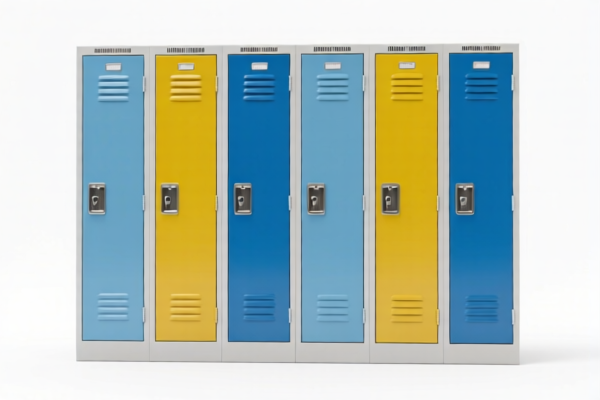
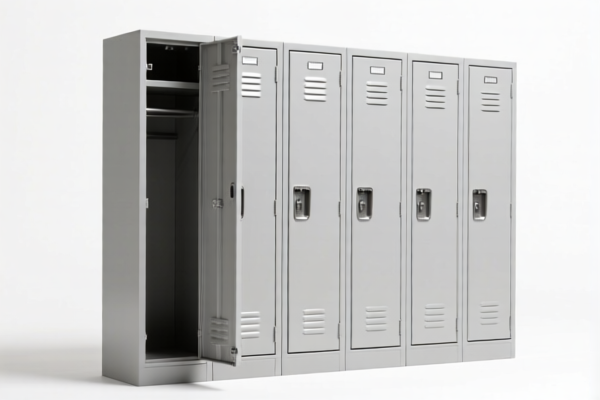
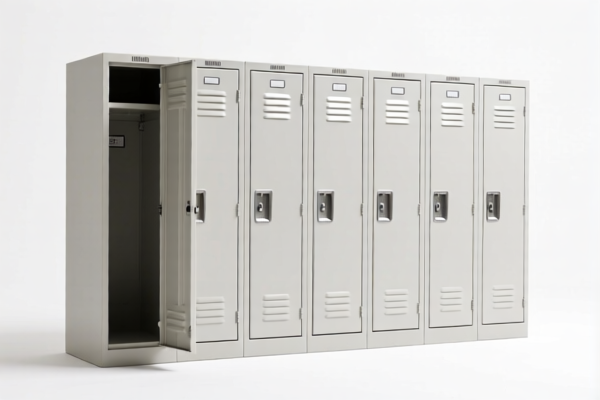
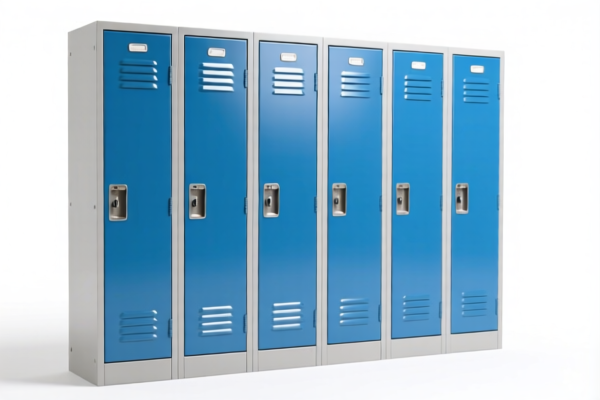
AI Analysis
📦 Storage Cabinets: The Ultimate HS Code & Duty Guide (2026 Edition)
🌐 Global Trade Classification & Clearance Strategy | Decoding Storage Box Taxes | Avoid the 55% Pitfall!
📌 I. Product Definition & Classification: Are You Shipping a "Box" or a "Container"?
"Storage Cabinet" (often referred to as Storage Boxes, Totes, or Containers in trade) is a generic term covering a wide range of containment solutions used for organizing goods, textiles, tools, or household items. In international trade, the Material and Primary Function dictate the HS Code, which directly impacts the tariff burden.
The market splits into three distinct categories based on the Material inferred from the product's physical properties:
- Plastic Storage Containers (
3923): Rigid or semi-rigid molded plastic boxes, totes, and crates. - Textile Storage Containers (
4202): Fabric-based boxes, bins, or suitcases (e.g., canvas, nylon, cotton). - Wooden Storage Containers (
4420): Carved, assembled, or decorative wooden boxes.
⚠️ Critical Distinction:
- Plastic items usually fall under3923(Transport/Packing). - Textile/Fabric items fall under4202(Luggage & Cases). - Wooden items fall under4420(Wooden Articles) or4421(Furniture). Misclassification leads to massive duty discrepancies (e.g., 17.5% vs. 55%).
📊 II. HS Code Classification Matrix (2026 Authoritative Mapping)
Based on the comprehensive analysis of "Storage Cabinets," here is the breakdown of the 6 most likely classifications and their tax implications.
| HS Code | Material Inferred | Product Description | Tax Rate | Tax Composition |
|---|---|---|---|---|
4202.99.90.00 |
Plastic/Textile/Paper | General Storage Container: Fits "Other Containers." | 55.0% | Base 20% + Add-on 25% + 122 Clauses 10% |
4420.90.20.00 |
Wood | Wooden Decorative Box: Small wooden storage, cigar/cigarette box category. | 17.5% | Base 0% + Add-on 7.5% + 122 Clauses 10% |
3923.10.20.00 |
Plastic | Plastic Crate/Box: Transport/Packing use, rigid plastic inference. | 35.0% | Base 0% + Add-on 25% + 122 Clauses 10% |
4202.92.93.15 |
Textile (Surface) | Textile-Clad Container: Outer surface is textile fabric. | 52.6% | Base 17.6% + Add-on 25% + 122 Clauses 10% |
4420.90.80.00 |
Wood | Decorative Wood Item: Small decorative wooden container (Other). | 38.2% | Base 3.2% + Add-on 25% + 122 Clauses 10% |
3923.10.90.00 |
Plastic | General Plastic Box: Matches "Boxes, cases, crates" for packaging. | 38.0% | Base 3.0% + Add-on 25% + 122 Clauses 10% |
🔍 Key Insight:
- The lowest tax (17.5%) applies to Wooden (4420.90.20.00) items with no base duty.
- The highest tax (55.0%) applies to General Containers (4202.99.90.00) or mixed materials.
- Plastic items hover between 35.0% - 38.0%.
- Textile items carry a high base duty (17.6%) plus the 25% surcharge.
💰 III. Deep Dive: 2026 Tariff Breakdown & Policy Details
✅ Target Market: United States (US)
✅ Origin: China (CN)
✅ Policy Context: Includes Section 301 (25%), Section 122 (10%), and Base Duties.
🎯 1. The High-Tax Trap: 4202.99.90.00 (55.0%)
Scenario: Generic storage boxes made of plastic, textile, or cardboard that don't fit specific sub-categories. * Base Duty: 20.0% * Section 301 (Add-on): +25.0% * Section 122 (China Specific): +10.0% * Total: 55.0% * Legal Path:
301:9903.88.10+122:9903.88.10* Impact: Extremely High. Avoid this code unless the product is a complex "other container" with no specific material fit.
🎯 2. The "Sweet Spot": 4420.90.20.00 (17.5%)
Scenario: Solid wooden storage boxes (e.g., cedar chests, cigar boxes). * Base Duty: 0.0% * Section 301 (Add-on): +7.5% * Section 122 (China Specific): +10.0% * Total: 17.5% * Legal Path:
122:9903.88.10(applied to low base) * Impact: Highly Favorable. If your "Cabinet" is genuinely wood, this is the best option.
🎯 3. The Standard Plastic: 3923.10.20.00 (35.0%)
Scenario: Rigid plastic crates, totes, and transport boxes. * Base Duty: 0.0% * Section 301 (Add-on): +25.0% * Section 122 (China Specific): +10.0% * Total: 35.0% * Legal Path:
301:9903.01.06+122:9903.88.10* Impact: Moderate-High. Very common for plastic storage, but the 25% add-on is unavoidable.
🎯 4. The Textile Option: 4202.92.93.15 (52.6%)
Scenario: Fabric bins, folding boxes with textile exteriors. * Base Duty: 17.6% * Section 301 (Add-on): +25.0% * Section 122 (China Specific): +10.0% * Total: 52.6% * Impact: Very High. The high base duty (17.6%) on textiles makes this expensive.
🛠️ IV. Clearance实操 Strategy (Actionable Tips for 2026)
✅ 1. Material Verification (The #1 Priority)
- Do NOT use the generic term "Storage Cabinet" on the Commercial Invoice alone.
- DO specify the Primary Material clearly:
- ❌ "Plastic Storage Box" (Risk:
3923.10.90.00@ 38% vs3923.10.20.00@ 35%) - ✅ "Rigid Polypropylene Crate, Non-Customized" (Target:
3923.10.20.00) - ✅ "100% Cedar Wood Decorative Chest" (Target:
4420.90.20.00)
- ❌ "Plastic Storage Box" (Risk:
✅ 2. Declaration Wording Strategy
- Avoid: "Storage Cabinet" (Too vague, invites
4202.99.90.00). - Use:
- For Plastic: "Plastic Transport Crate / Tote for Logistics"
- For Wood: "Wooden Decorative Storage Box (Not Furniture)"
- For Textile: "Folding Canvas Storage Bin"
✅ 3. Avoid the "Mixed Material" Trap
- If a box is Wooden with a Plastic Lining or Textile with a Plastic Frame, customs may force it into the higher tax category (e.g.,
4202.99.90.00@ 55%) if the primary characteristic is ambiguous. - Solution: Ensure the exposed outer surface and structural integrity align with the chosen HS Code.
🌍 V. Global Market Comparison (2026 Update)
| Market | Recommended HS Code | Est. Total Tax | Strategy |
|---|---|---|---|
| 🇺🇸 USA | 4420.90.20.00 (Wood) |
17.5% | Best Choice. Prove it's wood. |
| 🇺🇸 USA | 3923.10.20.00 (Plastic) |
35.0% | Acceptable. Use "Transport Crate" description. |
| 🇺🇸 USA | 4202.99.90.00 (Mixed) |
55.0% | AVOID. High penalty risk. |
| 🇪🇺 EU | 3923.10.00 |
~2-5% | No 301/122 clauses. Lower risk. |
| 🇯🇵 Japan | 4420.90 |
~5% | Wood is preferred for low duty. |
📌 Conclusion: The USA is the most aggressive on "Storage" items due to Section 301 and Section 122. Wood (
4420) is your only path to a sub-20% tax. Plastic (3923) is the middle ground (~35%). Textile/Mixed (4202) is the "danger zone" (~55%).
🚨 VI. Common Pitfalls & How to Avoid Them
| ❌ Mistake | 🚫 Consequence | ✅ Solution |
|---|---|---|
| Generic "Cabinet" Declaration | Auto-graded to 4202.99.90.00 (55%) |
Specify material: "Wooden Chest," "Plastic Tote." |
| Confusing "Furniture" with "Container" | Higher duty or classification conflict | Prove it is a transport/storage container (HS 4420 or 3923), not a fixed furniture item (9403). |
| Ignoring the "Add-on" Tax | Budget shock (55% vs 20%) | Always calculate Base + 25% + 10%. |
| Assuming "Plastic" is one code | 3923.10.20.00 (35%) vs 3923.10.90.00 (38%) |
Check if it's "Transport" (20) or "Other" (90). |
🎯 VII. Final Verdict: The "Storage Cabinet" Cheat Sheet
🚀 The Golden Rule: Material First, Function Second.
- Is it WOOD? → Target
4420.90.20.00(Tax: 17.5%). - Is it PLASTIC (Rigid/Transport)? → Target
3923.10.20.00(Tax: 35.0%). - Is it PLASTIC (Other)? → Target
3923.10.90.00(Tax: 38.0%). - Is it TEXTILE? → Target
4202.92.93.15(Tax: 52.6%) — Avoid if possible. - Is it a Mystery Box? → Target
4202.99.90.00(Tax: 55.0%) — Only as a last resort.
📌 Pro Tip:
Request a Product Sample from your manufacturer to verify the exact material composition. If the box is 90% wood but has plastic latches, it may still qualify for the wooden rate if the structural integrity is wood. However, if it is 90% plastic with a wooden frame, the Plastic (3923) rate applies.
🛑 Final Warning: Do not let a vague "Storage Cabinet" description cost you an extra 37.5% in duties. Be specific, be accurate, and save your margins!
✨ Clearance Confidence Starts with Precision!
💼 Calculate your duties today, avoid the 55% trap tomorrow!
Customer Reviews
About HS Code Classification
The Harmonized System (HS) is an internationally standardized nomenclature developed by the World Customs Organization (WCO) to classify traded products. Over 200 countries use the HS system as the basis for customs tariffs, trade statistics, and import/export regulations.
Each HS code follows a hierarchical structure:
- Chapter (2 digits) — Broad category of goods (e.g., Chapter 84: Machinery and Mechanical Appliances)
- Heading (4 digits) — More specific grouping within the chapter
- Subheading (6 digits) — Internationally standardized breakdown, used by all WCO member countries
- National subdivisions (8-10 digits) — Country-specific extensions for further classification, such as US HTSUS 10-digit codes
Correct HS code classification is essential for smooth customs clearance, accurate duty payment, and compliance with trade regulations. Misclassification can lead to customs delays, overpayment of duties, or penalties.
When importing from CN to US, the applicable tariff rates may include:
- Most-Favored-Nation (MFN) rate — The standard duty rate applied to WTO members
- General rate — Applied to countries without trade agreements
- Trade remedy duties — Additional tariffs such as Section 301 (anti-dumping), Section 232 (national security), or countervailing duties
The information provided on this page is for reference purposes only. For official classification, please consult with your local customs authority or a licensed customs broker.