storage holder
CN → US| HS Code | Tariff Rate | Origin | Destination | Doc |
|---|---|---|---|---|
| 7326908630 | 87.9% | CN | US | Official Doc |
| 4421919880 | 38.3% | CN | US | Official Doc |
| 4421999880 | 38.3% | CN | US | Official Doc |
| 7326908688 | 87.9% | CN | US | Official Doc |
| 9403200082 | 85.0% | CN | US | Official Doc |
| 4823908680 | 35.0% | CN | US | Official Doc |
Product Images
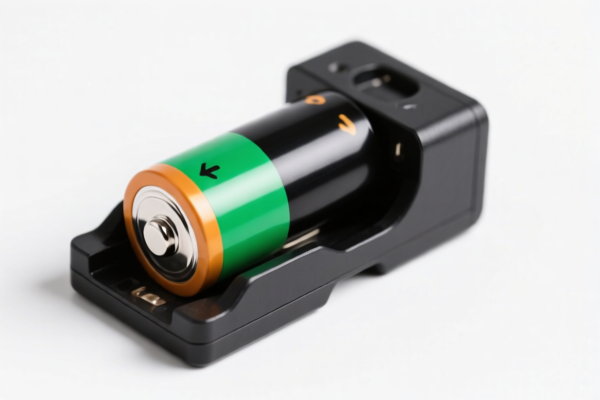
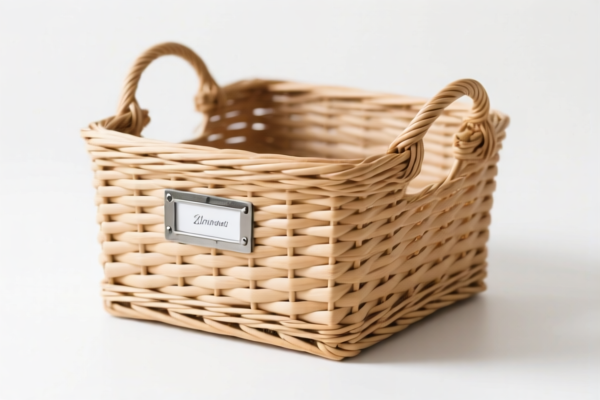

AI Analysis
🏗️ Storage Holders & Racks: The Ultimate HS Code & Tax Guide (2026 Update)
🌐 Global Compliance & Customs Strategy | 2026 Tariff Breakdown | Smart Classification
📌 I. Product Definition & Classification: Is Your "Storage Holder" Really Just a Holder?
"Storage Holder" is a broad commercial term that covers a wide range of items from wooden shelves to metal wire racks. In international trade, the material and specific function dictate the classification, which in turn determines a massive difference in taxation (from 35% to nearly 88%).
Key Distinction: * Metal (Iron/Steel) Storage: Often classified as "Miscellaneous Articles of Iron or Steel" or "Metal Furniture," subject to high 122-Section steel tariffs. * Wooden/Paper Storage: Classified under "Wooden Articles" or "Paper Products," generally enjoying lower base tariffs but still hit by Section 301/122 markups.
⚠️ Critical Warning:
- Metal Racks often face a ~87.9% total tax due to steel-specific penalties (50% + 25% + 2.9%).
- Wooden/Paper Racks face a lighter ~35-38% total tax.
- Misclassifying a metal rack as "furniture" can still result in high steel penalties if the steel content is significant.
📦 II. HS Code Classification Matrix (2026 Latest Tariff Schedule)
| HS Code | Material & Description | Tax Profile | Primary Classification Logic |
|---|---|---|---|
7326.90.86.30 |
Metal (Iron/Steel): Storage racks, support structures, pipe-like shapes. | 87.9% | Classified under "Miscellaneous articles of iron or steel." High steel penalty applies. |
7326.90.86.88 |
Metal (Iron/Steel): Other iron/steel products, general storage support. | 87.9% | "Other" category for iron/steel. Triggers the full 50% steel surcharge + 25% markups. |
9403.20.00.82 |
Metal: Metal storage racks/shelving units, categorized under "Other Metal Furniture." | 85.0% | Classified as "Metal Furniture." Avoids the specific "miscellaneous" 10% penalty, but keeps the 50% steel tariff. |
4421.91.98.80 |
Wooden (Bamboo/Wood): Wooden storage racks, other wooden articles. | 38.3% | "Other wooden articles." Base duty is low, hit by 25% + 10% markups. |
4421.99.98.80 |
Wooden: Wooden storage, unspecified wood products, non-specific. | 38.3% | "Other" wooden category. Similar tax profile to 4421.91. |
4823.90.86.80 |
Paper/Cardboard: Paper-based storage racks/holders. | 35.0% | "Other paper products." Lowest base duty, but still subject to 25% + 10% markups. |
🔍 Key Insight:
- Iron/Steel items (7326series) are the most expensive to import due to the 50% "122-Section" steel tariff.
- Metal Furniture (9403) is slightly cheaper (85.0%) than "Miscellaneous Metal" (87.9%) because it avoids one specific penalty layer.
- Wood/Paper options are the most cost-effective, with total tariffs under 40%.
💰 III. 2026 Tariff Rate Breakdown (Detailed Policy Analysis)
✅ Target Market: United States (US)
✅ Origin: China (CN)
✅ Effective Date: Current & Projected 2026 Framework
🎯 1. The "Metal Penalty" Cluster: 7326.90.86.30 & 7326.90.86.88
Total Tax: 87.9%
| Component | Rate | Legal Basis | Description |
|---|---|---|---|
| Base Duty | 2.9% | Standard MFN | Standard tariff for miscellaneous metal articles. |
| Section 301 | +25.0% | Trade Act of 1974 | General "Add-on" tariff on Chinese goods. |
| Section 122 | +50.0% | Steel Surcharge | CRITICAL: Specific 50% tariff on steel/aluminum/copper products under Section 122. |
| Other | +10.0% | 122-Section Clause | Specific 10% penalty on 10% of the value for specific steel/aluminum categories. |
📌 Explanation:
- If your storage holder is made of Iron or Steel, you are hit by the 50% steel tariff.
- This is in addition to the standard 25% Section 301 tariff.
- Result: You pay nearly 88 cents in tax for every $1.00 of goods.
- Strategy: This category is the most vulnerable. Consider switching to wood or cardboard if possible.
🎯 2. The "Metal Furniture" Option: 9403.20.00.82
Total Tax: 85.0%
| Component | Rate | Legal Basis | Description |
|---|---|---|---|
| Base Duty | 0.0% | Furniture Category | "Other Metal Furniture" often has 0% base duty. |
| Section 301 | +25.0% | Trade Act of 1974 | Standard 301 tariff applies. |
| Section 122 | +50.0% | Steel Surcharge | CRITICAL: Still subject to the 50% steel tariff. |
| Other | 0.0% | No Additional | Avoids the extra 10% "122" penalty found in 7326. |
📌 Strategy:
- Best for Metal: If you must use metal,9403.20.00.82saves 2.9% compared to7326.
- Why?: Because it is classified as "Furniture" rather than "Miscellaneous Articles," it escapes the extra 10% surcharge.
- Requirement: Must look like a defined furniture item (e.g., shelving unit) rather than a generic support bracket.
🎯 3. The "Wooden" & "Paper" Safe Zone: 4421 & 4823
Total Tax: 35.0% - 38.3%
| Component | Rate | Legal Basis | Description |
|---|---|---|---|
| Base Duty | 0.0% - 3.3% | Wood/Paper | Low or zero base duty for non-metal. |
| Section 301 | +25.0% | Trade Act of 1974 | Applies to all Chinese wood/paper goods. |
| Section 122 | +10.0% | Specific Clause | Only the 10% penalty applies (NO 50% steel tariff). |
📌 Strategy:
- Cost Saving: By switching to Wood (4421) or Paper (4823), you reduce total tax from 87.9% to ~38% (a 50% reduction in tax cost).
- Applicability: Perfect for lightweight storage, home organization, or retail displays where strength requirements allow.
🛠️ IV. Customs Clearance Practical Advice (The "How-To")
✅ 1. Documentation Checklist (Essential for Avoiding Audits)
| Document | Requirement | Purpose |
|---|---|---|
| Material Declaration | Explicitly state "Iron," "Steel," "Bamboo," or "Paper." | Determines if the 50% steel tariff applies. |
| Product Photos | Clear images showing structure, joints, and finish. | Proves if it is "Furniture" (9403) or "Miscellaneous" (7326). |
| Bill of Materials (BOM) | Detailed breakdown of metal vs. non-metal components. | Crucial for calculating the steel content percentage. |
| Assembly Instructions | Shows if it is a complete unit or a kit. | Prevents misclassification of "parts" vs. "finished goods." |
| Declaration of Origin | Certificate of Origin (CO). | Confirms Chinese origin to trigger/verify tariffs. |
✅ 2. Classification Strategy: The "Furniture vs. Tool" Trap
🔥 Golden Rule: "Furniture Status Lowers the Steel Penalty Surcharge!"
| Scenario | Correct HS Code | Why? |
|---|---|---|
| Wire Shelving Unit (for kitchen/garage) | 9403.20.00.82 |
It is a "Metal Furniture" item. Saves 10%. |
| Simple Metal Bracket (pipe support) | 7326.90.86.30 |
It is a "Miscellaneous Metal" support. Pays 87.9%. |
| Cardboard Box Holder | 4823.90.86.80 |
Paper product. No steel tariff. Pays 35%. |
| Bamboo Shelf | 4421.91.98.80 |
Wood product. No steel tariff. Pays 38.3%. |
⚠️ Risk: If you declare a metal wire rack as "Furniture" (
9403) but it is technically just a "support bracket" (7326), Customs may reject it, leading to delays and re-filing fees.
✅ 3. Special Cases & Mitigation
| Situation | Actionable Advice |
|---|---|
| Mixed Materials (Wood + Metal) | Declare based on Material Value. If metal is >50%, steel tariffs likely apply. |
| Small Scale/De Minimis | If under $800 (US), de minimis might apply, but Section 301/122 often still apply even on small shipments. Verify current rules. |
| Re-export | If shipping from a non-US warehouse (e.g., Mexico), check if USMCA rules apply to avoid Section 301. |
| Design Change | Switch to Wood or Bamboo. If the structural integrity allows, this is the single biggest cost saver. |
🌍 V. Global Market Comparison (2026 Outlook)
| Market | Best HS Code | Est. Total Tax (CN Origin) | Key Constraint |
|---|---|---|---|
| 🇺🇸 United States | 9403.20.00.82 (Metal) |
85.0% | High steel tariffs (50%) apply regardless of "Furniture" status. |
| 🇪🇺 European Union | 9403.20.00 |
~6-8% | Generally lower base duty; No Section 122 steel surcharge. |
| 🇨🇦 Canada | 9403.20.00 |
~5-10% | CUSMA allows duty-free for qualified wood/metal items. |
| 🇦🇺 Australia | 4421 or 7326 |
~5% | No Section 301 equivalent; standard MFN rates apply. |
📌 Conclusion:
The US market is unique in imposing the 50% steel tariff. For US imports, Metal is expensive, and Wood/Paper is the smart choice.
For other markets (EU, Canada), metal storage holders are much more cost-effective.
📌 VI. Common Pitfalls & "Blood and Tears" Lessons
❌ Pitfall 1: Calling a "Metal Wire Rack" "Furniture" without proving it's a standard unit.
👉 Consequence: Customs classifies it as 7326 → 87.9% Tax instead of 85.0%.
❌ Pitfall 2: Hiding the steel content in a "Mixed Material" item.
👉 Consequence: Audit failure, back-taxes + penalties.
❌ Pitfall 3: Assuming "Storage" means "Furniture".
👉 Consequence: 7326 (Miscellaneous) is often the default for generic metal supports.
✅ Pro Tip:
"If it's metal, ask: Can I make it wood? If yes, switch to
4421. If no, declare as9403(Furniture) to save the 10% penalty."
🎯 VII. Final Verdict: Smart Sourcing & Shipping
🎯 Summary for Shippers:
1. Metal Storage (7326): Avoid if possible. Tax is 87.9%.
2. Metal Storage (9403): Acceptable but expensive. Tax is 85.0%.
3. Wood/Paper Storage (4421 / 4823): Best Value. Tax is ~35-38%.
🚀 Action Plan:
- Audit your BOM: Identify the steel percentage.
- Design Pivot: Move from metal to wood/bamboo if the application allows.
- Precise Declaration: Use
9403.20.00.82for metal furniture, NOT7326.- Pre-Alert: Check for Section 122 updates in 2026.
✨ Proper Classification = Profit Protection!
💼 Don't let a 50% steel tariff eat your margins!
📞 Consult a Customs Broker for HS Code Pre-Ruling before shipping!
Customer Reviews
About HS Code Classification
The Harmonized System (HS) is an internationally standardized nomenclature developed by the World Customs Organization (WCO) to classify traded products. Over 200 countries use the HS system as the basis for customs tariffs, trade statistics, and import/export regulations.
Each HS code follows a hierarchical structure:
- Chapter (2 digits) — Broad category of goods (e.g., Chapter 84: Machinery and Mechanical Appliances)
- Heading (4 digits) — More specific grouping within the chapter
- Subheading (6 digits) — Internationally standardized breakdown, used by all WCO member countries
- National subdivisions (8-10 digits) — Country-specific extensions for further classification, such as US HTSUS 10-digit codes
Correct HS code classification is essential for smooth customs clearance, accurate duty payment, and compliance with trade regulations. Misclassification can lead to customs delays, overpayment of duties, or penalties.
When importing from CN to US, the applicable tariff rates may include:
- Most-Favored-Nation (MFN) rate — The standard duty rate applied to WTO members
- General rate — Applied to countries without trade agreements
- Trade remedy duties — Additional tariffs such as Section 301 (anti-dumping), Section 232 (national security), or countervailing duties
The information provided on this page is for reference purposes only. For official classification, please consult with your local customs authority or a licensed customs broker.