storage tissue holder
CN → US| HS Code | Tariff Rate | Origin | Destination | Doc |
|---|---|---|---|---|
| 4202929315 | 52.6% | CN | US | Official Doc |
| 3926901000 | 20.9% | CN | US | Official Doc |
| 3926909989 | 22.8% | CN | US | Official Doc |
| 4202926010 | 41.3% | CN | US | Official Doc |
| 4420908000 | 38.2% | CN | US | Official Doc |
Product Images
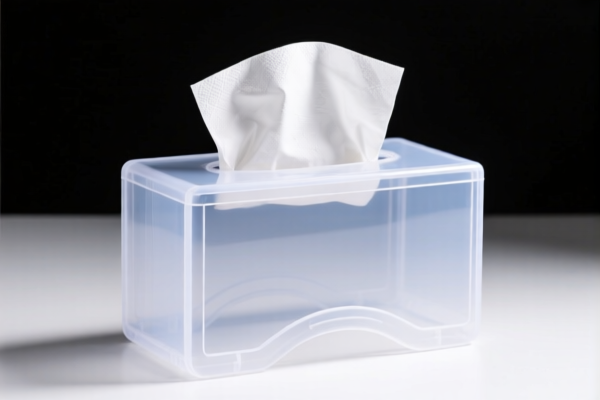
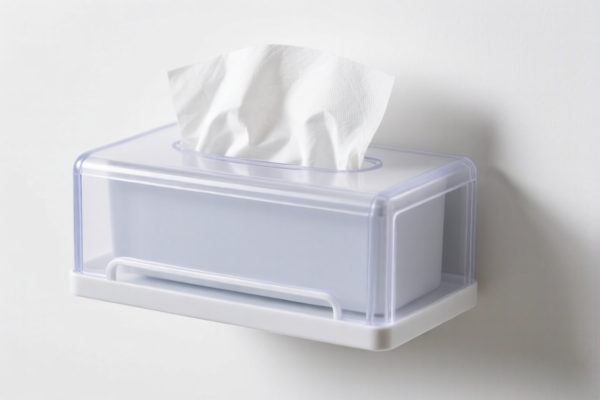

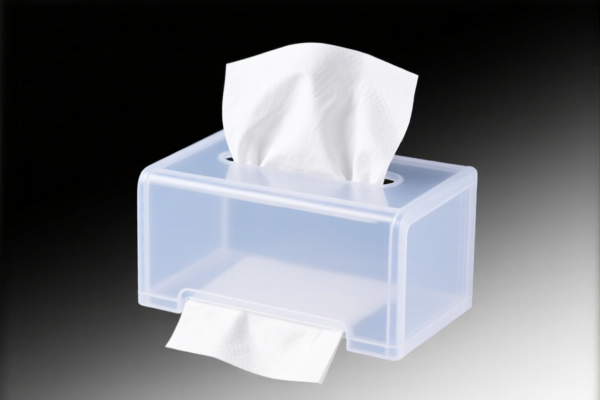
AI Analysis
🧻 Storage Tissue Holder (Tissue Box Cases/Dispensers)
🌐 HS Code Reference & Customs Clearance Guide | 2026 Latest Tariff Analysis | Professional Clearance Strategy
📌 I. Product Definition & Classification: What Exactly Is a "Tissue Holder"?
Storage Tissue Holders are decorative or functional containers designed to house disposable facial tissues. In international trade, their classification strictly depends on the material of the outer surface and their specific intended use (e.g., general household storage vs. jewelry box).
The key to accurate classification lies in identifying the main material:
- Plastic Holders: Molded, rigid, or semi-rigid containers.
- Textile/Fabric Holders: Soft covers, padded cases, or woven materials.
- Jewelry/Watch Boxes: If the holder is specifically designed to store valuables but used for tissues, it might fall under "Jewelry Boxes."
- Wooden Holders: Solid wood or veneer cases.
⚠️ Critical Distinction:
- If the item is primarily Plastic → Look at Chapter 39.
- If the item is primarily Textile/Fabric → Look at Chapter 42.
- If it is a Jewelry Box (even if used for tissues) → Look at Chapter 42 (specifically jewelry boxes).
- If it is Wooden → Look at Chapter 44.
📦 II. HS Code Classification Details (2026 Latest Tariff Authority Comparison)
| HS Code | Product Description | Applicable Scenario | Main Material |
|---|---|---|---|
4202.92.93.15 |
Storage cases, based on container classification; outer surface likely involves textile materials | Fabric-covered tissue boxes, padded holders, non-metal textile covers | 🧵 Textile/Fabric |
3926.90.10.00 |
Storage boxes; inferred material is plastic, belonging to containers among other articles | Rigid plastic tissue box cases, clear acrylic holders | 🧊 Plastic |
3926.90.99.89 |
Storage boxes; typically plastic, fits characteristics of "other plastic articles" | Various plastic storage containers, generic plastic holders | 🧊 Plastic |
4202.92.60.10 |
Storage boxes; belongs to jewelry boxes and similar containers; material may be plastic or textile | Decorative boxes specifically classified as "Jewelry Boxes" even if used for tissues | 💎 Jewelry Box Type |
4420.90.80.00 |
Storage boxes; inferred as wooden material, fits the form of wooden containers | Wooden tissue box covers, carved wooden holders | 🪵 Wood |
🔍 Key Reminder:
- Plastic items are generally lower tax burden but must distinguish between specific sub-headings (3926.90.10vs3926.90.99). - Textile items (4202.92) often carry higher tariffs due to Section III/IV trade restrictions. - Jewelry Box classification (4202.92.60) triggers high "Section 301" additional tariffs. - Wooden items (4420) also face high additional tariffs.
💰 III. 2026 Latest Tariff Rate Details (Including Surcharges, Policy Add-ons)
✅ Applicable Country: United States (US)
✅ Origin: China (CN)
✅ Effective Time: 2025/2026 (Current Trade Policy)
🎯 1. 4202.92.93.15 —— Storage Boxes (Textile Outer Surface)
| Item | Content |
|---|---|
| Base Tariff | 17.6% (ad valorem) |
| Section 301 Surcharge | +25.0% (USITC Footnote) |
| Section 122 Tariff | +10% (Specific Trade Action) |
| Total Tax Rate | 52.6% |
| Tax Calculation | CIF Value × 52.6% |
| De Minimis Exemption | ❌ Not Applicable (High value/subject to strict scrutiny) |
| Legal Basis Path | USITC:4202.92.93.15 → Section 301: 17.6% + 25% → Section 122: 10% |
📌 Explanation:
- Textile-based containers are heavily taxed due to protective tariffs on textile imports. - The 52.6% rate is extremely high. It combines the base duty, the Section 301 China surcharge, and specific Section 122 measures. - Risk: High chance of customs audit if declared as "Fabric Cover" without proper proof of material composition.
🎯 2. 3926.90.10.00 —— Plastic Storage Boxes (Specific Container)
| Item | Content |
|---|---|
| Base Tariff | 3.4% (ad valorem) |
| Section 301 Surcharge | +7.5% (Reduced Section 301 Rate for some plastic containers) |
| Section 122 Tariff | +10% |
| Total Tax Rate | 20.9% |
| Tax Calculation | CIF Value × 20.9% |
| De Minimis Exemption | ❌ Not Applicable |
| Legal Basis Path | USITC:3926.90.10.00 → Section 301: 3.4% + 7.5% → Section 122: 10% |
📌 Note:
- This is one of the most cost-effective classifications for plastic holders. - Must ensure the product is strictly plastic (no metal hinges, no fabric lining that dominates). - If there are metal parts, customs may reclassify it.
🎯 3. 3926.90.99.89 —— Other Plastic Articles (Generic)
| Item | Content |
|---|---|
| Base Tariff | 5.3% (ad valorem) |
| Section 301 Surcharge | +7.5% |
| Section 122 Tariff | +10% |
| Total Tax Rate | 22.8% |
| Tax Calculation | CIF Value × 22.8% |
| De Minimis Exemption | ❌ Not Applicable |
| Legal Basis Path | USITC:3926.90.99.89 → Section 301: 5.3% + 7.5% → Section 122: 10% |
📌 Comparison:
- Slightly higher than3926.90.10.00(22.8% vs 20.9%). - Use this code only if the item doesn't fit the specific "Container" definition of.10. - Still significantly cheaper than textile or jewelry classifications.
🎯 4. 4202.92.60.10 —— Jewelry Boxes (Plastic/Textile)
| Item | Content |
|---|---|
| Base Tariff | 6.3% (ad valorem) |
| Section 301 Surcharge | +25.0% (Full Section 301 Rate) |
| Section 122 Tariff | +10% |
| Total Tax Rate | 41.3% |
| Tax Calculation | CIF Value × 41.3% |
| De Minimis Exemption | ❌ Not Applicable |
| Legal Basis Path | USITC:4202.92.60.10 → Section 301: 6.3% + 25% → Section 122: 10% |
📌 Warning:
- Do NOT use this code unless it is a genuine Jewelry Box. - Misclassifying a tissue holder as a "Jewelry Box" is considered fraud. - Even if correct, the 41.3% rate is punitive due to the 25% Section 301 surcharge on jewelry/leather goods.
🎯 5. 4420.90.80.00 —— Wooden Containers
| Item | Content |
|---|---|
| Base Tariff | 3.2% (ad valorem) |
| Section 301 Surcharge | +25.0% |
| Section 122 Tariff | +10% |
| Total Tax Rate | 38.2% |
| Tax Calculation | CIF Value × 38.2% |
| De Minimis Exemption | ❌ Not Applicable |
| Legal Basis Path | USITC:4420.90.80.00 → Section 301: 3.2% + 25% → Section 122: 10% |
📌 Note:
- Wooden products face the full 25% Section 301 surcharge. - While the base tariff (3.2%) is low, the total impact is high due to the surcharge. - Ensure the wood is not restricted species (e.g., certain rosewoods may require CITES permits).
🛠️ IV. Customs Clearance Practical Advice (Battle-Tested Pitfall Guide)
✅ 1. Required Documentation Checklist (Must-Haves)
| Document | Required? | Explanation |
|---|---|---|
| ✅ Product Specifications | ✔️ | Detailed material composition (e.g., "100% PP Plastic," "Cotton Fabric Cover"). |
| ✅ Material Certificate | ✔️ | Proof of material (e.g., Mill Test Report for plastic/fabric). |
| ✅ Product Photos | ✔️ | Clear images of the exterior, interior, and any labels. |
| ✅ Commercial Invoice | ✔️ | Clearly state "Tissue Box Holder" or "Storage Case." |
| ✅ Packing List | ✔️ | Weight, dimensions, quantity. |
| ✅ FCC/ROHS Reports | ✔️ | If applicable (less critical for pure storage, but good practice). |
✅ 2. Declaration Tips (Key Mantras)
🔥 "Material is King, Name is Precise, Don't Guess!"
| Scenario | Correct Declaration | Wrong Practice |
|---|---|---|
| Plastic Holder | 3926.90.10.00 |
Call it "Textile Box" → 52.6% Tax |
| Fabric Cover | 4202.92.93.15 |
Call it "Plastic" → 20.9% (Audit Risk) |
| Jewelry Box Design | 4202.92.60.10 |
Call it "Tissue Holder" → Misclassification |
| Wooden Holder | 4420.90.80.00 |
Call it "Plastic" → High Penalty |
✅ 3. Special Cases Handling
| Scenario | Handling Advice |
|---|---|
| Mixed Materials | If plastic frame + fabric cover, determine the essential character. If fabric covers >50%, likely 4202.92.93.15. |
| With Metal Hinges | If metal parts are minor, still classify by main body. If metal is dominant, may change chapter. |
| Gift Sets | If sold as a "Tissue Box + Tissues," the holder is still classified as the container. |
| OEM Customization | Provide design drawings to prove if it's a "Jewelry Box" or "General Storage." |
🌍 V. Global Market Comparison (2026 Latest)
| Country/Region | Recommended HS Code | Total Tax Rate (China Origin) | Notes |
|---|---|---|---|
| 🇺🇸 USA | 3926.90.10.00 |
20.9% (Plastic) | Best option for plastic. Textile/Jewelry >40%. |
| 🇨🇳 China | 3926.90.90.00 |
~5-10% | Lower entry barriers for domestic sales. |
| 🇪🇺 EU | 3926.90.97 |
~4% | No Section 301/122 surcharges. CE Certification required. |
| 🇬🇧 UK | 3926.90.97 |
~4% | Post-Brexit rules apply. No US-style tariffs. |
| 🇯🇵 Japan | 3926.90.90 |
~5-8% | Low tariffs. No additional trade war taxes. |
📌 Conclusion:
- USA is the most challenging market for tissue holders due to Section 301 & 122 tariffs. - Plastic (3926.90) is the most tax-efficient classification. - Textile (4202) and Jewelry (4202.60) are tax-punitive. - Wood (4420) is moderately expensive but lower than textile.
📌 VI. Common Errors & Pitfall Guide (Lessons Learned)
❌ Error 1: Declaring a Fabric-Covered Box as Plastic.
👉 Consequence: 52.6% vs 20.9% difference + Customs Penalty + Back Taxes.
❌ Error 2: Calling a Plastic Box a "Jewelry Box" to avoid "Container" codes.
👉 Consequence: 41.3% tax (due to 25% Section 301 on jewelry) + Audit for Mislabeling.
❌ Error 3: Ignoring Section 122 Tariffs.
👉 Consequence: Unexpected 10% charge on almost all consumer goods from China.
❌ Error 4: Using "Tissue Box" as the description without material details.
👉 Consequence: Customs may select the highest possible tax rate pending investigation.
✅ Correct Approach:
"Plastic Tissue Box Holder, 100% Polypropylene, Transparent, Model XYZ"
OR
"Fabric Storage Tissue Cover, Cotton Outer, Polyester Inner, Model ABC"
🎯 VII. Conclusion: Professional Declaration, Save Costs!
🎯 Remember the Mantra:
🔹 "Plastic is Best (20.9%), Textile is Pain (52.6%), Jewelry is Expensive (41.3%), Wood is Middle (38.2%)."
🔹 "HS Code Determines Tax, Material Determines Code!"
📌 Pro Tip:
If your product is plastic, insist on 3926.90.10.00 (20.9%) over 3926.90.99.89 (22.8%) if it fits the "Container" definition.
For fabric, there is no easy way around the 52.6% tariff. Consider switching material to plastic if cost is a major factor.
📣 Immediate Action:
📞 Verify your Bill of Materials (BOM).
🚀 Precise Classification = Maximized Profit.
📦 Don't let a wrong HS Code cost you 30% more in taxes!
✨ Professional Customs Clearance Starts with Accurate Classification!
💼 Every Percent Saved is Pure Profit!
Customer Reviews
About HS Code Classification
The Harmonized System (HS) is an internationally standardized nomenclature developed by the World Customs Organization (WCO) to classify traded products. Over 200 countries use the HS system as the basis for customs tariffs, trade statistics, and import/export regulations.
Each HS code follows a hierarchical structure:
- Chapter (2 digits) — Broad category of goods (e.g., Chapter 84: Machinery and Mechanical Appliances)
- Heading (4 digits) — More specific grouping within the chapter
- Subheading (6 digits) — Internationally standardized breakdown, used by all WCO member countries
- National subdivisions (8-10 digits) — Country-specific extensions for further classification, such as US HTSUS 10-digit codes
Correct HS code classification is essential for smooth customs clearance, accurate duty payment, and compliance with trade regulations. Misclassification can lead to customs delays, overpayment of duties, or penalties.
When importing from CN to US, the applicable tariff rates may include:
- Most-Favored-Nation (MFN) rate — The standard duty rate applied to WTO members
- General rate — Applied to countries without trade agreements
- Trade remedy duties — Additional tariffs such as Section 301 (anti-dumping), Section 232 (national security), or countervailing duties
The information provided on this page is for reference purposes only. For official classification, please consult with your local customs authority or a licensed customs broker.