stove accessories
CN → US| HS Code | Tariff Rate | Origin | Destination | Doc |
|---|---|---|---|---|
| 8417900000 | 38.9% | CN | US | Official Doc |
| 8516905500 | 35.0% | CN | US | Official Doc |
| 8516908010 | 35.0% | CN | US | Official Doc |
| 7323999080 | 88.4% | CN | US | Official Doc |
| 8417800000 | 38.9% | CN | US | Official Doc |
Product Images
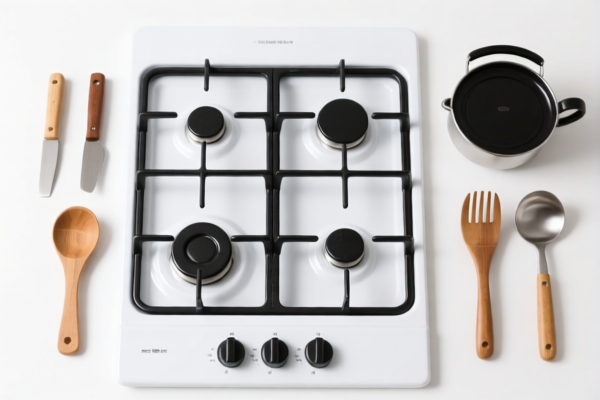
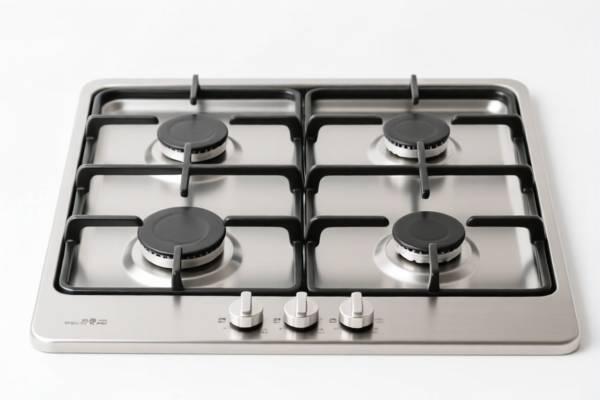
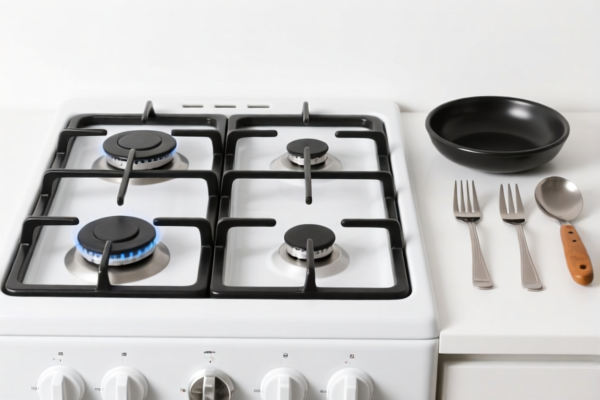
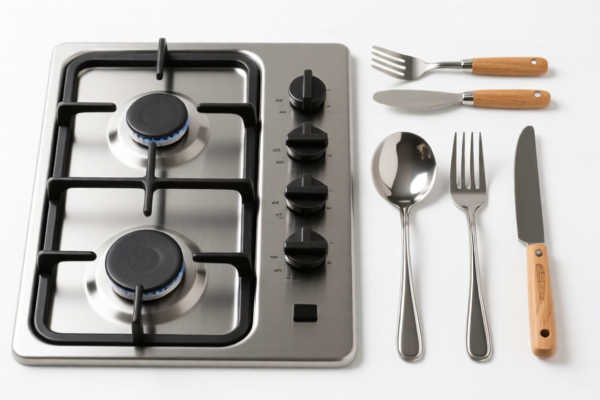
AI Analysis
🔥 Stove Accessories (炉灶零件)
🌐 HS Code Reference & Customs Clearance Guide | 2026 Latest Tariff Analysis | Professional Clearance Strategy
📌 I. Product Definition & Classification: Do You Really Know "Stove Accessories"?
"Stove Accessories" (炉灶零件) are not a single, unified category in international trade. Their classification depends entirely on power source (Electric vs. Non-Electric) and material composition (Steel/Aluminum/Copper vs. Others). Misclassification here leads to massive tariff discrepancies (from 35% to 88.4%!).
In international trade, they are divided into two main paths:
1. Electric Appliance Parts (Electrical Stoves/Ovens): - Parts specifically for electric cooking ranges, ovens, or space heaters. - Typically fall under Chapter 85.
2. Non-Electric/General Kitchenware Parts: - Parts for gas stoves, industrial furnaces, or steel/cutlery-style stove components. - Typically fall under Chapter 84 or Chapter 73.
⚠️ Key Distinction Point:
- If the part is for an electric stove/oven → It likely belongs to HS 8516.90 (Low Tax: 35%).
- If the part is for a non-electric industrial furnace → It likely belongs to HS 8417.90 (Medium Tax: 38.9%).
- If the part is made of Steel/Aluminum/Copper kitchenware items → It likely belongs to HS 7323.99 (High Tax: 88.4% due to specific metal penalties).
📦 II. HS Code Classification Details (2026 Latest Authorized Comparison)
| HS Code | Product Description | Application Scenario | Tax Rate Summary |
|---|---|---|---|
8516.90.55.00 |
Parts of electric cooking ranges, cookers, and ovens | Most Common for standard electric home stoves. No material conflict. | 35.0% |
8516.90.80.10 |
Parts of electric heaters (based on part category) | Electrical heating elements or components with no obvious material conflict. | 35.0% |
8417.90.00.00 |
Parts of industrial/lab furnaces, ovens (non-electric) | Industrial burners, gas oven parts. No material conflict. | 38.9% |
8417.80.00.00 |
Parts of other equipment (general category) | Miscellaneous stove parts not fitting other specific electrical/non-electric categories. | 38.9% |
7323.99.90.80 |
Parts of iron/steel kitchenware | High Risk! Steel/Aluminum/Copper stove parts classified under kitchenware. | 88.4% |
🔍 Crucial Reminder:
- Electric Stove Parts are generally cheaper to import (35%) than Non-Electric/Industrial Parts (38.9%).
- Steel/Aluminum/Copper Parts are penalized heavily (88.4%) due to Section 232/122 specific metal tariffs. Avoid this code unless absolutely necessary.
💰 III. 2026 Latest Tariff Rate Breakdown (Including Additional Taxes & Policy Add-ons)
✅ Applicable Country: United States (US)
✅ Country of Origin: China (CN)
✅ Effective Date: Current ongoing trade measures (Section 301, Section 232, IEEPA)
🎯 1. 8516.90.55.00 & 8516.90.80.10 —— Electric Stove Parts
These are the most favorable codes for electric appliance manufacturers.
| Item | Content |
|---|---|
| Base Tariff | 0.0% (Ad Valorem) |
| Additional Tariff (Section 301) | +25.0% (From USITC Footnote for Chinese Goods) |
| IEEPA Add-on Tariff (Section 122) | +10.0% (Targeting specific strategic sectors, applied to Chinese products) |
| Total Tariff Rate | 35.0% |
| Tax Calculation | CIF Value × 35% |
| De Minimis Eligibility | ❌ No (Denied for Section 301/IEEPA goods) |
| Legal Basis Path | USITC:8516.90.55.00 → SECTION:301 (25%) + IEEPA (10%) |
📌 Explanation:
- The 0% base rate is misleadingly low; the bulk of the cost comes from the 25% Section 301 tariff. - The 10% IEEPA tariff is an additional layer for specific Chinese imports. - Total 35% is still significantly lower than the 88.4% bracket.
🎯 2. 8417.90.00.00 & 8417.80.00.00 —— Non-Electric/Industrial Stove Parts
For gas stoves, industrial ovens, or non-electric heating devices.
| Item | Content |
|---|---|
| Base Tariff | 3.9% (Ad Valorem) |
| Additional Tariff (Section 301) | +25.0% |
| IEEPA Add-on Tariff (Section 122) | +10.0% |
| Total Tariff Rate | 38.9% |
| Tax Calculation | CIF Value × 38.9% |
| De Minimis Eligibility | ❌ No |
| Legal Basis Path | USITC:8417.90.00.00 → SECTION:301 (25%) + IEEPA (10%) |
📌 Note:
- These codes carry a 3.9% base tariff unlike the electric ones (0% base). - They are still subject to the full 25% + 10% additional tariffs. - Total 38.9% makes them slightly more expensive than electric parts.
🎯 3. 7323.99.90.80 —— Steel/Aluminum/Copper Kitchenware Parts
⚠️ HIGH RISK CATEGORY
| Item | Content |
|---|---|
| Base Tariff | 3.4% (Ad Valorem) |
| Additional Tariff (Section 301) | +25.0% |
| IEEPA Add-on Tariff (Section 122) | +10.0% |
| Section 232 Metal Tariff | +50.0% (Specific for Steel/Aluminum/Copper products) |
| Total Tariff Rate | 88.4% |
| Tax Calculation | CIF Value × 88.4% |
| De Minimis Eligibility | ❌ No |
| Legal Basis Path | USITC:7323.99.90.80 → SECTION:301 (25%) + IEEPA (10%) + SECTION:232 (50%) |
📌 Warning:
- This code includes 50% Section 232 tariffs specifically for steel/aluminum/copper articles. - 88.4% is prohibitively high for most commercial shipments. - Only use this if the part is clearly defined as a "kitchenware item" (e.g., a steel grate or tray) and not a functional appliance part.
🛠️ IV. Customs Clearance Practical Advice (Real-World Pitfall Guide)
✅ 1. Preparation Checklist (Must-Have)
| Document | Required | Description |
|---|---|---|
| ✅ Product Specification Sheet | ✔️ | Must specify: Electric vs. Non-Electric, Power Rating (Watts), Material Composition. |
| ✅ Circuit Diagram/Structure Chart | ✔️ | Critical to prove if the part is for an electric appliance (HS 8516) vs. non-electric. |
| ✅ Product Photos (with Label) | ✔️ | Show model number, brand, and input/output specs. |
| ✅ Third-Party Test Report | ✔️ | UL, ETL, or CE reports help verify electrical safety and classification. |
| ✅ Commercial Invoice | ✔️ | Clearly state: "Parts for Electric Stove" or "Parts for Gas Oven". Avoid vague terms like "Metal Fitting." |
| ✅ Packing List | ✔️ | Detailed breakdown of parts to prevent "split shipment" scrutiny. |
✅ 2. Declaration Tips (Key Mnemonics)
🔥 "Electric is 35%, Non-Electric is 39%, Steel is 88%! Don't Guess, Verify!"
| Scenario | Correct Declaration | Wrong Action |
|---|---|---|
| Part for Electric Stove/Oven | 8516.90.55.00 (35%) |
Misclassified as Steel Part → 88.4% |
| Part for Gas/Non-Electric Furnace | 8417.90.00.00 (38.9%) |
Misclassified as Electric → 35% (Risk of audit) |
| Steel Grate/Tray (Kitchenware) | 7323.99.90.80 (88.4%) |
None (This is the correct, high-tax code) |
| Vague Term "Metal Part" | ❌ Risky | Customs may assign default high tariff or delay for classification. |
✅ 3. Special Case Handling
| Situation | Handling Advice |
|---|---|
| Universal Parts (fit both electric & gas) | Declare based on primary intended use. Provide evidence (manuals, marketing) showing intended use. |
| Kit Sets (Stove + Parts) | Declare as Complete Appliance if bundled. Parts alone are taxed separately. Do not split if it’s a single commercial unit. |
| Aluminum Heatsinks (for electric stoves) | If integral to the electric heater, try to argue for 8516.90. If sold as standalone kitchenware, it falls to 7323.99 (88.4%). |
| OEM Custom Parts | Provide customer PO + Design Specs. Avoid generic names like "Steel Plate." Use "Heating Element Housing for Model X Electric Stove." |
🌍 V. Global Market Clearance Comparison (2026 Latest)
| Country/Region | Recommended HS Code | Tariff | Certification | Remarks |
|---|---|---|---|---|
| 🇺🇸 USA | 8516.90.55.00 |
35.0% (Electric) | UL/ETL | Avoid 7323 (88.4%). High Section 301/IEEPA burden. |
| 🇨🇳 China | 8516.90.55.00 |
Low (~5-10%) | CCC | No Section 301/IEEPA. Standard MFN rates apply. |
| 🇪🇺 EU | 8516.90 |
Low (~0-4%) | CE | No major punitive tariffs. Focus on CE/ROHS compliance. |
| 🇬🇧 UK | 8516.90 |
Low (~0-4%) | UKCA | Post-Brexit standards. No US-style punitive tariffs. |
📌 Conclusion:
- The US is the most difficult market for stove parts due to layered tariffs (Base + 301 + IEEPA).
- Correct classification is critical: Moving from7323(88.4%) to8516(35%) saves 53.4% in tariffs.
- Documentation must prove the "Electric" nature of the part to qualify for the lower 35% rate.
📌 VI. Common Errors & Pitfall Guide (Blood & Tears Lessons)
❌ Error 1: Describing steel oven racks as "Stove Parts" without specifying material/use.
👉 Consequence: Customs assigns 7323.99.90.80 → 88.4% Tax!
❌ Error 2: Declaring a heating element (electric) as "Industrial Furnace Part" (8417) by mistake.
👉 Consequence: Higher base tax (3.9% vs 0%) → Unnecessary cost increase.
❌ Error 3: Failing to provide circuit diagrams for electric parts.
👉 Consequence: Customs doubts "Electric" claim → Audits and delays.
❌ Error 4: Using vague terms like "Metal Fitting" in the invoice.
👉 Consequence: Customs assigns worst-case scenario tariff → High penalty risk.
✅ Correct Practice:
"Heating Element Assembly for Model ABC Electric Range, 240V, UL Certified, Part #12345"
🎯 VII. Conclusion: Professional Declaration, Save Costs, Ensure Clearance!
🎯 Remember the Mantra:
🔹 "Electric is 35%, Non-Electric is 39%, Steel is 88%! Don't Guess, Verify!"
🔹 "HS Code determines the cost, a 50% difference can break the margin!"
🔹 "Documentation is King: Prove it's electric, avoid the steel penalty!"
📌 Pro Tip:
If your stove parts are shipped from Vietnam, Mexico, or Malaysia, check for IEEPA/Section 301 exemptions. However, if they are originating in China, the 35%-88.4% tax is unavoidable.
Recommendation: Apply for a Pre-Ruling (Advance Ruling) from US Customs (CBP) to confirm the correct HS Code before shipment.
📣 Immediate Action:
📞 Contact a professional customs broker + Provide product photos + Apply for HS Code Pre-Ruling
🚀 Let your stove accessories clear smoothly, maximize profits, and expand efficiently!
✨ Professional clearance starts with accurate classification!
💼 Every cent of cost deserves precise calculation!
Customer Reviews
About HS Code Classification
The Harmonized System (HS) is an internationally standardized nomenclature developed by the World Customs Organization (WCO) to classify traded products. Over 200 countries use the HS system as the basis for customs tariffs, trade statistics, and import/export regulations.
Each HS code follows a hierarchical structure:
- Chapter (2 digits) — Broad category of goods (e.g., Chapter 84: Machinery and Mechanical Appliances)
- Heading (4 digits) — More specific grouping within the chapter
- Subheading (6 digits) — Internationally standardized breakdown, used by all WCO member countries
- National subdivisions (8-10 digits) — Country-specific extensions for further classification, such as US HTSUS 10-digit codes
Correct HS code classification is essential for smooth customs clearance, accurate duty payment, and compliance with trade regulations. Misclassification can lead to customs delays, overpayment of duties, or penalties.
When importing from CN to US, the applicable tariff rates may include:
- Most-Favored-Nation (MFN) rate — The standard duty rate applied to WTO members
- General rate — Applied to countries without trade agreements
- Trade remedy duties — Additional tariffs such as Section 301 (anti-dumping), Section 232 (national security), or countervailing duties
The information provided on this page is for reference purposes only. For official classification, please consult with your local customs authority or a licensed customs broker.