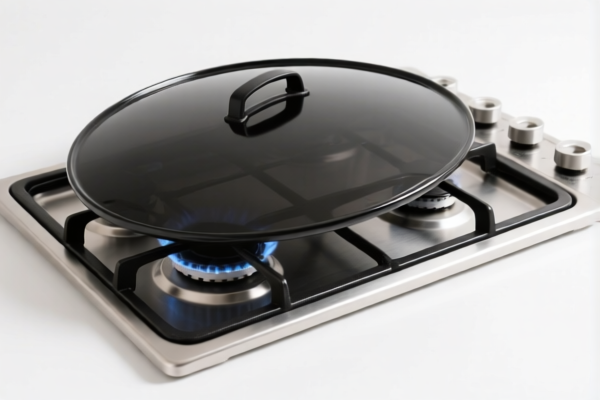
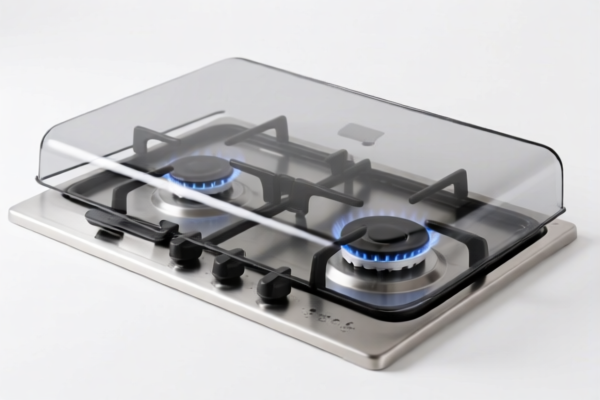
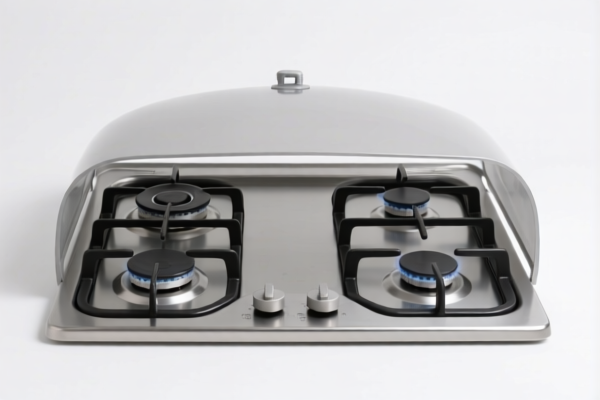
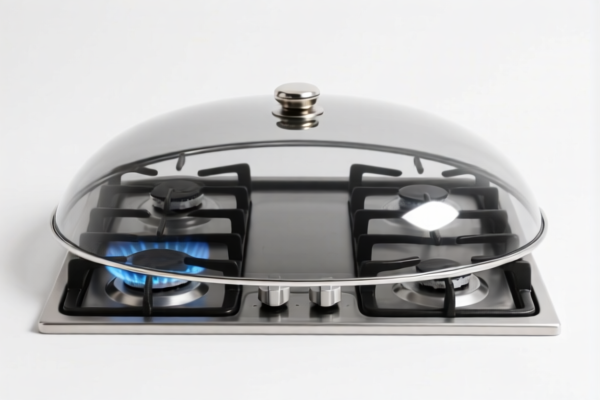
stove cover
CN → US| HS Code | Tariff Rate | Origin | Destination | Doc |
|---|---|---|---|---|
| 8417800000 | 38.9% | CN | US | Official Doc |
| 7321905000 | 85.0% | CN | US | Official Doc |
| 7325991000 | 85.0% | CN | US | Official Doc |
| 7321902000 | 85.0% | CN | US | Official Doc |
| 7325995000 | 87.9% | CN | US | Official Doc |
Product Images
AI Analysis
🔥🌡️ Stove Cover (Cooking Range Parts)
🌐 HS Code Reference & Customs Clearance Guide | 2026 Updated Tariff Analysis | Professional Strategy
📌 I. Product Definition & Classification: What is a "Stove Cover"?
A Stove Cover (often referred to as a "Cooktop Lid," "Griddle Cover," or "Range Hood Cover") is a critical component of cooking appliances. Its primary function is to protect the burner area, retain heat, or serve as a protective shield when not in use.
In international trade, classification depends heavily on material composition and specific function:
Functional Parts: Classified under specific appliance categories (e.g., Iron/Steel Parts of Non-Electric Stoves).
General Castings: If classified as generic metal components without specific appliance integration, they may fall under "Other Cast Iron/Steel Articles."
Material Logic: Most stove covers are made of Cast Iron, Steel, or Refractory Materials* (ceramic/metals) to withstand high heat.
⚠️ Key Distinction:
- Is it a specific part designed for a non-electric household range? → HS 7321
- Is it a general metal casting or part of a metal furnace? → HS 8417 or 7325
📦 II. HS Code Classification Details (2026 Authorized Reference)
Based on the provided data, here are the 5 potential HS Codes for Stove Covers, along with the logic for each classification.
| HS Code | Product Description & Logic | Material Inference | Applicable Context |
|---|---|---|---|
8417.80.00.00 |
Parts of Industrial/Non-Electric Furnaces Logic: Classified as a part of the furnace unit itself. No material conflict. |
Metal or Refractory Materials | Industrial cooking units or heavy-duty furnaces where the cover is an integral part of the heating chamber. |
7321.90.50.00 |
Parts of Household Stoves (Iron/Steel) Logic: Specifically for "Parts of Non-Electric Household Stoves." |
Iron or Steel (Metal) | Standard household stoves (gas/electric) where the cover is a dedicated replacement part for the burner. |
7325.99.10.00 |
Other Cast Iron Articles (Parts) Logic: Inferred as a metal casting, falling under "Other Cast Iron Products." |
Cast Iron | Heavy-duty cast iron covers that are not specifically listed under the "stove parts" sub-heading but fit the "casting" definition. |
7321.90.20.00 |
Parts of Non-Electric Household Stoves (Iron/Steel) Logic: Direct fit for "Parts of Non-Electric Stoves." |
Iron or Steel | The most direct classification for standard metal stove covers used in domestic cooking ranges. |
7325.99.50.00 |
Other Articles of Iron/Steel (Casting/Processed) Logic: Inferred as a processed metal component or casting. |
Iron or Steel | Used when the item is a general metal construction or casting not strictly defined as a "stove part" in the primary list. |
🔍 Critical Insight:
-7321.90.xxcodes are the most specific for stove covers (Parts of Stoves).
-7325.xxcodes are used if the cover is considered a "general casting" rather than a specific appliance part.
-8417applies if the stove cover is part of an industrial furnace system.
💰 III. 2026 Tariff Rate Breakdown (Detailed Tax Analysis)
✅ Applicable Market: United States (US)
✅ Origin: China (CN)
✅ Active Date: 2025/2026 Import Period
⚠️ Note: All rates below include Base Tariff, Section 301 (25%), 122-Section (10%), and Steel/Aluminum/Copper Surcharges (50%) where applicable.
🎯 1. 8417.80.00.00 – Furnace Parts (Industrial/General)
Logic: Based on parts rule, cover is a furnace component.
| Item | Details |
|---|---|
| Base Tariff | 3.9% |
| Section 301 Add-on | +25.0% |
| Section 122 Add-on | +10.0% |
| Total Tax Rate | 38.9% |
| Calculation | CIF Value × 38.9% |
| Legal Path | HS:8417.80.00.00 → 301:25% → 122:10% |
📌 Explanation:
- This code often has a Base Tariff of 3.9% (unlike 0% for pure iron parts), resulting in a slightly lower total tax than the 85% tier.
- Total: 38.9% is the most favorable among the options if the item qualifies as a "furnace part" rather than a "stove part."
🎯 2. 7321.90.50.00 – Parts of Non-Electric Household Stoves (Steel/Aluminum/Copper)
Logic: Specific household stove part, but triggers heavy surcharges.
| Item | Details |
|---|---|
| Base Tariff | 0.0% |
| Section 301 Add-on | +25.0% |
| Section 122 Add-on | +10.0% |
| Steel/Alu/Copper Surcharge | +50.0% |
| Total Tax Rate | 85.0% |
| Calculation | CIF Value × 85.0% |
| Legal Path | HS:7321.90.50.00 → 301:25% → 122:10% → Section 232 (Steel/Alu): 50% |
📌 Explanation:
- Base Tariff is 0%, but this code falls under "Steel/Aluminum/Copper Products".
- The 50% Section 232 surcharge is added on top of the 35% (301+122), creating a massive 85% total.
- High Risk: This is the most expensive classification for metal stove covers.
🎯 3. 7325.99.10.00 – Other Cast Iron Articles (Casting)
Logic: Inferred as a metal casting, general category.
| Item | Details |
|---|---|
| Base Tariff | 0.0% |
| Section 301 Add-on | +25.0% |
| Section 122 Add-on | +10.0% |
| Steel/Alu/Copper Surcharge | +50.0% |
| Total Tax Rate | 85.0% |
| Calculation | CIF Value × 85.0% |
| Legal Path | HS:7325.99.10.00 → 301:25% → 122:10% → Section 232 (Steel/Alu): 50% |
📌 Explanation:
- Like7321.90.50.00, this falls under the "Steel/Aluminum/Copper" surcharge category.
- Total: 85.0%. Avoid this if possible unless the item is clearly a "cast iron artifact" and not a "part."
🎯 4. 7321.90.20.00 – Parts of Non-Electric Household Stoves (Iron/Steel)
Logic: Direct part classification, triggers surcharges.
| Item | Details |
|---|---|
| Base Tariff | 0.0% |
| Section 301 Add-on | +25.0% |
| Section 122 Add-on | +10.0% |
| Steel/Alu/Copper Surcharge | +50.0% |
| Total Tax Rate | 85.0% |
| Calculation | CIF Value × 85.0% |
| Legal Path | HS:7321.90.20.00 → 301:25% → 122:10% → Section 232 (Steel/Alu): 50% |
📌 Explanation:
- Despite being the most accurate description ("Parts of Stoves"), the 50% Steel Surcharge makes it extremely expensive.
- Total: 85.0%.
🎯 5. 7325.99.50.00 – Other Iron/Steel Castings/Processed Goods
Logic: Processed metal component, specific casting category.
| Item | Details |
|---|---|
| Base Tariff | 2.9% |
| Section 301 Add-on | +25.0% |
| Section 122 Add-on | +10.0% |
| Steel/Alu/Copper Surcharge | +50.0% |
| Total Tax Rate | 87.9% |
| Calculation | CIF Value × 87.9% |
| Legal Path | HS:7325.99.50.00 → 301:25% → 122:10% → Section 232 (Steel/Alu): 50% |
📌 Explanation:
- The Base Tariff is 2.9%, but the 50% surcharge still applies.
- Total: 87.9% is the highest rate among all options. Avoid this classification if possible.
🛠️ IV. Customs Clearance Strategy & Practical Advice
✅ 1. Strategic Selection of HS Code
🔥 The "Golden Rule":
8417.80.00.00is your best friend.
- Why? It yields 38.9% total tax.
- Vs. The7321and7325codes which all hit 85% - 87.9% due to the 50% Steel/Aluminum surcharge.
- Action: If your product can be described as a "Furnace Part" (broadly defined to include cooking furnaces/ovens) rather than a "Household Stove Part" (which triggers the specific steel surcharge), claim8417.80.00.00.
✅ 2. Material Justification Documentation
To support the 8417 classification (lower tax), you must prove the material is Refractory or that the item functions as a Furnace Part.
| Document | Purpose |
|----------|---------|
| Product Spec Sheet | Explicitly state "Furnace Component" or "Refractory Metal Housing." |
| Material Certificate | If made of high-grade alloy or refractory material, highlight this to avoid "Steel/Aluminum" surcharge. |
| Usage Statement | "Part of a thermal heating system" rather than "Kitchen Appliance Part." |
| Assembly Drawing | Show integration into the heating chamber, not just a decorative lid. |
✅ 3. Declaration Tips (The "Avoid 85%" Maneuver)
| Scenario | Correct Approach | Wrong Approach |
|---|---|---|
| Product is a Stove Cover | Classify as 8417.80.00.00 (Furnace Part) if design allows. |
Classify as 7321.90.50.00 (Stove Part) → 85% Tax! |
| Material is Cast Iron | Classify as 7325.99.10.00 (General Casting) if not a direct appliance part. |
Classify as 7325.99.50.00 → 87.9% Tax! |
| Steel Content | Avoid "Steel/Aluminum" surcharge triggers by emphasizing "Refractory" or "Industrial" nature. | Admit "Household Steel" → Triggers 50% surcharge. |
✅ 4. Common Pitfalls
❌ Mistake 1: Calling it a "Kitchen Stove Part" → Triggers 85%.
✅ Fix: Call it a "Thermal Furnace Component" or "Industrial Oven Cover" → 38.9%.
❌ Mistake 2: Ignoring the 50% Surcharge on 7321 codes.
✅ Fix: Always check the "Steel/Aluminum/Copper" surcharge rule for 7321 and 7325.
❌ Mistake 3: Splitting the shipment to avoid the surcharge.
✅ Fix: Customs will reject split shipments if they are clearly the same product. Use a Pre-Ruling to validate the 8417 classification.
🌍 V. Global Market Context (2026)
| Region | Primary HS Code | Est. Total Tax (CN Origin) | Key Note |
|---|---|---|---|
| 🇺🇸 USA | 8417.80.00.00 |
38.9% | Best rate if classified as furnace part. |
| 🇺🇸 USA | 7321.90.xxxx |
85.0% - 87.9% | High penalty for household stove parts. |
| 🇪🇺 EU | 7321.90 |
~5-10% | No 301/122 surcharges; standard tariff applies. |
| 🇨🇳 China | 7321.90 |
~5-8% | Domestic import rates are low. |
📌 Conclusion:
- The US market is the most critical here due to the 85% tax trap on7321codes.
- Proactive Re-classification to8417.80.00.00can save ~46% in tax costs (85% - 38.9%).
📌 VI. Final Action Plan
- Review Product Design: Does it function as a "furnace part" (heat containment) or just a "lid"? If the former, lean towards
8417. - Prepare Spec Sheets: Emphasize "Refractory" or "Industrial Heating" aspects in descriptions.
- Apply for Pre-Ruling: If unsure, submit a Binding Tariff Information (BTI) request to US Customs to secure the 38.9% rate legally.
- Avoid
7321: Unless you are ready to pay 85% tax, avoid "Household Stove Parts" classification for steel covers.
🚀 Bottom Line:
"Don't call it a Stove Part if you can call it a Furnace Part. Save 46% Tax!"
✨ Professional Customs Clearance Starts with Precision!
💼 Every percentage point counts. Ensure your Stove Cover is classified correctly to maximize your profit margin!
Customer Reviews
About HS Code Classification
The Harmonized System (HS) is an internationally standardized nomenclature developed by the World Customs Organization (WCO) to classify traded products. Over 200 countries use the HS system as the basis for customs tariffs, trade statistics, and import/export regulations.
Each HS code follows a hierarchical structure:
- Chapter (2 digits) — Broad category of goods (e.g., Chapter 84: Machinery and Mechanical Appliances)
- Heading (4 digits) — More specific grouping within the chapter
- Subheading (6 digits) — Internationally standardized breakdown, used by all WCO member countries
- National subdivisions (8-10 digits) — Country-specific extensions for further classification, such as US HTSUS 10-digit codes
Correct HS code classification is essential for smooth customs clearance, accurate duty payment, and compliance with trade regulations. Misclassification can lead to customs delays, overpayment of duties, or penalties.
When importing from CN to US, the applicable tariff rates may include:
- Most-Favored-Nation (MFN) rate — The standard duty rate applied to WTO members
- General rate — Applied to countries without trade agreements
- Trade remedy duties — Additional tariffs such as Section 301 (anti-dumping), Section 232 (national security), or countervailing duties
The information provided on this page is for reference purposes only. For official classification, please consult with your local customs authority or a licensed customs broker.