stove gap cover
CN → US| HS Code | Tariff Rate | Origin | Destination | Doc |
|---|---|---|---|---|
| 8302416080 | 88.9% | CN | US | Official Doc |
| 8302419080 | 38.5% | CN | US | Official Doc |
| 3926305000 | 22.8% | CN | US | Official Doc |
| 3926909989 | 22.8% | CN | US | Official Doc |
| 7326908688 | 87.9% | CN | US | Official Doc |
| 7326908610 | 87.9% | CN | US | Official Doc |
Product Images
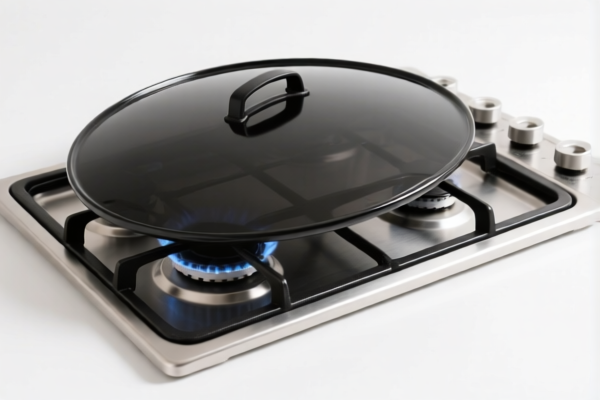
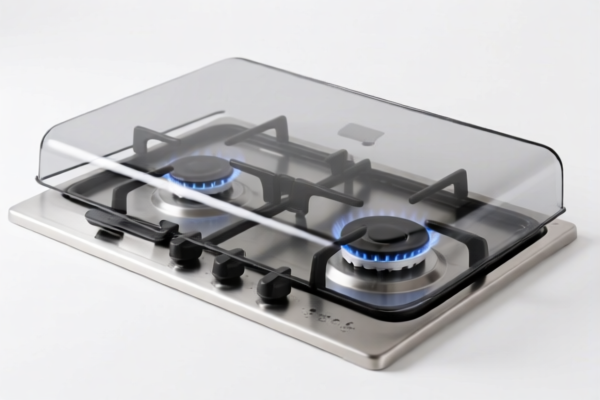
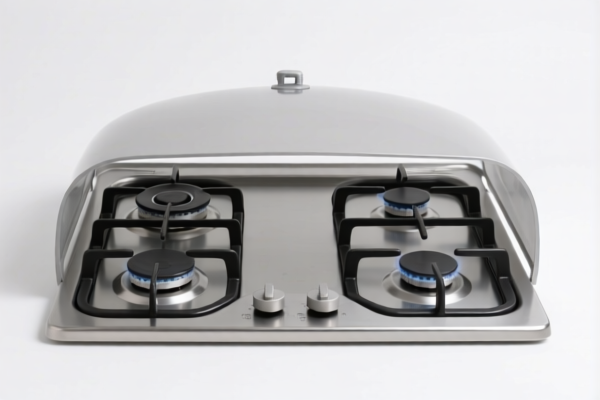
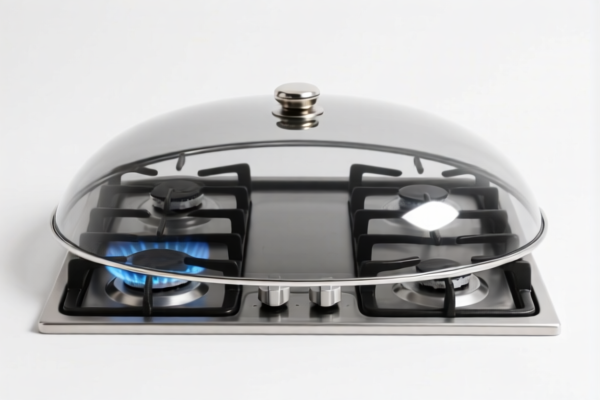
AI Analysis
🔥 Stove Gap Cover (Stove Gap Filler / Cooktop Side Cover)
🌐 HS Code Reference & Customs Clearance Guide | 2026 Latest Tariff Analysis | Professional Clearance Strategy
📌 I. Product Definition & Classification: What Exactly is a "Stove Gap Cover"?
A Stove Gap Cover (also known as a Stove Gap Filler, Side Cover, or Cooktop Gap Blocker) is an accessory designed to fill the awkward space between a stove/cooktop and a countertop or cabinet. Its primary functions are safety (preventing small items from falling in), hygiene (preventing grease/dirt accumulation), and aesthetics.
In international trade, these products are classified based on their material composition: * Plastic Covers: Usually made of PP, ABS, or silicone. Falls under Chapter 39 (Plastics). * Metal Covers: Usually made of Aluminum, Stainless Steel, or Iron. Falls under Chapter 73 (Iron/Steel) or Chapter 83 (Base Metal Fittings). * Wooden Covers: Falls under Chapter 44 (Wood) - Not included in the provided DATA, so excluded here.
⚠️ Key Classification Point:
- If it is Plastic → Likely 3926.30.50.00 or 3926.90.99.89
- If it is Metal (Iron/Steel/Aluminum) → Likely 7326.90.86.88 (General) or 8302.41.60.80 (Fittings for Buildings/Furniture)
- Note: Customs often scrutinizes metal covers under "Fittings for Furniture/Buildings" (Heading 8302) vs. "General Articles" (Heading 7326). The distinction lies in whether it is specifically designed as a mounting fitting or just a generic article.
📦 II. HS Code Classification Details (Based on Provided DATA 2026)
| HS Code | Product Description | Material | Applicable Scenario | Key Feature |
|---|---|---|---|---|
7326.90.86.88 |
Other articles of iron or steel: Other: Other: Other: Other Other | Iron or Steel | Generic metal gap covers, non-specific use | General metal articles, no specific "fitting" function declared |
7326.90.86.10 |
Other articles of iron or steel: ... Laminated goods... | Iron or Steel + Adhesive/Core | Metal covers with non-metallic core | Multi-layer construction with adhesive or non-metallic core |
3926.30.50.00 |
Other articles of plastics...: Fittings for furniture...: Other | Plastic | Plastic gap fillers, brackets for furniture | Specifically marketed as "fittings" or "brackets" |
3926.90.99.89 |
Other articles of plastics...: Other: Other Other | Plastic | Generic plastic gap covers | General plastic articles, not specifically "fittings" |
8302.41.60.80 |
Base metal mountings, fittings...: ... Suitable for buildings: Other: Of iron/steel/aluminum/zinc | Iron, Steel, Aluminum, or Zinc | Metal covers declared as "mountings/fittings for buildings" | Classified as hardware/fitting for structures |
8302.41.90.80 |
Base metal mountings, fittings...: ... Suitable for buildings: Other: Other Other | Base Metal (Non-Feirrous/Other) | Metal fittings for buildings (other than Fe/Al/Zn) | Generic base metal building fittings |
🔍 Critical Note on "Fittings" vs. "Articles":
- Heading 8302 requires the item to be a fitting/mounting suitable for buildings/furniture. If the gap cover is simply a "block" or "cover" without mounting hardware or specific structural integration, customs may reject 8302 and move it to 7326 (General Articles).
- Plastic items are split between 3926.30 (Fittings) and 3926.90 (Other). If it’s a simple filler piece without installation hardware, 3926.90.99.89 is safer.
💰 III. 2026 Tariff Rate Breakdown (Detailed Tax Analysis)
✅ Applicable Country: United States (US)
✅ Origin: China (CN)
✅ Effective Date: Current regulations (Post-2025 adjustments included in DATA)
🎯 1. 7326.90.86.88 – Iron/Steel Articles (General)
| Item | Detail |
|---|---|
| Base Tariff | 2.9% |
| Section 301 Tariff | 25.0% (Standard) |
| Section 232 Tariff | +50% (Specific to Steel, Aluminum, Copper products) |
| Total Tariff | 77.9% |
| Tax Calculation | CIF Value × 77.9% |
| De Minimis Exemption | ❌ Not Eligible (Due to high Section 301/232 rates) |
| Legal Basis | USITC:7326.90.86.88 → Section 301: 25% → Section 232: 50% |
📌 Explanation:
- This code falls under Steel/Aluminum/Copper restrictions. The 50% Section 232 tariff is applied on top of the base and Section 301 tariffs.
- Total Tax: 77.9% is extremely high. Importers must carefully verify if the product truly qualifies as "Section 232 Steel" (e.g., specific alloy, form). If it’s a small accessory, sometimes a different code (like 8302) might offer a lower total tax if interpreted as "fittings" rather than "raw steel articles."
🎯 2. 7326.90.86.10 – Laminated Steel Goods
| Item | Detail |
|---|---|
| Base Tariff | 2.9% |
| Section 301 Tariff | 25.0% |
| Section 232 Tariff | +50% (Steel/Aluminum/Copper) |
| Total Tariff | 77.9% |
| Tax Calculation | CIF Value × 77.9% |
| De Minimis Exemption | ❌ Not Eligible |
| Legal Basis | USITC:7326.90.86.10 → Section 301: 25% → Section 232: 50% |
📌 Note:
- Even if laminated, if it’s primarily steel, it attracts the same heavy penalties.
🎯 3. 3926.30.50.00 – Plastic Fittings for Furniture
| Item | Detail |
|---|---|
| Base Tariff | 0.0% |
| Section 301 Tariff | 0.0% |
| Section 232 Tariff | N/A (Not metal) |
| Total Tariff | 0.0% |
| Tax Calculation | $0 |
| De Minimis Exemption | ✅ Eligible (if value < $800, though plastic may still be subject to other rules) |
| Legal Basis | USITC:3926.30.50.00 |
📌 Advantage:
- Zero Tariff! This is the most cost-effective classification for plastic gap covers.
- Condition: Must be clearly described as "Fittings for Furniture" and not just "Plastic Articles."
🎯 4. 3926.90.99.89 – Other Plastic Articles
| Item | Detail |
|---|---|
| Base Tariff | 5.3% |
| Section 301 Tariff | 7.5% |
| Section 232 Tariff | N/A |
| Total Tariff | 12.8% |
| Tax Calculation | CIF Value × 12.8% |
| De Minimis Exemption | ❌ Not Eligible (Section 301 applies) |
| Legal Basis | USITC:3926.90.99.89 → Section 301: 7.5% |
📌 Note:
- Lower than metal, but higher than "Fittings." Only use if the product cannot be classified as "Fittings" (e.g., it’s a simple plug-in piece).
🎯 5. 8302.41.60.80 – Base Metal Fittings (Buildings/Furniture)
| Item | Detail |
|---|---|
| Base Tariff | 0.0% |
| Section 301 Tariff | 0.0% |
| Section 232 Tariff | +50% (Steel/Aluminum/Copper) |
| Total Tariff | 50.0% |
| Tax Calculation | CIF Value × 50.0% |
| De Minimis Exemption | ❌ Not Eligible |
| Legal Basis | USITC:8302.41.60.80 → Section 232: 50% |
📌 Explanation:
- This code benefits from 0% Base and 0% Section 301.
- However, it is still subject to the 50% Section 232 tariff because it is made of Iron, Steel, Aluminum, or Zinc.
- Total: 50%. This is cheaper than 77.9% (7326) but still high.
- Strategy: Use this code if the product is marketed as "Mounting Hardware" or "Fitting" rather than "Article."
🎯 6. 8302.41.90.80 – Other Base Metal Fittings
| Item | Detail |
|---|---|
| Base Tariff | 0.0% |
| Section 301 Tariff | 0.0% |
| Section 232 Tariff | N/A (Not specified as Fe/Al/Zn in the "Other" bucket, or excluded from 232) |
| Total Tariff | 0.0% |
| Tax Calculation | $0 |
| De Minimis Exemption | ✅ Eligible |
| Legal Basis | USITC:8302.41.90.80 |
📌 Advantage:
- Zero Tariff! This is the best possible outcome for metal gap covers.
- Condition: Must be classified as "Other" base metal fittings, implying it may not be pure steel/aluminum subject to 232, or is excluded. Note: This is risky. If the metal is steel/aluminum, CBP may reclassify to 8302.41.60.80 (50%). Only use if the metal is non-232 base metal (e.g., brass, bronze, or composite).
🛠️ IV. Customs Clearance Operational Advice
✅ 1. Documentation Checklist
| Document | Required | Description |
|---|---|---|
| ✅ Product Specification | ✔️ | Detailed material breakdown (e.g., "100% PP Plastic" or "Aluminum Alloy 6063"). |
| ✅ Photos | ✔️ | Clear images showing mounting holes, brackets, or lack thereof. |
| ✅ Commercial Invoice | ✔️ | Must accurately describe the item (e.g., "Plastic Stove Gap Cover" or "Aluminum Fitting for Cooktop"). |
| ✅ Packing List | ✔️ | Weight, dimensions, quantity. |
| ✅ Material Declaration | ✔️ | Explicitly state if material is Steel/Aluminum (triggers Section 232) or Plastic. |
| ✅ FCC/CE Certification | ⚠️ | Not always required for gap covers, but if it has electronic components (rare), it is needed. |
✅ 2. Declaration Strategy & Tips
🔥 "Material Dictates Duty, Description Dictates Code!"
| Scenario | Recommended HS Code | Reason |
|---|---|---|
| Plastic Gap Cover | 3926.30.50.00 |
Best for "Fittings" claim. 0% Tax. |
| Simple Plastic Block | 3926.90.99.89 |
Safe if not a "fitting." 12.8% Tax. |
| Steel/Aluminum Cover | 8302.41.60.80 |
Declare as "Mounting Fitting." 50% Tax. |
| Steel/Aluminum Cover | 7326.90.86.88 |
If no mounting function. 77.9% Tax. (Avoid if possible) |
| Non-Steel/Aluminum Metal | 8302.41.90.80 |
Only if material is not Fe/Al/Zn. 0% Tax. (High risk of reclassification) |
✅ 3. Special Considerations
| Situation | Advice |
|---|---|
| Mixed Materials | If the cover is plastic but has metal screws/brackets, declare based on essential character. Usually, the plastic body dominates → 3926. |
| Section 232 Risk | For metal products, always verify if the alloy is covered by Section 232. Stainless steel is often included. |
| Pre-Ruling | For large volumes, apply for a Binding Ruling from CBP to confirm if 8302.41.60.80 (50%) or 7326 (77.9%) applies. This saves significant money. |
| De Minimis | Plastic items (3926) may qualify for de minimis if valued under $800, but metal items under Section 301/232 generally do not. |
🌍 V. Global Market Comparison (2026)
| Country/Region | Recommended HS Code | Tariff Rate | Certification | Notes |
|---|---|---|---|---|
| 🇺🇸 USA | 3926.30.50.00 (Plastic) |
0% | No special | Best for plastic. Metal is 50-77.9%. |
| 🇺🇸 USA | 8302.41.60.80 (Metal) |
50% | None | High tariff due to Steel/Al. |
| 🇪🇺 EU | 3926.90.99 (Plastic) |
6.5% | CE/RoHS | No Section 232/301. |
| 🇪🇺 EU | 7326.90.89 (Metal) |
4.7% | CE | Lower than US. No 232. |
| 🇨🇳 China | 3926.30.00 |
0-5% | CCC | Low tariffs for imports. |
📌 Conclusion:
- USA is the most expensive market for metal gap covers due to Section 232/301.
- Plastic gap covers are the most tariff-efficient for US imports.
- Metal gap covers should be carefully engineered to avoid Section 232 coverage if possible (e.g., using non-steel alloys), or accept the 50-77.9% cost.
📌 VI. Common Mistakes & Pitfalls
❌ Mistake 1: Declaring a Steel cover as 8302.41.90.80 (0%) when it is actually Steel/Aluminum.
👉 Result: CBP will reclassify to 8302.41.60.80 (50%) + penalties.
❌ Mistake 2: Declaring a Plastic cover as 3926.90.99.89 (12.8%) when it can be 3926.30.50.00 (0%).
👉 Result: Overpaying 12.8% tariff unnecessarily.
❌ Mistake 3: Ignoring Section 232 for metal products.
👉 Result: Unexpected 50% tariff addition.
✅ Correct Approach:
"Material First, Function Second. Plastic for Zero Duty, Metal for Caution."
🎯 VII. Final Recommendations
🎯 Key Takeaways:
🔹 Plastic Covers: Aim for
3926.30.50.00(0% Tax). Describe as "Fittings for Furniture."
🔹 Metal Covers: Expect 50% - 77.9%. Try to qualify for8302.41.60.80(50%) by emphasizing "Mounting Fitting" role. Avoid7326if possible.
🔹 Documentation: Always include material specs. If steel, declare alloy type.
🔹 Pre-Ruling: For metal products, get a CBP Pre-Ruling to avoid 77.9% if 50% is defensible.
📣 Immediate Action:
📞 Contact Customs Broker: Provide material SDS (Safety Data Sheet) and product images.
🚀 Optimize Supply Chain: If using steel/aluminum, consider non-US production or alternative materials (plastic/wood) to save up to 77% in tariffs.
✨ Professional Customs Clearance Starts with Accurate Classification!
💼 Every Percentage Point Saved is Pure Profit!
Customer Reviews
About HS Code Classification
The Harmonized System (HS) is an internationally standardized nomenclature developed by the World Customs Organization (WCO) to classify traded products. Over 200 countries use the HS system as the basis for customs tariffs, trade statistics, and import/export regulations.
Each HS code follows a hierarchical structure:
- Chapter (2 digits) — Broad category of goods (e.g., Chapter 84: Machinery and Mechanical Appliances)
- Heading (4 digits) — More specific grouping within the chapter
- Subheading (6 digits) — Internationally standardized breakdown, used by all WCO member countries
- National subdivisions (8-10 digits) — Country-specific extensions for further classification, such as US HTSUS 10-digit codes
Correct HS code classification is essential for smooth customs clearance, accurate duty payment, and compliance with trade regulations. Misclassification can lead to customs delays, overpayment of duties, or penalties.
When importing from CN to US, the applicable tariff rates may include:
- Most-Favored-Nation (MFN) rate — The standard duty rate applied to WTO members
- General rate — Applied to countries without trade agreements
- Trade remedy duties — Additional tariffs such as Section 301 (anti-dumping), Section 232 (national security), or countervailing duties
The information provided on this page is for reference purposes only. For official classification, please consult with your local customs authority or a licensed customs broker.