strapping tools
CN → US| HS Code | Tariff Rate | Origin | Destination | Doc |
|---|---|---|---|---|
| 8479899599 | 87.5% | CN | US | Official Doc |
| 8422409140 | 35.0% | CN | US | Official Doc |
| 8479896500 | 20.3% | CN | US | Official Doc |
Product Images
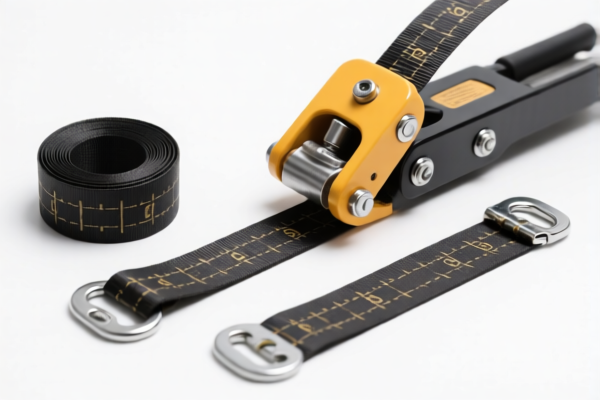
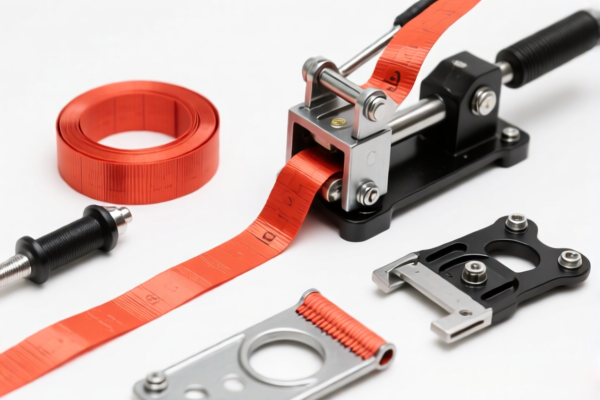
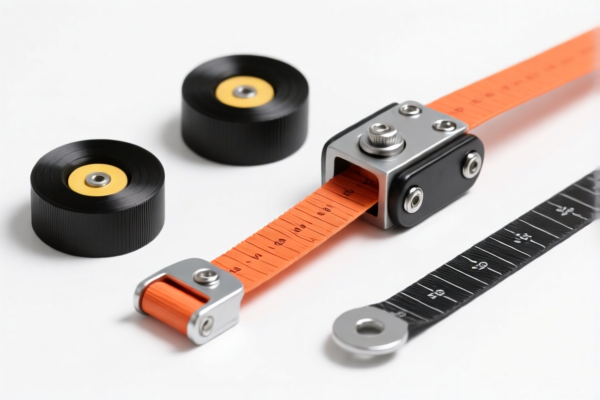
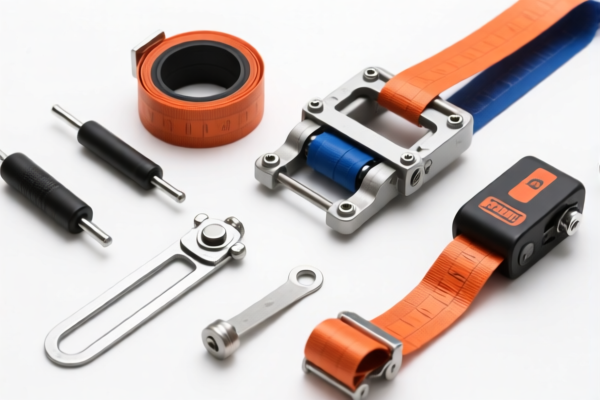
AI Analysis
🖥️ Strapping Tools (Packaging Machinery)
🌐 HS Code Reference & Customs Clearance Guide | 2026 Latest Tariff Analysis | Professional Clearance Strategy 📌 I. Product Definition & Classification: Do You Truly Understand "Strapping Tools"?
"Strapping Tools" (often referred to as Strapping Machines or Packaging Machines) are mechanical devices used to bundle, palletize, stabilize, and secure packages for shipping. In international trade, classification depends heavily on whether the machine is dedicated solely to strapping or has a more general independent function.
Dedicated Strapping Machines: Machines specifically designed for applying steel, plastic, or fiber bands to secure loads. These fall under specific packing machine headings. General Purpose Mechanical Appliances: Machines that perform a specific function but don't fit the strict "packing machine" definition, or are classified under "other independent function machinery."
⚠️ Key Distinction Point: - If the machine is explicitly designed for strapping/banding (applying straps to boxes/pallets) → It matches the description in Heading 8422 (Packing machines). - If the machine has a broader "independent function" not strictly defined as a "packing machine" in the specific sub-heading notes → It may fall under the residual category "Other machinery" in Heading 8479.
📦 II. HS Code Classification Details (2026 Latest Tariff Authority Comparison)
Based on the provided data, there are three potential classifications for "Strapping Tools." The correct choice depends on the specific mechanical design and function verification.
| HS Code | Product Description | Application Scenario | Classification Logic |
|---|---|---|---|
8422.40.91.40 |
Strapping Machines (Strapping Machines) Dedicated packaging equipment |
Machines specifically for strapping/banding packages | ✅ Exact Match: The summary states this HS code fully matches the use "for strapping mechanical equipment." |
8479.89.95.99 |
Other Machinery Appliances (Residual Category) |
Machines with independent functions not elsewhere specified | ⚠️ Fallback: If not deemed a strict "packing machine" under 8422, it falls here as a general independent mechanical appliance. |
8479.89.65.00 |
Other Machinery with Independent Function | Other independent mechanical devices | ⚠️ Alternative: Another residual category for independent machinery, potentially with different technical specifications or duty treatment. |
🔍 Important Reminder: -
8422.40.91.40is the most precise classification for dedicated strapping tools because the summary explicitly states: "Product name 'Strapping Machine' fully matches the use 'Mechanical equipment for strapping' in the classification explanation." -8479codes are residual categories ("Other machinery"). Use these only if the specific strapping tool does not fit the strict definition of 8422 or if specific technical exclusions apply. - Misclassification can lead to significant duty differences (from 35% to 87.5%).
💰 III. 2026 Latest Tariff Rate Details (Including Additional Taxes & Policy Surcharges)
✅ Applicable Country: United States (US) ✅ Origin: China (CN) ✅ Effective Time: 2025/2026 Tariff Schedule
🎯 1. 8422.40.91.40 —— Dedicated Strapping Machines (Recommended for Most Cases)
| Item | Content |
|---|---|
| Base Tariff | 0.0% (Ad valorem) |
| USITC Supplementary Tax (Section 301) | +25.0% |
| 122-Clause Tariff | +10.0% |
| Total Tariff Rate | 35.0% |
| Tax Calculation | CIF Value × 35% |
| De Minimis Exemption | ❌ Not Available (Denied) |
| Legal Basis Path | USITC:8422.40.91.40 → Footnote: 10% → Section 301: 25% |
📌 Explanation: - Base Tariff 0%: Dedicated packing/strapping machines often enjoy low or zero base duties. - 10% 122-Clause Tariff: Applied to certain industrial machinery from China. - 25% Section 301 Tariff: Standard additional duty on many Chinese mechanical goods. - Total 35%: This is the most cost-effective option among the three choices, provided the machine is correctly identified as a dedicated strapping tool.
🎯 2. 8479.89.65.00 —— Other Machinery with Independent Function
| Item | Content |
|---|---|
| Base Tariff | 2.8% (Ad valorem) |
| USITC Supplementary Tax | +7.5% |
| 122-Claude Tariff | +10.0% |
| Total Tariff Rate | 20.3% |
| Tax Calculation | CIF Value × 20.3% |
| De Minimis Exemption | ❌ Not Available |
| Legal Basis Path | USITC:8479.89.65.00 → Footnote: 10% → USITC: 7.5% |
📌 Explanation: - Lowest Total Rate (20.3%): If the customs authority classifies your strapping tool as "other independent machinery" rather than a "packing machine," the tariff is significantly lower. - Risk: This classification is less direct. It applies if the machine's function is interpreted broadly as an "independent mechanical device" rather than a specific "packing machine." - Caution: Ensure the machine's technical documentation supports this broader classification to avoid rejection.
🎯 3. 8479.89.95.99 —— Other Machinery Appliances (Residual)
| Item | Content |
|---|---|
| Base Tariff | 2.5% (Ad valorem) |
| USITC Supplementary Tax | +25.0% |
| 122-Claude Tariff | +10.0% |
| 10% Steel/Aluminum/Copper Tariff | +50.0% |
| Total Tariff Rate | 87.5% |
| Tax Calculation | CIF Value × 87.5% |
| De Minimis Exemption | ❌ Not Available |
| Legal Basis Path | USITC:8479.89.95.99 → Footnote: 10% → Section 301: 25% → Section 232: 50% |
📌 Explanation: - Highest Rate (87.5%): This classification triggers Section 232 Tariffs (50% on steel/aluminum/copper products) in addition to Section 301 (25%) and 122-Clause (10%). - Why?: If the strapping tool is made significantly of steel/aluminum components, customs may apply the 50% additional duty. - Action: Avoid this classification if possible. It is the most expensive and likely a misclassification for general strapping tools unless they are heavily metal-based industrial presses.
🛠️ IV. Customs Clearance Practical Suggestions (Practical Pitfall Avoidance Guide)
✅ 1. Preparation Material Checklist (All Required)
| Material | Required | Description |
|---|---|---|
| ✅ Product Specification Sheet | ✔️ | Must detail dimensions, weight, power supply, strap type (steel/plastic/fiber), and tension capacity. |
| ✅ Technical Diagram/Circuit Schematic | ✔️ | Crucial to prove if it is a "dedicated strapping machine" (8422) or "general machinery" (8479). |
| ✅ Product Photos (Including Nameplate) | ✔️ | Clear view of model number, brand, input/output parameters, and key mechanical parts. |
| ✅ Commercial Invoice | ✔️ | Must clearly state "Strapping Machine" or "Packaging Machine," not generic "Tool." |
| ✅ Packing List | ✔️ | Detail all accessories (motors, straps, tensioners) to prevent split shipment issues. |
| ✅ Certificate of Origin (CO) | ✔️ | Required to verify China origin for Section 301/232 tariffs. |
✅ 2. Declaration Strategy (Key Mantra)
🔥 "Dedicated Function Wins, General Function Rides, Metal Content Raises the Price!"
| Scenario | Correct Declaration | Incorrect Practice |
|---|---|---|
| Dedicated Strapping Machine | 8422.40.91.40 |
Misdeclare as 8479.89.95.99 → 87.5% Tax |
| General Independent Machinery | 8479.89.65.00 |
Misdeclare as 8422 → Potential audit if function differs |
| High Steel/Aluminum Content | Beware of 8479.89.95.99 |
Ignore material composition → 50% Section 232 Surcharge |
| Strapping Tool + Stand + Power | Declare as One Unit | Split declaration → Higher total tax on components |
✅ 3. Special Case Handling
| Situation | Handling Advice |
|---|---|
| Handheld vs. Automatic | Both can fall under 8422 if dedicated. Handheld may still be 8422 if it performs the strapping function. |
| Steel Strap Applicator | If primarily made of steel and performs a pressing/cutting function, Section 232 (50%) may apply if misclassified as general machinery. Stick to 8422 if possible. |
| OEM Custom Strapping Machine | Provide client order + design drawings to prove "dedicated use" for 8422.40.91.40. |
| Used Strapping Machine | Ensure it meets US environmental/safety standards; age may affect valuation but not HS code. |
🌍 V. Global Market Customs Clearance Comparison (2026 Latest)
| Country/Region | Recommended HS Code | Tariff (China Origin) | Certification Requirements | Notes |
|---|---|---|---|---|
| 🇺🇸 USA | 8422.40.91.40 |
35% (Base 0 + 10% + 25%) | FCC, UL (if electrical) | Avoid 8479.89.95.99 due to 50% extra tax. |
| 🇨🇳 China | 8422.40.91.40 |
~5-10% | CCC (if applicable) | Lower tariffs, no Section 301. |
| 🇪🇺 EU | 8422.30 (Similar) |
0-4% | CE, RoHS | Generally lower duties than US. |
| 🇦🇺 Australia | 8422.40 |
5% | RCM | No major surcharges. |
📌 Conclusion: - USA is the most complex market due to multiple layers of additional tariffs (Section 301, 122-Clause, 232). - Correct Classification is Critical: Choosing
8422.40.91.40(35%) vs.8479.89.95.99(87.5%) saves 52.5% in duties. - China-origin strapping tools face high US tariffs, but8422is the best available option within the provided data.
📌 VI. Common Errors & Pitfall Guide (Blood Lessons)
❌ Error 1: Declaring a Dedicated Strapping Machine as "Other Machinery" (8479.89.95.99)
👉 Consequence: 87.5% Tariff due to Section 232 (50%) + Section 301 (25%) + 122-Clause (10%). Massive Cost Increase.
❌ Error 2: Failing to declare Steel/Aluminum Content
👉 Consequence: If classified under 8479.89.95.99, the 50% steel tariff is applied automatically. Avoid this code unless necessary.
❌ Error 3: Using Generic Terms like "Packaging Tool" 👉 Consequence: Customs may classify as "Other Machinery" and apply the highest rate. Use Specific Terms: "Strapping Machine."
❌ Error 4: Splitting Declaration for Accessories 👉 Consequence: Higher total tax on separate components. Declare the entire system as one unit.
✅ Correct Practice:
"Automatic Strapping Machine, Model XYZ, For Plastic/Steel Straps, 220V, 50/60Hz, With Tensioner and Sealer, FCC Certified"
🎯 VII. Conclusion: Professional Declaration, Save Time, Reduce Costs!
🎯 Remember the Mantra:
🔹 "Dedicated Strapping = 8422.40.91.40 = 35% Tax" 🔹 "General Machinery = 8479.89.95.99 = 87.5% Tax (Avoid!)" 🔹 "Check Steel Content = Avoid 50% Section 232 Surcharge"
📌 Pro Tip:
If your strapping tool has significant steel/aluminum components, consider Section 232 exemptions or reclassification to 8479.89.65.00 (20.3%) if technically defensible. However, 8422.40.91.40 is the safest and most accurate for dedicated strapping functions.
📞 Action Item: - Contact a professional customs broker. - Provide detailed technical specs. - Consider filing an Advance Ruling with US CBP to confirm HS Code
8422.40.91.40.
✨ Professional Customs Clearance Starts with Precise Classification! 💼 Every Cent of Cost Must Be Precisely Calculated!
Customer Reviews
About HS Code Classification
The Harmonized System (HS) is an internationally standardized nomenclature developed by the World Customs Organization (WCO) to classify traded products. Over 200 countries use the HS system as the basis for customs tariffs, trade statistics, and import/export regulations.
Each HS code follows a hierarchical structure:
- Chapter (2 digits) — Broad category of goods (e.g., Chapter 84: Machinery and Mechanical Appliances)
- Heading (4 digits) — More specific grouping within the chapter
- Subheading (6 digits) — Internationally standardized breakdown, used by all WCO member countries
- National subdivisions (8-10 digits) — Country-specific extensions for further classification, such as US HTSUS 10-digit codes
Correct HS code classification is essential for smooth customs clearance, accurate duty payment, and compliance with trade regulations. Misclassification can lead to customs delays, overpayment of duties, or penalties.
When importing from CN to US, the applicable tariff rates may include:
- Most-Favored-Nation (MFN) rate — The standard duty rate applied to WTO members
- General rate — Applied to countries without trade agreements
- Trade remedy duties — Additional tariffs such as Section 301 (anti-dumping), Section 232 (national security), or countervailing duties
The information provided on this page is for reference purposes only. For official classification, please consult with your local customs authority or a licensed customs broker.