straw cover
CN → US| HS Code | Tariff Rate | Origin | Destination | Doc |
|---|---|---|---|---|
| 3923500000 | 40.3% | CN | US | Official Doc |
| 4016991500 | 20.2% | CN | US | Official Doc |
| 3923900080 | 38.0% | CN | US | Official Doc |
| 4016990500 | 20.9% | CN | US | Official Doc |
| 4823908000 | 35.0% | CN | US | Official Doc |
Product Images
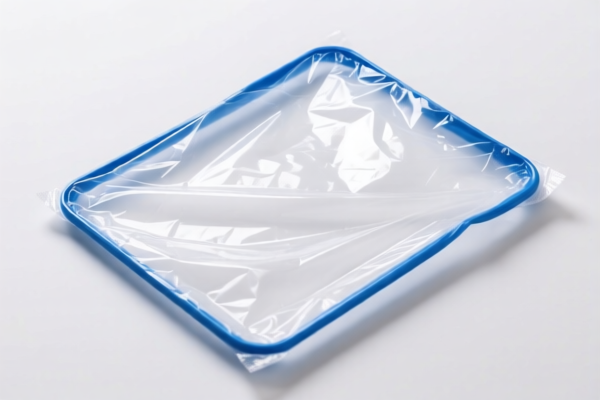
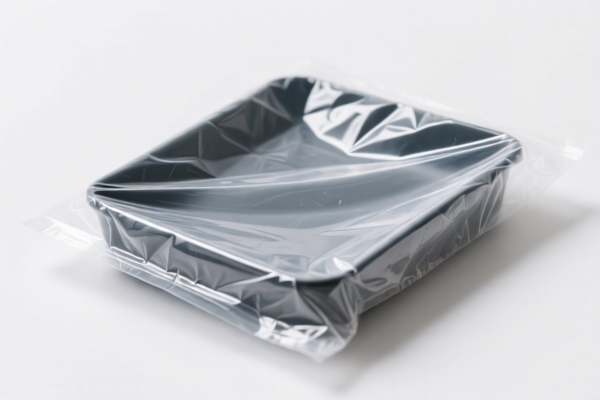
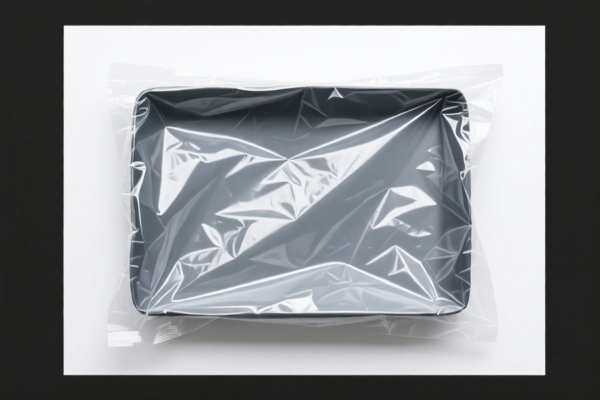
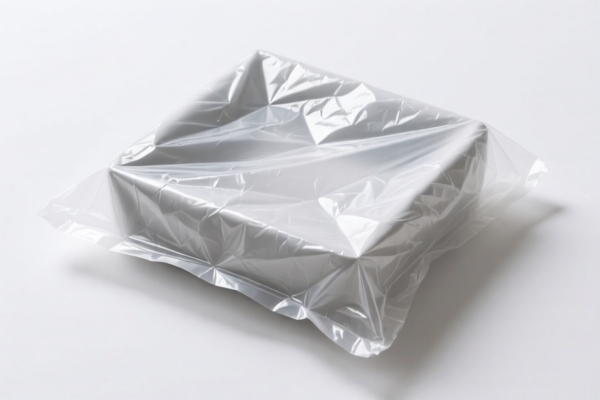
AI Analysis
🥤 Straw Covers & Straws (Packaging Materials)
🌐 HS Code Reference & Customs Clearance Guide | 2026 Latest Tariff Analysis | Professional Clearance Strategy
📌 I. Product Definition & Classification: Do You Really Know "Straw Covers"?
Straw covers (also known as straw caps, lids, or seals) are small packaging components designed to seal drinking straws, ensuring hygiene and preventing leakage before use. In international trade, they are primarily classified based on their material composition:
- Plastic Straw Covers: Typically made of polypropylene (PP) or polyethylene (PE); classified under Chapter 39 (Plastics).
- Rubber/Plastic Composite Covers: If the material is primarily rubber or a specific elastomer blend; classified under Chapter 40 (Rubber).
- Paper Straws: The straws themselves, if made of paper; classified under Chapter 48 (Paper).
⚠️ Key Distinction Point:
- If the item is a plastic cap/cover → It falls under Chapter 39 (Plastics) with high tariffs due to Section 301/122 clauses.
- If the item is a rubber-like cover → It falls under Chapter 40 (Rubber) with moderate tariffs.
- If the item is a paper straw → It falls under Chapter 48 (Paper) with high tariffs.
📦 II. HS Code Classification Details (2026 Latest Tariff Authority Cross-Reference)
Based on the provided data, here are the specific HS Codes for "Straw Covers" and related items:
| HS Code | Product Description | Material | Classification Logic | Total Tax Rate (CN→US) |
|---|---|---|---|---|
3923.50.00.00 |
Straw Covers (Plastic) | Plastic | Tight-fitting lids/caps (Plastics) | 40.3% |
4016.99.15.00 |
Straw Covers (Rubber/Plastic) | Rubber/Plastic | Other rubber articles: Caps/Closures | 20.2% |
4016.99.05.00 |
Straw Covers (Rubber/Plastic) | Rubber/Plastic | Other rubber articles: Household articles | 20.9% |
3923.90.00.80 |
Straw Covers (Plastic) | Plastic | Plastic caps, plugs, stoppers & other sealing accessories | 38.0% |
4823.69.00.40 |
Straws (Paper) | Paper | Paper cups and similar articles | 35.0% |
🔍 Key Reminder:
- Plastic covers are heavily taxed (38-40.3%) due to higher base tariffs and 301/122 duties.
- Rubber-based covers offer significant savings (~20%), but require strict material proof.
- Paper straws are taxed at 35%, which is lower than plastic caps but still substantial.
💰 III. 2026 Latest Tariff Rate Details (Including Additional Duties & Policy Surcharges)
✅ Applicable Country: United States (US)
✅ Country of Origin: China (CN)
✅ Effective Time: Current applicable rates (Section 301 & 122 Clauses)
🎯 1. 3923.50.00.00 —— Plastic Straw Covers (Tight-fitting Lids)
| Item | Content |
|---|---|
| Base Tariff | 5.3% (ad valorem) |
| Section 301 Additional Duty | +25.0% |
| Section 122 Additional Duty | +10.0% |
| Total Tariff Rate | 40.3% |
| Tax Calculation | CIF Value × 40.3% |
| De Minimis Exemption | ❌ Not Eligible (Value exceeds threshold or item type excluded) |
| Legal Basis Path | USITC:3923.50.00.00 → Footnote 122 → Section 301 |
📌 Explanation:
- This is the highest tariff bracket for straw covers.
- The combination of Base (5.3%) + Sec 301 (25%) + Sec 122 (10%) creates a massive cost burden.
- Strategy Avoidance: Avoid this HS code if a rubber alternative is viable.
🎯 2. 4016.99.15.00 —— Rubber/Plastic Covers (Caps/Closures)
| Item | Content |
|---|---|
| Base Tariff | 2.7% (ad valorem) |
| Section 301 Additional Duty | +7.5% |
| Section 122 Additional Duty | +10.0% |
| Total Tariff Rate | 20.2% |
| Tax Calculation | CIF Value × 20.2% |
| De Minimis Exemption | ❌ Not Eligible |
| Legal Basis Path | USITC:4016.99.15.00 → Footnote 122 → Section 301 |
📌 Note:
- This is the most cost-effective option for covers if the material can be classified as rubber or rubber-like.
- Section 301 duty is only 7.5% here, compared to 25% for plastics.
- Requirement: Material must be verifiable as rubber or a specific elastomer blend, not pure plastic.
🎯 3. 4016.99.05.00 —— Rubber/Plastic Covers (Household Articles)
| Item | Content |
|---|---|
| Base Tariff | 3.4% (ad valorem) |
| Section 301 Additional Duty | +7.5% |
| Section 122 Additional Duty | +10.0% |
| Total Tariff Rate | 20.9% |
| Tax Calculation | CIF Value × 20.9% |
| De Minimis Exemption | ❌ Not Eligible |
| Legal Basis Path | USITC:4016.99.05.00 → Footnote 122 → Section 301 |
📌 Note:
- Slightly higher than4016.99.15.00but still significantly cheaper than plastic.
- Classified as "Other household articles" made of rubber.
🎯 4. 3923.90.00.80 —— Plastic Covers (General Sealing Accessories)
| Item | Content |
|---|---|
| Base Tariff | 3.0% (ad valorem) |
| Section 301 Additional Duty | +25.0% |
| Section 122 Additional Duty | +10.0% |
| Total Tariff Rate | 38.0% |
| Tax Calculation | CIF Value × 38.0% |
| De Minimis Exemption | ❌ Not Eligible |
| Legal Basis Path | USITC:3923.90.00.80 → Footnote 122 → Section 301 |
📌 Note:
- Similar to3923.50.00.00, this suffers from the 25% Section 301 duty.
- Use only if the product cannot be classified as a "tight-fitting lid" but is still a plastic sealing accessory.
🎯 5. 4823.69.00.40 —— Paper Straws
| Item | Content |
|---|---|
| Base Tariff | 0.0% (ad valorem) |
| Section 301 Additional Duty | +25.0% |
| Section 122 Additional Duty | +10.0% |
| Total Tariff Rate | 35.0% |
| Tax Calculation | CIF Value × 35.0% |
| De Minimis Exemption | ❌ Not Eligible |
| Legal Basis Path | USITC:4823.69.00.40 → Footnote 122 → Section 301 |
📌 Note:
- Base tariff is 0%, but the 25% Sec 301 duty makes it expensive.
- This applies to the straw itself, not the cover. If exporting paper straws with plastic covers, they may be split or classified separately.
🛠️ IV. Customs Clearance Practical Advice (Real-World Pitfall Avoidance Guide)
✅ 1. Documentation Checklist (Missing Items Not Allowed)
| Document | Required | Description |
|---|---|---|
| ✅ Product Specification Sheet | ✔️ | Must specify material composition (e.g., "100% PP" vs. "Natural Rubber Blend") |
| ✅ Material Test Report | ✔️ | ISO/SGS report confirming polymer type. Critical for distinguishing Chapter 39 vs. 40. |
| ✅ Product Photos (Clear) | ✔️ | Show texture, flexibility, and any markings. |
| ✅ Commercial Invoice | ✔️ | Clearly state "Straw Cover (Rubber)" or "Straw Cover (Plastic)" to match HS Code. |
| ✅ Packing List | ✔️ | Separate plastic covers from paper straws if shipped together to avoid misclassification. |
| ✅ Origin Certificate (CO) | ✔️ | If exported from non-China countries, may avoid Section 301/122 duties. |
✅ 2. Declaration Tips (Key Mantra)
🔥 "Material Defines Duty, Rubber Saves 20%, Plastic Costs 40%!"
| Scenario | Correct Declaration | Wrong Practice |
|---|---|---|
| Plastic Cover | 3923.50.00.00 (40.3%) |
Misdeclare as rubber → Fraud Risk |
| Rubber Cover | 4016.99.15.00 (20.2%) |
Misdeclare as plastic → Unnecessary high tax |
| Paper Straw | 4823.69.00.40 (35.0%) |
Declare as "Accessory" → Rejection |
| Mixed Shipment | Split Declaration | Bundle plastic + rubber → Customs confusion |
✅ 3. Special Situation Handling
| Situation | Handling Advice |
|---|---|
| OEM Custom Covers | Provide client order + material specs. Avoid vague terms like "Packaging Material." |
| Hybrid Materials | If cover is plastic with a rubber seal, clarify if it’s "primarily plastic" (Ch 39) or "primarily rubber" (Ch 40). Rubber classification is preferred for tax savings. |
| Export from Vietnam/Mexico | If manufactured there, apply for Preferential Tariff to avoid Section 301/122 duties. Tax may drop to <10%. |
| Samples | Even for samples, declare accurately. De minimis exemptions often do not apply to Chinese origin goods under current rules. |
🌍 V. Global Market Clearance Comparison (2026 Latest)
| Country/Region | Recommended HS Code | Tariff (CN Origin) | Certification | Remarks |
|---|---|---|---|---|
| 🇺🇸 USA | 4016.99.15.00 |
20.2% (Rubber) / 40.3% (Plastic) | FDA (if food contact) | Highest penalty for misclassification. |
| 🇨🇳 China | 3923.50.00.00 |
5-6% | N/A | Low import duty, but check export regulations. |
| 🇪🇺 EU | 3923.50 |
0-2% | LFGB/FDA | No Section 301/122 equivalents. |
| 🇬🇧 UK | 3923.50 |
0-2% | UKCA | Post-Brexit rules apply. |
📌 Conclusion:
- USA is the most expensive market due to Section 301 and 122 duties.
- Material choice is critical: Switching from plastic to rubber classification can halve your tax burden.
- Non-China origins (Vietnam, Malaysia, Mexico) offer massive tariff advantages.
📌 VI. Common Errors & Pitfall Avoidance (Blood & Tears Lessons)
❌ Error 1: Declaring plastic covers as "Rubber" without proof
👉 Consequence: Customs audit, fines, back taxes, and potential fraud charges.
❌ Error 2: Using generic term "Packaging Material"
👉 Consequence: Customs will guess the HS code, likely picking the highest duty rate (Plastic).
❌ Error 3: Ignoring Section 122 Clause
👉 Consequence: Unexpected 10% surcharge on top of 301 duties. Many traders forget this!
❌ Error 4: Mixing Paper Straws and Plastic Covers in one HS Code
👉 Consequence: Misclassification, delay in clearance, and possible rejection.
✅ Correct Practice:
"Straw Cover, Material: Natural Rubber Blend, Function: Sealing, Model: SC-101, FDA Compliant"
🎯 VII. Conclusion: Precision in Classification Saves Money!
🎯 Remember the Mantra:
🔹 "Plastic is 40%, Rubber is 20%, Paper is 35%."
🔹 "Material Test Report is your best friend for Customs."
🔹 "Don't guess HS Code, let material define it!"
📌 Pro Tip:
If your straw covers are made in Vietnam, Thailand, or Mexico, you can likely avoid the Section 301 (25%) and Section 122 (10%) duties entirely.
Action Plan:
1. Verify Material: Get an SGS/Intertek report proving rubber content if possible.
2. Consider Supply Chain Shift: If volume is high, move production to non-China countries.
3. Pre-Consult Customs: Get an Advance Ruling if unsure about material classification.
📣 Immediate Action:
📞 Contact a licensed customs broker + Provide Material Test Report + Apply for HS Code Pre-ruling
🚀 Ensure smooth customs clearance, avoid unexpected taxes, and maximize your profit margins!
✨ Professional Customs Clearance Starts with Accurate Classification!
💼 Every percentage point in tax saves you real money!
Customer Reviews
About HS Code Classification
The Harmonized System (HS) is an internationally standardized nomenclature developed by the World Customs Organization (WCO) to classify traded products. Over 200 countries use the HS system as the basis for customs tariffs, trade statistics, and import/export regulations.
Each HS code follows a hierarchical structure:
- Chapter (2 digits) — Broad category of goods (e.g., Chapter 84: Machinery and Mechanical Appliances)
- Heading (4 digits) — More specific grouping within the chapter
- Subheading (6 digits) — Internationally standardized breakdown, used by all WCO member countries
- National subdivisions (8-10 digits) — Country-specific extensions for further classification, such as US HTSUS 10-digit codes
Correct HS code classification is essential for smooth customs clearance, accurate duty payment, and compliance with trade regulations. Misclassification can lead to customs delays, overpayment of duties, or penalties.
When importing from CN to US, the applicable tariff rates may include:
- Most-Favored-Nation (MFN) rate — The standard duty rate applied to WTO members
- General rate — Applied to countries without trade agreements
- Trade remedy duties — Additional tariffs such as Section 301 (anti-dumping), Section 232 (national security), or countervailing duties
The information provided on this page is for reference purposes only. For official classification, please consult with your local customs authority or a licensed customs broker.