suction cup silicone drain cover
CN → US| HS Code | Tariff Rate | Origin | Destination | Doc |
|---|---|---|---|---|
| 4016910000 | 37.7% | CN | US | Official Doc |
| 3926909989 | 22.8% | CN | US | Official Doc |
| 4016990500 | 20.9% | CN | US | Official Doc |
| 3926904590 | 13.5% | CN | US | Official Doc |
| 4016996050 | 37.5% | CN | US | Official Doc |
Product Images
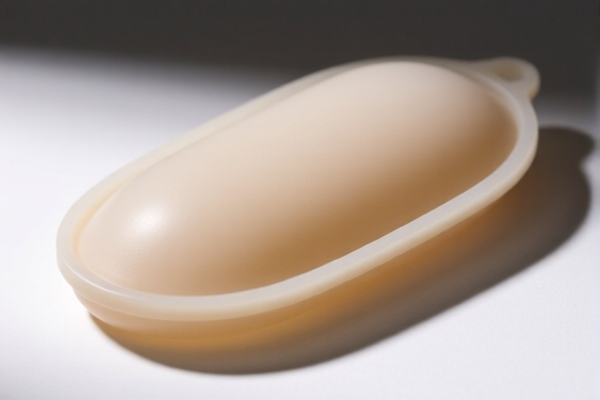
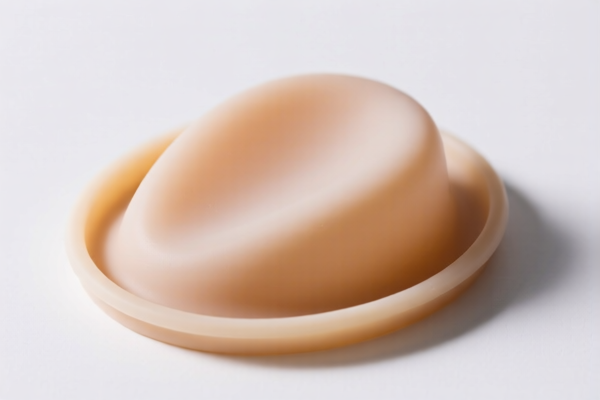
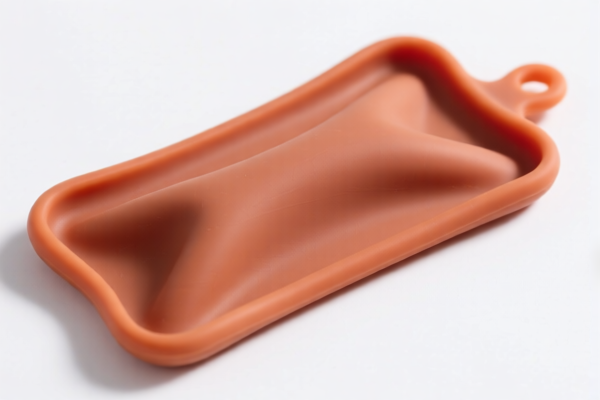

AI Analysis
🛁 Suction Cup Silicone Drain Cover (Drain Guard/Protector)
🌐 HS Code Reference & Customs Clearance Guide | 2026 Latest Tariff Analysis | Strategic Entry Strategies
📌 I. Product Definition & Classification: Do You Truly Understand "Silicone Drain Covers"?
Silicone Drain Covers, also known as Drain Guards or Hair Catchers, are essential home hygiene accessories. In international trade, their classification hinges on two critical factors: Material Composition (Rubber vs. Plastic) and Functional Design (General Purpose vs. Specific Household Item).
- Silicone (Elastomer/Rubber Category): Often classified under Chapter 40 (Rubber and Articles Thereof).
- Plastic/Synthetic Polymer Category: Sometimes classified under Chapter 39 (Plastics and Articles Thereof), depending on specific material certifications and manufacturing processes.
⚠️ Critical Distinction Point:
- If the product is explicitly defined as "Sulfurated Rubber" (Vulcanized Silicone) intended for general household protection → Falls under 4016.
- If the product is defined as a "Plastic/Synthetic Polymer" article (e.g., TPE or non-vulcanized silicone) → Falls under 3926.
- Note: US Customs (CBP) scrutinizes "Silicone" heavily. Misdeclaring a rubber-based product as plastic (or vice versa) can lead to severe penalties due to differing tariff rates.
📦 II. HS Code Classification Details (2026 Latest Tariff Authority Comparison)
Based on the provided data, here are the five potential HS Codes for Suction Cup Silicone Drain Covers, ranked by complexity and tax burden:
| HS Code | Product Description | Application Scenario | Material Category |
|---|---|---|---|
4016.91.00.00 |
Silicone Drain Cover, Sulfurated Rubber, General Protective Use | Standard household drain guard, fits general rubber product classification | Rubber (Vulcanized) |
3926.90.99.89 |
Silicone Drain Cover, Plastic/Synthetic Material, Drain Protection | Classified as "Other Plastic Articles"; often used if material tech is polymer-based | Plastic/Synthetic |
4016.99.05.00 |
Silicone Drain Cover, Sulfurated Rubber, Specific Household Item | "Other Household Articles" of rubber; more specific sub-category | Rubber (Vulcanized) |
3926.90.45.90 |
Silicone Drain Cover, Elastomer/Plastic, Gasket/Protector Type | Classified as "Other Plastic Articles & Seals"; often the lowest tax burden | Plastic/Elastomer |
4016.99.60.50 |
Silicone Suction Cup, Non-Specific Use Rubber Article | Classified purely as a "Suction Cup" (accessory), not the full drain cover system | Rubber |
🔍 Key Insight:
- HS Code3926.90.45.90offers the lowest total tariff (13.5%) because it applies a 0% Section 301 tariff despite having a base tariff of 3.5%.
- HS Code4016.91.00.00carries the highest total tariff (37.7%) due to a steep 25% Section 301 surcharge.
- The choice between Chapter 40 (Rubber) and Chapter 39 (Plastic) is the single most important decision for cost optimization.
💰 III. 2026 Latest Tariff Rate Breakdown (Detailed Tax Clauses)
✅ Applicable Country: United States (US)
✅ Country of Origin: China (CN)
✅ Effective Date: 2025/2026 Import Entries
🎯 1. 4016.91.00.00 —— Silicone Drain Cover (Sulfurated Rubber, General)
| Item | Detail |
|---|---|
| Base Duty Rate | 2.7% |
| Section 301 Tariff (25%) | +25.0% (High Penalty) |
| Section 122 Tariff | +10.0% |
| Total Effective Rate | 37.7% |
| Calculation Base | CIF Value × 37.7% |
| De Minimis Exemption? | ❌ NO (De Minimis applies only to certain low-value items, but high tariffs often trigger scrutiny) |
| Legal Path | HTSUS:4016.91.00 → USITC Footnote → Section 301 List 4 → Section 122 |
📌 Analysis:
- This code treats the item as a generic rubber product.
- The 25% penalty is the killer here. It makes this classification very expensive.
- Only use this if your product strictly matches "Other Sulfurated Rubber Articles" and cannot be classified under more specific plastic codes.
🎯 2. 3926.90.99.89 —— Silicone Drain Cover (Plastic/Synthetic, Other)
| Item | Detail |
|---|---|
| Base Duty Rate | 5.3% |
| Section 301 Tariff (7.5%) | +7.5% (Moderate Penalty) |
| Section 122 Tariff | +10.0% |
| Total Effective Rate | 22.8% |
| Calculation Base | CIF Value × 22.8% |
| De Minimis Exemption? | ❌ NO |
| Legal Path | HTSUS:3926.90.99 → Section 301 List 4 → Section 122 |
📌 Analysis:
- A middle-ground option. If you can prove the silicone is technically a "plastic polymer," you save ~15% compared to4016.91.00.00.
- Requires robust material certification to avoid reclassification by CBP.
🎯 3. 4016.99.05.00 —— Silicone Drain Cover (Sulfurated Rubber, Household)
| Item | Detail |
|---|---|
| Base Duty Rate | 3.4% |
| Section 301 Tariff (7.5%) | +7.5% (Moderate Penalty) |
| Section 122 Tariff | +10.0% |
| Total Effective Rate | 20.9% |
| Calculation Base | CIF Value × 20.9% |
| De Minimis Exemption? | ❌ NO |
| Legal Path | HTSUS:4016.99.05 → Section 301 List 4 → Section 122 |
📌 Analysis:
- Better than4016.91.00.00because the Section 301 rate is only 7.5% instead of 25%.
- Requires proving the item is specifically a "Household Article" under rubber.
🎯 4. 3926.90.45.90 —— Silicone Drain Cover (Plastic/Elastomer, Gasket/Protector)
| Item | Detail |
|---|---|
| Base Duty Rate | 3.5% |
| Section 301 Tariff (0.0%) | 0.0% (ZERO PENALTY) |
| Section 122 Tariff | +10.0% |
| Total Effective Rate | 13.5% 🏆 BEST OPTION |
| Calculation Base | CIF Value × 13.5% |
| De Minimis Exemption? | ❌ NO |
| Legal Path | HTSUS:3926.90.45 → Exempt from Section 301 → Section 122 |
📌 Analysis:
- This is the Golden Code.
- Despite being a plastic/synthetic article, it falls under a subcategory exempt from the harsh Section 301 tariffs.
- Crucial: You must justify the classification as a "Gasket/Protector/Seal" type plastic article. The argument is that it functions as a seal for the drain, similar to a gasket.
🎯 5. 4016.99.60.50 —— Silicone Suction Cup (Non-Specific Rubber Article)
| Item | Detail |
|---|---|
| Base Duty Rate | 2.5% |
| Section 301 Tariff (25%) | +25.0% (High Penalty) |
| Section 122 Tariff | +10.0% |
| Total Effective Rate | 37.5% |
| Calculation Base | CIF Value × 37.5% |
| De Minimis Exemption? | ❌ NO |
| Legal Path | HTSUS:4016.99.60 → Section 301 List 4 → Section 122 |
📌 Analysis:
- If you declare it merely as a "Suction Cup" (an accessory) rather than a "Drain Cover," you hit the high 25% penalty.
- Not recommended unless you are shipping only the suction cup parts without the drain filter mesh.
🛠️ IV. Customs Clearance Practical Advice (Real-World Pitfall Guide)
✅ 1. Documentation Checklist (Non-Negotiable)
| Document | Required? | Purpose |
|---|---|---|
| ✅ Product Specifications | ✔️ | Detail material composition (e.g., "100% Platinum-Cure Silicone" vs. "TPE"). |
| ✅ Material Safety Data Sheet (MSDS) | ✔️ | Proves chemical nature; critical for proving "Plastic" vs. "Rubber." |
| ✅ Product Photos | ✔️ | Show the "Suction Cup" mechanism AND the "Drain Cover" function. |
| ✅ Commercial Invoice | ✔️ | Must clearly state "Silicone Drain Guard - Plastic Article" if claiming 3926.90.45.90. |
| ✅ Duty Exemption Form (if applicable) | ✔️ | For Section 122 calculations if claiming de minimis (though unlikely for high-value bulk). |
✅ 2. Declaration Strategy (Key Mantra)
🔥 "Claim Plastic, Seek Gasket, Avoid 25% Penalty!"
| Scenario | Recommended Declaration | Target HS Code | Expected Rate |
|---|---|---|---|
| Best Cost Strategy | "Silicone Drain Protector, Plastic/Elastomer Type, Gasket Function" | 3926.90.45.90 |
13.5% 🏆 |
| Conservative Strategy | "Silicone Drain Cover, Other Plastic Article" | 3926.90.99.89 |
22.8% |
| Rubber Strategy | "Silicone Drain Cover, Sulfurated Rubber, Household Item" | 4016.99.05.00 |
20.9% |
| High Risk/Avoid | "Silicone Drain Cover, Rubber, General Use" | 4016.91.00.00 |
37.7% ❌ |
| Misclassification Risk | "Suction Cup (No Filter)" | 4016.99.60.50 |
37.5% ❌ |
📌 Crucial Tip:
- Argue the "Gasket/Seal" Function: When claiming3926.90.45.90, emphasize that the product seals the drain to prevent clogs, functioning similarly to a mechanical gasket. This justifies the lower tariff rate. - Avoid "Rubber" Labels if Possible: The "Plastic" path (3926) has significantly lower Section 301 penalties than the "Rubber" path (4016) for general articles.
✅ 3. Special Scenarios
| Situation | Handling Advice |
|---|---|
| OEM/Private Label | Ensure the invoice lists the generic function, not just the brand. CBP looks at function, not label. |
| Material Change (TPE vs. Silicone) | If you switch to TPE (Thermoplastic Elastomer), it is definitely "Plastic" under Chapter 39, strengthening the case for 3926.90.45.90. |
| Combined Shipment | If shipping with other household items, ensure the invoice clearly separates the Drain Covers to avoid blanket misclassification. |
🌍 V. Global Market Comparison (2026 Update)
| Market | Recommended HS Code | Total Tariff (China Origin) | Key Requirement |
|---|---|---|---|
| 🇺🇸 USA | 3926.90.45.90 |
13.5% (Best) | Prove "Plastic/Gasket" function. |
| 🇺🇸 USA | 4016.91.00.00 |
37.7% (Worst) | High risk of Section 301 penalty. |
| 🇪🇺 EU | 3926.90.99 |
~5% + VAT | No Section 301 equivalent. |
| 🇨🇳 China | 3926.90.99 |
~5% | Domestic duty applies. |
📌 Conclusion:
- The US market is the most critical due to Section 301 and Section 122 tariffs.
- Optimizing HS Code from4016to3926saves ~24% in duties.
📌 VI. Common Mistakes & Pitfalls (Blood Lessons)
❌ Mistake 1: Declaring "Silicone" automatically as "Rubber" (4016)
👉 Result: You pay 37.7% tariff.
👉 Fix: Investigate if your silicone can be classified as a "Plastic Polymer" or "Elastomer" under Chapter 39.
❌ Mistake 2: Ignoring Section 301 Applicability
👉 Result: Surprise bills at customs.
👉 Fix: Always check the 2026 Section 301 List. 3926.90.45.90 is explicitly exempt or low-rate.
❌ Mistake 3: Vague Descriptions ("Silicone Mat")
👉 Result: CBP applies the highest possible duty rate.
👉 Fix: Use precise language: "Silicone Drain Protector, Plastic-Based, Gasket Function."
✅ Correct Declaration Example:
"Silicone Drain Guard, Plastic Material, Designed to Seal Drain Opening, Model DR-2026"
🎯 VII. Conclusion: Professional Declaration, Cost Savings!
🎯 Remember the Mantra:
🔹 "Plastic over Rubber, Gasket over General, Save 24% Instantly!"
🔹 "HS Code is King, Tariff Difference is Huge, Wrong Code Means Bankruptcy!"
📌 Pro Tip:
- Request a Pre-Ruling (Advance Ruling) from US CBP if your shipment volume is high.
- Confirm with your supplier if the material can be certified as TPE or Plastic-Composite to legally justify 3926.90.45.90.
📣 Immediate Action:
📞 Consult a Licensed Customs Broker
📄 Prepare Material Data Sheets (MSDS)
🚀 Declare Smart, Save Big, Ship Fast!
✨ Professional Customs Clearance Starts with Precise Classification!
💼 Your Every Dollar Matters, Calculate It Exactly!
Customer Reviews
About HS Code Classification
The Harmonized System (HS) is an internationally standardized nomenclature developed by the World Customs Organization (WCO) to classify traded products. Over 200 countries use the HS system as the basis for customs tariffs, trade statistics, and import/export regulations.
Each HS code follows a hierarchical structure:
- Chapter (2 digits) — Broad category of goods (e.g., Chapter 84: Machinery and Mechanical Appliances)
- Heading (4 digits) — More specific grouping within the chapter
- Subheading (6 digits) — Internationally standardized breakdown, used by all WCO member countries
- National subdivisions (8-10 digits) — Country-specific extensions for further classification, such as US HTSUS 10-digit codes
Correct HS code classification is essential for smooth customs clearance, accurate duty payment, and compliance with trade regulations. Misclassification can lead to customs delays, overpayment of duties, or penalties.
When importing from CN to US, the applicable tariff rates may include:
- Most-Favored-Nation (MFN) rate — The standard duty rate applied to WTO members
- General rate — Applied to countries without trade agreements
- Trade remedy duties — Additional tariffs such as Section 301 (anti-dumping), Section 232 (national security), or countervailing duties
The information provided on this page is for reference purposes only. For official classification, please consult with your local customs authority or a licensed customs broker.