sun embroidery patch
CN → US| HS Code | Tariff Rate | Origin | Destination | Doc |
|---|---|---|---|---|
| 6307903010 | 25.4% | CN | US | Official Doc |
| 6307903020 | 25.4% | CN | US | Official Doc |
| 5810929030 | 0.0% | CN | US | Official Doc |
| 5810921000 | 0.0% | CN | US | Official Doc |
Product Images

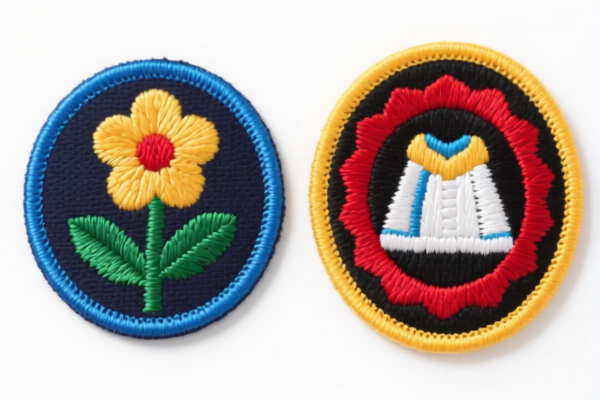
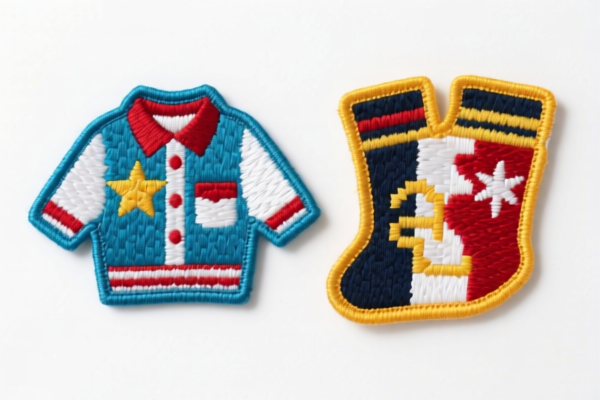
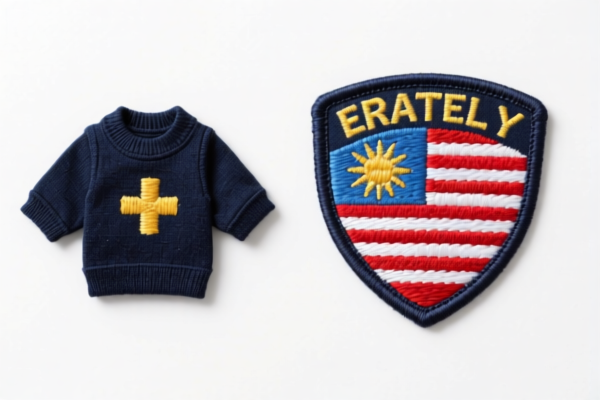
AI Analysis
🌞 Sun Embroidery Patch (布贴/刺绣贴)
🌐 HS Code Reference & Customs Clearance Guide | 2024/2025 Tariff Analysis | Professional Strategy
📌 I. Product Definition & Classification: What Exactly is a "Sun Embroidery Patch"?
An Embroidery Patch is a decorative or functional textile article, typically consisting of embroidered designs on a fabric backing, often with an adhesive, iron-on, or sew-on backing. When the design features a "Sun" motif, it remains classified under general textile and embroidery headings, not by its specific artistic theme.
In international trade, the classification depends heavily on two factors: 1. Material Composition: Is it made of cotton, synthetic fibers, or other materials? 2. Construction Method: Is it specifically "embroidered" (needlework) or just "printed/appliquéd" (though the prompt specifies "Embroidery")?
⚠️ Critical Distinction:
- If the patch is made of cotton or specific fabric types, it falls under Chapter 63 (Other made-up textile articles).
- If the patch is made of synthetic fibers (e.g., polyester, nylon) and is embroidered, it often falls under Chapter 58 (Special fabrics; embroidered tapestries).
- The "Sun" design does not change the HS code; the material and construction method do.
📦 II. HS Code Classification Details (Based on Provided Data)
| HS Code | Product Description | Material/Feature | Applicable Scenario |
|---|---|---|---|
6307.90.30.10 |
Other made-up textile articles (Non-embroidered or generic fabric patches) | Cotton/Fabric | General cloth patches, iron-on labels, cotton-based decorative tags |
6307.90.30.20 |
Other made-up textile articles (Embroidered) | Textile/Fabric | Embroidered patches where the specific material isn't restricted to high-grade synthetic embroidery classification |
5810.92.90.30 |
Embroidered tapestries & similar embroidered goods (Other) | Fiber-based | High-quality embroidered patches made from general fiber materials |
5810.92.10.00 |
Embroidered tapestries & similar embroidered goods (Artificial Fibers) | Artificial Fiber | Embroidered patches made primarily from synthetic/artificial fibers (e.g., polyester) |
🔍 Key Insight:
- Chapter 63 (6307...) is often used for cotton or general textile patches.
- Chapter 58 (5810...) is the preferred classification for high-quality, dense embroidery made from synthetic fibers.
- Note 3 and Note 2 in the U.S. Additional U.S. Notes (AUN) create significant tax disparities between5810and6307codes, making precise material classification critical.
💰 III. 2024/2025 Latest Tariff Rate Breakdown (Including Section 301 & 122 Duties)
✅ Applicable Country: United States (US)
✅ Origin: China (CN)
✅ Status: Active Tariff Rates for Chinese Imports
🎯 1. 6307.90.30.10 & 6307.90.30.20 —— Cotton/Fabric Patches
| Item | Content |
|---|---|
| Base Duty Rate | 7.9% |
| Section 301 Additional Duty | 7.5% |
| Section 122 Tariff | 10% |
| Total Effective Rate | 25.4% |
| Tax Calculation | CIF Value × 25.4% |
| De Minimis Eligibility | ❌ No (Subject to strict scrutiny if split shipments are suspected) |
| Legal Basis | Standard USITC rates + Section 301 + Section 122 |
📌 Explanation:
- These codes typically apply to cotton or general fabric patches.
- The total tariff is 25.4%, which is relatively predictable.
- Section 122 is a recent addition (often applied to specific textile categories to protect domestic manufacturing), adding a flat 10% on top.
🎯 2. 5810.92.90.30 —— Fiber-Based Embroidered Patches
| Item | Content |
|---|---|
| Base Duty Rate | See Additional U.S. Note 3 (Variable/Higher) |
| Section 301 Additional Duty | 25.0% |
| Section 122 Tariff | 10% |
| Total Effective Rate | See AUN 3 + 35.0% (Likely >40-50% depending on Note 3) |
| Tax Calculation | Complex: Base Rate + 25% + 10% |
| De Minimis Eligibility | ❌ No |
| Legal Basis | AUN 3 → USITC:5810.92.90.30 + Section 301 + Section 122 |
📌 Warning:
- Additional U.S. Note 3 often imposes a higher base duty for certain embroidery articles.
- The Section 301 rate is 25% (standard for many textiles), but the base rate is the hidden cost.
- Total tax is Significantly Higher than Chapter 63 codes.
🎯 3. 5810.92.10.00 —— Artificial Fiber Embroidered Patches
| Item | Content |
|---|---|
| Base Duty Rate | See Additional U.S. Note 2 (Variable/Higher) |
| Section 301 Additional Duty | 25.0% |
| Section 122 Tariff | 10% |
| Total Effective Rate | See AUN 2 + 35.0% |
| Tax Calculation | Complex: Base Rate + 25% + 10% |
| De Minimis Eligibility | ❌ No |
| Legal Basis | AUN 2 → USITC:5810.92.10.00 + Section 301 + Section 122 |
📌 Warning:
- Additional U.S. Note 2 applies to artificial fiber embroidery.
- Like5810.92.90.30, this code carries a higher base duty than Chapter 63.
- If your patch is polyester-based, you are likely stuck with this high-tax category.
🛠️ IV. Customs Clearance Practical Advice (Avoid Pitfalls)
✅ 1. Preparation Checklist (Must-Have)
| Document | Mandatory | Explanation |
|---|---|---|
| ✅ Product Photos | ✔️ | Clear images of the patch front (Sun design) and back (Backing type: iron-on, sew-on, adhesive) |
| ✅ Material Composition Statement | ✔️ | Critical: Must specify % Cotton vs. % Polyester/Artificial Fiber. Misdeclaration here changes HS Code! |
| ✅ Composition Test Report | ✔️ | Third-party lab report (e.g., SGS, Intertek) proving fiber content. Customs often challenges declarations. |
| ✅ Commercial Invoice | ✔️ | Must clearly state "Embroidery Patch, Cotton/Polyester, Decorative" |
| ✅ HS Code Justification | ✔️ | Brief memo explaining why 6307 vs. 5810 is chosen based on material. |
✅ 2. Declaration Strategy (Key Tips)
🔥 “Material is King, Embroidery is Kingmaker, Backing is Minor!”
| Scenario | Correct Declaration | Incorrect Declaration | Risk |
|---|---|---|---|
| 100% Cotton Patch | 6307.90.30.10 or 30.20 |
5810.92.10.00 |
Low Tax Savings (Avoid overpaying) |
| 100% Polyester Patch | 5810.92.10.00 |
6307.90.30.20 |
High Tax Risk (Avoid underpaying & penalties) |
| Mixed Fiber (e.g., 50/50) | Depends on Weight/Value | Guessing | Audit Trigger |
| Printed (Not Embroidered) | 6307.90.30.10 |
5810.92.10.00 |
Misclassification |
📌 Note:
- Do NOT declare as "Sun Patch" or "Decorative Sun Item." Use generic terms like "Embroidered Textile Patch, Cotton, 2x2 inch, Iron-On Backing."
- Backing Type (adhesive, sew-on) does not change the HS Code, but must be declared for safety/compliance.
✅ 3. Special Situations
| Situation | Handling Advice |
|---|---|
| OEM Custom Sun Patch | Provide design files and material specs. Ensure the invoice matches the physical product exactly. |
| Small Orders (De Minimis) | ❌ Do Not Use De Minimis for Embroidery Patches from China. Section 301 and Section 122 duties apply. Use proper formal entry. |
| Mixed Shipments (Cotton + Polyester) | Separate Entries. Do not mix 6307 and 5810 codes in one line item. This raises red flags. |
| High-Value Embroidery | If the value is high, consider Advance Ruling from CBP to confirm the 5810 vs. 6307 classification. |
🌍 V. Global Market Comparison (2024/2025)
| Country/Region | Recommended HS Code | Tariff Rate | Certification | Notes |
|---|---|---|---|---|
| 🇺🇸 USA | 6307.90.30.xx or 5810.92.xx |
25.4% (Ch63) to ~45%+ (Ch58) | None | Section 122 adds 10%. High scrutiny. |
| 🇨🇳 China | 6307.90.90.00 |
0-5% | None | Export to China has low duties. |
| 🇪🇺 EU | 6307.90.98 or 5810.91 |
0-6.5% | REACH | No Section 301/122. Lower tax burden. |
| 🇬🇧 UK | 6307.90.98 |
0-6.5% | UKCA | Post-Brexit rules apply. |
| 🇯🇵 Japan | 6307.90.09 |
0-8% | PSE (if electrical) | Generally low tariffs for textiles. |
📌 Conclusion:
- The US is the most expensive market for Chinese-made embroidery patches due to Section 301 + Section 122.
- Material declaration is the #1 risk factor. Misdeclaring polyester as cotton to avoid5810duties can lead to penalties, back taxes, and seizure.
📌 VI. Common Mistakes & Pitfalls (Blood & Tears Lessons)
❌ Mistake 1: Declaring Polyester Patches as Cotton to get 6307 rates.
👉 Consequence: Customs lab test reveals polyester → Back taxes + Penalties + Audit.
❌ Mistake 2: Ignoring Section 122.
👉 Consequence: Underpaying by 10% → Immediate additional duty assessment.
❌ Mistake 3: Using "Sun Patch" as the product name.
👉 Consequence: Customs officer may misunderstand the nature of the item → Delays.
❌ Mistake 4: Combining multiple fiber types in one line item.
👉 Consequence: Misclassification → High Tax Rate applied to the entire shipment.
✅ Correct Action:
"Embroidery Patch, Cotton, 2-inch Sun Design, Iron-On Backing, HS 6307.90.30.10"
vs.
"Embroidery Patch, 100% Polyester, 2-inch Sun Design, Sew-On Backing, HS 5810.92.10.00"
🎯 VII. Conclusion: Professional Declaration, Cost Control
🎯 Remember the Mantra:
🔹 "Material Determines Code, Code Determines Tax."
🔹 "Cotton goes to 6307 (25.4%), Polyester goes to 5810 (Higher)."
🔹 "Declare Accurately, Avoid Penalties, Protect Your Profit."
📌 Pro Tip:
If you are importing large volumes, consider Advance Rulings from CBP to lock in the HS Code classification.
For polyester patches, evaluate if the higher duty impacts your margin. You may need to adjust pricing or source from non-China origins (e.g., Vietnam, Bangladesh) to avoid Section 301/122 duties.
📣 Immediate Action:
📞 Verify Material Composition with your supplier.
📄 Prepare Lab Test Reports.
📝 Declare Correctly to avoid customs holds.
✨ Professional Clearance, Starting from Accurate Classification!
💼 Your Every Cent of Tax is Worth Calculating!
Customer Reviews
About HS Code Classification
The Harmonized System (HS) is an internationally standardized nomenclature developed by the World Customs Organization (WCO) to classify traded products. Over 200 countries use the HS system as the basis for customs tariffs, trade statistics, and import/export regulations.
Each HS code follows a hierarchical structure:
- Chapter (2 digits) — Broad category of goods (e.g., Chapter 84: Machinery and Mechanical Appliances)
- Heading (4 digits) — More specific grouping within the chapter
- Subheading (6 digits) — Internationally standardized breakdown, used by all WCO member countries
- National subdivisions (8-10 digits) — Country-specific extensions for further classification, such as US HTSUS 10-digit codes
Correct HS code classification is essential for smooth customs clearance, accurate duty payment, and compliance with trade regulations. Misclassification can lead to customs delays, overpayment of duties, or penalties.
When importing from CN to US, the applicable tariff rates may include:
- Most-Favored-Nation (MFN) rate — The standard duty rate applied to WTO members
- General rate — Applied to countries without trade agreements
- Trade remedy duties — Additional tariffs such as Section 301 (anti-dumping), Section 232 (national security), or countervailing duties
The information provided on this page is for reference purposes only. For official classification, please consult with your local customs authority or a licensed customs broker.