sunhat
CN → US| HS Code | Tariff Rate | Origin | Destination | Doc |
|---|---|---|---|---|
| 6505001540 | 42.9% | CN | US | Official Doc |
| 6506910060 | 35.0% | CN | US | Official Doc |
| 6504009015 | 41.8% | CN | US | Official Doc |
| 6505001525 | 42.9% | CN | US | Official Doc |
| 6506996000 | 43.5% | CN | US | Official Doc |
Product Images
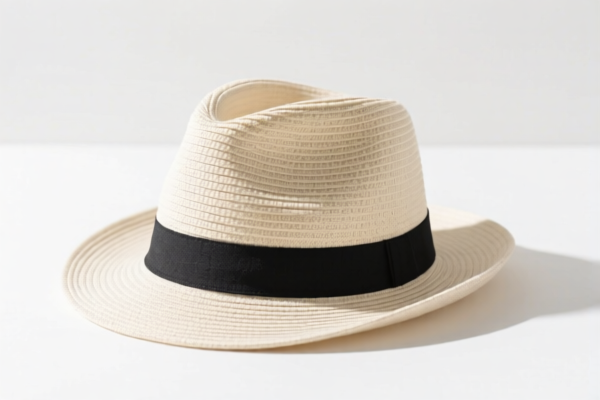
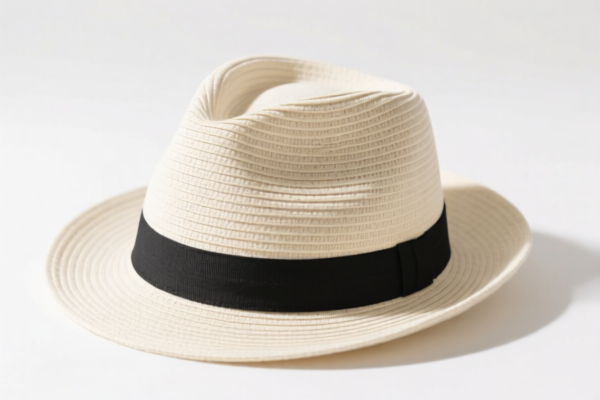
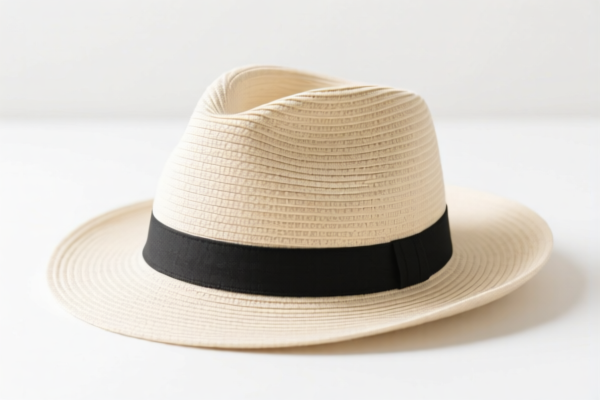
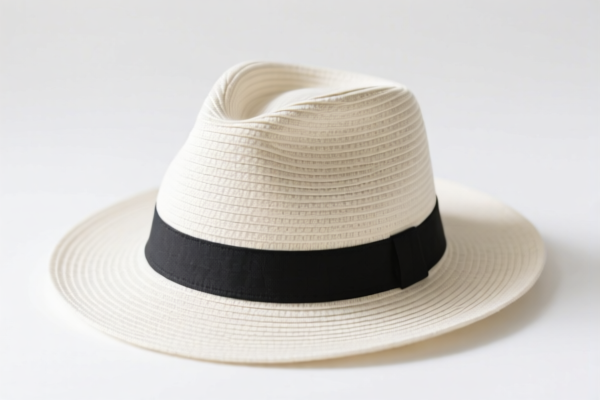
AI Analysis
🌞 Sun Hats (Sun Hats for Sun Protection)
🌐 HS Code Reference & Customs Clearance Guide | 2026 Latest Tariff Analysis | Professional Clearance Strategy
📌 I. Product Definition & Classification: Do You Really Understand "Sun Hats"?
Sun hats are essential headwear designed primarily for sun protection, featuring wide brims to shield the face and neck from UV rays. In international trade, they are broadly classified under Chapter 65 (Hats and Other Headgear). However, the specific HS code depends heavily on the material and construction method (knitted vs. non-knitted).
⚠️ Key Distinction Point:
- If made of knitted/crocheted fabric (e.g., cotton knit, straw weave) → Likely falls under 6504, 6505, or 6506.
- If made of non-knitted fabric (e.g., woven cotton, linen, synthetic fibers) → Likely falls under 6505.
- If made of rubber/plastic → Falls under 6506.
📦 II. HS Code Classification Details (Based on Provided Data)
| HS Code | Product Description | Inferred Material/Structure | Total Tax Rate (US/CN) |
|---|---|---|---|
6504.00.90.15 |
Woven hats of braided or other assembled materials | Artificial Fibers (Sewn/Woven) | 41.8% |
6505.00.15.40 |
Knitted/Crocheted hats of cotton/linen | Cotton, Linen, or Textile Fabric | 42.9% |
6505.00.15.25 |
Knitted/Crocheted cotton hats | Cotton, Knitted/Crocheted | 42.9% |
6506.91.00.60 |
Other headgear of rubber or plastics | Rubber or Plastic | 35.0% |
6506.99.60.00 |
Other headgear, n.e.c. | Other Materials (Not elsewhere specified) | 43.5% |
🔍 Key Reminder:
- Textile/Cotton/Linen Sun Hats: Most common for summer wear. Check if Knitted (6505) or Woven/Braided (6504).
- Rubber/Plastic Sun Hats: Often used for industrial safety or specific rain/sun hybrids.
- "Other" Categories: If material doesn't fit standard textile or rubber definitions, it may fall into "Other" (6506.99).
💰 III. 2026 Latest Tariff Rate Breakdown (Including Surcharges)
✅ Applicable Country: United States (US)
✅ Origin: China (CN)
✅ Effective Date: Post-2025 (Current Tariff Structure Applies)
🎯 1. 6504.00.90.15 – Hats of Braided or Other Assembled Materials (Artificial Fibers)
| Item | Details |
|---|---|
| Base Duty | 6.8% (ad valorem) |
| Section 301 Surcharge | +25.0% (USITC Footnote) |
| Section 122 Clause | +10.0% (Specific US Trade Law Provision) |
| Total Rate | 41.8% |
| Calculation | CIF Value × 41.8% |
| De Minimis Exemption | ❌ Not Eligible (High tariff rates exclude small package exemptions in many contexts) |
| Legal Path | USITC:6504.00.90.15 → Section 301: +25% → Section 122: +10% |
📌 Explanation:
- This code applies to woven or braided sun hats made from artificial fibers (e.g., polyester, nylon).
- Total 41.8% is significant. Ensure the product is clearly labeled as "Artificial Fiber" and not misclassified as cotton.
🎯 2. 6505.00.15.40 & 6505.00.15.25 – Knitted/Crocheted Hats (Cotton/Linen/Textile)
| Item | Details |
|---|---|
| Base Duty | 7.9% (ad valorem) |
| Section 301 Surcharge | +25.0% |
| Section 122 Clause | +10.0% |
| Total Rate | 42.9% |
| Calculation | CIF Value × 42.9% |
| De Minimis Exemption | ❌ Not Eligible |
| Legal Path | USITC:6505.00.15.xx → Section 301: +25% → Section 122: +10% |
📌 Explanation:
- 6505.00.15.25: Specifically for Cotton knitted/crocheted hats.
- 6505.00.15.40: For Cotton, Linen, or other Textile Fabric knitted/crocheted hats.
- Both have a 42.9% total rate. The slight difference in base duty (7.9%) is offset by the same surcharges.
🎯 3. 6506.91.00.60 – Headgear of Rubber or Plastics
| Item | Details |
|---|---|
| Base Duty | 0.0% (ad valorem) |
| Section 301 Surcharge | +25.0% |
| Section 122 Clause | +10.0% |
| Total Rate | 35.0% |
| Calculation | CIF Value × 35.0% |
| De Minimis Exemption | ❌ Not Eligible |
| Legal Path | USITC:6506.91.00.60 → Section 301: +25% → Section 122: +10% |
📌 Explanation:
- Applies to rubber or plastic sun hats (e.g., EVA foam, PVC).
- Lowest Base Duty (0%), but surcharges still bring the total to 35.0%.
- Cost Advantage: This is the lowest tariff option among the 5 codes provided.
🎯 4. 6506.99.60.00 – Other Headgear (Other Materials)
| Item | Details |
|---|---|
| Base Duty | 8.5% (ad valorem) |
| Section 301 Surcharge | +25.0% |
| Section 122 Clause | +10.0% |
| Total Rate | 43.5% |
| Calculation | CIF Value × 43.5% |
| De Minimis Exemption | ❌ Not Eligible |
| Legal Path | USITC:6506.99.60.00 → Section 301: +25% → Section 122: +10% |
📌 Explanation:
- A catch-all for headgear not specified elsewhere (e.g., mixed materials, non-textile/non-rubber).
- Highest Total Rate (43.5%). Avoid this classification if possible by correctly identifying the primary material.
🛠️ IV. Customs Clearance Practical Advice (Avoid Pitfalls)
✅ 1. Documentation Checklist (Non-negotiable)
| Document | Required | Notes |
|---|---|---|
| ✅ Product Specification | ✔️ | Clearly state material (e.g., "100% Cotton," "EVA Foam"). |
| ✅ Material Composition | ✔️ | Essential for correct HS Code selection (Cotton vs. Artificial Fiber vs. Rubber). |
| ✅ Construction Method | ✔️ | Specify "Knitted," "Crocheted," "Woven," or "Molded." |
| ✅ Product Photos | ✔️ | Show brim structure, material texture, and label. |
| ✅ Commercial Invoice | ✔️ | Use precise description: "Sun Hat, Cotton Knitted, Wide Brim." |
| ✅ Country of Origin | ✔️ | Must match declaration to avoid penalties. |
✅ 2. Classification Tips (Key Mnemonic)
🔥 “Material First, Then Structure, Then Code!”
| Scenario | Correct HS Code | Avoid This Code | Why? |
|---|---|---|---|
| Cotton Knitted Sun Hat | 6505.00.15.25 (42.9%) |
6504.00.90.15 |
Cotton knitted ≠ Artificial fiber woven. |
| Polyester Woven Sun Hat | 6504.00.90.15 (41.8%) |
6505.00.15.40 |
Polyester is artificial fiber; if woven, it's 6504. |
| Rubber/EVA Sun Hat | 6506.91.00.60 (35.0%) |
Any Textile Code | Rubber/plastic has 0% base duty. |
| Mixed Material Hat | 6506.99.60.00 (43.5%) |
Specific Material Codes | If material is unclear or mixed, it falls to "Other." |
✅ 3. Special Handling
| Situation | Recommendation |
|---|---|
| OEM Custom Hats | Provide design specs showing material layers. If lining is different, declare primary exterior material. |
| Packaged for Retail | Declare as "Sun Hat," not "Accessory Kit." Do not split hat and packaging. |
| Sample Imports | Same rules apply. Even samples incur full tariffs if not exempt under specific programs. |
| High-Value Hats | Consider if value justifies the 43.5% tariff. May be costly for luxury items. |
🌍 V. Global Market Comparison (2026)
| Country/Region | Recommended HS Code | Base Duty | Surcharges (CN) | Total Est. Rate | Notes |
|---|---|---|---|---|---|
| 🇺🇸 USA | 6506.91.00.60 (Rubber) |
0.0% | +35.0% (25+10) | 35.0% | Lowest US Tariff Option |
| 🇺🇸 USA | 6504.00.90.15 (Woven) |
6.8% | +35.0% (25+10) | 41.8% | Common for synthetic sun hats |
| 🇺🇸 USA | 6505.00.15.25 (Cotton) |
7.9% | +35.0% (25+10) | 42.9% | Common for natural fiber hats |
| 🇨🇳 China | 6505.00.15.25 |
~10-15% | None | ~15% | Lower base duty, no Section 301 |
| 🇪🇺 EU | 6505.00.15.25 |
~7-10% | None | ~7-10% | No Section 301/122 equivalents |
📌 Conclusion:
- USA Tariffs are High: All categories incur +35% in surcharges.
- Rubber/Plastic Hats (6506.91.00.60) Offer the Lowest Total Rate (35.0%) due to 0% base duty.
- Textile Hats (Cotton/Polyester) Range 41.8%-42.9%.
📌 VI. Common Mistakes & Pitfalls (Lessons Learned)
❌ Mistake 1: Declaring a Cotton Knitted Hat as 6504 (Woven)
👉 Consequence: Misclassification penalty + potential audit.
✅ Fix: Use 6505 for knitted/crocheted.
❌ Mistake 2: Declaring a Polyester Woven Hat as 6505 (Knitted)
👉 Consequence: Incorrect HS Code → 41.8% vs 42.9% (minor diff, but compliance issue).
✅ Fix: Use 6504 for woven/braided artificial fibers.
❌ Mistake 3: Ignoring Section 122 Clause
👉 Consequence: Underpayment by 10%.
✅ Fix: Always include +10% for China-origin goods under this clause.
❌ Mistake 4: Using "Hat" as generic description
👉 Consequence: Customs may classify arbitrarily (often to highest tax).
✅ Fix: Specify "Sun Hat, Cotton Knitted, Wide Brim".
🎯 VII. Conclusion: Precise Classification Saves Money!
🎯 Remember Mnemonic:
🔹 "Rubber Wins (35%), Woven Saves (41.8%), Cotton Costs (42.9%), Other Pains (43.5%)."
🔹 "Material Dictates Code, Code Dictates Cost!"
📌 Tips:
- If possible, consider Rubber/EVA Sun Hats (6506.91.00.60) to minimize tariffs in the US market.
- For Cotton/Polyester Hats, ensure accurate material declaration to avoid reclassification penalties.
- Pre-clearance Consultation: Recommended for large shipments to confirm HS Code with a licensed broker.
📣 Immediate Action:
📞 Contact a Customs Broker + Provide Material Spec + Verify HS Code
🚀 Ensure Smooth Clearance, Minimize Duties, Maximize Profit!
✨ Professional Clearance Starts with Accurate Classification!
💼 Every Percentage Point Saved is Pure Profit!
Customer Reviews
About HS Code Classification
The Harmonized System (HS) is an internationally standardized nomenclature developed by the World Customs Organization (WCO) to classify traded products. Over 200 countries use the HS system as the basis for customs tariffs, trade statistics, and import/export regulations.
Each HS code follows a hierarchical structure:
- Chapter (2 digits) — Broad category of goods (e.g., Chapter 84: Machinery and Mechanical Appliances)
- Heading (4 digits) — More specific grouping within the chapter
- Subheading (6 digits) — Internationally standardized breakdown, used by all WCO member countries
- National subdivisions (8-10 digits) — Country-specific extensions for further classification, such as US HTSUS 10-digit codes
Correct HS code classification is essential for smooth customs clearance, accurate duty payment, and compliance with trade regulations. Misclassification can lead to customs delays, overpayment of duties, or penalties.
When importing from CN to US, the applicable tariff rates may include:
- Most-Favored-Nation (MFN) rate — The standard duty rate applied to WTO members
- General rate — Applied to countries without trade agreements
- Trade remedy duties — Additional tariffs such as Section 301 (anti-dumping), Section 232 (national security), or countervailing duties
The information provided on this page is for reference purposes only. For official classification, please consult with your local customs authority or a licensed customs broker.