sunshade awning
CN → US| HS Code | Tariff Rate | Origin | Destination | Doc |
|---|---|---|---|---|
| 6306120000 | 18.8% | CN | US | Official Doc |
| 5903102010 | 35.0% | CN | US | Official Doc |
| 5903102090 | 35.0% | CN | US | Official Doc |
| 5603120070 | 35.0% | CN | US | Official Doc |
| 5603110070 | 35.0% | CN | US | Official Doc |
Product Images
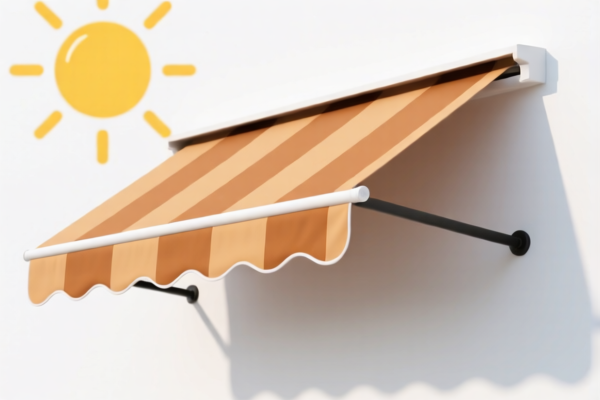
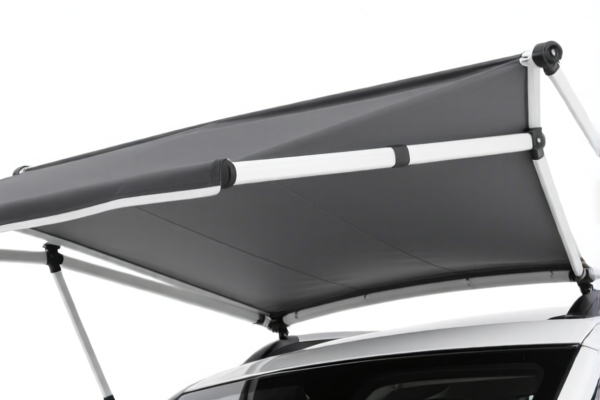
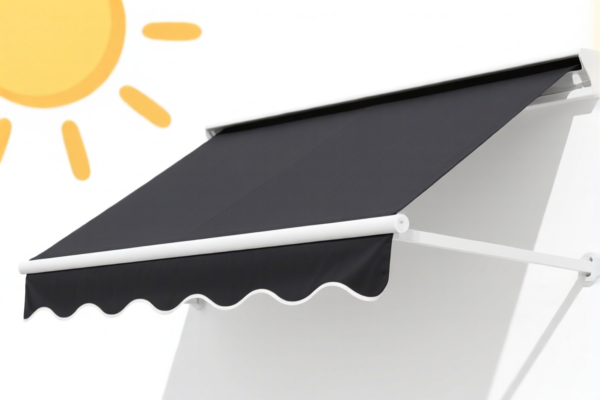
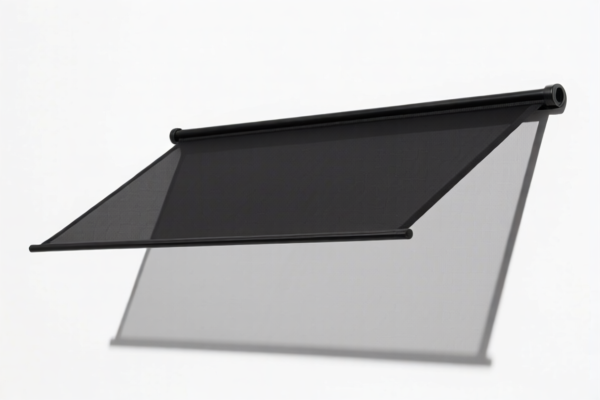
AI Analysis
☀️ Sunshade Awning (Shade Cloth & Canopy Fabrics)
🌐 HS Code Reference & Customs Clearance Guide | 2026 Latest Tariff Analysis | Professional Entry Strategy
📌 I. Product Definition & Classification: Do You Really Know "Sunshade Awning"?
In international trade, "Sunshade Awning" is not a single unified commodity but a category of textile products used for sun protection, UV blocking, and weather shielding. The core challenge lies in distinguishing between finished structures (like tents/canopies) and raw textile materials (like coated fabrics or non-woven shades).
Sunshade Fabrics (Shade Cloth): Flexible textile materials, often coated with PVC, PE, or PP, used for shading, roofing, or agricultural covers.
Finished Awning Structures: Ready-to-use canopy systems with frames, though often imported as fabric rolls.
⚠️ Key Distinction Point:
- If the product is a structural tent or canopy assembly with poles/frames → Consider 6306.12.00.00.
- If the product is textile fabric (woven, non-woven, or coated) intended for sewing into awnings → Consider 5903.10.20.10, 5903.10.20.90, or 5603.xxxx.
- Material Matters: Is it non-woven (needle-punched), woven with plastic coating, or impregnated?
📦 II. HS Code Classification Details (2026 Latest Tariff Authority对照)
| HS Code | Product Description | Application Scenario | Material/Form |
|---|---|---|---|
6306.12.00.00 |
Tents and Tarps, made of man-made fibers | Finished sunshade canopies, camping tents, outdoor shade structures | ✅ Finished Structure |
5903.10.20.10 |
Textile fabrics impregnated, coated, covered or laminated with plastics, of nylon or other polyamides | Coated shade cloths, UV-resistant awning fabrics (Polyamide/Nylon base) | ✅ Coated Fabric |
5903.10.20.90 |
Other textile fabrics impregnated, coated, covered or laminated with plastics | General PVC/PE coated sunshade fabrics, composite shading materials | ✅ Coated Fabric |
5603.12.00.70 |
Non-woven fabrics, weighing >300g/m², of synthetic fibers | Heavy-duty non-woven shade nets, agricultural sunshades, geotextiles | ✅ Non-woven |
5603.11.00.70 |
Non-woven fabrics, weighing ≤300g/m², of synthetic fibers | Lightweight non-woven shade cloths, fine mesh shading nets | ✅ Non-woven |
🔍 Critical Reminder:
- Finished vs. Raw: If you import a pre-sewn awning with zippers and poles, it likely falls under 6306.12.00.00.
- If you import rolls of fabric to be sewn into awnings, it falls under 5903 or 5603.
- Misclassification Risk: Declaring coated fabric as a "finished tent" to avoid high tariffs is a major red flag for customs audits.
💰 III. 2026 Latest Tariff Rate Breakdown (Including Surcharges & Policy Add-ons)
✅ Applicable Country: United States (US)
✅ Origin: China (CN)
✅ Effective Date: Post-2025 Policies (Section 301 & IEEPA)
🎯 1. 6306.12.00.00 —— Tents and Tarps (Finished Sunshade Structures)
| Item | Content |
|---|---|
| Base Tariff Rate | 8.8% (ad valorem) |
| Section 301 Surcharge | +0.0% (Note: Some tariff exclusions may apply, but generally low base) |
| Section 122 Tariff | +10% (Specific trade remedy/tariff for certain textile/apparel products) |
| Total Rate | 18.8% |
| Tax Calculation | CIF Value × 18.8% |
| De Minimis Eligibility | ❌ No (De minimis threshold does not apply to Section 122 or significant surcharges) |
| Legal Basis | USITC:6306.12.00.00 + Section 122 Authority |
📌 Interpretation:
- This is the most favorable classification if the product is a finished tent/canopy.
- The base rate is low (8.8%), and there is no Section 301 25% surcharge for this specific finished good code (unlike many textiles).
- The 122条款 (Section 122) adds 10%, likely related to specific textile safeguards or trade balance measures.
🎯 2. 5903.10.20.10 & 5903.10.20.90 —— Coated Textile Fabrics
| Item | Content |
|---|---|
| Base Tariff Rate | 0.0% |
| Section 301 Surcharge | +25.0% (Major USITC Footnote 9903.88.01 surcharge for Chinese textiles) |
| Section 122 Tariff | +10% |
| Total Rate | 35.0% |
| Tax Calculation | CIF Value × 35.0% |
| De Minimis Eligibility | ❌ No |
| Legal Basis | USITC:5903.10.20.10/90 + Section 301:9903.88.01 + Section 122 |
📌 Interpretation:
- High tariff burden. Even though the base rate is 0%, the 25% Section 301 surcharge is heavy.
- This applies to coated/impregnated fabrics. If your sunshade is a PVC-coated polyester cloth, it likely falls here.
🎯 3. 5603.12.00.70 & 5603.11.00.70 —— Non-Woven Fabrics (Synthetic)
| Item | Content |
|---|---|
| Base Tariff Rate | 0.0% |
| Section 301 Surcharge | +25.0% |
| Section 122 Tariff | +10% |
| Total Rate | 35.0% |
| Tax Calculation | CIF Value × 35.0% |
| De Minimis Eligibility | ❌ No |
| Legal Basis | USITC:5603.xxxx + Section 301:9903.88.01 + Section 122 |
📌 Interpretation:
- Identical tariff structure to coated fabrics.
- Applies if the sunshade material is non-woven (e.g., needle-punched PE/PP felt) rather than woven or coated.
🛠️ IV. Customs Clearance Practical Advice (Avoid Pitfalls)
✅ 1. Essential Documentation Checklist
| Document | Required | Explanation |
|---|---|---|
| ✅ Product Specification Sheet | ✔️ | Must detail: Material (Polyester/Nylon/PE), Weight (g/m²), Coating type (PVC/PE), Width, Length. |
| ✅ Material Composition Certificate | ✔️ | Critical to distinguish between Woven vs. Non-woven vs. Finished Structure. |
| ✅ Photos (Labeled) | ✔️ | Show texture (woven pattern vs. felt), coating sheen, and any hardware (zippers/poles). |
| ✅ Commercial Invoice | ✔️ | Clearly state: "Sunshade Fabric Roll" vs. "Completed Tent/CANOPY". Avoid ambiguous terms like "Sunshade Product". |
| ✅ Packing List | ✔️ | Specify unit (Rolls, Pieces, Sets). If sets, break down value if possible. |
| ✅ Section 122 Declaration | ✔️ | Be prepared to justify if exempt or applicable. |
✅ 2. Classification Strategy (Key Mantra)
🔥 "Finished Structure: 18.8% | Raw Fabric: 35.0%"
| Scenario | Correct Classification | Risk if Misclassified |
|---|---|---|
| Pre-sewn Awning with Poles | 6306.12.00.00 (18.8%) |
If declared as fabric → 35% + Penalty |
| Rolls of PVC-Coated Polyester | 5903.10.20.90 (35%) |
If declared as "Tent" → Fraud, 3x Penalty |
| Non-woven PE Shade Net | 5603.12.00.70 (35%) |
If declared as woven → Rejection & Audit |
| Agricultural Sunshade Mesh | 5603.11.00.70 or 5603.12.00.70 |
If declared as finished → 18.8% (Risky if non-structural) |
📌 Pro Tip:
- If you import rolls of fabric and sew them locally in the US, declare as 5903/5603.
- If you import finished canopies from overseas, declare as 6306.12.00.00.
- Never misdeclare fabric as a finished tent to save 16.2% (35% - 18.8%). Customs uses X-ray and physical inspection to detect seams, zippers, and frames.
🌍 V. Global Market Comparison (2026)
| Country/Region | Recommended HS Code | Total Tariff (China Origin) | Notes |
|---|---|---|---|
| 🇺🇸 USA | 6306.12.00.00 |
18.8% | Best for finished goods. Fabric codes face 35%. |
| 🇺🇸 USA | 5903/5603 |
35.0% | High cost for raw textile materials. |
| 🇪🇺 EU | 6306.12 |
~0-6.5% | No Section 301/122 equivalent. Lower risk. |
| 🇨🇳 China | 6306.12 |
~5-10% | Import duty varies by specific sub-category. |
| 🇦🇺 Australia | 6306.12 |
5% | Standard MFN rate. |
📌 Conclusion:
- The US market is highly sensitive to textile classification.
- Finished sunshade structures (6306) offer a 16.2% tariff advantage over raw coated/non-woven fabrics.
- Ensure your product truly meets the definition of a "Tent/Tarp" (Section 6306) to qualify for the lower rate.
📌 VI. Common Errors & Pitfalls (Lessons Learned)
❌ Error 1: Declaring rolls of PVC-coated fabric as "Sunshade Tent" to get 18.8% tax.
👉 Consequence: Customs detects lack of seams/zippers. Rejection + 3x Penalty + Back-taxes.
❌ Error 2: Declaring non-woven shade cloth as "Woven Fabric" to avoid Section 301.
👉 Consequence: Material analysis shows non-woven structure. Misdeclaration Fine.
❌ Error 3: Ignoring Section 122 implications.
👉 Consequence: Even if base rate is low, the 10% add-on applies. Must declare correctly.
❌ Error 4: Vague Description: "Sunshade Cloth".
👉 Consequence: Customs cannot determine if it's woven, non-woven, or coated. Holds for Inspection.
✅ Correct Approach:
"PVC-Coated Polyester Fabric Roll, 500g/m², 3m Width, UV-Resistant, for Awning Manufacturing, Not Assembled"
OR
"Completed Outdoor Patio Canopy, 10x10ft, Man-Made Fiber Fabric, Aluminum Frame, Ready for Installation"
🎯 VII. Conclusion: Smart Classification, Lower Costs!
🎯 Remember the Mantra:
🔹 "Structure = 18.8% | Fabric = 35.0%"
🔹 "Seams & Frames win; Rolls lose big."
🔹 "HS Code defines your profit margin, not just your product."
📌 Pro Tip:
If you are exporting to the US, consider supply chain diversification (e.g., producing finished awnings in Vietnam or Mexico) to potentially qualify for IEEPA Exemptions or lower Section 301 rates. For raw materials, the 35% tax is fixed for Chinese origin.
📣 Immediate Action:
📞 Contact a Licensed Customs Broker to review your product samples.
📄 Prepare Detailed Material Specs (Weave vs. Non-Woven vs. Coated).
🚀 Apply for Advance Ruling if importing large volumes, to lock in the 18.8% classification if applicable.
✨ Professional Clearance Starts with Accurate Classification!
💼 Save 16.2% on every container by declaring correctly!
Customer Reviews
About HS Code Classification
The Harmonized System (HS) is an internationally standardized nomenclature developed by the World Customs Organization (WCO) to classify traded products. Over 200 countries use the HS system as the basis for customs tariffs, trade statistics, and import/export regulations.
Each HS code follows a hierarchical structure:
- Chapter (2 digits) — Broad category of goods (e.g., Chapter 84: Machinery and Mechanical Appliances)
- Heading (4 digits) — More specific grouping within the chapter
- Subheading (6 digits) — Internationally standardized breakdown, used by all WCO member countries
- National subdivisions (8-10 digits) — Country-specific extensions for further classification, such as US HTSUS 10-digit codes
Correct HS code classification is essential for smooth customs clearance, accurate duty payment, and compliance with trade regulations. Misclassification can lead to customs delays, overpayment of duties, or penalties.
When importing from CN to US, the applicable tariff rates may include:
- Most-Favored-Nation (MFN) rate — The standard duty rate applied to WTO members
- General rate — Applied to countries without trade agreements
- Trade remedy duties — Additional tariffs such as Section 301 (anti-dumping), Section 232 (national security), or countervailing duties
The information provided on this page is for reference purposes only. For official classification, please consult with your local customs authority or a licensed customs broker.