sunshading net
CN → US| HS Code | Tariff Rate | Origin | Destination | Doc |
|---|---|---|---|---|
| 6306120000 | 18.8% | CN | US | Official Doc |
| 5903102010 | 35.0% | CN | US | Official Doc |
| 5903102090 | 35.0% | CN | US | Official Doc |
| 5603120070 | 35.0% | CN | US | Official Doc |
| 5603110070 | 35.0% | CN | US | Official Doc |
Product Images
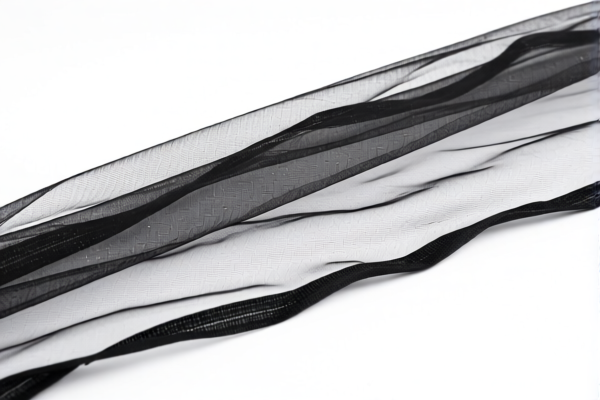
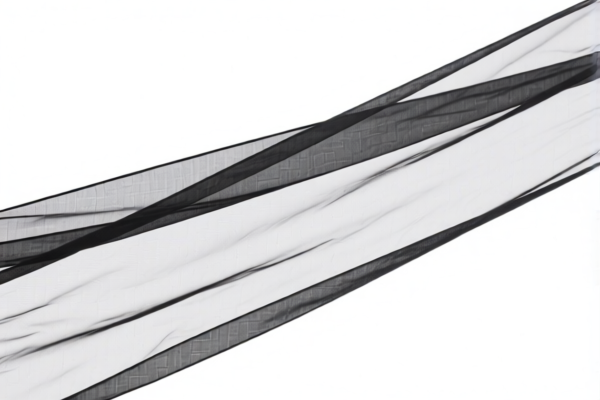

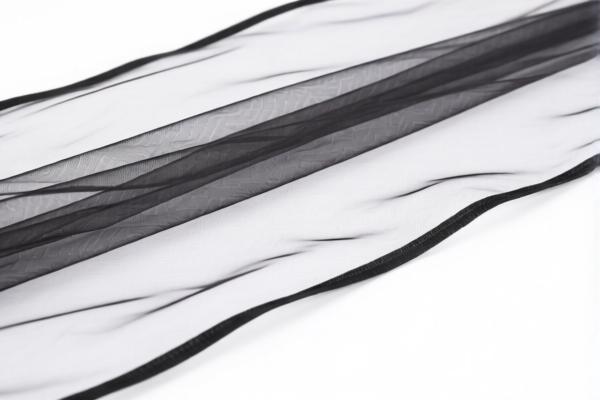
AI Analysis
🌞 Sunshading Net (Shade Cloth)
🌐 HS Code Reference & Customs Clearance Guide | 2026 Latest Tariff Analysis | Professional Entry Strategy
📌 I. Product Definition & Classification: Do You Really Understand "Sunshading Net"?
Sunshading nets, often referred to as Shade Cloth or Shade Nets, are textile-based products designed to block sunlight for agricultural, industrial, or recreational purposes. In international trade, the classification depends heavily on the manufacturing process and material composition:
1. Simple Woven/Non-Woven Fabric: Plain textile fabric without significant chemical treatment or plastic coating. 2. Coated/Laminated Fabric: Textile impregnated, coated, covered, or laminated with plastic or rubber, creating a composite material with enhanced durability or waterproofing.
⚠️ Key Distinction Point:
- If the net is a simple textile (woven or non-woven) without plastic impregnation → Look at Chapters 56 or 63.
- If the net is a textile with plastic coating/lamination (common for heavy-duty agricultural/industrial shade nets) → Look at Chapter 59.
📦 II. HS Code Classification Details (2026 Latest Tariff Authoritative Comparison)
Based on the provided data, here are the 5 potential HS Codes for Sunshading Nets:
| HS Code | Product Description | Application Scenario | Material/State |
|--------|--------------------------|--------------------------|
| 6306.12.00.00 | Tarpaulins, awnings and sunblinds (Shade cloths) | Outdoor awnings, simple sunscreens, recreational shade | Woven/non-woven textile, likely synthetic fibers, no heavy plastic lamination |
| 5903.10.20.10 | Textile fabrics impregnated, coated, covered or laminated with PVC | Heavy-duty agricultural shade nets, industrial covers | Textile base + PVC coating/lamination |
| 5903.10.20.90 | Other textile fabrics impregnated, coated, covered or laminated with plastics | Composite shade fabrics, general plastic-laminated textiles | Textile base + Plastic (non-PVC or mixed) coating |
| 5603.12.00.70 | Non-woven fabrics, weighing > 70 g/m², of synthetic filaments | Lightweight synthetic shade nets (polyethylene/polypropylene) | Non-woven synthetic fibers |
| 5603.11.00.70 | Non-woven fabrics, weighing ≤ 70 g/m², of synthetic filaments | Very lightweight mesh nets, fine sunshades | Non-woven synthetic fibers |
🔍 Critical Insight:
- Most commercial "Shade Nets" used in agriculture or construction are Plastic-Laminated to provide UV resistance and weatherproofing. These fall under Chapter 59 (5903.10.20.x0) due to the plastic coating. - Simple decorative or lightweight mesh nets may fall under Chapter 63 (6306.12.00.00) or Chapter 56 (5603.1x.x0.70) depending on weight and structure.
💰 III. 2026 Latest Tariff Rate Breakdown (Including Surcharges & Policy Add-ons)
✅ Applicable Country: United States (US)
✅ Country of Origin: China (CN)
✅ Effective Time: 2025/2026 (Subject to ongoing Section 301 and IEEPA rules)
🎯 1. 6306.12.00.00 – Tarpaulins, Awnings, and Sunblinds (Simple Textile)
| Item | Content |
|---|---|
| Basic Tariff | 8.8% (ad valorem) |
| Section 301 Surcharge | +0.0% (Note: Data shows 0.0%, but verify if specific lists apply; traditionally this code had low/no 301 duty, but check latest updates) |
| Section 122 Tariff | +10.0% (Specific surcharge mentioned in data) |
| Total Tariff Rate | 18.8% |
| Tax Calculation | CIF Value × 18.8% |
| De Minimis Exemption | ❌ Not Applicable (High duty rates usually exclude 8-4000 threshold benefits) |
| Legal Basis | Base Tariff + Section 122 Surcharge |
📌 Explanation:
- This is the lowest tax bracket among the options. - Suitable for simple, non-laminated shade cloths or sunblinds. - Risk: If Customs determines the net is actually "coated with plastic," it will be reclassified to Chapter 59, leading to higher duties.
🎯 2. 5903.10.20.10 – PVC-Coated Textile Fabrics
| Item | Content |
|---|---|
| Basic Tariff | 0.0% |
| Section 301 Surcharge | +25.0% |
| Section 122 Tariff | +10.0% |
| Total Tariff Rate | 35.0% |
| Tax Calculation | CIF Value × 35.0% |
| De Minimis Exemption | ❌ Not Applicable |
| Legal Basis | USITC 301 Footnote + Section 122 |
📌 Explanation:
- Common for heavy-duty, PVC-coated agricultural shade nets. - The base tariff is 0%, but the 35% total rate is significant. - Key Risk: High scrutiny on "coating" definition. Must prove PVC content if claiming this code.
🎯 3. 5903.10.20.90 – Other Plastic-Coated Textile Fabrics
| Item | Content |
|---|---|
| Basic Tariff | 0.0% |
| Section 301 Surcharge | +25.0% |
| Section 122 Tariff | +10.0% |
| Total Tariff Rate | 35.0% |
| Tax Calculation | CIF Value × 35.0% |
| De Minimis Exemption | ❌ Not Applicable |
| Legal Basis | USITC 301 Footnote + Section 122 |
📌 Explanation:
- Similar to above, but for non-PVC plastics (e.g., PE, PP coatings) or mixed plastic laminations. - Also faces the 35% total duty. - Use this if the coating is not strictly PVC or if it falls under "other plastics."
🎯 4. 5603.12.00.70 – Non-Woven Fabrics (> 70 g/m²) of Synthetic Filaments
| Item | Content |
|---|---|
| Basic Tariff | 0.0% |
| Section 301 Surcharge | +25.0% |
| Section 122 Tariff | +10.0% |
| Total Tariff Rate | 35.0% |
| Tax Calculation | CIF Value × 35.0% |
| De Minimis Exemption | ❌ Not Applicable |
| Legal Basis | USITC 301 Footnote + Section 122 |
📌 Explanation:
- Applies to heavy non-woven shade nets (e.g., spunbond polypropylene). - No plastic laminating coating, but the fiber itself is synthetic. - Critical: Must verify grammage (> 70 g/m²) and non-woven structure.
🎯 5. 5603.11.00.70 – Non-Woven Fabrics (≤ 70 g/m²) of Synthetic Filaments
| Item | Content |
|---|---|
| Basic Tariff | 0.0% |
| Section 301 Surcharge | +25.0% |
| Section 122 Tariff | +10.0% |
| Total Tariff Rate | 35.0% |
| Tax Calculation | CIF Value × 35.0% |
| De Minimis Exemption | ❌ Not Applicable |
| Legal Basis | USITC 301 Footnote + Section 122 |
📌 Explanation:
- Applies to lightweight non-woven mesh nets. - Same 35% duty burden as other Chapter 56/59 codes. - Must verify grammage (≤ 70 g/m²).
🛠️ IV. Customs Clearance Practical Advice (Real-World Pitfall Avoidance)
✅ 1. Documentation Checklist (Essential Items)
| Document | Required? | Notes |
|---|---|---|
| ✅ Product Spec Sheet | ✔️ | Must specify material (e.g., HDPE, PVC-coated polyester), weight, weave density, and UV resistance level. |
| ✅ Material Composition | ✔️ | Crucial: Declare % of textile vs. % of plastic/coating. This determines Chapter 56/59 vs. 63. |
| ✅ Product Photos | ✔️ | Clear shots of texture, edges, and any logos. Show cross-section if coated. |
| ✅ Coating Test Report | ✔️ | If claiming 5903, provide proof of plastic coating thickness and type. |
| ✅ Commercial Invoice | ✔️ | Description must be precise: "Sunshade Net, PVC Coated, 50% Shade, HDPE Base" |
| ✅ Packing List | ✔️ | Standard netting rolls/packaging details. |
✅ 2. Declaration Tips (Key Mnemonic)
🔥 "Coat Determines Code! Check Weight, Check Weave, Avoid Surprises!"
| Scenario | Correct HS Code | Mistake to Avoid |
|---|---|---|
| Simple Mesh Net (No plastic coating, just woven synthetic) | 6306.12.00.00 |
Declaring as "PVC Coated" → Unjustified 35% duty. |
| Heavy Duty Ag Net (PVC/PE coated on both sides) | 5903.10.20.10 or .90 |
Declaring as "Simple Net" → Risk of reclassification + Penalties. |
| Non-Woven Spunbond Net (Lightweight, < 70g/m²) | 5603.11.00.70 |
Confusing with woven nets. Must prove non-woven process. |
| Non-Woven Spunbond Net (Heavy, > 70g/m²) | 5603.12.00.70 |
Same as above, weight threshold is key. |
✅ 3. Special Cases Handling
| Situation | Recommendation |
|---|---|
| Dual-Use Nets (e.g., Shade + Rainproof) | If rainproof layer is plastic → Likely Chapter 59. If just tightly woven → Chapter 63. |
| Colored Nets | Color does not affect HS Code, but ensure dye content doesn't trigger chemical restrictions (e.g., AZO dyes). |
| Custom Shapes/Cut Nets | If cut to specific sizes with hemmed edges, still generally classified by material. Avoid declaring as "finished goods" if it's just cut fabric. |
| Origin Marking | Ensure products are marked "Made in China" clearly, as Section 301 tariffs apply strictly to Chinese origin. |
🌍 V. Global Market Comparison (2026 Update)
| Country/Region | Recommended HS Code | Tariff Rate (China Origin) | Certification Requirements | Notes |
|---|---|---|---|---|
| 🇺🇸 USA | 5903.10.20.10 or 6306.12.00.00 |
35% (Coated) / 18.8% (Simple) | None specific for nets | High duty risk due to Section 301 + 122. |
| 🇨🇳 China | 5903.10.20.10 |
~10-14% (Import Duty) | CCC (if applicable) | Domestic trade uses similar codes. |
| 🇪🇺 EU | 5903.10.20 or 6306.12 |
0-4% | REACH (Chemical Compliance) | No Section 301-like surcharges. |
| 🇦🇺 Australia | 5903.10.20 |
5% | None | Competitive market. |
📌 Conclusion:
- USA is the most expensive market due to the 35% total tariff on coated nets.
- Strategy: If possible, optimize product design to qualify for6306.12.00.00(18.8%) by reducing/eliminating plastic coating, or ensure precise classification to avoid over-taxation.
- Compliance: Strict adherence to material declaration is vital. Misclassification can lead to severe penalties and back-duties.
📌 VI. Common Errors & Pitfall Guide (Lessons Learned)
❌ Mistake 1: Declaring PVC-Coated Nets as Simple Tarpaulins (6306.12.00.00)
👉 Consequence: Customs reclassifies to 5903 → Back duties + 25% interest + Penalties!
❌ Mistake 2: Ignoring Section 122 Tariff
👉 Consequence: Underpayment by 10%. Even if Section 301 is 0, Section 122 applies.
❌ Mistake 3: Confusing Non-Woven vs. Woven
👉 Consequence: Wrong HS Code in Chapter 56. Must provide manufacturing process proof.
✅ Best Practice:
"Provide a Material Breakdown Statement signed by the manufacturer:
- Base Fabric: 100% HDPE (Woven/Non-woven)
- Coating: 0.2mm PVC (Both sides)
- Weight: 120 g/m²
- HS Code: 5903.10.20.10
- Duty: 35%"
🎯 VII. Conclusion: Professional Classification Saves Money!
🎯 Remember the Rule:
🔹 "Coated = Chapter 59 (35%)"
🔹 "Simple Net = Chapter 63 (18.8%)"
🔹 "Non-Woven = Chapter 56 (35%)"
🔹 "Don't Guess, Document!"
📌 Pro Tip:
If your sunshading net is lightweight and uncoated, strive to classify under 6306.12.00.00 to save 16.2% in duties compared to coated alternatives.
For coated nets, ensure the PVC content is correctly declared to avoid audits.
📣 Immediate Action:
📞 Consult a Customs Broker + Submit Sample for Pre-Ruling
🚀 Optimize Your Supply Chain to handle the 35% Tariff Impact efficiently!
✨ Professional Classification Starts with Precision!
💼 Every Percent Saved is Pure Profit!
Customer Reviews
About HS Code Classification
The Harmonized System (HS) is an internationally standardized nomenclature developed by the World Customs Organization (WCO) to classify traded products. Over 200 countries use the HS system as the basis for customs tariffs, trade statistics, and import/export regulations.
Each HS code follows a hierarchical structure:
- Chapter (2 digits) — Broad category of goods (e.g., Chapter 84: Machinery and Mechanical Appliances)
- Heading (4 digits) — More specific grouping within the chapter
- Subheading (6 digits) — Internationally standardized breakdown, used by all WCO member countries
- National subdivisions (8-10 digits) — Country-specific extensions for further classification, such as US HTSUS 10-digit codes
Correct HS code classification is essential for smooth customs clearance, accurate duty payment, and compliance with trade regulations. Misclassification can lead to customs delays, overpayment of duties, or penalties.
When importing from CN to US, the applicable tariff rates may include:
- Most-Favored-Nation (MFN) rate — The standard duty rate applied to WTO members
- General rate — Applied to countries without trade agreements
- Trade remedy duties — Additional tariffs such as Section 301 (anti-dumping), Section 232 (national security), or countervailing duties
The information provided on this page is for reference purposes only. For official classification, please consult with your local customs authority or a licensed customs broker.