sweaters
CN → US| HS Code | Tariff Rate | Origin | Destination | Doc |
|---|---|---|---|---|
| 6103220070 | 0.0% | CN | US | Official Doc |
| 6110190015 | 33.5% | CN | US | Official Doc |
| 6110110015 | 33.5% | CN | US | Official Doc |
| 6103220070 | 0.0% | CN | US | Official Doc |
| 7326908688 | 87.9% | CN | US | Official Doc |
Product Images
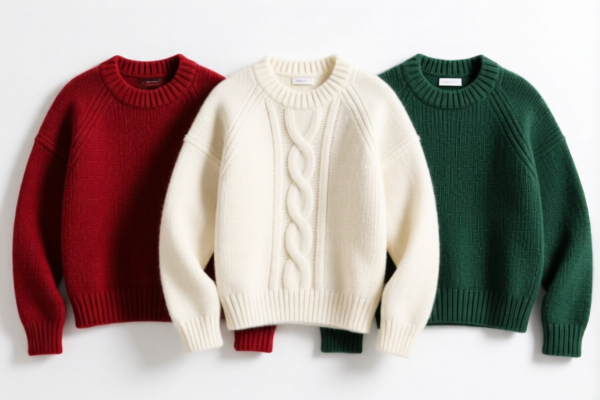
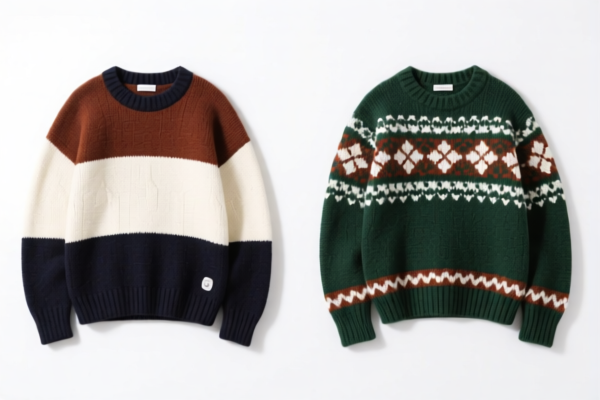
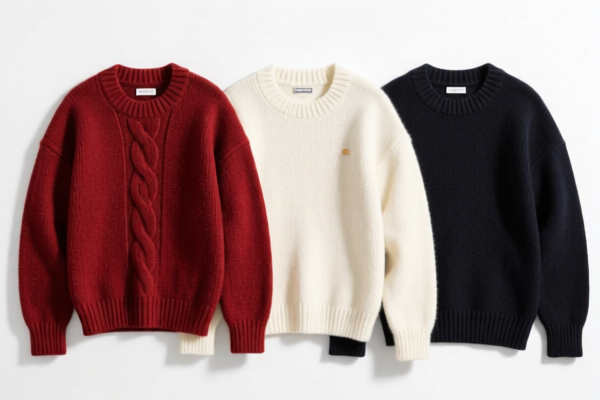
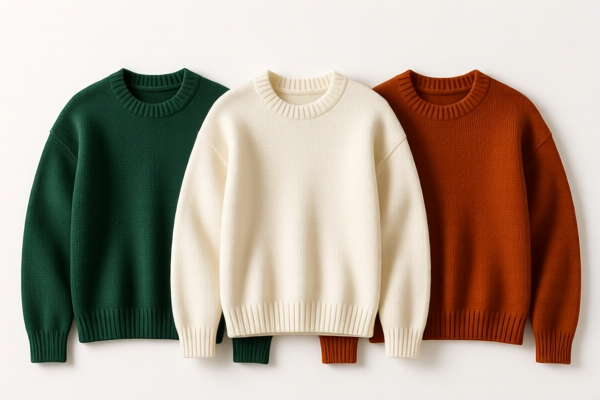
AI Analysis
🧶 Sweaters & Knitting Tools: The Ultimate HS Code Guide & Clearance Strategy (2026 Edition)
🌐 HS Code Reference & Customs Clearance Guide | 2026 Latest Tariff Analysis | Professional通关 Strategy
📌 I. Product Definition & Classification: Do You Really Know What "Sweaters" Are?
In international trade, "Sweaters" are not just a single category. They range from finished garments to raw knitting tools, each carrying drastically different tax implications. Understanding the distinction between finished wool/cotton knits and metal knitting needles is critical for accurate declaration and cost control.
1. Finished Garments (Sweaters/Jumpers):
- Materials: Typically wool, cotton, or fine animal hair.
- Types: Pullovers, cardigans, crew-necks.
- Classification: Generally falls under Chapter 61 (Articles of Apparel and Clothing Accessories, Knitted or Crocheted).
2. Knitting Tools (Needles):
- Materials: Metal (Steel/Iron).
- Types: Hand-knitting needles, circular needles.
- Classification: Falls under Chapter 73 (Articles of Iron or Steel), specifically categorized as other steel products.
⚠️ Key Distinction Point:
- If it is a finished garment worn by humans → Chapter 61 (HS 6103/6110).
- If it is a tool used to knit (metal needles) → Chapter 73 (HS 7326/7320).
- Misclassification Risk: Declaring metal needles as "sweaters" or vice versa will lead to severe penalties and customs delays.
📦 II. HS Code Classification Details (2026 Latest Tariff Authority Comparison)
| HS Code | Product Description | Target Audience | Material Inference |
|---|---|---|---|
6103.22.00.70 |
Sweater ensemble | Unspecified | Wool or Cotton Knitted |
6110.19.00.15 |
Men's Sweater (Pullover) | Men | Wool or Fine Animal Hair |
6110.11.00.15 |
Men's Sweater (Pullover) | Men | Wool or Fine Animal Hair |
7326.90.86.88 |
Knitting Needles | N/A | Metal (Steel/Iron) |
7326.20.00.90 |
Knitting Needles | N/A | Metal (Iron/Steel Wire) |
🔍 Critical Note:
- HS 6103/6110 refer to apparel. Taxes apply to the final product.
- HS 7326/7320 refer to industrial/household tools. These face extremely high additional tariffs due to steel-specific trade restrictions.
💰 III. 2026 Latest Tariff Rate Breakdown (Including Additional Taxes & Policies)
✅ Applicable Country: United States (US)
✅ Origin: China (CN)
✅ Effective Date: Current regulations apply (Section 301, Section 232, Section 122)
🎯 1. 6103.22.00.70 – Sweater Ensemble (Wool/Cotton)
| Item | Content |
|---|---|
| Base Tariff | Rate applicable to each garment if separated |
| Additional Tariff (Sec 301) | +7.5% |
| Section 122 Tariff | +10% |
| Total Effective Rate | Variable (Base + 17.5%) |
| Tax Calculation | Sum of individual garment rates in the ensemble + 17.5% |
| Legal Path | HTSUS 6103.22.00.70 → Sec 301 Footnote → Sec 122 |
📌 Explanation:
- This code often applies to sets or specific wool/cotton knits.
- The "17.5%" includes the 7.5% Section 301 tariff and 10% Section 122 tariff.
- Base duty depends on the specific material breakdown if items are sold separately.
🎯 2. 6110.19.00.15 & 6110.11.00.15 – Men's Wool/Fine Animal Hair Sweaters
| Item | Content |
|---|---|
| Base Tariff | 16.0% |
| Additional Tariff (Sec 301) | +7.5% |
| Section 122 Tariff | +10% |
| Total Effective Rate | 33.5% |
| Tax Calculation | CIF Value × 33.5% |
| De Minimis Exemption | ❌ Not Applicable |
| Legal Path | HTSUS 6110.11/19.00.15 → Sec 301 Footnote → Sec 122 |
📌 Explanation:
- These codes cover men's pullovers made of wool or fine animal hair.
- Total Tax: 33.5% is a fixed, high rate.
- Section 122 (often related to specific agricultural or strategic imports) adds an extra 10% on top of the standard 7.5% Section 301 duty.
🎯 3. 7326.90.86.88 – Metal Knitting Needles (Steel/Iron, Other)
| Item | Content |
|---|---|
| Base Tariff | 2.9% |
| Additional Tariff (Sec 301) | +25.0% |
| Section 122 Tariff | +10% |
| Steel/Aluminum/Copper Surcharge | +50% |
| Total Effective Rate | 87.9% |
| Tax Calculation | CIF Value × 87.9% |
| De Minimis Exemption | ❌ Not Applicable |
| Legal Path | HTSUS 7326.90.86.88 → Sec 301 → Sec 232 (Steel) → Sec 122 |
📌 Explanation:
- WARNING: This is an extremely high tariff category.
- The 50% surcharge is due to Section 232 (National Security Tariffs on Steel/Aluminum/Copper).
- Combined with 25% (Sec 301) and 10% (Sec 122), the total tax is nearly 88%.
- Cost Impact: Profit margins on knitting tools from China are likely destroyed unless priced significantly higher.
🎯 4. 7326.20.00.90 – Metal Knitting Needles (Iron/Steel Wire)
| Item | Content |
|---|---|
| Base Tariff | 3.9% |
| Additional Tariff (Sec 301) | +25.0% |
| Section 122 Tariff | +10% |
| Steel/Aluminum/Copper Surcharge | +50% |
| Total Effective Rate | 88.9% |
| Tax Calculation | CIF Value × 88.9% |
| De Minimis Exemption | ❌ Not Applicable |
| Legal Path | HTSUS 7326.20.00.90 → Sec 301 → Sec 232 → Sec 122 |
📌 Explanation:
- Similar to the above, but classified under wire articles.
- Total Tax: 88.9%.
- The 50% steel surcharge applies regardless of the specific wire form.
🛠️ IV. Customs Clearance Practical Advice (Field Pitfall Avoidance Guide)
✅ 1. Documentation Checklist (Non-Negotiable)
| Document | Mandatory? | Notes |
|---|---|---|
| ✅ Product Spec Sheet | ✔️ | Must specify material (e.g., "100% Wool", "Stainless Steel Needles"). |
| ✅ Material Composition Proof | ✔️ | Crucial for distinguishing between HS 6103 (Apparel) and HS 7326 (Tools). |
| ✅ Commercial Invoice | ✔️ | Clearly describe items as "Men's Wool Sweater" or "Knitting Needles". Do NOT use vague terms like "Textile Items". |
| ✅ Country of Origin Certificate | ✔️ | Essential for determining Section 301/232 applicability. |
| ✅ Photos of Product & Label | ✔️ | Show usage (e.g., needle in hand vs. needle in package). |
✅ 2. Declaration Tips (Key Mnemonics)
🔥 “Garments are Chapter 61, Tools are Chapter 73. Steel needs 50% extra. Check the material first!”
| Scenario | Correct HS Code | Incorrect Practice | Consequence |
|---|---|---|---|
| Men's Wool Pullover | 6110.19.00.15 |
Declare as "Clothing Accessory" (e.g., 6117) | Misclassification penalty + Underpayment |
| Cotton Sweater Set | 6103.22.00.70 |
Declare as single item | Tax calculation error (Base rate may differ) |
| Metal Knitting Needles | 7326.90.86.88 |
Declare as "Textile Tools" or "Apparel" | 88% Tax vs. Potential lower non-steel rate (if misdeclared but caught, leads to audit) |
| Knitting Needles (Plastic) | Not in List | Declare as 7326 |
Rejection if not steel. Check for Chapter 39 (Plastics). |
⚠️ Critical Warning for Metal Needles:
If you declare metal knitting needles as "Apparel Parts" or "Textile Machinery Parts" to avoid the 50% steel surcharge, customs will likely reject the declaration. The physical material (Steel/Iron) triggers the Section 232 tariff. Be honest in description.
✅ 3. Special Circumstances Handling
| Situation | Handling Advice |
|---|---|
| OEM Sweaters | Provide design specs and material breakdown. Ensure "Wool" content is certified to avoid misclassification as synthetic. |
| Mixed Shipments (Sweaters + Needles) | Separate Lines on BL/Invoice. Do not bundle under one HS Code. Declare garments under Ch. 61 and tools under Ch. 73. |
| Non-Chinese Origin Needles | If from Vietnam/EU, Section 301 (25%) and Sec 122 (10%) may not apply. Check specific country tariffs. The 50% Steel Surcharge (Sec 232) may still apply depending on US law updates. |
| Section 122 Specifics | Verify if your specific product line qualifies for Sec 122 exemption. Often applies to specific agricultural or strategic goods; for general knitwear/tools, assume 10% is applicable unless proven otherwise. |
🌍 V. Global Market Clearance Comparison (2026)
| Country/Region | Recommended HS Code | Est. Total Tax (CN Origin) | Certification Requirements | Notes |
|---|---|---|---|---|
| 🇺🇸 USA | 6110.19.00.15 (Sweater) |
33.5% | N/A | High tariff due to Sec 301 + 122. |
| 🇺🇸 USA | 7326.90.86.88 (Needles) |
87.9% | N/A | Extremely High. Steel surcharge dominates. |
| 🇪🇺 EU | 6110.20 (Wool Sweater) |
~12-16% | CE/RoHS (if mixed with metal parts) | No Section 122. No 50% Steel Surcharge. |
| 🇨🇳 China | 6110.11 |
16% | CCC (if electronic, not applicable here) | Base import tariff only. |
📌 Conclusion:
- USA is the most challenging market for both sweaters and knitting tools due to layered tariffs (Base + 301 + 122 + 232).
- Knitting Needles face near-doubling of cost (88%) due to steel-specific trade wars.
- Sweaters face a moderate-to-high burden (33.5%).
📌 VI. Common Errors & Pitfall Guide (Lessons Learned)
❌ Error 1: Declaring Metal Knitting Needles as "Textile Accessories"
👉 Consequence: Customs flags the steel content → Reassessment of tax → Back taxes + Penalties.
❌ Error 2: Combining Sweaters and Needles in one line item
👉 Consequence: Unclear classification → Customs may reject the whole shipment or assign the highest rate (88.9%) to all items.
❌ Error 3: Ignoring "Section 122" for Sweaters
👉 Consequence: Under-declaration by 10%. Customs audit finds the missing 10% → Lien on goods.
❌ Error 4: Assuming "Knitting Tools" are low tax
👉 Consequence: If made of steel, they are subject to Section 232. Always verify material.
✅ Correct Practice:
For Sweaters: "Men's Wool Pullover Sweater, 100% Wool, Knitted" → HS 6110.19.00.15
For Needles: "Stainless Steel Hand Knitting Needles, Size 5mm" → HS 7326.90.86.88
🎯 VII. Conclusion: Precision in Classification Saves Money!
🎯 Key Takeaways:
🔹 Sweaters (Chapter 61): Expect 33.5% total tax in the US. Plan pricing accordingly.
🔹 Metal Needles (Chapter 73): Expect 88% total tax in the US. Re-evaluate profitability for US-bound steel tools.
🔹 Material is King: Always declare exact material composition (Wool vs. Steel) to avoid misclassification.
🔹 Separate Lines: Never mix apparel and tools in one HS line item.
📌 Pro Tip:
If you are exporting knitting needles to the US, consider:
1. Sourcing from non-China origins to avoid Sec 301.
2. Checking if wooden/bamboo needles (Chapter 44) can be used as alternatives (lower tax).
3. Consulting a customs broker for Section 122 exemption verification.
📣 Immediate Action Required:
📞 Contact your customs broker with product samples and material specs.
📄 Request a Pre-Ruling if shipment value is high.
🚀 Accurate Classification = Predictable Costs = Profit Protection.
✨ Professional Customs Clearance Starts with Precise Classification!
💼 Every percentage point of tax impacts your bottom line. Get it right.
Customer Reviews
About HS Code Classification
The Harmonized System (HS) is an internationally standardized nomenclature developed by the World Customs Organization (WCO) to classify traded products. Over 200 countries use the HS system as the basis for customs tariffs, trade statistics, and import/export regulations.
Each HS code follows a hierarchical structure:
- Chapter (2 digits) — Broad category of goods (e.g., Chapter 84: Machinery and Mechanical Appliances)
- Heading (4 digits) — More specific grouping within the chapter
- Subheading (6 digits) — Internationally standardized breakdown, used by all WCO member countries
- National subdivisions (8-10 digits) — Country-specific extensions for further classification, such as US HTSUS 10-digit codes
Correct HS code classification is essential for smooth customs clearance, accurate duty payment, and compliance with trade regulations. Misclassification can lead to customs delays, overpayment of duties, or penalties.
When importing from CN to US, the applicable tariff rates may include:
- Most-Favored-Nation (MFN) rate — The standard duty rate applied to WTO members
- General rate — Applied to countries without trade agreements
- Trade remedy duties — Additional tariffs such as Section 301 (anti-dumping), Section 232 (national security), or countervailing duties
The information provided on this page is for reference purposes only. For official classification, please consult with your local customs authority or a licensed customs broker.