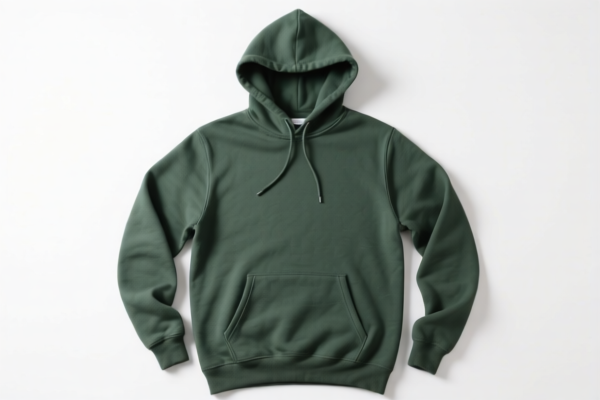
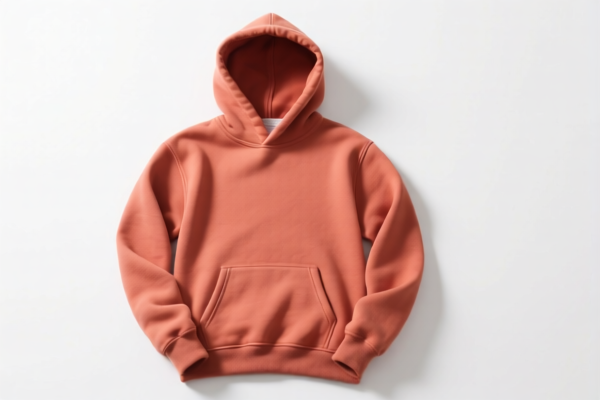
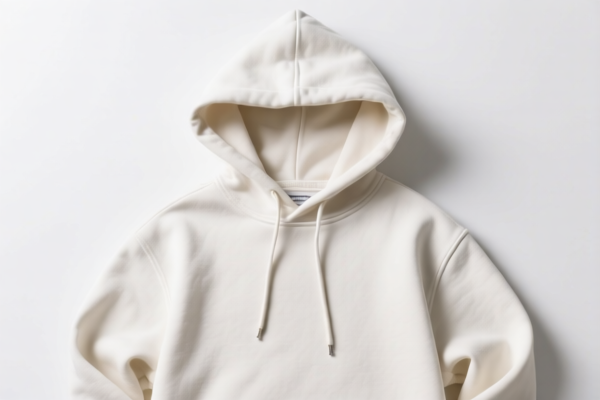
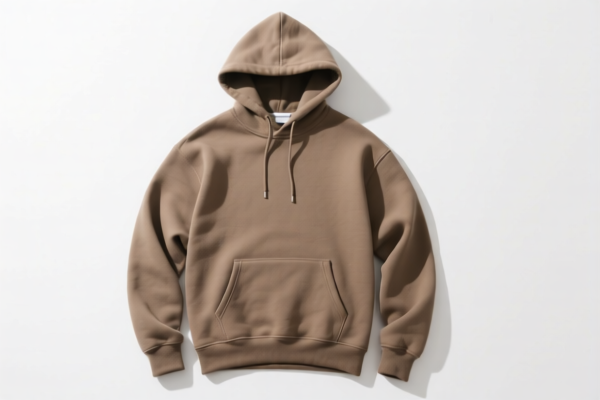
sweatshirt
CN → US| HS Code | Tariff Rate | Origin | Destination | Doc |
|---|---|---|---|---|
| 6110202046 | 34.0% | CN | US | Official Doc |
| 6110303041 | 49.5% | CN | US | Official Doc |
| 6108920030 | 33.5% | CN | US | Official Doc |
| 6108910030 | 26.0% | CN | US | Official Doc |
| 6207913020 | 23.6% | CN | US | Official Doc |
Product Images
AI Analysis
🧥 Sweatshirts (Knitted/Crocheted Apparel)
🌐 HS Code Reference & Customs Clearance Guide | 2026 Latest Tariff Analysis | Professional Entry Strategy
📌 I. Product Definition & Classification: Do You Really Know a "Sweatshirt"?
In international trade, "Sweatshirts" are not a single monolithic category. They are strictly divided by material composition (Cotton vs. Man-made Fibers) and gender/age group (Men/Boys vs. Women/Girls). Misclassification here can lead to significant tariff discrepancies due to the high punitive tariffs applied to specific apparel categories from China.
⚠️ Key Distinction Points:
- Material: Is it 100% Cotton (6110.20,6108.91,6207.91) or Man-made Fibers like Polyester/Acrylic (6110.30,6108.92)?
- Gender: Is it labeled for Men/Boys or Women/Girls?
- Knitting: Is it knitted (61xx) or woven (62xx)? Note: Most sweatshirts are knitted, but sweatpants can be woven.
📦 II. HS Code Classification Details (2026 Latest Tariff Authority Match)
Based on your input data, here are the precise classifications for Knitted/Crocheted Sweatshirts and Pants.
| HS Code | Product Description (Chinese Summary) | Total Tax Rate | Tax Breakdown Details | Key Material/Gender |
|---|---|---|---|---|
6110.20.20.46 |
Women's Cotton Knitted Sweatshirt | 34.0% | Base: 16.5% + Section 301: 7.5% + Section 122: 10% | ✅ Cotton, Women/Girls |
6110.30.30.41 |
Men's Synthetic/Cotton Knitted Sweatshirt | 49.5% | Base: 32.0% + Section 301: 7.5% + Section 122: 10% | ⚠️ Synthetic/Cotton, Men/Boys |
6108.92.00.30 |
Women's/Girls' Knitted Sweatpants (Synthetic) | 33.5% | Base: 16.0% + Section 301: 7.5% + Section 122: 10% | ✅ Synthetic, Women/Girls |
6108.91.00.30 |
Women's/Girls' Knitted Sweatpants (Cotton) | 26.0% | Base: 8.5% + Section 301: 7.5% + Section 122: 10% | ✅ Cotton, Women/Girls |
6207.91.30.20 |
Cotton Knitted Sweatpants (Non-Underwear) | 23.6% | Base: 6.1% + Section 301: 7.5% + Section 122: 10% | ✅ Cotton, Unisex/Other |
🔍 Critical Analysis:
- Highest Risk: Men’s synthetic sweatshirts (6110.30.30.41) hit a massive 49.5% total tariff.
- Lowest Risk: Cotton sweatpants for general use (6207.91.30.20) offer the most favorable entry at 23.6%.
- Uniform Surcharges: Regardless of the base rate, Section 301 (7.5%) and Section 122 (10%) are applied to ALL these items if originating from China.
💰 III. 2026 Latest Tariff Rate Details (Including Surcharges & Policy Add-ons)
✅ Applicable Country: United States (US)
✅ Origin: China (CN)
✅ Effective Time: Current applicable rates including Section 122 and 301 adjustments.
🎯 1. 6110.20.20.46 —— Women's Cotton Knitted Sweatshirt
| Item | Content |
|---|---|
| Base Tariff | 16.5% (Ad Valorem) |
| Section 301 Surcharge | +7.5% (Retaliatory Tariff on Chinese Goods) |
| Section 122 Surcharge | +10% (National Security/Supply Chain Tariff) |
| Total Effective Rate | 34.0% |
| Tax Calculation | CIF Value × 34.0% |
| De Minimis Exemption | ❌ NO (Deny De Minimis - Items over $800 may face scrutiny, but generally, apparel is scrutinized heavily) |
| Legal Basis Path | USITC:6110.20.20.46 → FTC:Section301:7.5% → BIS:Section122:10% |
📌 Explanation:
- The high base rate (16.5%) reflects protectionism for domestic textile manufacturing.
- The addition of 17.5% in surcharges makes the total cost of goods sold (COGS) significantly higher.
🎯 2. 6110.30.30.41 —— Men's Synthetic/Cotton Knitted Sweatshirt
| Item | Content |
|---|---|
| Base Tariff | 32.0% (High Base Rate for Synthetics) |
| Section 301 Surcharge | +7.5% |
| Section 122 Surcharge | +10% |
| Total Effective Rate | 49.5% |
| Tax Calculation | CIF Value × 49.5% |
| De Minimis Exemption | ❌ NO |
| Legal Basis Path | USITC:6110.30.30.41 → FTC:Section301:7.5% → BIS:Section122:10% |
📌 Warning:
- This is the most expensive category in your dataset.
- Synthetic fibers (polyester, acrylic) are heavily taxed compared to cotton in certain classifications.
- A $1,000 shipment will incur $495 in duties alone.
🎯 3. 6108.92.00.30 & 6108.91.00.30 —— Women's/Girls' Knitted Sweatpants
| Item | Content |
|---|---|
| Base Tariff | 16.0% (Synthetic) / 8.5% (Cotton) |
| Section 301 Surcharge | +7.5% |
| Section 122 Surcharge | +10% |
| Total Effective Rate | 33.5% (Synthetic) / 26.0% (Cotton) |
| Tax Calculation | CIF Value × Rate |
| De Minimis Exemption | ❌ NO |
📌 Note:
- Cotton sweatpants for women (6108.91.00.30) are significantly cheaper than synthetic ones (33.5%).
- Always specify 100% Cotton if possible to drop from 33.5% to 26.0%.
🎯 4. 6207.91.30.20 —— Cotton Knitted Sweatpants (Non-Underwear)
| Item | Content |
|---|---|
| Base Tariff | 6.1% (Lowest Base Rate) |
| Section 301 Surcharge | +7.5% |
| Section 122 Surcharge | +10% |
| Total Effective Rate | 23.6% |
| Tax Calculation | CIF Value × 23.6% |
| De Minimis Exemption | ❌ NO |
📌 Strategy:
- This is the most cost-effective option for sweatpants.
- Ensure the label says "Sweatpants" or "Joggers" and is clearly not underwear or sleepwear to avoid misclassification into higher duty home-textile categories.
🛠️ IV. Customs Clearance Practical Advice (Combat Pitfalls Guide)
✅ 1. Documentation Checklist (Non-negotiable)
| Document | Required? | Explanation |
|---|---|---|
| ✅ Commercial Invoice | ✔️ | Must clearly state "Knitted Sweatshirt" or "Knitted Sweatpants", Material (% Cotton/Synthetic), and Gender. |
| ✅ Packing List | ✔️ | Must match invoice exactly. Separate boxes for men’s vs. women’s items? |
| ✅ Label/Tag Photos | ✔️ | Crucial: Customs officers will check the care label. Does it say "100% Cotton" or "Polyester Blend"? Mismatches cause seizures. |
| ✅ Certificate of Origin | ✔️ | Proves origin from China (triggering 301/122 tariffs). If from Vietnam/Mexico, tariffs may drop significantly. |
| ✅ Product Description | ✔️ | Use precise terms: "Men's Cotton Knitted Crewneck Sweatshirt". Avoid vague terms like "Top" or "Apparel". |
✅ 2. Declaration Tips (Key Mnemonics)
🔥 "Material Determines Base, Gender Determines Code, Section 122 Always Hits!"
| Scenario | Correct Declaration | Error to Avoid |
|---|---|---|
| Women’s Cotton Sweatshirt | 6110.20.20.46 + "100% Cotton Knitted Sweatshirt" |
Calling it "Sweater" (different HTS) → 34.0% vs Wrong Code |
| Men’s Poly Blend Sweatshirt | 6110.30.30.41 + "Synthetic Blend Knitted Sweatshirt" |
Calling it "Cotton" → 49.5% vs Penalty for Fraud |
| Women’s Cotton Pants | 6108.91.00.30 + "Cotton Knitted Sweatpants" |
Calling them "Leggings" → Different Code, Different Tax |
| Unisex Cotton Pants | 6207.91.30.20 + "Cotton Knitted Sweatpants (Non-Underwear)" |
Calling them "Underwear" → Wrong Category, High Duty |
✅ 3. Special Situation Handling
| Situation | Handling Advice |
|---|---|
| Blended Materials | If >50% Cotton, declare as Cotton. If >50% Synthetic, declare as Synthetic. Check the label! |
| "Unisex" Labels | Customs may classify as Men’s or Women’s based on cut/style. If cut is feminine, use Women’s codes. |
| Section 122 Exemptions | Currently, very few apparel items are exempt. Check if your supplier is in a free trade zone (e.g., Vietnam) to bypass the 10% S122 tax. |
| De Minimis ($800) | ❌ Do not rely on de minimis for apparel. US Customs is aggressively auditing Section 122 and 301 tariffs on shipments under $800. Pay the duty upfront. |
🌍 V. Global Market Clearance Comparison (2026 Latest)
| Country/Region | Recommended HS Code | Tariff (China Origin) | Certification Requirements | Notes |
|---|---|---|---|---|
| 🇺🇸 USA | 6110.20.20.46 etc. |
23.6% - 49.5% (Incl. 301+122) | None (General) | Highest Duty. S122 is the killer. |
| 🇨🇳 China | 6110.20.20.46 etc. |
~8-15% (Import Duty) | CCC (if branded) | No Section 122/301. |
| 🇪🇺 EU | 6110.11 etc. |
~12% + VAT | REACH, Labeling | No Section 122. Lower than US. |
| 🇲🇽 Mexico | 6110.20.20.46 etc. |
0% (Under USMCA if qualifying) | None | Best Alternative. Shift production to Mexico to avoid S122/301. |
📌 Conclusion:
- The USA market is hostile to Chinese apparel due to Section 301 (7.5%) and Section 122 (10%).
- Mexico/Vietnam are the only viable options to reduce the 17.5% surcharge.
- Cotton is generally cheaper to import than Synthetic for sweatpants.
📌 VI. Common Errors & Pitfall Guide (Blood & Tears Lessons)
❌ Error 1: Declaring "Polyester" as "Cotton"
👉 Consequence: 49.5% instead of 26.0%. Fine for misdeclaration.
❌ Error 2: Ignoring Section 122 (10%)
👉 Consequence: Underestimated landed cost. Budget for Total 34-49%, not just base duty.
❌ Error 3: Splitting "Sweatshirt" and "Sweatpants" incorrectly
👉 Consequence: If you declare pants as "Shorts" or "Underwear", you risk rejection.
❌ Error 4: Using "Apparel" as a generic description
👉 Consequence: CBP will request detailed specs, causing 7-14 day delays.
✅ Correct Practice:
"Women's 100% Cotton Knitted Crewneck Sweatshirt, Size M, Model XYZ, Origin: China"
"Men's 100% Polyester Knitted Pullover Sweatshirt, Size L, Model ABC, Origin: China"
🎯 VII. Conclusion: Precise Classification, Save Millions!
🎯 Remember Mnemonic:
🔹 "Cotton Cheaper, Synth Expensive, Section 122 Hits Everyone!"
🔹 "HS Code is King, 49.5% is the Ceiling, 23.6% is the Floor."
🔹 "Don't Split, Don't Hide, Declare Exactly!"
📌 Pro Tip:
If you are shipping to the USA, consider transshipping through Mexico (if USMCA rules apply) or Vietnam to avoid the 10% Section 122 and 7.5% Section 301 tariffs.
For domestic US sales, ensure your labeled content matches your customs declaration perfectly.
📣 Take Action Now:
📞 Consult a Customs Broker + Provide Care Label Photos + Calculate Landed Cost with 49.5% in mind
🚀 Let your sweatshirts clear customs smoothly, efficiently, and profitably!
✨ Professional Clearance Starts with Accurate Classification!
💼 Every Percent Saved is Pure Profit!
Customer Reviews
About HS Code Classification
The Harmonized System (HS) is an internationally standardized nomenclature developed by the World Customs Organization (WCO) to classify traded products. Over 200 countries use the HS system as the basis for customs tariffs, trade statistics, and import/export regulations.
Each HS code follows a hierarchical structure:
- Chapter (2 digits) — Broad category of goods (e.g., Chapter 84: Machinery and Mechanical Appliances)
- Heading (4 digits) — More specific grouping within the chapter
- Subheading (6 digits) — Internationally standardized breakdown, used by all WCO member countries
- National subdivisions (8-10 digits) — Country-specific extensions for further classification, such as US HTSUS 10-digit codes
Correct HS code classification is essential for smooth customs clearance, accurate duty payment, and compliance with trade regulations. Misclassification can lead to customs delays, overpayment of duties, or penalties.
When importing from CN to US, the applicable tariff rates may include:
- Most-Favored-Nation (MFN) rate — The standard duty rate applied to WTO members
- General rate — Applied to countries without trade agreements
- Trade remedy duties — Additional tariffs such as Section 301 (anti-dumping), Section 232 (national security), or countervailing duties
The information provided on this page is for reference purposes only. For official classification, please consult with your local customs authority or a licensed customs broker.