swimming pants
CN → US| HS Code | Tariff Rate | Origin | Destination | Doc |
|---|---|---|---|---|
| 6112310010 | 35.9% | CN | US | Official Doc |
| 6112390010 | 30.7% | CN | US | Official Doc |
| 6211118010 | 25.0% | CN | US | Official Doc |
| 6211111010 | 37.8% | CN | US | Official Doc |
| 3926909989 | 22.8% | CN | US | Official Doc |
Product Images
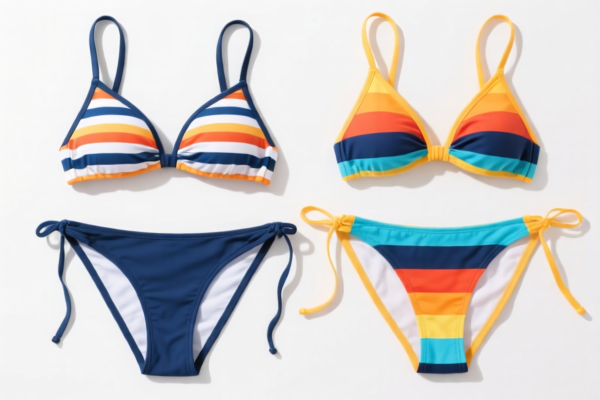
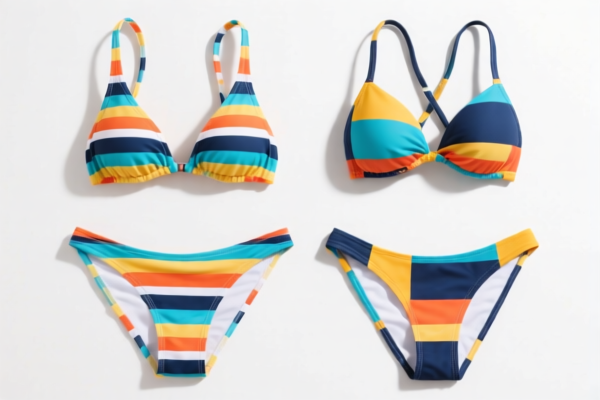
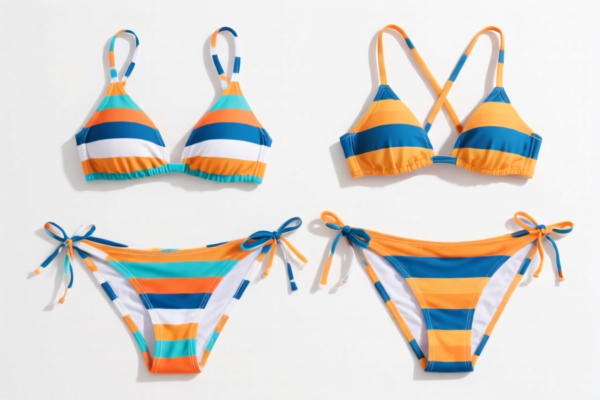
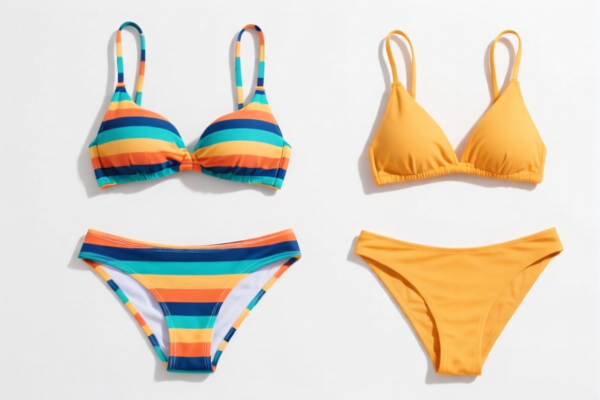
AI Analysis
🩳 Swimming Pants (Men's Swim Trunks/Shorts)
🌐 HS Code Reference & Customs Clearance Guide | 2026 Latest Tariff Breakdown | Professional Strategy for US Imports
📌 I. Product Definition: What Are "Swimming Pants"?
In international trade, "swimming pants" typically refer to men's swim shorts/trunks designed for water activities. However, customs classification depends heavily on two factors: 1. Construction Method: Are they Knitted (stretchy, jersey-like, common in board shorts) or Woven (structured, synthetic fabric, common in swim trunks)? 2. Material Composition: Synthetic fibers (polyester, nylon) vs. other textiles (cotton, blends) vs. plastic/synthetic sheeting.
⚠️ Key Classification Point:
- Knitted items usually fall under Chapter 61 (Articles of Apparel and Clothing Accessories, Knitted or Crocheted).
- Woven items usually fall under Chapter 62 (Articles of Apparel and Clothing Accessories, Not Knitted or Crocheted).
- Plastic/Sheathing items may fall under Chapter 39 if they are made of plastic sheets/textiles without textile structure.
📦 II. HS Code Classification Details (2026 Official Tariff Schedule)
Based on the provided data, here are the 5 possible HS codes for swimming pants, categorized by material and construction.
| HS Code | Product Description | Material/Type | Key Characteristic |
|--------|--------------------------|------------------------|
| 6112.31.00.10 | Knitted Swim Shorts | Synthetic Fibers | Stretchy, jersey-like fabric (e.g., board shorts). Highest Tax. |
| 6112.39.00.10 | Other Knitted Swim Shorts | Other Textiles (Cotton, Polyester blends) | Knitted but not purely synthetic. |
| 6211.11.80.10 | Non-Knitted Swim Shorts | Other Textiles | Woven fabric, generic material. Lowest Base Tax. |
| 6211.11.10.10 | Non-Knitted Swim Shorts | Man-Made/Synthetic Fibers | Woven but made of high-tech synthetics. Highest Total Tax. |
| 3926.90.99.89 | Plastic/Synthetic Sheet Swimsuits | Plastic/Synthetic Sheets | Made of plastic sheeting or non-textile synthetic material. |
🔍 Critical Distinction:
- If the fabric is knitted (loop structure, stretchy), it must be 6112.
- If the fabric is woven (cross-thread structure), it must be 6211.
- If it is made of plastic film/sheet (like a raincoat material), it may be 3926.
💰 III. 2026 Latest Tariff Rate Breakdown (Detailed Tax Analysis)
✅ Applicable Country: United States (US)
✅ Origin: China (CN)
✅ Effective Date: Current rates apply (including 122 Clause Tariffs)
🎯 1. 6112.31.00.10 – Knitted Swim Shorts (Synthetic Fibers)
⛔ HIGHEST RISK TARIFF CATEGORY
| Item | Detail |
|---|---|
| Base Tariff | 25.9% |
| Section 301/Retaliatory Tariff | 0.0% |
| "122 Clause" Tariff | +10% |
| Total Effective Rate | 35.9% |
| Tax Calculation | CIF Value × 35.9% |
| De Minimis Exemption | ❌ Not Eligible (Due to high duty rate and 122 clause) |
| Legal Basis Path | HTSUS 6112.31 → 122 Clause List → USITC Database |
📌 Explanation:
- This code applies to synthetic fiber knit swimwear (e.g., polyester/nylon blends).
- The 122 Clause adds an additional 10% tariff specifically targeting certain textile/apparel products from China.
- Total Tax: 35.9%. This is the most common code for standard "board shorts."
🎯 2. 6112.39.00.10 – Other Knitted Swim Shorts (Non-Synthetic or Blends)
⚠️ HIGH RISK TARIFF CATEGORY
| Item | Detail |
|---|---|
| Base Tariff | 13.2% |
| Section 301/Retaliatory Tariff | +7.5% |
| "122 Clause" Tariff | +10% |
| Total Effective Rate | 30.7% |
| Tax Calculation | CIF Value × 30.7% |
| De Minimis Exemption | ❌ Not Eligible |
| Legal Basis Path | HTSUS 6112.39 → 122 Clause List → USITC Database |
📌 Explanation:
- Applies to knitted swim shorts made of other textiles (e.g., cotton, viscose, or non-synthetic blends).
- The 7.5% Section 301 tariff applies here, unlike the synthetic knit version.
- Total Tax: 30.7%.
🎯 3. 6211.11.80.10 – Non-Knitted Swim Shorts (Other Textiles)
✅ LOWEST BASE TARIFF (But Still Significant)
| Item | Detail |
|---|---|
| Base Tariff | 7.5% |
| Section 301/Retaliatory Tariff | +7.5% |
| "122 Clause" Tariff | +10% |
| Total Effective Rate | 25.0% |
| Tax Calculation | CIF Value × 25.0% |
| De Minimis Exemption | ❌ Not Eligible |
| Legal Basis Path | HTSUS 6211.11 → 122 Clause List → USITC Database |
📌 Explanation:
- Applies to woven swim shorts made of other textiles (not synthetic fibers like polyester/nylon, or perhaps natural fibers).
- Total Tax: 25.0%. This is the lowest total rate among the options, but only if the material qualifies as "other textiles" and not synthetic.
🎯 4. 6211.11.10.10 – Non-Knitted Swim Shorts (Synthetic Fibers)
⛔ HIGHEST TARIFF CATEGORY (Woven)
| Item | Detail |
|---|---|
| Base Tariff | 27.8% |
| Section 301/Retaliatory Tariff | 0.0% |
| "122 Clause" Tariff | +10% |
| Total Effective Rate | 37.8% |
| Tax Calculation | CIF Value × 37.8% |
| De Minimis Exemption | ❌ Not Eligible |
| Legal Basis Path | HTSUS 6211.11 → 122 Clause List → USITC Database |
📌 Explanation:
- Applies to woven swim shorts made of synthetic/man-made fibers (e.g., polyester woven trunks).
- Despite 0% Section 301, the base tariff is very high (27.8%).
- Total Tax: 37.8%. This is the most expensive code in the dataset.
🎯 5. 3926.90.99.89 – Plastic/Synthetic Sheet Swimwear
⚠️ UNIQUE CATEGORY (Non-Textile)
| Item | Detail |
|---|---|
| Base Tariff | 5.3% |
| Section 301/Retaliatory Tariff | +7.5% |
| "122 Clause" Tariff | +10% |
| Total Effective Rate | 22.8% |
| Tax Calculation | CIF Value × 22.8% |
| De Minimis Exemption | ❌ Not Eligible |
| Legal Basis Path | HTSUS 3926.90 → 122 Clause List → USITC Database |
📌 Explanation:
- Applies to swimwear made of plastic sheets or synthetic sheeting (not woven/knit textiles).
- Total Tax: 22.8%. This is the second lowest rate, but only if the product is truly non-textile.
- Risk: Misclassifying textile swimwear as plastic can lead to severe penalties.
🛠️ IV. Customs Clearance Practical Advice (Avoiding Pitfalls)
✅ 1. Documentation Checklist (Must-Haves)
| Document | Required? | Description |
|---|---|---|
| ✅ Product Description | ✔️ | Must specify: "Men's Swim Shorts, Knitted/Woven, Material: 80% Polyester/20% Spandex" |
| ✅ Material Composition | ✔️ | Critical: % of Synthetic vs. Other Textiles. Determines 6112.31 vs. 6112.39 vs. 6211. |
| ✅ Construction Method | ✔️ | Knitted (loop) vs. Woven (cross). Use close-up photos if unclear. |
| ✅ Commercial Invoice | ✔️ | Clear value, HS Code, Country of Origin (China) |
| ✅ Packing List | ✔️ | Weight, dimensions, quantity |
| ✅ Brand & Model | ✔️ | To avoid IP infringement flags |
✅ 2. Classification Strategy (Key Mnemonics)
🔥 "Knit = 61, Woven = 62. Synthetic High Tax, Other Low Tax. Plastic = 39."
| Scenario | Correct HS Code | Total Tax | Why? |
|---|---|---|---|
| Standard Board Shorts (Stretchy, Polyester) | 6112.31.00.10 |
35.9% | Knitted + Synthetic |
| Cotton Blend Swim Shorts (Stretchy) | 6112.39.00.10 |
30.7% | Knitted + Other Textile |
| Woven Polyester Trunks (No Stretch) | 6211.11.10.10 |
37.8% | Woven + Synthetic |
| Woven Cotton/Blend Trunks | 6211.11.80.10 |
25.0% | Woven + Other Textile |
| Plastic/Raincoat Material Swimsuit | 3926.90.99.89 |
22.8% | Plastic/Sheathing |
📌 Important:
- Do not assume "Synthetic" always means lower tax. In woven goods (6211), synthetic has a higher base tariff than other textiles.
- Knitted synthetics (6112.31) have no Section 301 but high base tariff.
- 122 Clause (10%) applies to ALL these codes. Do not forget it.
✅ 3. Special Cases & Pitfalls
| Situation | Advice |
|---|---|
| Mixed Materials | If >50% synthetic by weight, use synthetic code. If <50%, check Chapter Notes. |
| Lining Included | If shorts have a lining, the outer fabric determines classification. |
| Sample vs. Bulk | Ensure samples match bulk material exactly. Customs may test fabric. |
| Brand Infringement | Avoid using brand names (Nike, Adidas) on labels if not authorized. Customs will seize. |
| De Minimis (Section 321) | ❌ NOT ELIGIBLE. All these codes exceed $800 duty threshold or are excluded due to 122/301 clauses. Full duty applies. |
🌍 V. Global Market Comparison (2026)
| Market | Recommended HS Code | Est. Total Duty | Notes |
|---|---|---|---|
| 🇺🇸 USA | 6112.31.00.10 (Common) |
35.9% | High duties due to 122 Clause + Base Tariff |
| 🇺🇸 USA | 6211.11.80.10 (Lowest) |
25.0% | Only if woven & non-synthetic |
| 🇨🇳 China | 6112.31 / 6211.11 | 0% - 10% | No Section 301 or 122. Lower rates. |
| 🇪🇺 EU | 6112.31 / 6211.11 | 0% - 12% | No extra tariffs if under $150 (IOSS), but higher for bulk. |
| 🇨🇦 Canada | 6112.31 / 6211.11 | 17.5% | MFN rate + possible CUSMA adjustments. |
📌 Conclusion:
- USA is the most expensive market for swimwear from China due to 122 Clause (10%) and Section 301.
- Choose6211.11.80.10if possible (Woven + Other Textile) for the lowest rate (25.0%).
- Avoid6211.11.10.10(Woven + Synthetic) unless necessary, as it is the most expensive (37.8%).
📌 VI. Common Errors & How to Avoid Them
❌ Error 1: Misclassifying Woven Synthetic Shorts as 6112.31.00.10
👉 Result: Wrong code → Underpayment → Penalties & Back Taxes.
✅ Fix: Check fabric weave. If woven, use 6211.
❌ Error 2: Ignoring the 122 Clause (10%)
👉 Result: Underpaying duty → Seizure at Border.
✅ Fix: Always add 10% to the base + Section 301 tariff.
❌ Error 3: Assuming "Swimwear" is a single code
👉 Result: Customs rejection → Delays & Storage Fees.
✅ Fix: Specify Knitted/Woven and Material clearly.
❌ Error 4: Trying to use De Minimis ($800)
👉 Result: Rejected. These codes are excluded.
✅ Fix: Plan for full duty payment (22.8% - 37.8%).
🎯 VII. Conclusion: Smart Classification, Cost Savings!
🎯 Key Takeaway:
🔹 "Knitted Synthetic: 35.9%"
🔹 "Knitted Other: 30.7%"
🔹 "Woven Other: 25.0%" ← Best Rate
🔹 "Woven Synthetic: 37.8%" ← Worst Rate
🔹 "Plastic: 22.8%" ← Lowest if Applicable
📌 Pro Tip:
- If you can, design swim shorts using woven fabrics with non-synthetic blends (e.g., cotton/viscose) to qualify for 6211.11.80.10 (25.0%).
- Always verify fabric composition with your supplier before shipping.
- Do not rely on De Minimis for these products.
📣 Action Plan:
1. Test Fabric: Confirm Knit vs. Woven.
2. Check Material: Synthetic vs. Other Textiles.
3. Select HS Code: Use the table above.
4. Calculate Duty: Base + 10% (122 Clause).
5. Clear Customs: With full documentation.
✨ Professional Customs Clearance Starts with Accurate Classification!
💼 Save up to 12.8% in duty by choosing the right HS Code!
Customer Reviews
About HS Code Classification
The Harmonized System (HS) is an internationally standardized nomenclature developed by the World Customs Organization (WCO) to classify traded products. Over 200 countries use the HS system as the basis for customs tariffs, trade statistics, and import/export regulations.
Each HS code follows a hierarchical structure:
- Chapter (2 digits) — Broad category of goods (e.g., Chapter 84: Machinery and Mechanical Appliances)
- Heading (4 digits) — More specific grouping within the chapter
- Subheading (6 digits) — Internationally standardized breakdown, used by all WCO member countries
- National subdivisions (8-10 digits) — Country-specific extensions for further classification, such as US HTSUS 10-digit codes
Correct HS code classification is essential for smooth customs clearance, accurate duty payment, and compliance with trade regulations. Misclassification can lead to customs delays, overpayment of duties, or penalties.
When importing from CN to US, the applicable tariff rates may include:
- Most-Favored-Nation (MFN) rate — The standard duty rate applied to WTO members
- General rate — Applied to countries without trade agreements
- Trade remedy duties — Additional tariffs such as Section 301 (anti-dumping), Section 232 (national security), or countervailing duties
The information provided on this page is for reference purposes only. For official classification, please consult with your local customs authority or a licensed customs broker.