table cover
CN → US| HS Code | Tariff Rate | Origin | Destination | Doc |
|---|---|---|---|---|
| 3920200055 | 39.2% | CN | US | Official Doc |
| 5903102010 | 35.0% | CN | US | Official Doc |
| 3920100000 | 39.2% | CN | US | Official Doc |
| 5903102090 | 35.0% | CN | US | Official Doc |
| 4421999880 | 38.3% | CN | US | Official Doc |
Product Images
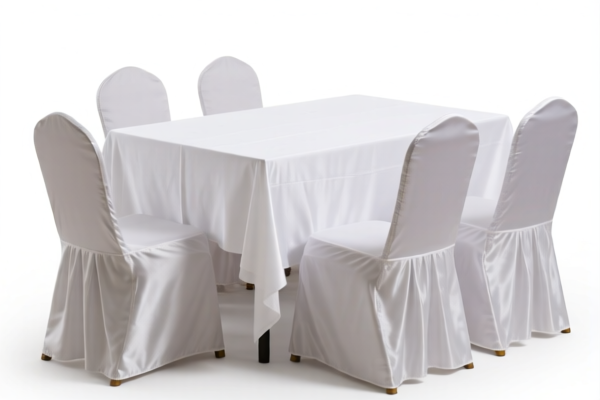
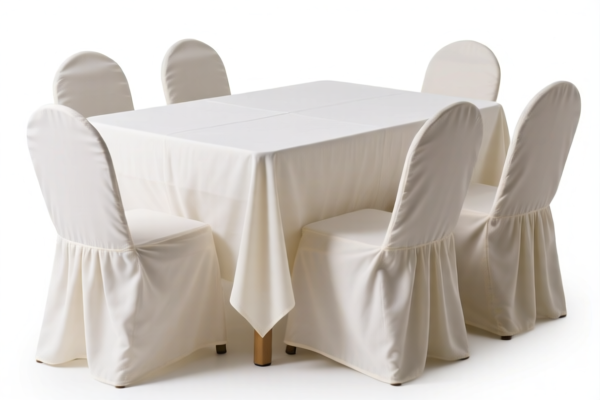
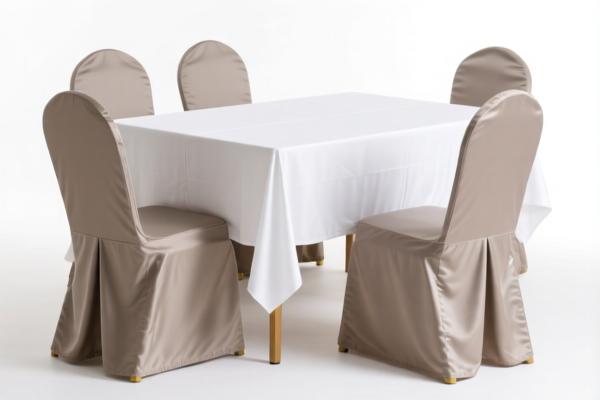
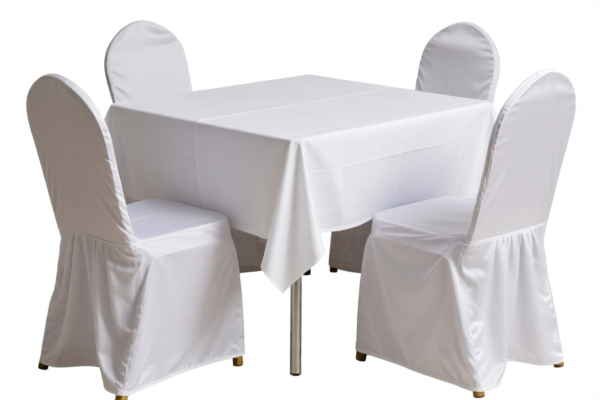
AI Analysis
🍽️ Table Coverings & Wood Tabletops: HS Code Classification & Clearance Guide (US Market)
🌐 HS Code Reference & Customs Clearance Guide | 2026 Latest Tariff Analysis | Strategic Compliance Strategy
📌 I. Product Definition & Classification: What Exactly Is a "Table Cover"?
In international trade, the term "Table Cover" is ambiguous and can refer to two completely different types of goods, leading to drastically different HS Codes and tax liabilities. The classification depends entirely on the material composition and the physical structure:
1. Plastic-Based Tablecloths: * Materials: Polypropylene (PP), Polyethylene (PE), or PVC (Polyvinyl Chloride). * Form: Sheets, films, foils, or strips. * Key Distinction: If it is a flexible plastic sheet used as a cover, it falls under Chapter 39. If the textile is impregnated/coated with plastic, it falls under Chapter 59.
2. Wooden Tabletops: * Materials: Solid wood, engineered wood. * Form: Rigid boards or panels used for dining tables or furniture. * Key Distinction: This is a rigid wood product, falling under Chapter 44.
⚠️ Critical Classification Point:
- If the item is a fabric/tablecloth coated with PVC, do NOT classify it as a pure plastic sheet (Chapter 39). It must go to Chapter 59.
- If the item is a pure plastic sheet (e.g., clear PVC or PP vinyl), it is Chapter 39.
- If the item is a wooden board, it is Chapter 44.
📦 II. HS Code Classification Details (2026 Latest Tariff Authority)
| HS Code | Product Description | Application Scenario | Material/Structure |
|---|---|---|---|
3920.20.00.55 |
Plastic sheets/films, of polypropylene | Clear plastic tablecloths, PP-based covers | ✅ Pure PP Plastic |
3920.10.00.00 |
Plastic sheets/films, of polymers of ethylene | PE-based plastic table covers | ✅ Pure PE Plastic |
5903.10.20.10 |
Textile fabrics impregnated/coated with PVC | PVC-coated tablecloths (vinyl fabric) | ✅ Fabric + PVC Coating |
5903.10.20.90 |
Other textile fabrics impregnated with plastics | Non-PVC plastic-coated textiles (e.g., other polymers) | ✅ Fabric + Other Plastic |
4421.99.98.80 |
Wooden table tops (Other wood articles) | Rigid wooden table surfaces | ✅ Solid/Engineered Wood |
🔍 Key Reminder:
- PVC Tablecloths are often mistaken for3920codes. However, since they have a textile base, they must be classified under5903. Misclassification can lead to customs audits.
- Wooden Tabletops are not considered "furniture" in the assembly sense here but rather specific wood articles. They fall under4421.
💰 III. 2026 Latest Tariff Rate Breakdown (Including Section 301 & 122 Tariffs)
✅ Applicable Country: United States (US)
✅ Country of Origin: China (CN)
✅ Effective Date: Current trade policies (Section 301 & 122 tariffs applied)
🎯 1. 3920.20.00.55 & 3920.10.00.00 —— Pure Plastic Table Covers
| Item | Content |
|---|---|
| Base Tariff Rate | 4.2% (Ad Valorem) |
| Section 301 Tariff | +25.0% (China-specific punitive tariff) |
| Section 122 Tariff | +10.0% (Additional tariff on certain imports) |
| Total Effective Tariff | 39.2% |
| Tax Calculation | CIF Value × 39.2% |
| De Minimis Exemption | ❌ Not Applicable (High-value commercial goods) |
| Legal Basis | USITC:3920.20.00.55 → Section301:Footnote9903 |
📌 Explanation:
- 4.2% Base Rate: The standard MFN (Most Favored Nation) tariff for plastic sheets.
- +25% Section 301: Applied to all Chinese-origin plastic articles under this heading.
- +10% Section 122: An additional surcharge applied to specific imported goods.
- Total: 39.2%. This is a high-cost item for importers.
🎯 2. 5903.10.20.10 & 5903.10.20.90 —— PVC-Plasticized Tablecloths
| Item | Content |
|---|---|
| Base Tariff Rate | 0.0% (Ad Valorem) |
| Section 301 Tariff | +25.0% (China-specific punitive tariff) |
| Section 122 Tariff | +10.0% (Additional tariff on certain imports) |
| Total Effective Tariff | 35.0% |
| Tax Calculation | CIF Value × 35.0% |
| De Minimis Exemption | ❌ Not Applicable |
| Legal Basis | USITC:5903.10.20.10 → Section301:Footnote9903 |
📌 Explanation:
- 0% Base Rate: Textile products impregnated with plastics often enjoy lower base rates.
- +25% Section 301: Still fully applicable to Chinese goods.
- +10% Section 122: Additional surcharge applies.
- Total: 35.0%. Savings Alert: This is 4.2% cheaper than pure plastic sheets (3920). Proper classification is crucial for cost optimization!
🎯 3. 4421.99.98.80 —— Wooden Table Tops
| Item | Content |
|---|---|
| Base Tariff Rate | 3.3% (Ad Valorem) |
| Section 301 Tariff | +25.0% (China-specific punitive tariff) |
| Section 122 Tariff | +10.0% (Additional tariff on certain imports) |
| Total Effective Tariff | 38.3% |
| Tax Calculation | CIF Value × 38.3% |
| De Minimis Exemption | ❌ Not Applicable |
| Legal Basis | USITC:4421.99.98.80 → Section301:Footnote9903 |
📌 Explanation:
- 3.3% Base Rate: Standard tariff for other wood articles.
- +25% Section 301: Fully applicable.
- +10% Section 122: Additional surcharge applies.
- Total: 38.3%. Competitive pricing, but watch out for wood packaging requirements (ISPM 15).
🛠️ IV. Customs Clearance Practical Advice (Battle-Proven Pitfall Guide)
✅ 1. Essential Documentation Checklist
| Document | Mandatory? | Description |
|---|---|---|
| ✅ Product Specification Sheet | ✔️ | Must specify: Material (PP, PE, PVC, Wood), Thickness, Dimensions, Weight. |
| ✅ Photos (Labeled) | ✔️ | Clear photos showing the texture (plastic sheen vs. fabric weave vs. wood grain). |
| ✅ Commercial Invoice | ✔️ | Must accurately describe the item (e.g., "PVC-Coated Tablecloth" NOT just "Table Cloth"). |
| ✅ Packing List | ✔️ | Include gross/net weight and carton dimensions. |
| ✅ Wood Packing Certificate | ✔️ | For Wood Products Only: ISPM 15 mark required on pallets/crates. |
| ✅ Fiber Content Statement | ✔️ | For Chapter 59: Confirm fabric base (e.g., "100% Polyester fabric coated with PVC"). |
✅ 2. Declaration Tips (Key Mantra)
🔥 "Material Dictates Code, Coating Defines Chapter, Wood Needs Stamp!"
| Scenario | Correct Declaration | Wrong Practice |
|---|---|---|
| Clear Plastic Sheet | Use 3920.20.00.55 |
Call it "Tablecloth" → Ambiguity risk |
| Vinyl Fabric Tablecloth | Use 5903.10.20.10 |
Call it "Plastic Sheet" → Wrong Code (3920) |
| Wooden Table Top | Use 4421.99.98.80 |
Call it "Furniture" → Wrong Chapter (94) |
| Mixed Packaging | Declare separately | Bundle wood with plastic → Complexity |
⚠️ Critical Note:
- If you declare a PVC-coated tablecloth as3920(Plastic Sheet), customs may reject it because it has a textile substrate.
- If you declare a Wooden Table Top as "Furniture" (9403), you might face different duties or documentation requirements. Stick to4421for the specific component.
✅ 3. Special Situations
| Situation | Handling Advice |
|---|---|
| OEM Custom Prints | Provide print design files. Ensure the base material description remains accurate. |
| Wood Pest Risk | Ensure wood is heat-treated or fumigated. No untreated wood allowed in US imports. |
| PVC Content | For 5903, explicitly state "Polyvinyl Chloride" to distinguish from other plastics. |
| Thickness Variance | For 3920, thickness matters. Confirm it fits the "films/sheets" definition. |
🌍 V. Global Market Comparison (2026 Snapshot)
| Country/Region | Recommended HS Code | Tariff (China Origin) | Key Certification | Notes |
|---|---|---|---|---|
| 🇺🇸 USA | 5903.10.20.10 / 3920.20.00.55 |
35.0% - 39.2% | No specific cert | High Tariff due to Sec 301/122 |
| 🇨🇳 China | 5903.10.20.10 / 3920.20.00.55 |
0% - 5% | GB Standards | Low import duty |
| 🇪🇺 EU | 5903.10.20 / 3920.20 |
6.5% - 8.0% | REACH, RoHS | No Section 301 tariffs |
| 🇨🇦 Canada | 5903.10.20 / 3920.20 |
5.0% - 7.5% | Health Canada | CUSMA benefits possible |
📌 Conclusion:
- The US market is the most expensive for these goods due to additive tariffs (Sec 301 + Sec 122).
- Correct Classification saves money: PVC-coated textiles (5903) are 4.2% cheaper in total duty than pure plastic sheets (3920).
- Wood requires extra care: Ensure ISPM 15 compliance to avoid detention.
📌 VI. Common Errors & Pitfalls (Lessons Learned)
❌ Error 1: Declaring a PVC-coated tablecloth as 3920 (Plastic Sheet).
👉 Consequence: Customs flags it for textile content → Delay, re-classification, potential penalty.
✅ Fix: Use 5903.10.20.10.
❌ Error 2: Omitting "Section 301" in internal cost calculations.
👉 Consequence: Unexpected 25% duty hit → Profit margin erosion.
✅ Fix: Always add +25% (Sec 301) +10% (Sec 122) to base duty for China-origin goods.
❌ Error 3: Using untreated wooden pallets for wood table tops.
👉 Consequence: Shipment rejected/destroyed at US port.
✅ Fix: Use ISPM 15-compliant packaging.
🎯 VII. Conclusion: Smart Classification, Higher Profits!
🎯 Remember the Mantra:
🔹 "Plastic Sheet = 3920 (39.2%)"
🔹 "Coated Fabric = 5903 (35.0%)"
🔹 "Wood Top = 4421 (38.3%)"
🔹 "Sec 301 + Sec 122 = Always Add 35% Extra!"
📌 Pro Tip:
If your suppliers offer "PVC-coated tablecloths," insist on the 5903 classification. It is 4.2% cheaper than classifying them as plastic sheets (3920). In a $10,000 shipment, that’s a $420 savings.
📣 Immediate Action:
📞 Verify material composition with your supplier.
🚀 Apply for Pre-classification Ruling if unsure.
💼 Precision in HS Codes = Precision in Profit!
✨ Professional Clearance Starts with Accurate Classification!
💼 Every percentage point counts in cross-border trade!
Customer Reviews
About HS Code Classification
The Harmonized System (HS) is an internationally standardized nomenclature developed by the World Customs Organization (WCO) to classify traded products. Over 200 countries use the HS system as the basis for customs tariffs, trade statistics, and import/export regulations.
Each HS code follows a hierarchical structure:
- Chapter (2 digits) — Broad category of goods (e.g., Chapter 84: Machinery and Mechanical Appliances)
- Heading (4 digits) — More specific grouping within the chapter
- Subheading (6 digits) — Internationally standardized breakdown, used by all WCO member countries
- National subdivisions (8-10 digits) — Country-specific extensions for further classification, such as US HTSUS 10-digit codes
Correct HS code classification is essential for smooth customs clearance, accurate duty payment, and compliance with trade regulations. Misclassification can lead to customs delays, overpayment of duties, or penalties.
When importing from CN to US, the applicable tariff rates may include:
- Most-Favored-Nation (MFN) rate — The standard duty rate applied to WTO members
- General rate — Applied to countries without trade agreements
- Trade remedy duties — Additional tariffs such as Section 301 (anti-dumping), Section 232 (national security), or countervailing duties
The information provided on this page is for reference purposes only. For official classification, please consult with your local customs authority or a licensed customs broker.