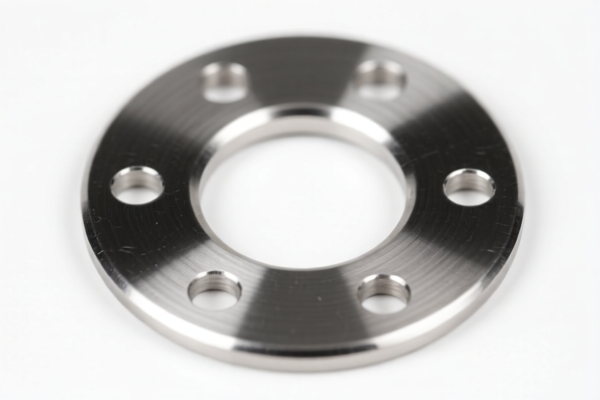
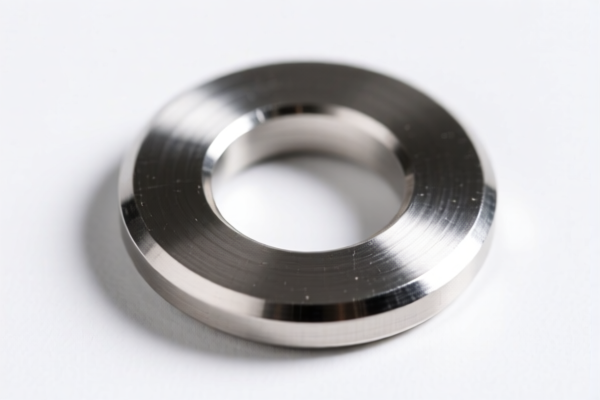
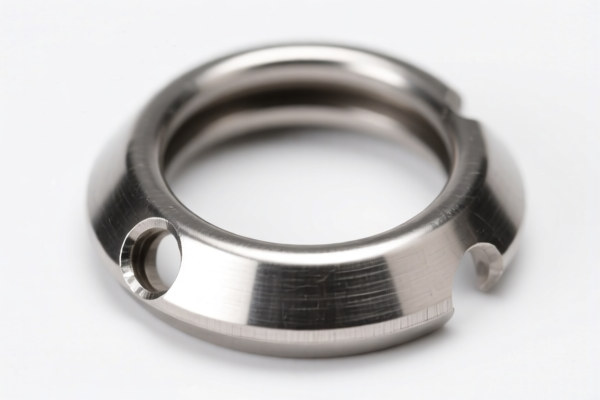
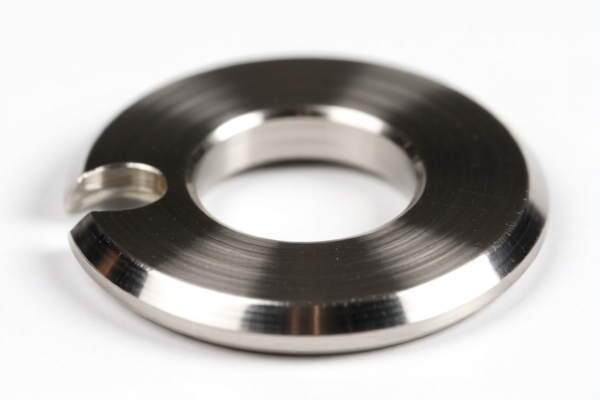
table hole protection ring
CN → US| HS Code | Tariff Rate | Origin | Destination | Doc |
|---|---|---|---|---|
| 7326908688 | 87.9% | CN | US | Official Doc |
| 9403993080 | 35.0% | CN | US | Official Doc |
| 3926902500 | 24.0% | CN | US | Official Doc |
| 7326908610 | 87.9% | CN | US | Official Doc |
| 9403994080 | 35.0% | CN | US | Official Doc |
Product Images
AI Analysis
🕳️ Table Hole Protection Ring (Desk Grommet / Cable Management Grommet)
🌐 HS Code Reference & Customs Clearance Guide | 2026 Latest Tariff Analysis | Professional-Level Compliance Strategy
📌 I. Product Definition & Classification: Do You Really Understand "Table Hole Protection Ring"?
Table Hole Protection Rings, also known as Desk Grommets or Cable Gromm, are small accessories installed in pre-drilled holes in desks or workstations. Their primary function is to protect cables from abrasion against the sharp edges of the desk hole and to provide a clean, professional aesthetic finish.
In international trade, these items are classified differently depending on their material composition and functional role:
- Metal Rings (Iron/Steel): Typically classified under machinery or manufactured metal goods due to their structural material.
- Plastic/Rubber Rings: Classified as general plastic articles or furniture parts, depending on specificity.
- Furniture Parts: If considered integral components of the furniture unit rather than independent goods.
⚠️ Key Distinction Point:
- Material is King: The HS Code is strictly determined by whether the ring is made of Iron/Steel or Plastic/Rubber.
- Function vs. Material: While they are parts of a desk, customs often classify them by material if they are sold separately. If sold with the desk, they may follow the desk's classification, but standalone shipments require precise material-based coding.
📦 II. HS Code Classification Details (2026 Latest Tariff Authority Comparison)
| HS Code | Product Description | Application Scenario | Material | Total Tax Rate (US Import from China) |
|---|---|---|---|---|
7326.90.86.88 |
Other articles of iron or steel | Metal desk grommets, steel cable protectors | Iron/Steel | 87.9% |
7326.90.86.10 |
Other articles of iron or steel | Metal desk grommets, steel cable protectors | Iron/Steel | 87.9% |
9403.99.30.80 |
Parts of furniture made of plastic or rubber | Plastic/rubber desk grommets | Plastic/Rubber | 35.0% |
9403.99.40.80 |
Parts of furniture made of plastic or rubber | Plastic/rubber desk grommets | Plastic/Rubber | 35.0% |
3926.90.25.00 |
Other articles of plastic | Unspecified plastic desk grommets (non-furniture specific) | Plastic | 24.0% |
🔍 Key Reminder:
- Metal Grommets: Both7326.90.86.88and7326.90.86.10apply to Iron/Steel products. They carry the highest tax burden due to Section 232 steel/aluminum tariffs.
- Plastic/Rubber Grommets:9403.99.xx.xxclassifies them as Furniture Parts. This is a common and logical classification for accessories sold with or for desks.
- General Plastic Articles:3926.90.25.00is a fallback for plastics not specified elsewhere, often resulting in a lower tax than furniture parts but requires careful justification.
💰 III. 2026 Latest Tariff Rate Breakdown (Including Surtaxes & Policy Surcharges)
✅ Applicable Country: United States (US)
✅ Origin: China (CN)
✅ Effective Time: 2025/2026 Import Period
🎯 1. 7326.90.86.88 & 7326.90.86.10 —— Metal (Iron/Steel) Table Hole Protection Rings
| Item | Content |
|---|---|
| Base Tariff | 2.9% |
| Section 301 Surcharge | +25.0% |
| Section 232 Surcharge | +50.0% (Steel, Aluminum, Copper products) |
| IEEPA Surcharge | +10% |
| Total Tax Rate | 87.9% |
| Tax Calculation | CIF Value × 87.9% |
| De Minimis Eligibility | ❌ None (deny_de_minimis) |
| Legal Basis Path | USITC:7326.90.86.88/10 → Section 232: Steel → Section 301: Footnote 9903.88.01 → IEEPA:9903.01.24 |
📌 Explanation:
- The 50% Section 232 tariff applies to steel products, making metal grommets extremely expensive to import.
- The 25% Section 301 tariff adds further cost on top of the base and Section 232 rates.
- Total 87.9% is a critical threshold. Any metal component in the shipment triggers this high rate.
🎯 2. 9403.99.30.80 & 9403.99.40.80 —— Plastic/Rubber Table Hole Protection Rings (Furniture Parts)
| Item | Content |
|---|---|
| Base Tariff | 0.0% |
| Section 301 Surcharge | +25.0% |
| IEEPA Surcharge | +10% |
| Total Tax Rate | 35.0% |
| Tax Calculation | CIF Value × 35.0% |
| De Minimis Eligibility | ❌ None (deny_de_minimis) |
| Legal Basis Path | USITC:9403.99.30.80/40.80 → Section 301: Footnote 9903.88.01 → IEEPA:9903.01.24 |
📌 Note:
- Classified as Parts of Furniture (Heading 9403).
- Lower base rate (0%) compared to metal goods, but still subject to Section 301 (25%) and IEEPA (10%).
- This is the most cost-effective option for plastic/rubber grommets.
🎯 3. 3926.90.25.00 —— Other Plastic Articles (Unspecified)
| Item | Content |
|---|---|
| Base Tariff | 6.5% |
| Section 301 Surcharge | +7.5% |
| IEEPA Surcharge | +10% |
| Total Tax Rate | 24.0% |
| Tax Calculation | CIF Value × 24.0% |
| De Minimis Eligibility | ❌ None (deny_de_minimis) |
| Legal Basis Path | USITC:3926.90.25.00 → Section 301: Footnote 9903.88.01 → IEEPA:9903.01.24 |
📌 Note:
- This is a general plastic articles classification.
- Lowest tax rate (24%) among the options, but risky if customs determines it should be classified as a Furniture Part (9403) instead.
- Use only if the product cannot be clearly defined as a furniture part or if competitive pricing requires this classification.
🛠️ IV. Customs Clearance Practical Advice (Real-World Pitfall Avoidance Guide)
✅ 1. Required Documentation Checklist (All Mandatory)
| Document | Must Provide | Description |
|---|---|---|
| ✅ Product Specification Sheet | ✔️ | Material (e.g., PP, ABS, Steel), dimensions, color, hole diameter |
| ✅ Material Certificate | ✔️ | Crucial for distinguishing between Plastic (9403/3926) and Metal (7326) |
| ✅ Product Photos | ✔️ | Clear shots of the ring, including any labeling or material markings |
| ✅ Commercial Invoice | ✔️ | Must state: "Plastic Table Hole Protection Ring" or "Steel Desk Grommet" |
| ✅ Packing List | ✔️ | Detail quantity, weight, and value per unit |
| ✅ Proof of Composition | ✔️ | If mixed materials, declare the principal material |
✅ 2. Declaration Strategy (Key Mnemonic)
🔥 “Material Defines Code, Furniture Part Wins, Metal Costs Double!”
| Scenario | Correct Declaration | Consequence of Error |
|---|---|---|
| Plastic Grommet | 9403.99.30.80 (Furniture Part) |
Tax: 35.0% |
| Plastic Grommet (Generic) | 3926.90.25.00 |
Tax: 24.0% (Risk of reclassification) |
| Metal Grommet | 7326.90.86.88 |
Tax: 87.9% (Avoid if possible!) |
| Mixed Shipment | Declare each material separately | Incorrect mixed declaration → Audit & Delay |
✅ 3. Special Cases Handling
| Situation | Handling Advice |
|---|---|
| Plastic + Metal Mix | Declare based on principal material or value. If metal content is high, expect 87.9% tax on that portion. |
| Sold with Desk | If shipped as a complete desk, the grommet may be included in the desk's HS Code (9403.xx), potentially lowering overall duty if the desk rate is lower. |
| OEM Customization | Provide design drawings to prove it is a furniture part (9403) rather than a general plastic article. |
| Recycled Plastic | Ensure documentation states "Recycled Plastic" to avoid additional environmental compliance fees. |
🌍 V. Global Market Comparison (2026 Latest)
| Country/Region | Recommended HS Code | Tariff (China Origin) | Certification Required | Notes |
|---|---|---|---|---|
| 🇺🇸 USA | 9403.99.30.80 |
35.0% | None | Metal: 87.9% |
| 🇨🇳 China | 3926.90.90.00 |
4.5% | None | Domestic trade low duty |
| 🇪🇺 EU | 9403.99 |
0% | CE (if electrical) | Free trade under many agreements |
| 🇬🇧 UK | 9403.99 |
0% | UKCA | Post-Brexit free trade with China |
| 🇦🇺 Australia | 3926.90 |
5% | None | Low tariff, easy clearance |
📌 Conclusion:
- USA is the highest-cost market due to Section 301 and Section 232 tariffs.
- Metal grommets in the US are financially unviable due to 87.9% tax.
- Plastic grommets remain competitive at 24%-35%.
📌 VI. Common Errors & Pitfalls (Lessons Learned)
❌ Error 1: Declaring plastic grommets as metal to avoid Section 301
👉 Consequence: Customs inspection reveals material mismatch → Fine + Back Taxes + Seizure
❌ Error 2: Using "Cable Protector" instead of "Table Hole Protection Ring"
👉 Consequence: Ambiguity in classification → Delay in clearance + Additional documentation requests
❌ Error 3: Ignoring Section 232 for metal products
👉 Consequence: Unexpected 50% surcharge on top of 25% + 10% → Profit Margin Erased
❌ Error 4: Mixing metal and plastic in one shipment without clear separation
👉 Consequence: Customs may apply the highest rate (87.9%) to the entire shipment if not properly segregated.
✅ Correct Practice:
"Plastic Table Hole Protection Ring, 32mm, Black, PP Material, Model: G-32P, For Office Desks"
🎯 VII. Conclusion: Precise Classification, Cost Control, Smooth Clearance!
🎯 Remember the Mnemonic:
🔹 "Plastic is Furniture (35%), Metal is Steel (87.9%)!"
🔹 "Material Matters, Declaration Must Match!"
📌 Tips:
- For plastic grommets, consider using 3926.90.25.00 if you can justify it as a "general plastic article" to save 11% compared to furniture parts (9403).
- Always avoid metal for the US market unless the product value can absorb 87.9% tax.
- Pre-clearance rulings are recommended for high-volume shipments to confirm HS Code classification.
📣 Take Action Now:
📞 Contact a Licensed Customs Broker + Provide Material Specs + Apply for HS Code Advance Ruling
🚀 Ensure Smooth Clearance, Maximize Profit, and Export Efficiently!
✨ Professional Customs Clearance Starts with Accurate Classification!
💼 Every Cent of Cost Deserves Precise Calculation!
Customer Reviews
About HS Code Classification
The Harmonized System (HS) is an internationally standardized nomenclature developed by the World Customs Organization (WCO) to classify traded products. Over 200 countries use the HS system as the basis for customs tariffs, trade statistics, and import/export regulations.
Each HS code follows a hierarchical structure:
- Chapter (2 digits) — Broad category of goods (e.g., Chapter 84: Machinery and Mechanical Appliances)
- Heading (4 digits) — More specific grouping within the chapter
- Subheading (6 digits) — Internationally standardized breakdown, used by all WCO member countries
- National subdivisions (8-10 digits) — Country-specific extensions for further classification, such as US HTSUS 10-digit codes
Correct HS code classification is essential for smooth customs clearance, accurate duty payment, and compliance with trade regulations. Misclassification can lead to customs delays, overpayment of duties, or penalties.
When importing from CN to US, the applicable tariff rates may include:
- Most-Favored-Nation (MFN) rate — The standard duty rate applied to WTO members
- General rate — Applied to countries without trade agreements
- Trade remedy duties — Additional tariffs such as Section 301 (anti-dumping), Section 232 (national security), or countervailing duties
The information provided on this page is for reference purposes only. For official classification, please consult with your local customs authority or a licensed customs broker.