table knives and other cutting blades
CN → US| HS Code | Tariff Rate | Origin | Destination | Doc |
|---|---|---|---|---|
| 8211918060 | 0.0% | CN | US | Official Doc |
| 8205513030 | 38.7% | CN | US | Official Doc |
| 8211929030 | 0.0% | CN | US | Official Doc |
| 8211918060 | 0.0% | CN | US | Official Doc |
| 8205595510 | 40.3% | CN | US | Official Doc |
Product Images
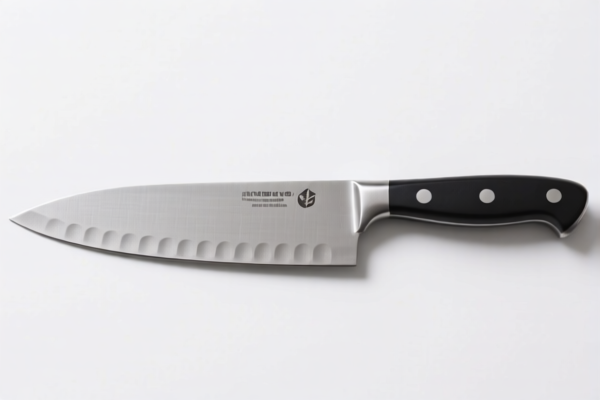
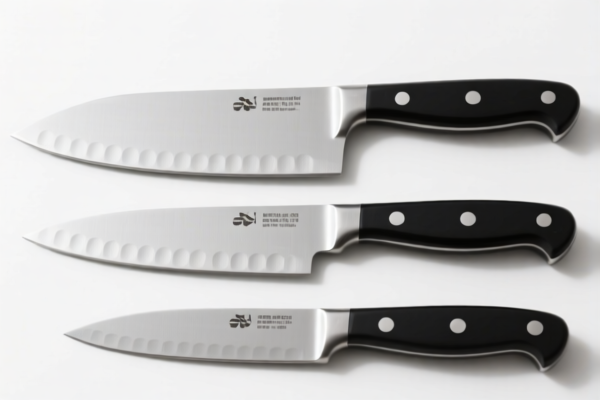
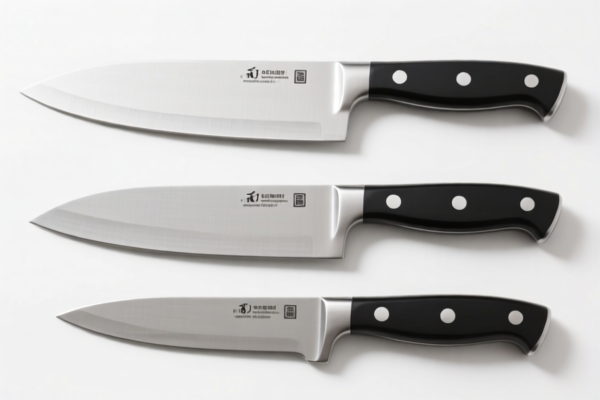
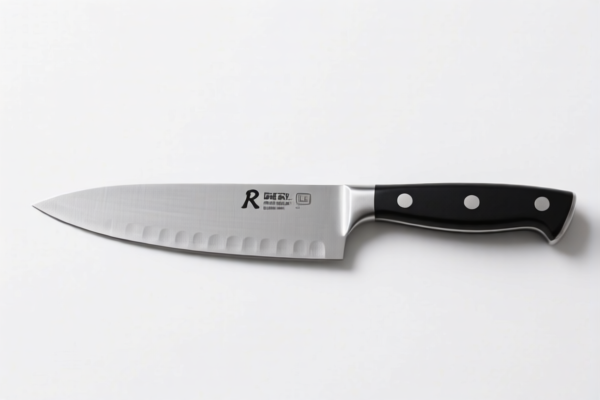
AI Analysis
🔪 Table Knives and Other Cutting Blades (餐桌刀及其他带刃切割刀)
🌐 HS Code Reference & Customs Clearance Guide | 2026 Latest Tariff Analysis | Professional Clearance Strategy
📌 I. Product Definition & Classification: Do You Really Understand "Cutlery"?
Table knives and cutting blades are essential kitchen and dining tools. In international trade, they are strictly classified based on their blade structure (fixed vs. detachable), specific use (dining vs. butchery), and material composition. The HS codes provided below reflect the current US import regulations for goods originating from China.
⚠️ Key Distinction Point:
- Fixed-Blade Table Knives (Fixed Edge): Blades are permanently attached to the handle. These generally fall under 8211.91.
- Detachable/Interchangeable Blades: Blades can be removed from the handle. These fall under 8211.92 or 8205.59.
- Kitchen/Butchery Knives: Knives specifically designed for slaughter or heavy kitchen prep, not just dining, may fall under 8205.51 or 8205.59.
📦 II. HS Code Classification Details (2026 Latest Tariff Authority Comparison)
| HS Code | Product Description | Specific Use/Feature | Blade Type |
|---|---|---|---|
8211.91.80.60 |
Table knives, fixed edge; other knives with cutting blades | Dining/Cutting; Fixed edge knives | ✅ Fixed |
8205.51.30.30 |
Table knives and other cutting blades | Dining utensils; Iron/Steel material | ✅ Varies* |
8211.92.90.30 |
Table knives and other cutting blades | Kitchen/Butchery specific uses | ✅ Detachable* |
8211.91.80.60 |
Table knives; other knives with cutting blades | Fixed-edge table knives; Cutting blade knives | ✅ Fixed |
8205.59.55.10 |
Hand tools with working parts made of base metal | General cutting tools; Metal (Iron/Steel) | ✅ Varies* |
🔍 Important Note:
- 8211.91 specifically targets fixed-edge knives (like classic steak knives where the blade is part of the handle).
- 8205.51 and 8205.59 cover a broader range of cutting tools, including table knives that might have interchangeable parts or are categorized under general hand tools if they don't fit the specific "fixed-edge" definition of 8211.
- 8211.92 is for detachable blades, often used in specific kitchen or slaughterhouse contexts.
💰 III. 2026 Latest Tariff Rate Breakdown (Including Additional Taxes & Policy Surcharges)
✅ Applicable Country: United States (US)
✅ Country of Origin: China (CN)
✅ Effective Date: From November 10, 2025 onwards (including subsequent imports)
🎯 1. 8211.91.80.60 – Fixed-Edge Table Knives & Similar Knives
| Item | Details |
|---|---|
| Base Tariff | 0.3¢ each + 4.9% (Specific + Ad Valorem) |
| Section 301 Surcharge | +7.5% |
| Section 122 Surcharge | +10% |
| Total Effective Rate | Approx. 22.4% + 0.3¢ per unit |
| Tax Calculation | (CIF Value × 22.4%) + (0.3¢ × Quantity) |
| De Minimis Exemption | ❌ Not Applicable (Denied for Section 301/122 goods) |
| Legal Basis Path | Section 301 → Section 122 → USITC:8211.91.80.60 |
📌 Explanation:
- The 4.9% is the standard base duty for fixed-edge knives.
- The 0.3¢ each is a specific duty charged per knife.
- Section 301 (7.5%) and Section 122 (10%) are additional punitive tariffs on Chinese goods.
- Total burden is high due to the combination of specific and ad valorem taxes plus surcharges.
🎯 2. 8205.51.30.30 – Table Knives & Other Cutting Blades (Dining Use)
| Item | Details |
|---|---|
| Base Tariff | 3.7% |
| Section 301 Surcharge | +25.0% |
| Section 122 Surcharge | +10.0% |
| Total Effective Rate | 38.7% |
| Tax Calculation | CIF Value × 38.7% |
| De Minimis Exemption | ❌ Not Applicable |
| Legal Basis Path | Section 301 → Section 122 → USITC:8205.51.30.30 |
📌 Explanation:
- This code applies to table knives that may not be strictly "fixed-edge" under 8211, or are classified as general dining utensils.
- The 38.7% total rate is significantly higher than fixed-edge knives because the Section 301 rate is 25% (not 7.5%).
- Critical: Misclassification here can lead to underpayment of duties.
🎯 3. 8211.92.90.30 – Table Knives & Cutting Blades (Kitchen/Butchery)
| Item | Details |
|---|---|
| Base Tariff | 0.4¢ each + 6.1% |
| Section 301 Surcharge | +7.5% |
| Section 122 Surcharge | +10.0% |
| Total Effective Rate | Approx. 23.6% + 0.4¢ per unit |
| Tax Calculation | (CIF Value × 23.6%) + (0.4¢ × Quantity) |
| De Minimis Exemption | ❌ Not Applicable |
| Legal Basis Path | Section 301 → Section 122 → USITC:8211.92.90.30 |
📌 Explanation:
- Applies to knives with detachable blades for kitchen or slaughter use.
- Similar structure to8211.91but with a higher base rate (6.1% vs 4.9%) and higher specific duty (0.4¢ vs 0.3¢).
- Section 301 rate is 7.5%, lower than the 25% for general hand tools.
🎯 4. 8205.59.55.10 – Other Hand Tools with Cutting Blades (Metal)
| Item | Details |
|---|---|
| Base Tariff | 5.3% |
| Section 301 Surcharge | +25.0% |
| Section 122 Surcharge | +10.0% |
| Total Effective Rate | 40.3% |
| Tax Calculation | CIF Value × 40.3% |
| De Minimis Exemption | ❌ Not Applicable |
| Legal Basis Path | Section 301 → Section 122 → USITC:8205.59.55.10 |
📌 Explanation:
- This is a "catch-all" for other cutting tools made of base metal (iron/steel) that don't fit specific subcategories.
- Highest Tariff: 40.3% total rate.
- Section 301 is 25%, making this the most expensive category for Chinese-cutting tools.
- Risk: High scrutiny from customs due to the "other" classification.
🛠️ IV. Customs Clearance Practical Advice (Real-World Pitfall Guide)
✅ 1. Required Documentation Checklist (Mandatory)
| Document | Must Provide | Explanation |
|---|---|---|
| ✅ Product Specification Sheet | ✔️ | Material (e.g., Stainless Steel 420/440), Blade Length, Handle Material |
| ✅ Clear Photos (Marked) | ✔️ | Show if blade is fixed or detachable; show entire knife |
| ✅ Commercial Invoice | ✔️ | Describe as "Table Knives, Fixed Edge" or "Cutting Blades" accurately |
| ✅ Packing List | ✔️ | Quantity per box, total weight |
| ✅ Originality Certificate | ✔️ | To prove Chinese origin (subject to surcharges) |
✅ 2. Declaration Tips (Key Mantra)
🔥 "Fixed Edge for 8211, Detachable for 8211.92, General for 8205. Get it wrong, pay 40%!"
| Scenario | Correct HS Code | Wrong Action | Consequence |
|---|---|---|---|
| Fixed-Edge Steak Knives | 8211.91.80.60 |
Declare as "Hand Tools" | Pay 40.3% instead of ~22.4% |
| Detachable Slaughter Knives | 8211.92.90.30 |
Declare as "Table Knives" | Potential misclassification penalty |
| General Kitchen Shears/Knives | 8205.59.55.10 |
Declare as "Table Knives" | Pay 40.3% instead of 7.5%-10% range |
| Table Knives (Dining) | 8205.51.30.30 |
Declare as "Fixed-Edge" | If not fixed, this is correct; if fixed, use 8211 |
✅ 3. Special Circumstances Handling
| Situation | Handling Advice |
|---|---|
| OEM Custom Knives | Provide customer drawings to prove specific design (fixed vs. detachable) |
| Mixed Shipments | Do NOT mix fixed-edge and detachable blades in one line item. Separate them to avoid audit flags. |
| Non-Chinese Origin | If sourced from Vietnam/Malaysia, apply for Section 301/122 Exemption (if eligible) to reduce tax to base rate only. |
| Sample Imports | Even samples are subject to duties if declared as commercial goods; ensure proper value declaration. |
🌍 V. Global Market Comparison (2026 Latest)
| Country/Region | Recommended HS Code | Base Tariff | Section 301/122 Equivalent | Remarks |
|---|---|---|---|---|
| 🇺🇸 USA | 8211.91.80.60 etc. |
4.9% - 5.3% | +17.5% - 35% | Highest Cost: High surcharges on Chinese goods |
| 🇨🇳 China | Same HS Codes | 0% - 10% | None | No punitive tariffs for domestic trade |
| 🇪🇺 EU | Similar Codes | 4.5% - 6% | None | No Section 301/122 equivalents |
| 🇬🇧 UK | Similar Codes | 4.5% - 6% | None | Post-Brexit standards apply |
📌 Conclusion:
- USA is the most expensive market for Chinese-made table knives due to Section 301 (7.5%-25%) and Section 122 (10%) tariffs.
- Cost Saving Strategy: Consider sourcing from Southeast Asia (Vietnam, Thailand) to avoid punitive tariffs, ensuring no re-export to China.
📌 VI. Common Mistakes & Pitfall Guide (Blood & Tears Lessons)
❌ Mistake 1: Declaring detachable blades as fixed-edge knives (8211.91)
👉 Result: If caught, customs may reassess to 8205.59 (40.3%) → Underpayment penalty + Back Taxes.
❌ Mistake 2: Ignoring the Specific Duty (0.3¢/0.4¢ each)
👉 Result: Calculating tax only on value → Short payment on high-volume shipments.
❌ Mistake 3: Using vague terms like "Kitchen Utensils"
👉 Result: Customs will classify under the highest applicable rate (8205.59.55.10 at 40.3%) → Unexpected Bill.
❌ Mistake 4: Assuming De Minimis applies
👉 Result: Section 301/122 goods are excluded from De Minimis. A $800 shipment will still be taxed at full rates.
✅ Correct Practice:
"Table Knives, Fixed Edge, Stainless Steel, Model X, Origin China, 42 pcs/CTN"
HS Code:8211.91.80.60
🎯 VII. Conclusion: Precision in Classification Saves Thousands!
🎯 Remember the Mantra:
🔹 "Fixed Edge = 8211.91 (22.4%)
🔹 Detachable Kitchen = 8211.92 (23.6%)
🔹 General Hand Tools = 8205.59 (40.3%)
🔹 Dining Specific = 8205.51 (38.7%)
🔹 Don't mix them, don't guess, or the tariff will crush you!"
📌 Pro Tip:
If your volume is high, consider applying for a Binding Ruling from US Customs and Border Protection (CBP) to confirm the correct HS Code and avoid future audits.
For non-Chinese origin goods, ensure proper documentation to claim exemptions from Section 301/122 tariffs.
📣 Take Action Now:
📞 Consult a Licensed Customs Broker
📄 Provide Product Photos & Specifications
🚀 Optimize your supply chain to survive the 2026 tariff landscape!
✨ Professional Clearance Starts with Accurate Classification!
💼 Every percent of duty counts—don't leave money on the table!
Customer Reviews
About HS Code Classification
The Harmonized System (HS) is an internationally standardized nomenclature developed by the World Customs Organization (WCO) to classify traded products. Over 200 countries use the HS system as the basis for customs tariffs, trade statistics, and import/export regulations.
Each HS code follows a hierarchical structure:
- Chapter (2 digits) — Broad category of goods (e.g., Chapter 84: Machinery and Mechanical Appliances)
- Heading (4 digits) — More specific grouping within the chapter
- Subheading (6 digits) — Internationally standardized breakdown, used by all WCO member countries
- National subdivisions (8-10 digits) — Country-specific extensions for further classification, such as US HTSUS 10-digit codes
Correct HS code classification is essential for smooth customs clearance, accurate duty payment, and compliance with trade regulations. Misclassification can lead to customs delays, overpayment of duties, or penalties.
When importing from CN to US, the applicable tariff rates may include:
- Most-Favored-Nation (MFN) rate — The standard duty rate applied to WTO members
- General rate — Applied to countries without trade agreements
- Trade remedy duties — Additional tariffs such as Section 301 (anti-dumping), Section 232 (national security), or countervailing duties
The information provided on this page is for reference purposes only. For official classification, please consult with your local customs authority or a licensed customs broker.