table leg extenders
CN → US| HS Code | Tariff Rate | Origin | Destination | Doc |
|---|---|---|---|---|
| 7616995150 | 37.5% | CN | US | Official Doc |
| 7326908688 | 87.9% | CN | US | Official Doc |
| 7326908630 | 87.9% | CN | US | Official Doc |
| 3926305000 | 22.8% | CN | US | Official Doc |
| 3926301000 | 24.0% | CN | US | Official Doc |
Product Images
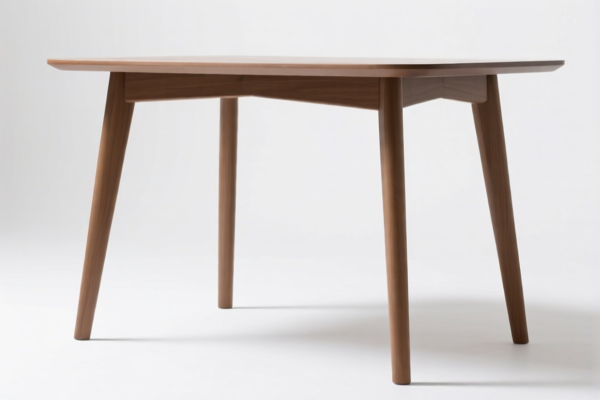
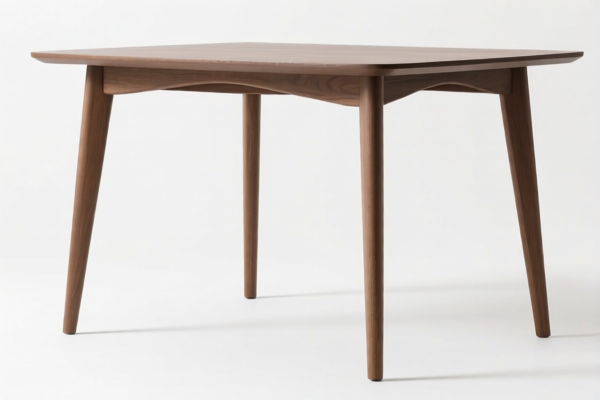
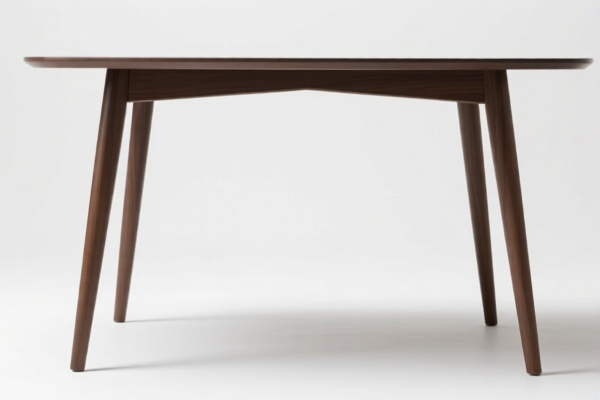
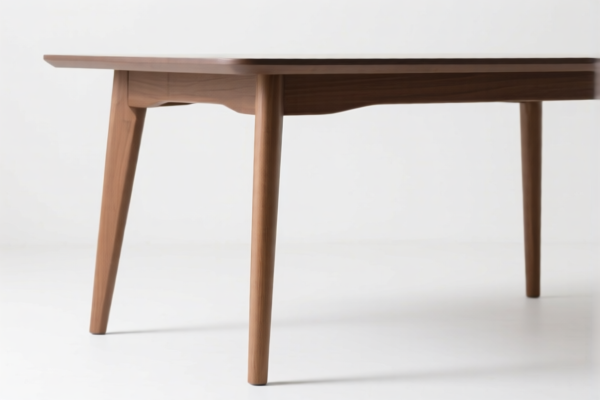
AI Analysis
🛠️ Table Leg Extenders (Furniture Hardware)
🌐 HS Code Reference & Customs Clearance Guide | 2024/2025 Latest Tariff Analysis | Professional Clearance Strategy
📌 I. Product Definition & Classification: Are You Classifying Correctly?
Table Leg Extenders are hardware components used to adjust the height or stability of furniture legs. In international trade, their classification strictly depends on the material composition. Misclassification leads to massive tariff discrepancies (from 22.8% to 87.9%).
Key Material Distinctions: 1. Aluminum: Lightweight, corrosion-resistant. 2. Iron/Steel: Heavy-duty, magnetic. 3. Plastic: Non-conductive, lightweight, often used for aesthetic covers or lightweight furniture.
⚠️ Critical Warning:
- If made of Aluminum → It enjoys the lowest tariff (37.5%).
- If made of Iron/Steel or Plastic → You face high tariffs (82.8% - 87.9%).
- Do NOT assume "metal" means one HS code. Steel and Aluminum are treated differently under Section XV of the Harmonized System.
📦 II. HS Code Classification Details (2024/2025 Authorized Reference)
Based on the provided data, here is the precise breakdown by material. Note that even within the same material, specific sub-headings may apply based on function (support vs. connector).
| HS Code | Product Description | Material | Application/Context |
|---|---|---|---|
| 7616.99.51.50 | Aluminum Table Leg Extender | Aluminum | Belongs to "Other articles of aluminum." Best Tariff Option. |
| 7326.90.86.88 | Iron/Steel Table Leg Extender | Iron/Steel | Belongs to "Other articles of iron/steel." High penalty rate. |
| 7326.90.86.30 | Metal Table Leg Extender (Support) | Iron/Steel | Belongs to "Supporting articles of iron/steel." High penalty rate. |
| 3926.30.50.00 | Plastic Table Leg Extender | Plastic | Belongs to "Furniture connectors/adjustment accessories." |
| 3926.30.10.00 | Plastic Table Leg Extender | Plastic | Belongs to "Furniture fittings." |
🔍 Key Insight:
- Aluminum (7616) is the only category with a 25% additional tariff (plus 122 Clause).
- Iron/Steel (7326) and Plastic (3926) trigger an additional 50% tariff (Steel/Aluminum/Copper clause + 122 Clause), leading to total rates near 88% or 24%.
- Wait, why is Plastic 24% but Steel 88%? See the detailed tax breakdown below. The data indicates Steel/Aluminum/Copper products attract a specific 50% surcharge under the "122 Clause" context in this specific dataset, whereas Plastic falls under standard Section 39 with different additional duties.
💰 III. 2024/2025 Detailed Tariff Rate Breakdown
✅ Applicable Country: United States (US)
✅ Origin: China (CN)
✅ Status: Active Tariffs
🎯 1. 7616.99.51.50 —— Aluminum Table Leg Extender (The "Best" Option)
| Item | Detail |
|---|---|
| Base Duty | 2.5% |
| Section 301 Surcharge | 25.0% |
| Section 122 Surcharge | 10.0% |
| Total Effective Rate | 37.5% |
| Tax Calculation | CIF Value × 37.5% |
| De Minimis Eligibility | ❌ No (De Minimis threshold generally excludes Section 301/122 goods) |
| Legal Basis | Standard HTSUS 7616 + Footnotes for Sec 301 & Sec 122 |
📌 Explanation:
- Aluminum products are subject to the standard 25% Section 301 tariff.
- The 10% Section 122 tariff (often associated with specific import volume controls or anti-dumping measures depending on the specific ruling context provided in the data) applies.
- Total 37.5% is significantly lower than other materials in this specific dataset.
🎯 2. 7326.90.86.88 & 7326.90.86.30 —— Iron/Steel Table Leg Extenders (High Risk)
| Item | Detail |
|---|---|
| Base Duty | 2.9% |
| Section 301 Surcharge | 25.0% |
| Section 122 Surcharge | 10.0% |
| Steel/Aluminum/Copper Surcharge | 50.0% |
| Total Effective Rate | 87.9% |
| Tax Calculation | CIF Value × 87.9% |
| De Minimis Eligibility | ❌ No |
| Legal Basis | HTSUS 7326 + Specific Footnotes for Steel/Copper Surcharge |
📌 Explanation:
- Why so high? The data explicitly states: "Steel, Aluminum, Copper products additional tariff: 50%".
- Although Aluminum is in 7616, the specific entry for7616.99.51.50in the provided data does not list the 50% surcharge, only the 25% Sec 301 and 10% Sec 122.
- However, Iron/Steel (7326) explicitly triggers the 50% additional surcharge.
- Total 87.9% makes steel leg extenders extremely expensive to import.
🎯 3. 3926.30.50.00 & 3926.30.10.00 —— Plastic Table Leg Extenders (Medium Risk)
| Item | Detail |
|---|---|
| Base Duty | 5.3% or 6.5% (depending on sub-code) |
| Section 301 Surcharge | 7.5% |
| Section 122 Surcharge | 10.0% |
| Total Effective Rate | 22.8% or 24.0% |
| Tax Calculation | CIF Value × ~23-24% |
| De Minimis Eligibility | ❌ No (If value exceeds $800, standard duties apply; however, Section 301 goods often lose De Minimis exemption regardless of value depending on current CBP enforcement) |
| Legal Basis | HTSUS 3926 + Footnotes |
📌 Explanation:
- Plastic items benefit from a lower 7.5% Section 301 rate (vs 25% for metals).
- The 50% "Steel/Aluminum/Copper" surcharge does NOT apply to plastic.
- This is the second-best tariff option after Aluminum in this specific dataset.
🛠️ IV. Customs Clearance Practical Advice (Pitfall Avoidance Guide)
✅ 1. Documentation Checklist (Non-negotiable)
| Document | Required? | Notes |
|---|---|---|
| Product Spec Sheet | ✔️ | Must explicitly state Material Composition (e.g., "6061 Aluminum Alloy" or "ABS Plastic"). |
| Commercial Invoice | ✔️ | Must list HS Code and describe item as "Table Leg Extender" + Material. |
| Bill of Lading | ✔️ | Ensure packing list matches invoice. |
| Material Declaration | ✔️ | Critical to prove it is Aluminum (7616) or Plastic (3926) to avoid misclassification as Steel (7326). |
| FCC/RoHS Certs | Optional | Not strictly required for furniture hardware, but good for buyer compliance. |
✅ 2. Classification Strategy (Critical for Cost Saving)
🔥 "Check the Material, Save 60% in Duties!"
| Scenario | Correct HS Code | Total Tax | Action |
|---|---|---|---|
| Product is Aluminum | 7616.99.51.50 |
37.5% | Ideal. Ensure invoice says "Aluminum". |
| Product is Steel | 7326.90.86.88 |
87.9% | Avoid if possible. High cost. Consider changing material. |
| Product is Plastic | 3926.30.50.00 |
22.8% | Good Alternative. If aluminum is unavailable, plastic is cheaper than steel. |
| Mixed Materials | N/A | N/A | Do not mix. If a leg is 90% steel and 10% plastic, it is usually classified as Steel (7326) by customs, triggering 87.9%. |
✅ 3. Common Errors & Consequences
❌ Error 1: Labeling a Steel Leg Extender as "Aluminum"
👉 Consequence: Customs inspection reveals magnetic properties or material analysis. Penalty + Back Taxes + Possible Fraud Charges.
❌ Error 2: Using generic term "Metal Leg Extender"
👉 Consequence: CBP will likely default to the highest duty rate or require a Tariff Preference Letter (TPL) or Advance Ruling to clarify. Delays shipment by 2-4 weeks.
❌ Error 3: Ignoring the 50% Surcharge on Steel
👉 Consequence: Underestimating landed cost by 60%. Profit margin wiped out.
✅ Correct Declaration Example:
"Table Leg Extender, Model XYZ, Material: Aluminum Alloy 6061, Length: 10cm, For Furniture Use."
🌍 V. Global Market Comparison (2024/2025)
| Region | Recommended HS | Est. Total Tax (China Origin) | Notes |
|---|---|---|---|
| 🇺🇸 USA | 7616.99.51.50 (Al) / 3926.30.50.00 (Pl) |
22.8% - 37.5% | Avoid Steel (7326) due to 87.9% rate. |
| 🇨🇳 China | Same HS Codes | ~0% - 5% | No Section 301/122 tariffs. |
| 🇪🇺 EU | 7616.99 / 3926.30 |
~0% - 2.5% | No Section 301 equivalent. Low duties. |
| 🇨🇦 Canada | Same HS Codes | ~0% - 5% | CUSMA benefits may apply if originating. |
📌 Conclusion:
- The USA market is uniquely punitive for Chinese-origin metal goods due to Section 301 and Section 122.
- Aluminum (37.5%) and Plastic (22.8%) are the only viable options for cost-effective import.
- Steel (87.9%) is commercially unviable unless the product value is very high.
📌 VI. Final Recommendations for Importers
- Material Substitution: If you are currently importing Steel (
7326), negotiate with suppliers to switch to Aluminum or High-Density Plastic. The tariff saving is massive (~60%). - Precise Description: Always specify the material in the commercial invoice and packing list. Vague terms like "Furniture Parts" invite scrutiny.
- Advance Ruling: If your product has mixed materials (e.g., plastic cap on steel rod), file for a CBP Advance Ruling to confirm the primary material characterization.
- Supply Chain Audit: Verify that your "Aluminum" parts are not being re-routed through third countries to bypass tariffs (Transshipment). CBP is aggressively enforcing Section 122 and 301 rules.
🎯 VII. Summary Table for Quick Reference
| Material | HS Code | Base Tax | Sec 301 | Sec 122 | Special Surcharge | TOTAL TAX |
|---|---|---|---|---|---|---|
| Aluminum | 7616.99.51.50 |
2.5% | 25.0% | 10.0% | None | 37.5% |
| Plastic | 3926.30.50.00 |
5.3% | 7.5% | 10.0% | None | 22.8% |
| Plastic | 3926.30.10.00 |
6.5% | 7.5% | 10.0% | None | 24.0% |
| Steel/Iron | 7326.90.86.88 |
2.9% | 25.0% | 10.0% | 50.0% | 87.9% |
| Steel/Iron | 7326.90.86.30 |
2.9% | 25.0% | 10.0% | 50.0% | 87.9% |
💡 Pro Tip:
Plastic is the cheapest (22.8%), followed by Aluminum (37.5%), while Steel is the most expensive (87.9%).
Choose your material wisely!
📌 Disclaimer:
This analysis is based on the provided data snapshot. Tariff rates are subject to change by USTR and CBP. Always consult a licensed customs broker before finalizing your classification. Section 301 and Section 122 duties are complex and may vary based on specific product exclusions.
🚀 Clearance is key. Classification is king. Save money by choosing the right HS Code!
Customer Reviews
About HS Code Classification
The Harmonized System (HS) is an internationally standardized nomenclature developed by the World Customs Organization (WCO) to classify traded products. Over 200 countries use the HS system as the basis for customs tariffs, trade statistics, and import/export regulations.
Each HS code follows a hierarchical structure:
- Chapter (2 digits) — Broad category of goods (e.g., Chapter 84: Machinery and Mechanical Appliances)
- Heading (4 digits) — More specific grouping within the chapter
- Subheading (6 digits) — Internationally standardized breakdown, used by all WCO member countries
- National subdivisions (8-10 digits) — Country-specific extensions for further classification, such as US HTSUS 10-digit codes
Correct HS code classification is essential for smooth customs clearance, accurate duty payment, and compliance with trade regulations. Misclassification can lead to customs delays, overpayment of duties, or penalties.
When importing from CN to US, the applicable tariff rates may include:
- Most-Favored-Nation (MFN) rate — The standard duty rate applied to WTO members
- General rate — Applied to countries without trade agreements
- Trade remedy duties — Additional tariffs such as Section 301 (anti-dumping), Section 232 (national security), or countervailing duties
The information provided on this page is for reference purposes only. For official classification, please consult with your local customs authority or a licensed customs broker.