table mat
CN → US| HS Code | Tariff Rate | Origin | Destination | Doc |
|---|---|---|---|---|
| 3924901050 | 13.3% | CN | US | Official Doc |
| 3924104000 | 13.4% | CN | US | Official Doc |
| 6307909891 | 24.5% | CN | US | Official Doc |
| 9404909670 | 17.3% | CN | US | Official Doc |
| 6307909885 | 24.5% | CN | US | Official Doc |
Product Images
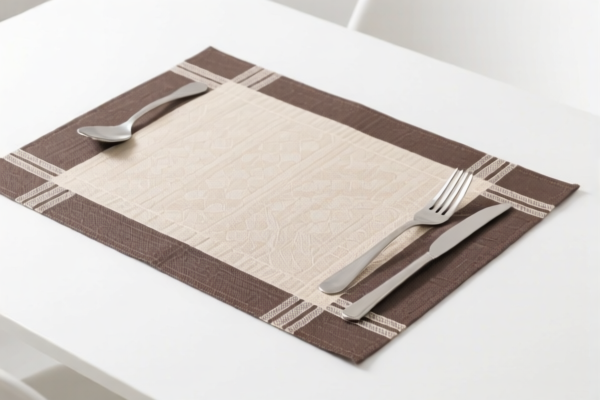
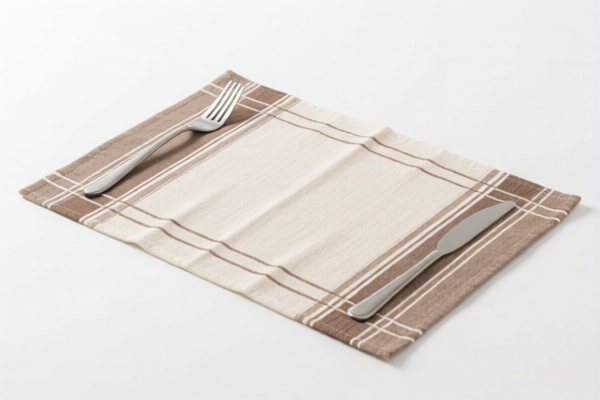
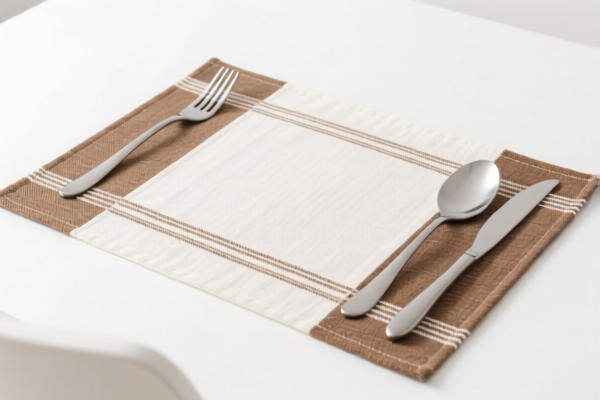
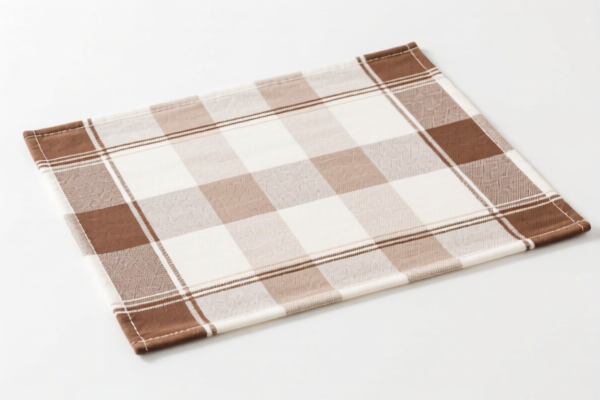
AI Analysis
🍽️ Table Mats (Silicone & Upholstered Chair Pads)
🌐 HS Code Reference & Customs Clearance Guide | 2026 Latest Tariff Analysis | Professional Strategy for Home Goods
📌 I. Product Definition & Classification: Are You Classifying "Table Mats" Correctly?
In international trade, the term "Table Mat" is ambiguous and can refer to two distinct product categories with vastly different tariff structures. The classification depends entirely on material composition, physical form, and intended use.
1. Silicone Table Mats (Plastic Articles)
Flat or shaped mats made of silicone (a type of plastic/rubber substitute), used to protect tables from heat or scratches. These are classified under Chapter 39 (Plastics).
2. Upholstered Chair/Seat Cushions (Textile/Furniture Articles)
Padded cushions used for dining chairs or seats, often referred to as "seat pads" or "chair mats" in loose translation. These are classified under Chapter 63 (Made-up Textile Articles) or Chapter 94 (Furniture Accessories), depending on structure.
⚠️ Critical Distinction:
- If it is a flat, non-padded, silicone/rubber sheet → Goes to 3924 or 6307/9404 (depending on interpretation).
- If it is a padded, upholstered cushion for a chair → Goes to 6307 or 9404.
- Do NOT confuse "Silicone Table Mat" with "Upholstered Chair Pad". They belong to different chapters!
📦 II. HS Code Classification Details (2026 Latest Tariff Authority Comparison)
Below are the four specific HS Codes derived from the data, categorized by product type.
| HS Code | Product Description | Material/Form | Application |
|--------|--------------------------|-------------------|
| 3924.90.10.50 | Silicone Table Mat | Silicone (Plastic family) | Flat mat, household use |
| 3924.10.40.00 | Silicone Table Mat | Treated as Plastic | Cutlery/Household use |
| 6307.90.98.91 | Chair Seat Pad | Finished Made-up Article | Upholstered seat/chair pad |
| 6307.90.98.85 | Chair Backrest Cushion | Cotton/Artificial Fiber | Furniture accessory (backrest) |
| 9404.90.96.70 | Chair Seat Pad | Other Material (Cushion) | Seat/Cushion form |
🔍 Key Insight:
- Silicone Mats fall under Chapter 39 (Plastics).
- Padded Cushions fall under Chapter 63 (Textiles) or Chapter 94 (Furniture).
- Tariff Risk: The difference between a "Silicone Mat" (13.3-13.4%) and a "Upholstered Cushion" (24.5%) is over 11%. Misclassification leads to massive cost discrepancies!
💰 III. 2026 Latest Tariff Rate Breakdown (Including Surtaxes & Policy Add-ons)
✅ Applicable Country: United States (US)
✅ Origin: China (CN)
✅ Effective Date: Post-2025 (Includes Section 122 & Additional Duties)
🎯 1. 3924.90.10.50 & 3924.10.40.00 —— Silicone Table Mats (Plastics)
| Item | Content |
|---|---|
| Base Duty | 3.3% (3924.90.10.50) / 3.4% (3924.10.40.00) |
| Section 301 Surcharge | 0.0% |
| Section 122 Surcharge | +10% (Specific policy surcharge) |
| Total Tariff Rate | 13.3% / 13.4% |
| Calculation Basis | CIF Value × 13.3% or 13.4% |
| De Minimis Eligibility | ❌ No (Subject to full duty assessment) |
📌 Explanation:
- Silicone table mats are classified as plastic household articles.
- The Total Tax is 13.3%–13.4%, comprising a low base duty (3.3-3.4%) plus a flat 10% Section 122 surcharge.
- Advantage: Relatively low tariff burden compared to textiles or furniture parts.
🎯 2. 6307.90.98.91 & 6307.90.98.85 —— Upholstered Chair Pads (Textiles/Furniture Accessories)
| Item | Content |
|---|---|
| Base Duty | 7.0% |
| Section 301 Surcharge | +7.5% |
| Section 122 Surcharge | +10% |
| Total Tariff Rate | 24.5% |
| Calculation Basis | CIF Value × 24.5% |
| De Minimis Eligibility | ❌ No |
📌 Explanation:
- These codes apply to finished textile products or furniture accessories (e.g., cotton/aramid fiber pads).
- High Cost Alert: Total tax is 24.5% due to the combination of base duty (7%), Section 301 (7.5%), and Section 122 (10%).
- Risk: If you ship a "silicone pad" but declare it as a "textile cushion," you face lower tax. If you ship a "textile cushion" but declare it as "silicone," you face double duties + penalties.
🎯 3. 9404.90.96.70 —— Chair Seat Cushions (Furniture Parts)
| Item | Content |
|---|---|
| Base Duty | 7.3% |
| Section 301 Surcharge | 0.0% |
| Section 122 Surcharge | +10% |
| Total Tariff Rate | 17.3% |
| Calculation Basis | CIF Value × 17.3% |
| De Minimis Eligibility | ❌ No |
📌 Explanation:
- This code applies to cushions/seats classified under furniture accessories.
- Medium Cost: Total tax is 17.3%.
- Differentiation: Lower than textile-based cushions (24.5%) because it avoids the Section 301 surcharge (0%) but still incurs Section 122 (10%).
🛠️ IV. Customs Clearance Practical Advice (Real-World Pitfall Avoidance)
✅ 1. Preparation Checklist (Essential Documents)
| Document | Required? | Purpose |
|---|---|---|
| Product Specifications | ✔️ | Must clearly state: Material (Silicone vs. Cotton), Form (Flat Mat vs. Padded Cushion), Usage. |
| Product Photos | ✔️ | Show cross-section. Is it padded? If yes, it’s likely 6307 or 9404. If flat, it’s 3924. |
| Commercial Invoice | ✔️ | Accurate description is critical. Do NOT use generic terms like "Mat." Use "Silicone Table Protector" or "Upholstered Chair Seat." |
| Material Certificate | ✔️ | Proof of silicone composition (for 3924) or fiber content (for 6307). |
| Packing List | ✔️ | Ensure weight and dimensions match the declared HS code category. |
✅ 2. Declaration Strategy (Key Rules)
🔥 “Material Determines Chapter, Form Determines Subheading!”
| Scenario | Correct HS Code | Wrong Declaration | Consequence |
|---|---|---|---|
| Flat Silicone Mat | 3924.90.10.50 |
Declared as "Textile Pad" | Tax Drop Fraud: Customs will reclassify, back-tax + penalty. |
| Padded Cotton Pad | 6307.90.98.91 |
Declared as "Silicone Mat" | Tax Evasion: 24.5% vs 13.3%. Severe penalty for under-declaration. |
| Furniture Cushion | 9404.90.96.70 |
Declared as "Plastic Part" | Misclassification: 17.3% vs 13.4%. Delayed clearance. |
✅ 3. Special Case Handling
| Case | Recommendation |
|---|---|
| Hybrid Product (e.g., Silicone base with fabric cover) | Debatable! May be classified as "Furniture Accessory" (9404) or "Textile Article" (6307). Recommendation: Apply for Pre-Ruling before shipment. |
| Sample vs. Bulk | Samples under $800 may qualify for De Minimis, but Section 122 often still applies. Check current threshold limits. |
| Origin Marking | Ensure "Made in China" is clearly marked on product/packaging to avoid origin fraud issues. |
🌍 V. Global Market Comparison (2026 Update)
| Market | Recommended HS Code | Estimated Duty | Key Certifications |
|---|---|---|---|
| 🇺🇸 USA | 3924.90.10.50 (Silicone) |
13.3% | FDA (for food contact) |
| 🇺🇸 USA | 6307.90.98.91 (Textile) |
24.5% | No specific cert, but strict labeling |
| 🇪🇺 EU | 3924.90 / 6307.90 |
0% - 6.5% | LFGB (Germany), Food Contact compliant |
| 🇨🇳 China | 3924.90 / 6307.90 |
3.3% - 7.0% | No surcharges |
📌 Conclusion:
- USA Market: High sensitivity to classification. Silicone mats (13.3%) are significantly cheaper than textile cushions (24.5%).
- EU Market: Lower base duties, but strict food safety and material composition labeling requirements.
📌 VI. Common Mistakes & Pitfalls (Lessons Learned)
❌ Mistake 1: Calling a "Padded Chair Pad" a "Table Mat" to claim lower duty.
👉 Result: Customs examines photos, sees padding, reclassifies to 6307 or 9404, charges 24.5%, and fines for misdeclaration.
❌ Mistake 2: Declaring a "Silicone Mat" as "Plastic Cutlery" (3924.10) without justification.
👉 Result: While both are ~13%, 3924.10 is for cutlery. If the product is clearly a "mat," use 3924.90 to avoid scrutiny.
❌ Mistake 3: Ignoring Section 122.
👉 Result: All these HS codes include a 10% Section 122 surcharge. Failing to budget for this will eat into profits by ~10% of the CIF value.
✅ Correct Practice:
“Silicone Table Mat, Flat, Non-Padded, Food-Grade Silicone, Model XYZ” →
3924.90.10.50(13.3%)
“Upholstered Dining Chair Cushion, Cotton Fill, Fabric Cover, Model ABC” →6307.90.98.91(24.5%)
🎯 VII. Conclusion: Precision Saves Money!
🎯 Remember the Golden Rule:
🔹 “Silicone Flat = 13.3%”
🔹 “Padded Textile = 24.5%”
🔹 “Padded Furniture Part = 17.3%”
🔹 “One Inch of Padding Changes Tax by 11%!”
📌 Pro Tip:
If your product is hybrid (e.g., silicone edge with fabric center), consult a customs broker BEFORE shipping. Misclassification can lead to seizure or back-taxes with interest.
📣 Take Action Now:
📞 Contact a Licensed Customs Broker
📄 Provide Product Images & Material Specs
🚀 Get an Advance Ruling to Lock in the 13.3% Rate for Silicone Mats!
✨ Professional Classification Starts with Accurate Description!
💼 Every Percentage Point of Duty is Your Bottom Line!
Customer Reviews
About HS Code Classification
The Harmonized System (HS) is an internationally standardized nomenclature developed by the World Customs Organization (WCO) to classify traded products. Over 200 countries use the HS system as the basis for customs tariffs, trade statistics, and import/export regulations.
Each HS code follows a hierarchical structure:
- Chapter (2 digits) — Broad category of goods (e.g., Chapter 84: Machinery and Mechanical Appliances)
- Heading (4 digits) — More specific grouping within the chapter
- Subheading (6 digits) — Internationally standardized breakdown, used by all WCO member countries
- National subdivisions (8-10 digits) — Country-specific extensions for further classification, such as US HTSUS 10-digit codes
Correct HS code classification is essential for smooth customs clearance, accurate duty payment, and compliance with trade regulations. Misclassification can lead to customs delays, overpayment of duties, or penalties.
When importing from CN to US, the applicable tariff rates may include:
- Most-Favored-Nation (MFN) rate — The standard duty rate applied to WTO members
- General rate — Applied to countries without trade agreements
- Trade remedy duties — Additional tariffs such as Section 301 (anti-dumping), Section 232 (national security), or countervailing duties
The information provided on this page is for reference purposes only. For official classification, please consult with your local customs authority or a licensed customs broker.