tabletop ornaments
CN → US| HS Code | Tariff Rate | Origin | Destination | Doc |
|---|---|---|---|---|
| 6913105000 | 17.5% | CN | US | Official Doc |
| 6913905000 | 23.5% | CN | US | Official Doc |
| 4420908000 | 38.2% | CN | US | Official Doc |
| 4420190000 | 13.2% | CN | US | Official Doc |
| 7018905000 | 41.6% | CN | US | Official Doc |
Product Images
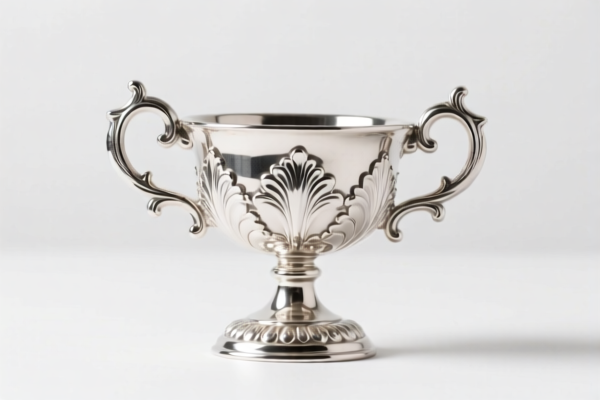
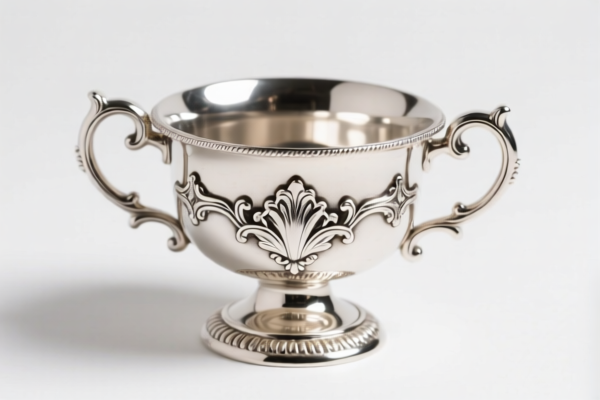
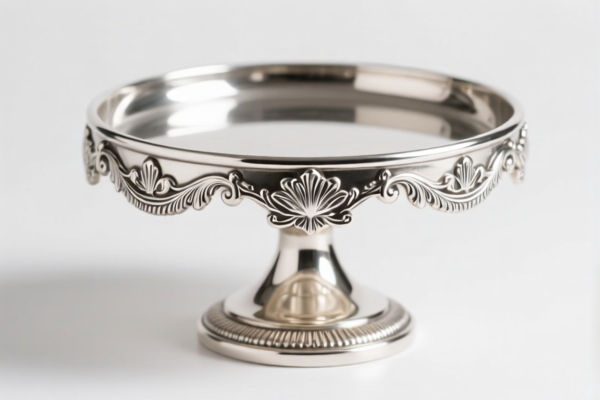
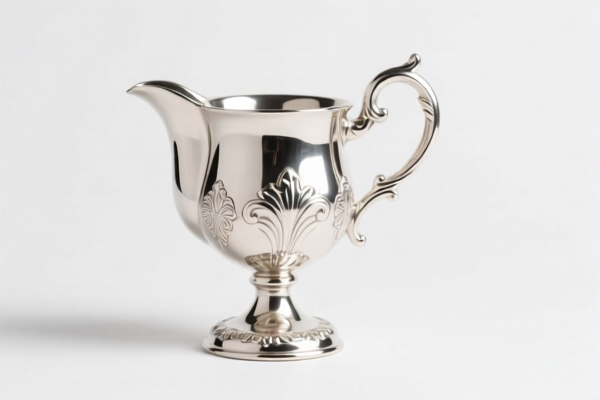
AI Analysis
🎨 Tabletop Ornaments (Decorative Ornaments)
🌐 HS Code Reference & Customs Clearance Guide | 2026 Latest Tariff Analysis | Professional Clearance Strategy
📌 1. Product Definition & Classification: What Exactly Are "Tabletop Ornaments"?
Tabletop ornaments are non-functional decorative items designed to enhance the aesthetic appeal of indoor or outdoor spaces. In international trade, their classification depends heavily on the material and specific form, as they fall under various Chapter headings in the Harmonized System (HS).
Key Classification Logic: * Ceramic/Glass/Wood: The primary determinant for HS Code selection is the base material. * Function: Purely decorative (non-functional) items. * Confidence Level: Since the input "tabletop ornaments" is generic, the classification relies on common-sense inference of typical materials (Ceramic, Wood, Glass).
⚠️ Critical Distinction:
- If the item is Ceramic: Classify under Chapter 69.
- If the item is Wood: Classify under Chapter 44.
- If the item is Glass: Classify under Chapter 70.
- Misclassification leads to significant duty discrepancies (e.g., 17.5% vs. 41.6%).
📦 2. HS Code Classification Details (Based on Common Materials)
| HS Code | Product Description | Material Basis | Total Tax Rate | Tax Detail Breakdown |
|---|---|---|---|---|
6913.10.50.00 |
Ceramic Statuettes & Ornamental Articles | Ceramic | 17.5% | Base: 0%, Section 301: 7.5%, 122 Clause: 10% |
6913.90.50.00 |
Other Ceramic Statuettes & Ornamental Articles | Ceramic | 23.5% | Base: 6.0%, Section 301: 7.5%, 122 Clause: 10% |
4420.90.80.00 |
Other Wood Articles & Ornamental Articles | Wood | 38.2% | Base: 3.2%, Section 301: 25.0%, 122 Clause: 10% |
4420.19.00.00 |
Other Wood Articles for Furniture or Decoration | Wood | 13.2% | Base: 3.2%, Section 301: 0.0%, 122 Clause: 10% |
7018.90.50.00 |
Glass Statuettes & Ornamental Articles | Glass | 41.6% | Base: 6.6%, Section 301: 25.0%, 122 Clause: 10% |
🔍 Key Insight:
- Ceramic items have the lowest tax burden (17.5%–23.5%) if classified under6913.10.50.00.
- Wood items vary wildly:4420.19.00.00is low (13.2%), but4420.90.80.00is high (38.2%) due to the 25% Section 301 tariff.
- Glass items are the most expensive (41.6%) due to high base and Section 301 tariffs.
- 122 Clause (10%) applies to all listed HS Codes, indicating a specific anti-dumping or safeguard measure on Chinese-origin goods.
💰 3. Detailed Tariff Rate Explanation (2026 Latest)
✅ Applicable Country: United States (US)
✅ Origin: China (CN)
✅ Effective Time: Current rates apply (including 2025–2026 adjustments)
🎯 1. Ceramic Ornaments (6913.10.50.00 & 6913.90.50.00)
| Item | Content |
|---|---|
| Base Tariff | 0% (6913.10) or 6.0% (6913.90) |
| Section 301 Tariff | +7.5% |
| 122 Clause Tariff | +10% |
| Total Tax Rate | 17.5% (6913.10) / 23.5% (6913.90) |
| Tax Calculation | CIF Value × Total Rate |
| De Minimis Exemption | ❌ Not Applicable (Section 301 duties apply) |
📌 Explanation:
-6913.10.50.00is the most favorable ceramic code, with 0% base tariff, making the total only 17.5%.
-6913.90.50.00includes a 6% base tariff, pushing the total to 23.5%.
- 122 Clause adds a flat 10% on top, regardless of the Section 301 rate.
🎯 2. Wooden Ornaments (4420.90.80.00 & 4420.19.00.00)
| Item | Content |
|---|---|
| Base Tariff | 3.2% (both codes) |
| Section 301 Tariff | 25.0% (4420.90) / 0.0% (4420.19) |
| 122 Clause Tariff | +10% |
| Total Tax Rate | 38.2% (4420.90) / 13.2% (4420.19) |
| Tax Calculation | CIF Value × Total Rate |
| De Minimis Exemption | ❌ Not Applicable (for 4420.90) |
📌 Explanation:
- Crucial Distinction:4420.19.00.00has 0% Section 301, resulting in a low 13.2% total.
-4420.90.80.00is subject to the full 25% Section 301, resulting in a high 38.2% total.
- Strategy: If the ornament can be classified under4420.19, the tax savings are massive (25% less).
🎯 3. Glass Ornaments (7018.90.50.00)
| Item | Content |
|---|---|
| Base Tariff | 6.6% |
| Section 301 Tariff | +25.0% |
| 122 Clause Tariff | +10% |
| Total Tax Rate | 41.6% |
| Tax Calculation | CIF Value × 41.6% |
| De Minimis Exemption | ❌ Not Applicable |
📌 Explanation:
- Glass ornaments face the highest total tax rate at 41.6%.
- This includes a high base tariff (6.6%) + high Section 301 (25%) + 122 Clause (10%).
- Recommendation: Avoid glass if cost is a major concern, or ensure precise classification to avoid misclassification penalties.
🛠️ 4. Customs Clearance Practical Advice
✅ 1. Documentation Checklist (Must-Haves)
| Document | Required? | Description |
|---|---|---|
| ✅ Product Description | ✔️ | Clearly state material (e.g., "Ceramic Tabletop Ornament," "Wooden Decor"). |
| ✅ Material Composition | ✔️ | Specify 100% ceramic, 100% wood, or mixed materials. |
| ✅ Photos | ✔️ | Clear images of the item, including any base material labels. |
| ✅ Commercial Invoice | ✔️ | List HS Code and correct product name. |
| ✅ Packing List | ✔️ | Weight and dimensions per package. |
| ✅ Country of Origin | ✔️ | Proof of Chinese origin (if applicable). |
✅ 2. Classification Strategy (Key Tips)
| Scenario | Recommended HS Code | Why? |
|---|---|---|
| Ceramic Statue | 6913.10.50.00 |
Lowest tax (17.5%) among ceramics. |
| Wooden Ornament (General) | 4420.19.00.00 |
Lowest tax (13.2%) if it fits this specific category. |
| Wooden Ornament (Other) | 4420.90.80.00 |
Use only if 4420.19 doesn't apply. High tax (38.2%). |
| Glass Figurine | 7018.90.50.00 |
Only option for glass, but highest tax (41.6%). |
🔥 "Material First, Code Second" Rule:
Always identify the material first. Misdeclaring a wooden ornament as ceramic to avoid 25% Section 301 can lead to penalties and audits.
✅ 3. Special Considerations
| Situation | Advice |
|---|---|
| Mixed Materials | If the ornament has both wood and ceramic parts, classify based on the essential character or the primary material. |
| Pre-packaged Sets | If sold as a set (e.g., "Holiday Ornament Set"), the entire set may be classified under the HS Code of the item that gives the set its essential character. |
| 122 Clause Applicability | All listed HS Codes are subject to the 122 Clause (10%). Ensure your supplier is aware of this additional cost. |
| De Minimis (Section 321) | ❌ Not Available for Section 301 goods. Even small shipments from China are subject to duties. |
🌍 5. Global Market Comparison (2026)
| Country/Region | Recommended HS Code | Tariff (China Origin) | Notes |
|---|---|---|---|
| 🇺🇸 USA | Varies by Material | 17.5%–41.6% | Includes 122 Clause + Section 301. |
| 🇨🇳 China | Varies | ~3.2%–6.6% | Lower base rates, no Section 301/122. |
| 🇪🇺 EU | Varies | ~0%–6.5% | No Section 301, but VAT applies. |
| 🇬🇧 UK | Varies | ~0%–5.5% | Post-Brexit tariffs may differ. |
📌 Conclusion:
- The USA is the most expensive market for tabletop ornaments due to Section 301 and 122 Clause tariffs.
- Ceramic (6913.10.50.00) is the most tax-efficient material option in the US.
- Wood (4420.19.00.00) can be very tax-efficient if correctly classified.
📌 6. Common Mistakes & Pitfalls (Learn from Others)
❌ Mistake 1: Declaring a Glass ornament as Ceramic to save tax.
👉 Consequence: Customs audit, fines, and potential seizure. Glass and ceramic have distinct HS codes and physical properties.
❌ Mistake 2: Using 4420.90.80.00 for a wooden ornament that fits 4420.19.00.00.
👉 Consequence: Paying 38.2% instead of 13.2%. Always check if the specific description fits the lower-tax subheading.
❌ Mistake 3: Ignoring the 122 Clause (10%).
👉 Consequence: Unexpected costs at customs. All listed HS Codes are subject to this 10% surcharge.
❌ Mistake 4: Assuming De Minimis applies.
👉 Consequence: Seizure of small packages. Section 301 goods are not eligible for $800 de minimis exemption.
✅ Correct Approach:
"Ceramic Tabletop Ornament, 6 inches, Hand-painted, Model XYZ" → 6913.10.50.00 (17.5%)
🎯 7. Conclusion: Smart Classification Saves Money
🎯 Remember:
🔹 "Material Matters: Ceramic wins, Wood varies, Glass is pricey."
🔹 "122 Clause is 10%: Plan for it in your cost structure."
🔹 "Check 4420.19 vs 4420.90: 25% Tax Difference!"
📌 Pro Tip:
If you are importing wooden ornaments, consult a customs broker to determine if your product qualifies for 4420.19.00.00 (13.2%) instead of 4420.90.80.00 (38.2%). This single decision can save you 25% in duties.
📣 Immediate Action:
📞 Contact a Customs Broker + Provide Material Details + Apply for Pre-Ruling
🚀 Ensure Accurate Classification to Avoid Surprises at the Border!
✨ Professional Clearance, Starting with Precise Classification!
💼 Every Percent Counts in International Trade!
Customer Reviews
About HS Code Classification
The Harmonized System (HS) is an internationally standardized nomenclature developed by the World Customs Organization (WCO) to classify traded products. Over 200 countries use the HS system as the basis for customs tariffs, trade statistics, and import/export regulations.
Each HS code follows a hierarchical structure:
- Chapter (2 digits) — Broad category of goods (e.g., Chapter 84: Machinery and Mechanical Appliances)
- Heading (4 digits) — More specific grouping within the chapter
- Subheading (6 digits) — Internationally standardized breakdown, used by all WCO member countries
- National subdivisions (8-10 digits) — Country-specific extensions for further classification, such as US HTSUS 10-digit codes
Correct HS code classification is essential for smooth customs clearance, accurate duty payment, and compliance with trade regulations. Misclassification can lead to customs delays, overpayment of duties, or penalties.
When importing from CN to US, the applicable tariff rates may include:
- Most-Favored-Nation (MFN) rate — The standard duty rate applied to WTO members
- General rate — Applied to countries without trade agreements
- Trade remedy duties — Additional tariffs such as Section 301 (anti-dumping), Section 232 (national security), or countervailing duties
The information provided on this page is for reference purposes only. For official classification, please consult with your local customs authority or a licensed customs broker.