tableware storage box
CN → US| HS Code | Tariff Rate | Origin | Destination | Doc |
|---|---|---|---|---|
| 4202929315 | 52.6% | CN | US | Official Doc |
| 3926901000 | 20.9% | CN | US | Official Doc |
| 3926909989 | 22.8% | CN | US | Official Doc |
| 4202926010 | 41.3% | CN | US | Official Doc |
| 4420908000 | 38.2% | CN | US | Official Doc |
Product Images
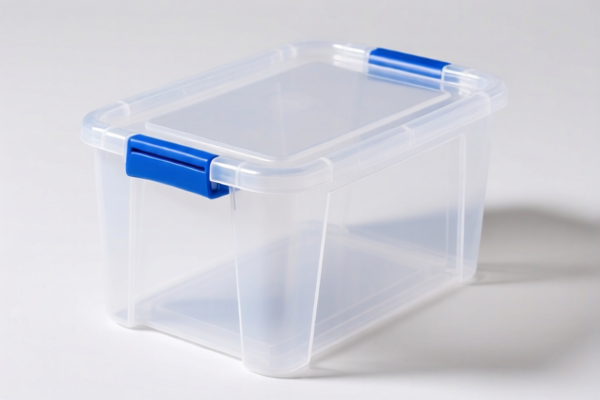
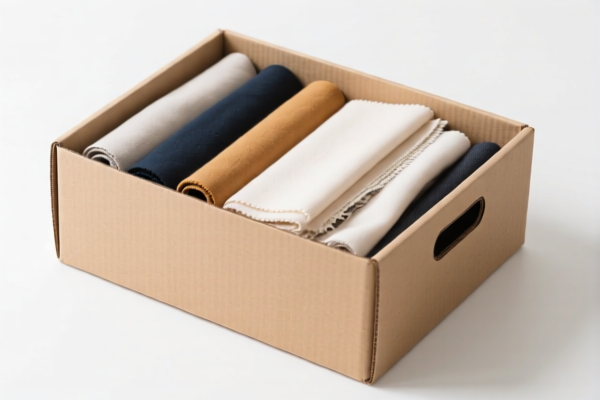
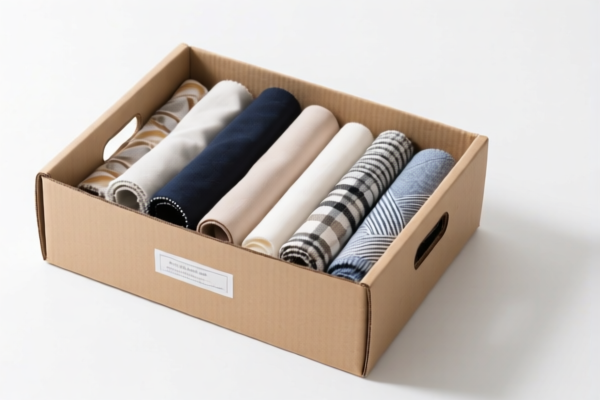
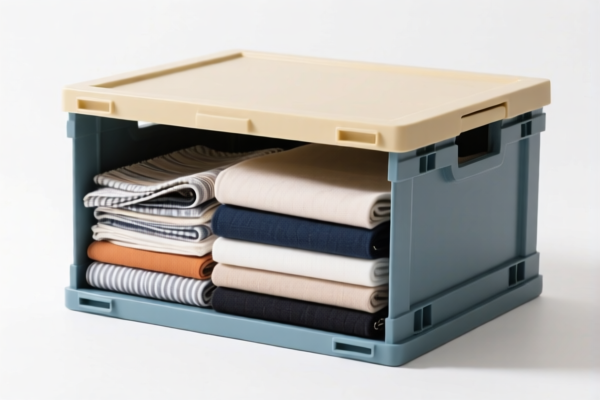
AI Analysis
📦 Tableware Storage Box (收纳盒)
🌐 HS Code Reference & Customs Clearance Guide | 2026 Latest Tariff Analysis | Professional Clearance Strategy
📌 I. Product Definition & Classification: Do You Really Know "Tableware Storage Box"?
A Tableware Storage Box is a container primarily used for organizing, storing, or transporting tableware (such as chopsticks, spoons, forks, and dishes). In international trade, its classification depends heavily on the material of the outer surface and its primary function. It generally falls into two main categories:
- Plastic Containers: Made primarily of plastic, often used for household organization.
- Textile/Non-Woven Bags or Cases: Made of fabric, non-woven material, or leather-like materials, often used as carrying cases for cutlery sets or kitchen organizers.
⚠️ Key Distinction Point:
- If the container is made of plastic and resembles a box or bin → It belongs to Chapter 39 (Plastics).
- If the container is made of textile, non-woven, or leather-like material → It belongs to Chapter 42 (Articles of Leather; Saddle Harness).
- If it is specifically a jewelry box or similar small container with textile/plastic mix → It may fall under 4202.92.
- If it is wooden, it falls under Chapter 44 (Wood).
📦 II. HS Code Classification Details (2026 Latest Tariff Authority Comparison)
| HS Code | Product Description | Application Scenario | Material/Feature |
|---|---|---|---|
4202.92.93.15 |
Storage box, classified under containers, outer surface likely involves textile materials | Kitchen cutlery organizers, fabric-lined storage bins, non-woven tableware holders | ✅ Textile/Non-woven outer layer |
3926.90.10.00 |
Storage box, plastic material, classified as other manufactured articles of plastic | Plastic drawer organizers, rigid plastic tableware bins, kitchen storage containers | ✅ Plastic |
3926.90.99.89 |
Storage box, typically plastic, fits the characteristics of other plastic articles | General-purpose plastic storage, non-specific plastic containers | ✅ Plastic (General) |
4202.92.60.10 |
Storage box, classified as jewelry boxes or similar containers, material may be plastic or textile | Luxury cutlery boxes, combined material storage cases (plastic base + fabric exterior) | ✅ Mixed/Textile-like |
4420.90.80.00 |
Storage box, inferred to be wooden material, conforms to wooden container form | Wooden tableware drawers, wooden cutlery trays, wooden kitchen organizers | ✅ Wood |
🔍 Key Reminder:
- Plastic boxes (3926.90) are generally simpler and have lower base tariffs but still face significant US additional tariffs.
- Textile-based boxes (4202.92) are often perceived as "fashion accessories" or "lifestyle goods" by customs, leading to higher base tariffs.
- Wooden boxes (4420.90) are treated as wood制品, with specific phytosanitary and material requirements.
💰 III. 2026 Latest Tariff Rate Breakdown (Including Additional Tariffs, Policy Surcharges)
✅ Applicable Country: USA (US)
✅ Origin: China (CN)
✅ Effective Date: From Nov 10, 2025 (and subsequent imports)
🎯 1. 4202.92.93.15 —— Storage Box (Textile/Materials)
| Item | Content |
|---|---|
| Base Tariff Rate | 17.6% |
| Section 301 Additional Tariff | +25.0% |
| IEEPA Section 122 Tariff | +10.0% |
| Total Tariff Rate | 52.6% |
| Tax Calculation | CIF Value × 52.6% |
| De Minimis Eligibility | ❌ Not Eligible (deny_de_minimis) |
| Legal Basis Path | IEEPA:9903.01.25 → USITC:4202.92.93.15 → FOOTNOTE:301 |
📌 Explanation:
- This code is classified under Chapter 42 (Articles of Leather/Textiles), which has a higher base tariff (17.6%).
- The 25% Section 301 tariff applies to all Chinese-origin goods in this category unless exempted.
- The 10% IEEPA Section 122 tariff is a specific surcharge on certain textile/plastic consumer goods from China.
- Total: 52.6% – Very High. Requires careful cost analysis.
🎯 2. 3926.90.10.00 —— Plastic Storage Box (Specific)
| Item | Content |
|---|---|
| Base Tariff Rate | 3.4% |
| Section 301 Additional Tariff | +7.5% |
| IEEPA Section 122 Tariff | +10.0% |
| Total Tariff Rate | 20.9% |
| Tax Calculation | CIF Value × 20.9% |
| De Minimis Eligibility | ❌ Not Eligible |
| Legal Basis Path | IEEPA:9901.25 → USITC:3926.90.10.00 → FOOTNOTE:301 |
📌 Note:
- Lower base tariff (3.4%) compared to textile counterparts.
- Section 301 tariff is only 7.5% (not 25%) for specific plastic containers.
- Total: 20.9% – More cost-effective for plastic items.
- Ideal for rigid plastic organizers, drawer inserts, and kitchen bins.
🎯 3. 3926.90.99.89 —— Plastic Storage Box (General)
| Item | Content |
|---|---|
| Base Tariff Rate | 5.3% |
| Section 301 Additional Tariff | +7.5% |
| IEEPA Section 122 Tariff | +10.0% |
| Total Tariff Rate | 22.8% |
| Tax Calculation | CIF Value × 22.8% |
| De Minimis Eligibility | ❌ Not Eligible |
| Legal Basis Path | IEEPA:9901.25 → USITC:3926.90.99.89 → FOOTNOTE:301 |
📌 Note:
- Similar to3926.90.10.00, but classified under "Other" plastic articles.
- Total: 22.8% – Slightly higher than3926.90.10.00due to a higher base rate (5.3% vs 3.4%).
- Use this for general plastic storage items that don't fit specific sub-headings.
🎯 4. 4202.92.60.10 —— Jewelry Box/Similar Container (Mixed Material)
| Item | Content |
|---|---|
| Base Tariff Rate | 6.3% |
| Section 301 Additional Tariff | +25.0% |
| IEEPA Section 122 Tariff | +10.0% |
| Total Tariff Rate | 41.3% |
| Tax Calculation | CIF Value × 41.3% |
| De Minimis Eligibility | ❌ Not Eligible |
| Legal Basis Path | IEEPA:9903.01.25 → USITC:4202.92.60.10 → FOOTNOTE:301 |
📌 Note:
- Classified as "Jewelry Box or Similar Container".
- Section 301 tariff is 25% (high), despite a lower base rate (6.3%).
- Total: 41.3% – High.
- Only use if the product is explicitly marketed as a jewelry box or similar luxury container. For tableware, this is likely incorrect classification.
🎯 5. 4420.90.80.00 —— Wooden Storage Box
| Item | Content |
|---|---|
| Base Tariff Rate | 3.2% |
| Section 301 Additional Tariff | +25.0% |
| IEEPA Section 122 Tariff | +10.0% |
| Total Tariff Rate | 38.2% |
| Tax Calculation | CIF Value × 38.2% |
| De Minimis Eligibility | ❌ Not Eligible |
| Legal Basis Path | IEEPA:9903.01.25 → USITC:4420.90.80.00 → FOOTNOTE:301 |
📌 Note:
- Low base tariff (3.2%), but 25% Section 301 applies.
- Total: 38.2% – Moderate to High.
- Wooden items may also face phytosanitary inspections and fumigation requirements, adding hidden costs.
🛠️ IV. Customs Clearance Practical Advice (Battle-Tested Pitfall Avoidance Guide)
✅ 1. Document Checklist (No Exceptions)
| Document | Mandatory | Description |
|---|---|---|
| ✅ Product Specification Sheet | ✔️ | Include material composition (e.g., "90% PP Plastic, 10% Textile Liner") |
| ✅ Product Photos (Clear) | ✔️ | Show exterior, interior, and any logos/branding |
| ✅ Commercial Invoice | ✔️ | Clearly state "Tableware Storage Box" and material |
| ✅ Packing List | ✔️ | Itemize contents; avoid vague terms like "Miscellaneous" |
| ✅ Material Declaration | ✔️ | Specify if plastic is PVC, PP, ABS, etc. |
| ✅ Origin Certificate (CO) | ✔️ | If applicable for preferential rates (non-China origin) |
✅ 2. Declaration Tips (Key Mnemonic)
🔥 "Material First, Function Second, Be Specific, Avoid Ambiguity!"
| Scenario | Correct Declaration | Wrong Practice |
|---|---|---|
| Plastic Tableware Organizer | 3926.90.10.00 - "Plastic Tableware Storage Box" |
Vague: "Storage Box" → Risk of reclassification |
| Fabric/Cutlery Bag | 4202.92.93.15 - "Textile Tableware Organizer" |
Misclassified as plastic → Tax discrepancy |
| Wooden Drawer Insert | 4420.90.80.00 - "Wooden Tableware Tray" |
Not declared as wood → Phytosanitary issues |
| Jewelry-Style Cutlery Case | 4202.92.60.10 - "Jewelry Box" |
Misleading description → Customs flagging |
✅ 3. Special Circumstances Handling
| Scenario | Recommendation |
|---|---|
| Mixed Material (e.g., Plastic Box with Fabric Cover) | Declare based on primary material or outer surface. If textile covers >50% by weight, consider 4202.92.93.15. |
| OEM Custom Boxes | Provide design files and material breakdown. Avoid generic names like "Container". |
| Sample Shipments | Even samples are subject to full tariffs (52.6% or 20.9%). Do not assume de minimis applies. |
| Wooden Items | Ensure fumigation certificate is included to avoid port delays. |
🌍 V. Global Market Comparison (2026 Latest)
| Country/Region | Recommended HS Code | Tariff (China Origin) | Certification Requirements | Remarks |
|---|---|---|---|---|
| 🇺🇸 USA | 3926.90.10.00 (Plastic) |
20.9% | None specific | 4202.92.93.15 = 52.6% |
| 🇨🇳 China | 3926.90.10.00 |
3.4% | None | Low import tariff |
| 🇪🇺 EU | 3926.90.99 |
~5-6% | CE (if contact with food) | No Section 301 tariffs |
| 🇬🇧 UK | 3926.90.99 |
~5-6% | UKCA | Post-Brexit rules apply |
| 🇯🇵 Japan | 3926.90.99 |
~5-8% | Food Safety Certification | Strict food-contact material rules |
📌 Conclusion:
- USA is the most expensive market due to Section 301 and IEEPA tariffs.
- Plastic (3926.90) is significantly cheaper than Textile (4202.92) in the US.
- For EU/Japan/UK, focus on food safety certifications (LFGB, FDA, etc.) rather than tariff savings.
📌 VI. Common Errors & Pitfall Guide (Lessons Learned)
❌ Error 1: Declaring a Textile Storage Box as Plastic
👉 Consequence: Customs reclassifies, imposes 52.6% instead of 20.9%, plus penalties.
❌ Error 2: Using vague description "Storage Box"
👉 Consequence: Customs officer chooses highest applicable rate (41.3% or 52.6%).
❌ Error 3: Ignoring Wood Fumigation
👉 Consequence: Shipment held at port for fumigation treatment ($500-$2000 fee) or returned.
❌ Error 4: Misclassifying as Jewelry Box for Tableware
👉 Consequence: Audit risk, potential fraud allegations, 41.3% tariff.
✅ Correct Practice:
"Plastic Tableware Storage Organizer, PP Material, BPA-Free, 10x8x5 inches, Model XYZ, Made in China"
🎯 VII. Conclusion: Professional Declaration, Cost Savings, Efficient Clearance!
🎯 Remember the Mantra:
🔹 "Plastic is Cheaper than Textile in the US!"
🔹 "Be Specific: 'Plastic' vs 'Textile' = 30% Tariff Difference!"
🔹 "Wood Needs Fumigation, Textile Needs High Tariff, Plastic is Sweet Spot!"
📌 Pro Tip:
If your Tableware Storage Box is manufactured in Vietnam, Mexico, or Thailand, you may qualify for IEEPA Exemptions or FTZ Benefits, reducing tariffs to 0%~5%.
Recommend Advance Ruling from CBP for complex multi-material boxes.
📣 Immediate Action:
📞 Contact a Professional Customs Broker + Provide Material Breakdown + Apply for HS Code Advance Ruling
🚀 Ensure Your Tableware Storage Boxes Clear Customs Smoothly, Reduce Costs, and Maximize Profit!
✨ Professional Clearance Starts with Accurate Classification!
💼 Every Cent of Cost Deserves Precise Calculation!
Customer Reviews
About HS Code Classification
The Harmonized System (HS) is an internationally standardized nomenclature developed by the World Customs Organization (WCO) to classify traded products. Over 200 countries use the HS system as the basis for customs tariffs, trade statistics, and import/export regulations.
Each HS code follows a hierarchical structure:
- Chapter (2 digits) — Broad category of goods (e.g., Chapter 84: Machinery and Mechanical Appliances)
- Heading (4 digits) — More specific grouping within the chapter
- Subheading (6 digits) — Internationally standardized breakdown, used by all WCO member countries
- National subdivisions (8-10 digits) — Country-specific extensions for further classification, such as US HTSUS 10-digit codes
Correct HS code classification is essential for smooth customs clearance, accurate duty payment, and compliance with trade regulations. Misclassification can lead to customs delays, overpayment of duties, or penalties.
When importing from CN to US, the applicable tariff rates may include:
- Most-Favored-Nation (MFN) rate — The standard duty rate applied to WTO members
- General rate — Applied to countries without trade agreements
- Trade remedy duties — Additional tariffs such as Section 301 (anti-dumping), Section 232 (national security), or countervailing duties
The information provided on this page is for reference purposes only. For official classification, please consult with your local customs authority or a licensed customs broker.