tableware storage rack
CN → US| HS Code | Tariff Rate | Origin | Destination | Doc |
|---|---|---|---|---|
| 3924104000 | 13.4% | CN | US | Official Doc |
| 7323999030 | 88.4% | CN | US | Official Doc |
| 3924103000 | 22.8% | CN | US | Official Doc |
| 7323999080 | 88.4% | CN | US | Official Doc |
| 9403200082 | 85.0% | CN | US | Official Doc |
Product Images
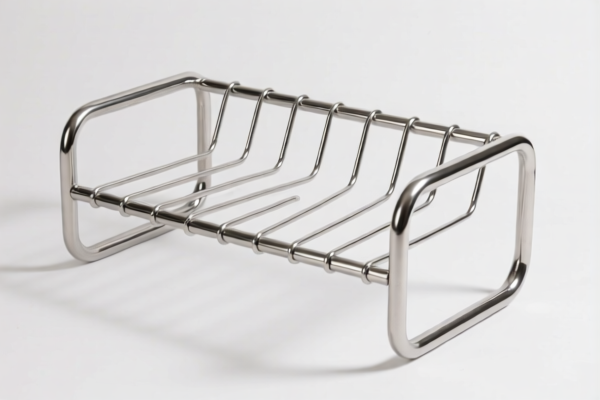
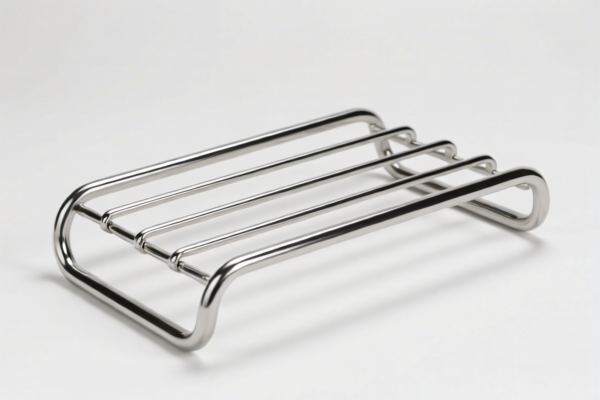
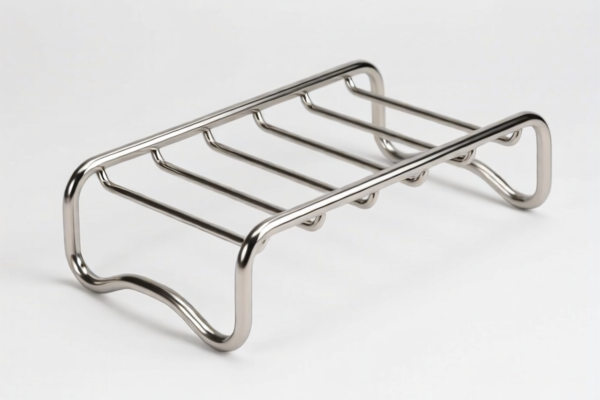
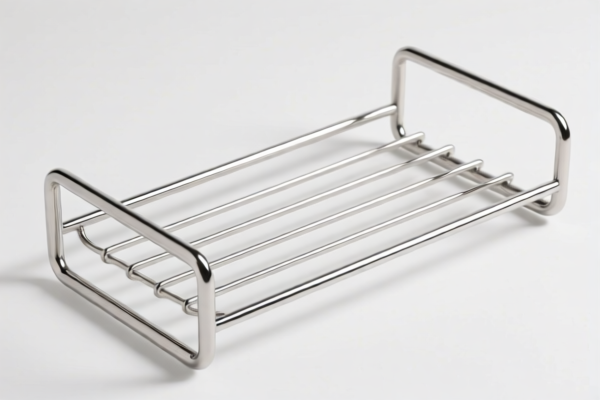
AI Analysis
🍽️ Tableware Storage Rack (Dish Rack / Utensil Holder)
🌐 HS Code Reference & Customs Clearance Guide | 2026 Latest Tariff Analysis | Professional Compliance Strategy
📌 I. Product Definition & Classification: Understanding "Storage Racks"
A "Tableware Storage Rack" is a general term for devices used to hold plates, bowls, cups, or utensils, typically placed in kitchens or bathrooms. In international trade, the classification depends strictly on the material and specific use. Misclassification can lead to massive tariff discrepancies (from 13.4% to 88.4%).
Based on the provided data, these products are primarily split into two material categories: 1. Plastic Storage Racks: Typically used for home or kitchen storage. 2. Metal (Steel/Aluminum/Copper) Storage Racks: Can be classified as household items, kitchenware, or furniture depending on design and context.
⚠️ Key Distinction Point:
- Material is King: Plastic vs. Metal determines the base HS Code chapter (39 vs. 73/94).
- Metal Nuance: Metal racks are split between "Household Items" (7323), "Kitchen Utensils" (7323), and "Furniture" (9403). The tax rate varies drastically here!
📦 II. HS Code Classification Details (Based on Provided Data)
| HS Code | Product Description | Material | Usage Context | Total Tax Rate | Key Tax Components |
|---|---|---|---|---|---|
3924.10.40.00 |
Plastic Storage Dish Rack | Plastic | Household Items | 13.4% | Base: 3.4% + Sec 301: 10% |
7323.99.90.30 |
Iron/Steel Storage Dish Rack | Iron/Steel | Household Items | 88.4% | Base: 3.4% + Sec 301: 25% + Sec 122: 10% + Metal Surcharge: 50% |
3924.10.30.00 |
Plastic Storage Dish Rack | Plastic | Kitchen Utensils | 22.8% | Base: 5.3% + Sec 301: 7.5% + Sec 122: 10% |
7323.99.90.80 |
Iron/Steel Storage Dish Rack | Iron/Steel | Other Kitchen/Cookware | 88.4% | Base: 3.4% + Sec 301: 25% + Sec 122: 10% + Metal Surcharge: 50% |
9403.20.00.82 |
Metal Storage Rack (Other) | Metal | Other Metal Furniture | 85.0% | Base: 0.0% + Sec 301: 25% + Sec 122: 10% + Metal Surcharge: 50% |
🔍 Critical Insight:
- Plastic racks are significantly cheaper to import (13.4% - 22.8%).
- Metal racks face severe penalties due to the 50% surcharge on steel, aluminum, and copper products, pushing taxes to 85%-88.4%.
- Misclassifying a steel rack as "Furniture" (9403) saves only ~3.4% compared to "Household" (7323), but both are extremely high compared to plastic.
💰 III. 2026 Tariff Rate Breakdown (Detailed Analysis)
✅ Applicable Country: United States (US)
✅ Origin: China (CN)
✅ Effective Date: Current Trade Restrictions Apply
🎯 1. 3924.10.40.00 & 3924.10.30.00 – Plastic Storage Racks
The most cost-effective option for importers.
| Component | 3924.10.40.00 (Household) |
3924.10.30.00 (Kitchen) |
|---|---|---|
| Base Duty | 3.4% | 5.3% |
| Section 301 Duty | 10.0% | 7.5% |
| Section 122 Duty | 0.0% (Not listed in detail, implied low) | 10.0% |
| Total Tax Rate | 13.4% | 22.8% |
| Surcharge (Steel/Al/Cu) | ❌ N/A | ❌ N/A |
| Legal Path | HTSUS:3924.10.40.00 |
HTSUS:3924.10.30.00 |
📌 Explanation:
- Plastic items do not incur the heavy "Steel/Aluminum/Copper Surcharge."
-3924.10.40.00is the lowest tariff option for plastic racks.
- If your plastic rack is strictly for "Kitchen Utensils" (e.g., a drying rack integrated with cutlery holder), it may fall under3924.10.30.00with a slightly higher base duty.
🎯 2. 7323.99.90.30 & 7323.99.90.80 – Iron/Steel Storage Racks
The most expensive category due to multiple layers of penalties.
| Component | 7323.99.90.30 (Household) |
7323.99.90.80 (Other Kitchen) |
|---|---|---|
| Base Duty | 3.4% | 3.4% |
| Section 301 Duty | 25.0% | 25.0% |
| Section 122 Duty | 10.0% | 10.0% |
| Metal Surcharge (Steel/Cu/Al) | 50.0% | 50.0% |
| Total Tax Rate | 88.4% | 88.4% |
| Legal Path | HTSUS:7323.99.90.30 |
HTSUS:7323.99.90.80 |
📌 Explanation:
- The 50% Metal Surcharge is the killer. It applies to Steel, Aluminum, and Copper products.
- Even though the base duty is low (3.4%), adding 25% (301) + 10% (122) + 50% (Metal) results in 88.4%.
- There is no distinction in total rate between "Household" and "Other Kitchen" for steel racks in this dataset.
🎯 3. 9403.20.00.82 – Metal Rack Classified as Furniture
A slight variation for structural metal racks.
| Component | 9403.20.00.82 (Metal Furniture) |
|---|---|
| Base Duty | 0.0% |
| Section 301 Duty | 25.0% |
| Section 122 Duty | 10.0% |
| Metal Surcharge (Steel/Cu/Al) | 50.0% |
| Total Tax Rate | 85.0% |
| Legal Path | HTSUS:9403.20.00.82 |
📌 Explanation:
- The base duty is 0%, which saves 3.4% compared to7323.
- However, the 50% Metal Surcharge still applies, keeping the total at 85.0%.
- This is only marginally cheaper than steel household racks. Do not rely on this for significant savings.
🛠️ IV. Customs Clearance Practical Advice
✅ 1. Material Declaration is Critical
| Scenario | Correct HS Code | Risk of Misclassification |
|---|---|---|
| Plastic Rack | 3924.10.40.00 |
HIGH: If declared as metal, tax jumps from 13.4% to 88.4%. |
| Plastic Rack (Kitchen) | 3924.10.30.00 |
MEDIUM: Check if it's primarily for kitchen utensils. |
| Steel Rack | 7323.99.90.30 |
HIGH: Must declare material as "Iron/Steel" to trigger correct surcharge. |
| Metal Rack (Furniture Type) | 9403.20.00.82 |
LOW: Only if it meets the definition of "Metal Furniture" (e.g., standing rack with shelves). |
🔥 "Material Dictates Tax, Surcharge Kills Profit!"
✅ 2. Documentation Requirements
| Document | Required? | Notes |
|---|---|---|
| Product Photo | ✅ Yes | Must clearly show material (plastic vs. metal). |
| Material Certificate | ✅ Yes | For metal items, proof of composition may be requested. |
| Commercial Invoice | ✅ Yes | Describe item as "Plastic/Iron Storage Rack," not just "Household Item." |
| Packing List | ✅ Yes | Weight and dimensions help verify classification. |
✅ 3. Special Scenarios
| Scenario | Advice |
|---|---|
| Mixed Materials (Plastic handle + Metal rack) | Generally classified by the primary material or component giving essential character. If metal dominates, expect 85%+ tax. |
| Aluminum Racks | Subject to the 50% Metal Surcharge. Treat as steel for tariff purposes. |
| Copper Racks | Subject to the 50% Metal Surcharge. High tax rate. |
🌍 V. Global Market Comparison (2026)
| Country | Recommended HS Code | Est. Tax Rate (China Origin) | Notes |
|---|---|---|---|
| 🇺🇸 USA | 3924.10.40.00 (Plastic) |
13.4% | Lowest cost. |
| 🇺🇸 USA | 7323.99.90.30 (Steel) |
88.4% | Avoid if possible. |
| 🇪🇺 EU | 7323.99 (Steel) |
~15-20% | No Section 301/122 surcharges. Much better than US. |
| 🇨🇳 China | 7323.99 (Steel) |
~10-15% | No US surcharges. |
📌 Conclusion:
- USA is the most expensive market for metal tableware racks due to layered tariffs.
- Plastic racks are the only viable option for high-margin imports into the US under current policies.
- Consider supply chain diversification (e.g., Vietnam, Mexico) for metal racks to avoid US surcharges.
📌 VI. Common Mistakes & Pitfalls
❌ Mistake 1: Classifying a Steel Rack as 9403 to avoid 7323
👉 Result: Still pays 50% metal surcharge. Savings are minimal (3.4%).
❌ Mistake 2: Claiming a Plastic Rack is "Kitchen Utensil" to get 3924.10.30.00
👉 Result: Higher base duty (5.3% vs 3.4%). No benefit.
❌ Mistake 3: Ignoring the 50% Metal Surcharge
👉 Result: Budgeting 10% tax but facing 88%. Cash flow crisis!
❌ Mistake 4: Misidentifying Aluminum as "Non-Surchargeable"
👉 Result: Aluminum is explicitly listed in the 50% surcharge.
✅ Correct Action:
"Plastic Tableware Storage Rack, Model XYZ, 100% Polymer, for Home Use" →
3924.10.40.00(13.4%)
"Iron Plate Drying Rack, Model ABC, Stainless Steel, Commercial Grade" →7323.99.90.80(88.4%)
🎯 VII. Conclusion: Strategic Sourcing & Classification
🎯 Key Takeaway:
🔹 Plastic is Profitable: 13.4% tax rate makes
3924.10.40.00the best choice for US imports.
🔹 Metal is Penalty-Heavy: 85-88% tax due to the 50% metal surcharge. Avoid unless value-add is extremely high.
🔹 Classify by Material: Do not try to game the system with "Furniture" codes; the surcharge applies broadly.
📌 Pro Tip:
If you are importing metal racks, consider shifting production to countries not subject to US Section 301/122 surcharges (e.g., Vietnam, Thailand) or explore duty-free quotas if applicable.
📣 Immediate Action:
📞 Consult Customs Broker: Verify material composition before shipment.
📦 Label Clearly: "Plastic" or "Iron/Steel" on invoice and package.
🚀 Optimize Cost: Switch to plastic designs if margin is sensitive to US tariffs.
✨ Professional Customs Clearance Starts with Accurate Classification!
💼 Your Profit Margin Depends on the HS Code!
Customer Reviews
About HS Code Classification
The Harmonized System (HS) is an internationally standardized nomenclature developed by the World Customs Organization (WCO) to classify traded products. Over 200 countries use the HS system as the basis for customs tariffs, trade statistics, and import/export regulations.
Each HS code follows a hierarchical structure:
- Chapter (2 digits) — Broad category of goods (e.g., Chapter 84: Machinery and Mechanical Appliances)
- Heading (4 digits) — More specific grouping within the chapter
- Subheading (6 digits) — Internationally standardized breakdown, used by all WCO member countries
- National subdivisions (8-10 digits) — Country-specific extensions for further classification, such as US HTSUS 10-digit codes
Correct HS code classification is essential for smooth customs clearance, accurate duty payment, and compliance with trade regulations. Misclassification can lead to customs delays, overpayment of duties, or penalties.
When importing from CN to US, the applicable tariff rates may include:
- Most-Favored-Nation (MFN) rate — The standard duty rate applied to WTO members
- General rate — Applied to countries without trade agreements
- Trade remedy duties — Additional tariffs such as Section 301 (anti-dumping), Section 232 (national security), or countervailing duties
The information provided on this page is for reference purposes only. For official classification, please consult with your local customs authority or a licensed customs broker.