tack
CN → US| HS Code | Tariff Rate | Origin | Destination | Doc |
|---|---|---|---|---|
| 8306210000 | 22.0% | CN | US | Official Doc |
| 3926400090 | 15.3% | CN | US | Official Doc |
| 7318290000 | 87.8% | CN | US | Official Doc |
| 7318190000 | 90.7% | CN | US | Official Doc |
| 8306290000 | 10.0% | CN | US | Official Doc |
Product Images
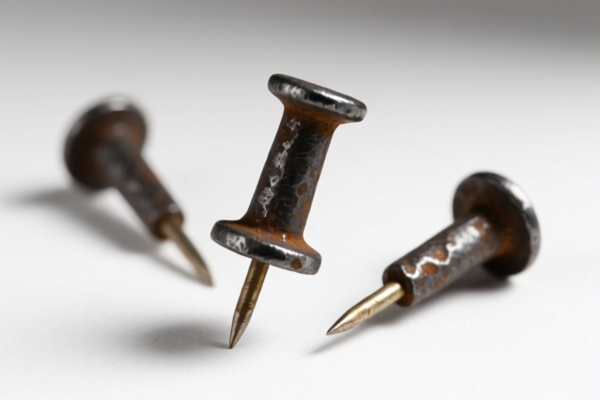
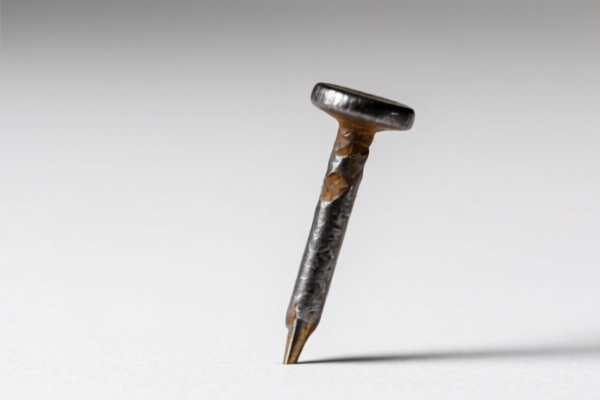
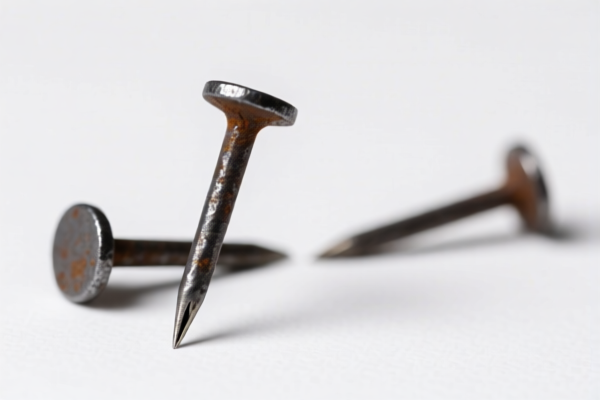
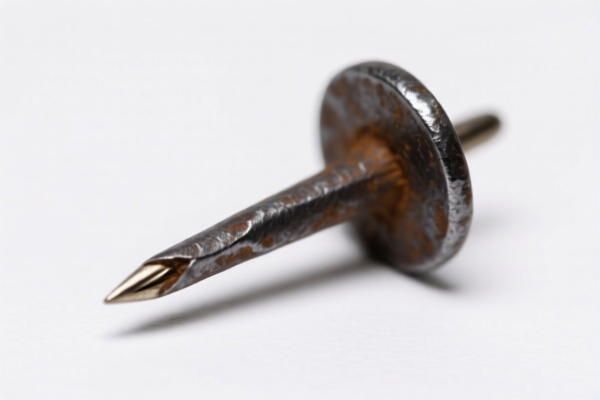
AI Analysis
📌 Push Pins (Decorative Thumbtacks)
🌐 HS Code Reference & Customs Clearance Guide | 2026 Latest Tariff Analysis | Professional Compliance Strategy
📌 I. Product Definition & Classification: What Exactly Are "Push Pins"?
Push pins (often referred to as decorative thumbtacks in trade contexts) are small fasteners used primarily for attaching lightweight materials (such as paper, cork, or fabric) to boards, walls, or display surfaces. In international trade, they are classified based on their material composition and functional design.
The classification hinges on two main factors: 1. Material: Are they made of base metals (like iron, steel, aluminum, copper) or plastics? 2. Function/Design: Are they considered "ornaments/decorations" or "fasteners/clasps"?
⚠️ Key Distinction Points:
- If the pin is primarily plastic and used for decoration or general display → Chapter 39.
- If the pin is metal and shaped like a tack/stud for fastening → Chapter 73 (Articles of Iron/Steel).
- If the pin is a base metal ornament (e.g., decorative heads) → Chapter 83 (Ornaments, Statuettes).
- If the pin is a simple metal fastener (screw/rivet type) → Chapter 73 (Nuts, Bolts, Rivets).
📦 II. HS Code Classification Details (2026 Latest Tariff Authority Comparison)
| HS Code | Product Description | Applicable Scenario | Material/Feature |
|---|---|---|---|
3926.40.00.90 |
Other articles of plastics, not specified elsewhere (Decorative Push Pins) | Plastic push pins, colorful decorative tacks | ✅ Plastic |
7318.29.00.00 |
Other screws, bolts, nuts, and similar articles of iron or steel (Metal Non-threaded Fasteners) | Metal push pins with non-threaded shafts (e.g., steel/aluminum/copper tacks) | ✅ Metal (Steel/Al/Cu) |
7318.19.00.00 |
Other screws, bolts, nuts, and similar articles of iron or steel (Metal Threaded Fasteners/Rivets) | Metal push pins classified as rivets or similar threaded/shaft fasteners | ✅ Metal (Steel/Al/Cu) |
8306.21.00.00 |
Ornaments and ornaments of base metal: Statuettes and other ornaments (Base Metal Decorative Tacks) | Decorative push pins where the head is a distinct "ornament" (e.g., shaped heads) | ✅ Base Metal |
8306.29.00.00 |
Ornaments and ornaments of base metal: Other statuettes and other ornaments | Other base metal decorative items, including generic metal tacks not classified as fasteners | ✅ Base Metal |
🔍 Critical Reminder:
- Plastic pins are significantly cheaper in tariffs (15.3%) compared to Metal pins. - Metal pins face heavy penalties due to "Section 301" and "Section 232" tariffs if made of Steel, Aluminum, or Copper (up to 90.7%). - The distinction between7318(Fasteners) and8306(Ornaments) is critical. If the pin’s primary purpose is decoration rather than mechanical fastening, it may fall under8306. However, standard office push pins are often deemed fasteners.
💰 III. 2026 Latest Tariff Rate Details (Including Surcharges & Policy Add-ons)
✅ Applicable Country: United States (US)
✅ Origin: China (CN)
✅ Effective Date: From November 10, 2025 (including subsequent imports)
🎯 1. 3926.40.00.90 —— Plastic Decorative Push Pins
| Item | Content |
|---|---|
| Base Tariff | 5.3% (ad valorem) |
| USITC Surcharge (301) | 0.0% (Plastics generally exempt from 25% steel/aluminum tariffs) |
| IEEPA Surcharge | +10% (Targeting China/HK products, effective from Nov 10, 2025) |
| Total Tariff | 15.3% |
| Tax Calculation | CIF Value × 15.3% |
| De Minimis Eligibility | ❌ Not Eligible (Most plastic goods from China >$800 are subject to scrutiny, but this is a standard tariff entry) |
| Legal Basis Path | IEEPA:9903.01.24 → USITC:3926.40.00.90 |
📌 Explanation:
- This is the most cost-effective classification for push pins. - The "10%" is the standard IEEPA tariff on many Chinese goods. - No 25% Section 301 steel/aluminum tariff applies because the primary material is plastic.
🎯 2. 8306.21.00.00 —— Base Metal Ornamental Push Pins
| Item | Content |
|---|---|
| Base Tariff | 4.5% |
| USITC Surcharge (301) | +7.5% (Specific rate for certain base metal ornaments) |
| IEEPA Surcharge | +10% |
| Total Tariff | 22.0% |
| Tax Calculation | CIF Value × 22.0% |
| De Minimis Eligibility | ❌ Not Eligible |
| Legal Basis Path | IEEPA:9903.01.24 → USITC:8306.21.00.00 |
📌 Explanation:
- This applies if the pin is deemed an "ornament" rather than a functional fastener. - Lower than metal fasteners, but higher than plastic.
🎯 3. 8306.29.00.00 —— Other Base Metal Ornaments
| Item | Content |
|---|---|
| Base Tariff | 0.0% |
| USITC Surcharge (301) | 0.0% |
| IEEPA Surcharge | +10% |
| Total Tariff | 10.0% |
| Tax Calculation | CIF Value × 10.0% |
| De Minimis Eligibility | ❌ Not Eligible |
| Legal Basis Path | IEEPA:9903.01.24 → USITC:8306.29.00.00 |
📌 Explanation:
- This is the lowest tariff for metal items, IF they can be successfully classified as "other ornaments" rather than fasteners or steel products. - Risky classification if customs views them as functional tacks.
🎯 4. 7318.29.00.00 —— Metal Non-Threaded Fasteners (Steel/Al/Cu)
| Item | Content |
|---|---|
| Base Tariff | 2.8% |
| USITC Surcharge (301) | +25.0% |
| Section 232 Surcharge | +50.0% (For Steel, Aluminum, Copper) |
| IEEPA Surcharge | +10% |
| Total Tariff | 87.8% |
| Tax Calculation | CIF Value × 87.8% |
| De Minimis Eligibility | ❌ Not Eligible |
| Legal Basis Path | IEEPA:9903.01.24 → USITC:7318.29.00.00 + FOOTNOTE:232 |
📌 Explanation:
- This is a catastrophic tariff rate. - Applies if the push pins are made of steel, aluminum, or copper and classified as "fasteners." - The 50% Section 232 tariff is the killer here.
🎯 5. 7318.19.00.00 —— Metal Threaded Fasteners/Rivets (Steel/Al/Cu)
| Item | Content |
|---|---|
| Base Tariff | 5.7% |
| USITC Surcharge (301) | +25.0% |
| Section 232 Surcharge | +50.0% (For Steel, Aluminum, Copper) |
| IEEPA Surcharge | +10% |
| Total Tariff | 90.7% |
| Tax Calculation | CIF Value × 90.7% |
| De Minimis Eligibility | ❌ Not Eligible |
| Legal Basis Path | IEEPA:9903.01.24 → USITC:7318.19.00.00 + FOOTNOTE:232 |
📌 Explanation:
- The highest possible tariff. - Avoid this classification at all costs. Push pins are rarely classified here unless they have specific threaded features.
🛠️ IV. Customs Clearance Operational Advice (Practical Pitfall Guide)
✅ 1. Document Checklist (No Exceptions)
| Document | Required | Explanation |
|---|---|---|
| ✅ Product Specification Sheet | ✔️ | Must specify material (Plastic vs. Metal), dimensions, and head shape. |
| ✅ Product Photos | ✔️ | Clear images of the pin, showing material texture and any decorative elements. |
| ✅ Commercial Invoice | ✔️ | Must clearly state "Decorative Push Pins" or "Plastic/Plastic-Metal Tacks". Avoid vague terms like "Office Supplies." |
| ✅ Packing List | ✔️ | List quantities by material type if mixed (e.g., 1000 Plastic, 500 Metal). |
| ✅ Certificate of Origin (CO) | ✔️ | To prove China origin (triggering IEEPA). |
✅ 2. Declaration Strategy (Key Mantra)
🔥 "Plastic is King, Metal is Ring, Fastener is Sting!"
| Scenario | Correct Declaration | Risk Level |
|---|---|---|
| All Plastic Pins | 3926.40.00.90 |
✅ Low (15.3%) - Recommended |
| Mixed Plastic & Metal Heads | 3926.40.00.90 (if plastic volume >50% or decisive) |
✅ Low-Med |
| All Metal Pins (Steel/Al/Cu) | 8306.29.00.00 (Attempt Ornament Classification) |
⚠️ Medium (10%) - Risky |
| All Metal Pins (Fasteners) | 7318.29.00.00 / 7318.19.00.00 |
❌ Critical (87.8%+) - AVOID |
Critical Tip:
- If your push pins have decorative heads (e.g., animal shapes, stars) and metal shafts, try to argue they are "Ornaments" (8306) rather than "Fasteners" (7318). This can drop the tariff from ~90% to 10%. - However, if they are plain, functional office tacks, customs will likely classify them as fasteners.
✅ 3. Special Cases
| Situation | Handling Advice |
|---|---|
| Metal Pins with Plastic Coated Heads | Classify as Plastic (3926) if the plastic component is substantial and defines the product. |
| Pure Metal Pins (Stainless Steel) | Still subject to 232 tariffs if considered "Iron/Steel." Try 8306.29.00.00 for 10% if decorative. |
| Bulk Wholesale | Ensure HS Codes are consistent across all packages. Mixed shipments require detailed packing lists. |
| De Minimis ($800) | Most push pin shipments are small, but if value >$800, tariffs apply. If <$800, still subject to IEEPA if not de minimis exempt (check current CBP rules). |
🌍 V. Global Market Comparison (2026 Latest)
| Country/Region | Recommended HS Code | Tariff Rate | Certification Requirements | Notes |
|---|---|---|---|---|
| 🇺🇸 USA | 3926.40.00.90 |
15.3% | None | Best for Plastic. Avoid Metal (87%+). |
| 🇨🇳 China | 3926.40.00.90 |
5.3% | None | Low export tax, no surcharges. |
| 🇪🇺 EU | 3926.40.00.90 |
0-6% | REACH, RoHS | No Section 301/232 equivalent. |
| 🇬🇧 UK | 3926.40.00.90 |
0-6% | UKCA, REACH | Post-Brexit rules apply. |
| 🇯🇵 Japan | 3926.40.00.90 |
0-5% | PSE (if electrical, not applicable here) | Low tariffs. |
📌 Conclusion:
- USA is the most hostile market for metal push pins due to Section 232/301 tariffs. - Plastic push pins are the safest and most profitable option for US import. - Consider supply chain diversification (e.g., manufacture in Vietnam/Mexico) if importing large volumes of metal pins to the US to avoid surcharges.
📌 VI. Common Mistakes & Pitfalls (Lessons Learned)
❌ Mistake 1: Declaring Metal Push Pins as "Plastic"
👉 Consequence: Customs inspection finds metal → Fraud Penalty + Back Taxes + Seizure.
❌ Mistake 2: Classifying Functional Metal Tacks as "Ornaments" without proof
👉 Consequence: Customs reclassifies as Fasteners → Tariff jumps from 10% to 87.8%.
❌ Mistake 3: Ignoring "Section 232" on Steel/Aluminum Pins
👉 Consequence: Unexpected 50% surcharge on top of other tariffs.
✅ Correct Action:
"Decorative Plastic Push Pins, Mixed Colors, Assorted Shapes, Model XYZ, 1000pcs/Box"
(Use HS Code 3926.40.00.90)"Metal Decorative Push Pins (Non-functional Ornaments), Gold/Silver Finish, Model ABC"
(Attempt HS Code 8306.29.00.00 for 10% tariff)
🎯 VII. Conclusion: Professional Declaration, Cost Savings, Efficiency!
🎯 Remember the Mantra:
🔹 "Plastic Pins: 15.3% (Safe)"
🔹 "Metal Ornaments: 10% (Risky but Worth Trying)"
🔹 "Metal Fasteners: 87-90% (Catastrophic)"
🔹 "Always Specify Material in Description!"
📌 Tips:
- If your push pins are decorative, emphasize the ornamental design (head shape, color, packaging) in your invoice and photos to support an
8306classification.- If they are plain, stick to
3926(Plastic) or accept the high cost of7318(Metal).- Pre-ruling: Consider applying for a Binding Tariff Information (BTI) or Advance Ruling from CBP if importing high volumes to secure the correct classification.
📣 Immediate Action:
📞 Consult with a customs broker + Provide product images + Confirm material composition
🚀 Ensure your push pins, clear customs smoothly, maximize profit!
✨ Professional Clearance Starts with Accurate Classification!
💼 Every Percent in Tariff Matters!
Customer Reviews
About HS Code Classification
The Harmonized System (HS) is an internationally standardized nomenclature developed by the World Customs Organization (WCO) to classify traded products. Over 200 countries use the HS system as the basis for customs tariffs, trade statistics, and import/export regulations.
Each HS code follows a hierarchical structure:
- Chapter (2 digits) — Broad category of goods (e.g., Chapter 84: Machinery and Mechanical Appliances)
- Heading (4 digits) — More specific grouping within the chapter
- Subheading (6 digits) — Internationally standardized breakdown, used by all WCO member countries
- National subdivisions (8-10 digits) — Country-specific extensions for further classification, such as US HTSUS 10-digit codes
Correct HS code classification is essential for smooth customs clearance, accurate duty payment, and compliance with trade regulations. Misclassification can lead to customs delays, overpayment of duties, or penalties.
When importing from CN to US, the applicable tariff rates may include:
- Most-Favored-Nation (MFN) rate — The standard duty rate applied to WTO members
- General rate — Applied to countries without trade agreements
- Trade remedy duties — Additional tariffs such as Section 301 (anti-dumping), Section 232 (national security), or countervailing duties
The information provided on this page is for reference purposes only. For official classification, please consult with your local customs authority or a licensed customs broker.