tactical camouflage clothing
CN → US| HS Code | Tariff Rate | Origin | Destination | Doc |
|---|---|---|---|---|
| 6114303044 | 32.4% | CN | US | Official Doc |
| 6114200048 | 28.3% | CN | US | Official Doc |
| 6211335061 | 33.5% | CN | US | Official Doc |
| 6211339010 | 33.5% | CN | US | Official Doc |
| 6203431110 | 24.6% | CN | US | Official Doc |
| 6203490515 | 45.4% | CN | US | Official Doc |
Product Images

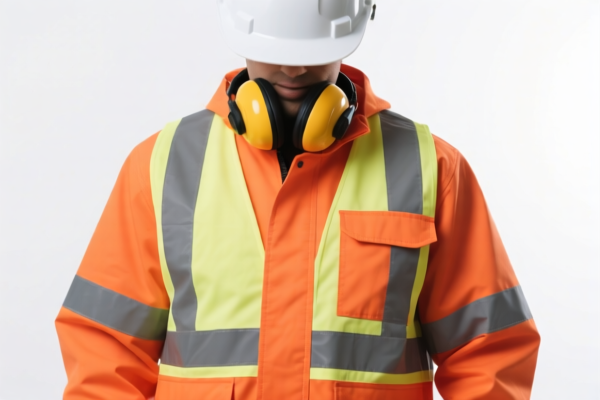
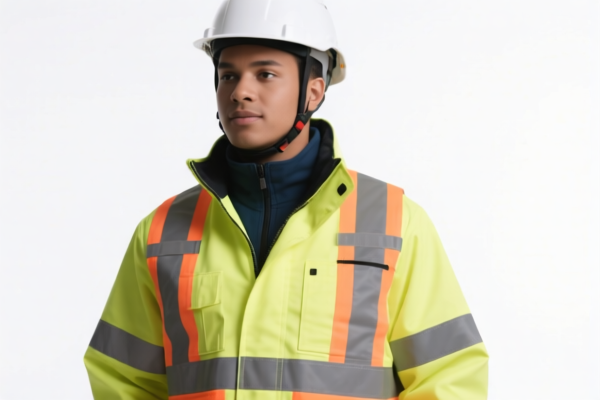
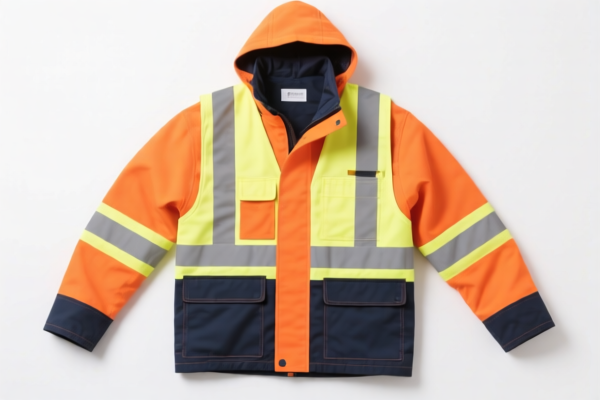
AI Analysis
🎖️ Tactical Camouflage Clothing (Military/Tactical Apparel)
🌐 HS Code Reference & Customs Clearance Guide | 2026 Latest Tariff Structure | Professional Clearance Strategy
📌 I. Product Definition & Classification: What Exactly is "Tactical Camouflage Clothing"?
Tactical camouflage clothing refers to garments designed for military, law enforcement, or outdoor tactical use, featuring patterns to conceal the wearer. In international trade, these goods are strictly distinguished by their intended use (civilian vs. military) and construction (knitted vs. woven).
Key Distinctions:
- Military/Uniform Specific: If explicitly designed for armed forces (e.g., standard issue uniforms), they often fall under specific military apparel headings.
- General Tactical/OOTD: If sold for civilian outdoor, hunting, or "tactical style" fashion, they are classified as general apparel (men’s/women’s suits, trousers, shirts) based on material and cut.
- Fabric Type: Knitted (T-shirts, base layers) vs. Woven (Jackets, Pants, BDU sets).
⚠️ Critical Warning:
- Do not classify tactical jackets as "Military Uniforms" unless they meet specific national defense procurement standards. Most commercial tactical gear falls under Headings 61/62.
- Camouflage Pattern: In some countries (e.g., Canada, Singapore, India), selling or importing camouflage patterns is restricted or banned for civilians. Ensure legal compliance in the destination country before shipping!
📦 II. HS Code Classification Matrix (2026 Latest Tariff Authority)
| HS Code | Product Description | Applicable Scenario | Material Type |
|---|---|---|---|
6103.43.00.00 |
Men’s boys’ synthetic fiber trousers, bib and brace overalls, breeches and shorts (knitted/crocheted) | Tactical cargo pants (polyester/nylon knit) | ✅ Knitted |
6103.49.00.00 |
Men’s/boys’ other textile trousers (knitted/crocheted, other textile materials) | Cotton/cotton-blend tactical pants | ✅ Knitted |
6203.43.00.00 |
Men’s boys’ trousers, bib and brace overalls, breeches and shorts (woven, synthetic fibers) | Standard tactical cargo pants (Ripstop Nylon/Polyester) | ✅ Woven |
6203.49.00.00 |
Men’s/boys’ other woven trousers (other textile materials) | Cotton-blend or wool-blend tactical pants | ✅ Woven |
6101.30.00.00 |
Men’s/women’s synthetic fiber anoraks, windbreakers, and similar articles (knitted/crocheted) | Tactical softshell jackets | ✅ Knitted |
6201.93.00.00 |
Men’s/women’s woven outerwear, synthetic fibers (other than coats, anoraks, etc.) | Tactical shell jackets | ✅ Woven |
6203.32.00.00 |
Men’s boys’ suits, ensembles, jackets, blazers, trousers (woven, cotton) | Cotton-based tactical uniforms | ✅ Woven |
9013.90.80.00 |
Parts/Accessories (Non-optical) | Tactical patches, Velcro, specialized buckles (sold separately) | N/A |
🔍 Key Classification Rule:
- Woven fabrics (most BDUs, tactical pants/jackets) → Chapter 62.
- Knitted fabrics (base layers, soft t-shirts) → Chapter 61.
- Material Composition:
- ≥50% Synthetic Fibers (Polyester, Nylon) → Look for "Synthetic" subheadings.
- ≥50% Cotton → Look for "Cotton" subheadings.
💰 III. 2026 Latest Tariff Rate Breakdown (US Market Focus)
✅ Applicable Country: United States (US)
✅ Origin: China (CN)
✅ Effective Date: Post-November 2025 (Current Trade Regime)
🎯 1. 6203.43.00.00 & 6203.49.00.00 —— Woven Tactical Trousers (Synthetic/Cotton)
| Item | Detail |
|---|---|
| Base MFN Rate | 17% (Ad Valorem) for most woven trousers |
| Section 301 Tariff | +7.5% (for most textile/apparel categories from China) |
| IEEPA/Other Surcharges | +10% (if applicable under recent executive orders for specific tech-related textiles, though rare for standard apparel) |
| Total Effective Rate | ~24.5% – 25% (Standard) |
| De Minimis Exemption | ✅ Eligible (Under $800 per person per day, Section 321) |
| Legal Path | USITC:6203.43.00.00 → Section 301: Footnote 9903.88.03 |
📌 Explanation:
- Standard woven trousers from China face a 17% base duty.
- Section 301 adds 7.5% for most apparel items.
- Total Duty: ~24.5%.
- Crucial Advantage: Small parcels under $800 (B2C e-commerce) are duty-free under Section 321, but subject to enhanced scrutiny and potential Section 301 exclusion requests if flagged as evasion.
🎯 2. 6103.43.00.00 —— Knitted Tactical Pants (Synthetic)
| Item | Detail |
|---|---|
| Base MFN Rate | 16% (Ad Valorem) |
| Section 301 Tariff | +7.5% |
| Total Effective Rate | ~23.5% |
| De Minimis Exemption | ✅ Eligible (<$800) |
| Legal Path | USITC:6103.43.00.00 → Section 301: Footnote 9903.88.03 |
📌 Note: Knitted and woven rates are similar. The key is accurate fabric identification.
🎯 3. 6201.93.00.00 —— Woven Tactical Jackets (Synthetic)
| Item | Detail |
|---|---|
| Base MFN Rate | 17% (Ad Valorem) |
| Section 301 Tariff | +7.5% |
| Total Effective Rate | ~24.5% |
| De Minimis Exemption | ✅ Eligible (<$800) |
🛠️ IV. Customs Clearance Practical Advice (Avoiding Pitfalls)
✅ 1. Documentation Checklist (Mandatory)
| Document | Required? | Notes |
|---|---|---|
| ✅ Commercial Invoice | ✔️ | Must specify: "Tactical Clothing," "Camouflage Pattern," Material Composition, Country of Origin |
| ✅ Packing List | ✔️ | Item count, weight, dimensions |
| ✅ Material Composition Statement | ✔️ | e.g., "100% Nylon Ripstop" or "65% Polyester/35% Cotton" |
| ✅ Pattern Declaration | ✔️ | Critical: Confirm if pattern is restricted in destination country (e.g., banned in Canada for civilians) |
| ✅ FCC/Other Certs | ❌ | Not required for clothing unless equipped with electronics (e.g., heated vests with batteries) |
| ✅ Brand Authorization | ✔️ | If branded, provide IP authorization to avoid customs seizure |
✅ 2. Classification Tips (The "Do's and Don'ts")
| Scenario | Correct HS Code | Incorrect HS Code | Risk |
|---|---|---|---|
| Standard Camo Tactical Pants | 6203.43.00.00 (if synthetic woven) |
6211.43.00.00 (Other garments) |
Misclassification → Penalty |
| Heated Tactical Vest (with battery) | 8504.40 (Battery) + 6203.43 (Vest) | 6211.43.00.00 (Single code) |
Battery may require UN38.3, MSDS |
| Camouflage Pattern in Canada | ❌ Banned for civilians | N/A | Seizure & Fine |
| Military Surplus (Old Uniforms) | 6211.43.00.00 |
6103.43.00.00 |
Surplus often has different rules; declare as "Used" |
🔥 Key Rule:
"Woven = 62, Knitted = 61. Synthetic = 03/04. Cotton = 03/04. Always declare material %!"
✅ 3. Special Considerations
| Situation | Handling Advice |
|---|---|
| Camouflage Pattern Bans | Canada: Banned for civilians. Singapore: Banned. India: Restricted. USA: Legal. EU: Legal. Check destination laws! |
| B2C E-commerce (<$800) | Use Section 321. Ensure value is accurately declared. Avoid splitting shipments to evade $800 limit (anti-smuggling laws). |
| Bulk B2B (>1 container) | Pay Section 301 tariffs (17% + 7.5% = ~24.5%). Consider Foreign Trade Zone (FTZ) for duty deferral. |
| Branded vs. Unbranded | Branded items require trademark authorization. Unbranded ("No Label") may face stricter scrutiny for IP infringement. |
🌍 V. Global Market Comparison (2026)
| Country/Region | Recommended HS Code | Duty Rate (China Origin) | Certification/Restriction | Notes |
|---|---|---|---|---|
| 🇺🇸 USA | 6203.43.00.00 |
~24.5% (Section 301) | None for pattern | Section 321 exemption for <$800 |
| 🇨🇦 Canada | 6203.43.00.00 |
~16-20% | ❌ Camouflage Banned | Civilian camo is illegal |
| 🇪🇺 EU | 6203.43.00.00 |
12% | REACH, CE (if electronic) | No pattern ban |
| 🇬🇧 UK | 6203.43.00.00 |
12% | None | Post-Brexit rules apply |
| 🇯🇵 Japan | 6203.43.00.00 |
18.7% | None | High duty, low volume |
| 🇦🇺 Australia | 6203.43.00.00 |
5% | None | Low duty |
📌 Conclusion:
- USA is the most accessible market for B2C due to Section 321, but B2B faces high Section 301 duties.
- Canada is high-risk for camo patterns.
- EU/UK/AU have stable, moderate duties but no e-commerce exemptions like the US.
📌 VI. Common Mistakes & Pitfalls (Lessons Learned)
❌ Mistake 1: Using "Military Uniform" classification for civilian tactical gear
👉 Consequence: Customs may reject as "Restricted Item" or apply incorrect military tariffs.
👉 Fix: Classify as "Tactical Apparel" under Chapter 61/62.
❌ Mistake 2: Ignoring pattern restrictions in destination countries
👉 Consequence: Shipment seizure and fines in Canada, Singapore, etc.
👉 Fix: Use non-camouflage patterns for restricted markets.
❌ Mistake 3: Misdeclaring material composition
👉 Consequence: Duty reassessment + penalties.
👉 Fix: Always state exact fiber content (e.g., "100% Polyester").
✅ Correct Declaration Example:
"Men’s Woven Tactical Cargo Pants, 100% Nylon Ripstop, Camouflage Pattern, Model: TAC-001, Country of Origin: China"
🎯 VII. Final Recommendations: Professional Clearance, Cost Efficiency
🎯 Remember:
🔹 "Woven = 62, Knitted = 61. Check Camo Laws!"
🔹 "<$800? Section 321 saves you duty. >$800? Expect ~24.5%."
🔹 "Canada = No Camo. USA = Camo OK."
📌 Pro Tip:
If you are exporting to the USA via B2C, ensure your platform (Shopify, Amazon, etc.) is set up for Section 321 De Minimis. For B2B, consider duty drawback programs if you re-export the goods.
📣 Immediate Action:
📞 Verify Pattern Restrictions in destination country.
📄 Prepare Accurate Material Declarations.
🚀 Apply for Duty-Free Status if under $800 (US).
✨ Smart Classification, Smooth Clearance!
💼 Your tactical gear deserves a safe journey!
Customer Reviews
About HS Code Classification
The Harmonized System (HS) is an internationally standardized nomenclature developed by the World Customs Organization (WCO) to classify traded products. Over 200 countries use the HS system as the basis for customs tariffs, trade statistics, and import/export regulations.
Each HS code follows a hierarchical structure:
- Chapter (2 digits) — Broad category of goods (e.g., Chapter 84: Machinery and Mechanical Appliances)
- Heading (4 digits) — More specific grouping within the chapter
- Subheading (6 digits) — Internationally standardized breakdown, used by all WCO member countries
- National subdivisions (8-10 digits) — Country-specific extensions for further classification, such as US HTSUS 10-digit codes
Correct HS code classification is essential for smooth customs clearance, accurate duty payment, and compliance with trade regulations. Misclassification can lead to customs delays, overpayment of duties, or penalties.
When importing from CN to US, the applicable tariff rates may include:
- Most-Favored-Nation (MFN) rate — The standard duty rate applied to WTO members
- General rate — Applied to countries without trade agreements
- Trade remedy duties — Additional tariffs such as Section 301 (anti-dumping), Section 232 (national security), or countervailing duties
The information provided on this page is for reference purposes only. For official classification, please consult with your local customs authority or a licensed customs broker.