tapestry hanger
CN → US| HS Code | Tariff Rate | Origin | Destination | Doc |
|---|---|---|---|---|
| 6304991000 | 21.3% | CN | US | Official Doc |
| 6304991500 | 28.8% | CN | US | Official Doc |
| 5805004090 | 35.0% | CN | US | Official Doc |
| 9701910000 | 17.5% | CN | US | Official Doc |
Product Images
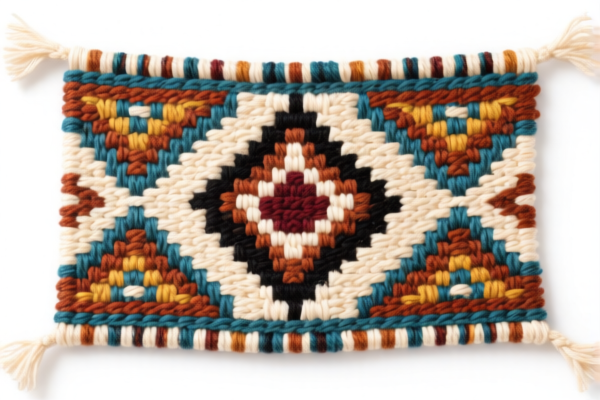
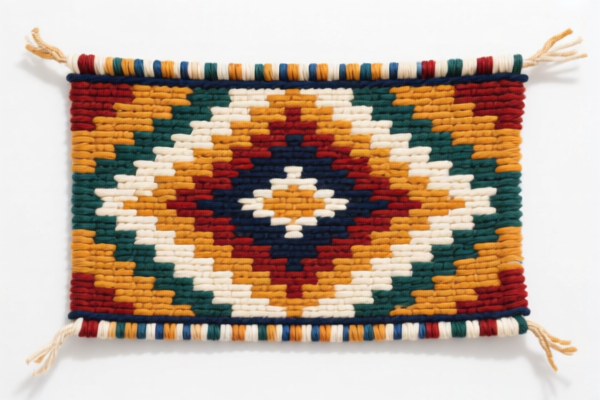
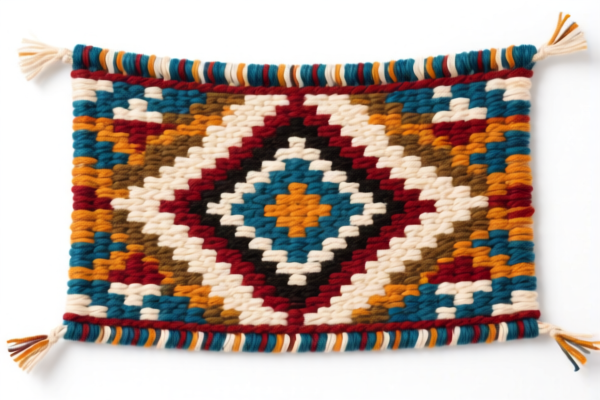
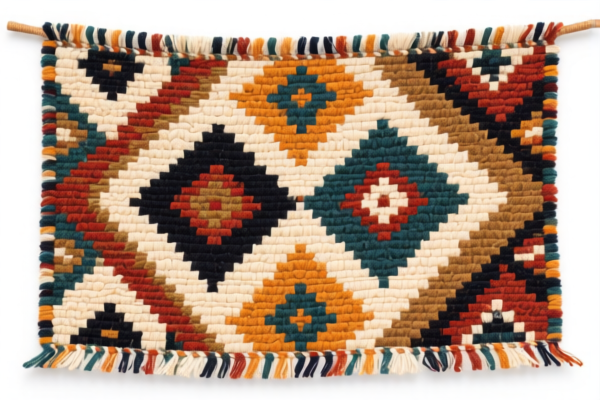
AI Analysis
🧶 Tapestry Hanger (Furniture Decorative Tapestries)
🌐 HS Code Reference & Customs Clearance Guide | 2026 Latest Tariff Analysis | Professional-Level Clearance Strategy
📌 I. Product Definition & Classification: Do You Really Understand “Tapestry Hanger” Products?
In the realm of home decor, "Tapestry Hangers" (often referred to as decorative wall hangings or tapestries) serve as artistic focal points for residential and commercial spaces. In international trade, their classification depends heavily on their material composition, manufacturing method (knitted vs. non-knitted), and artistic nature.
Key Distinctions: 1. Woven Textile Wall Hangings: Typically made of wool or cotton, classified under Chapter 63 (Other made-up textile articles). 2. Artistic/Handmade Pieces: If explicitly stated as handcrafted art, they might fall under Chapter 97 (Works of Art). 3. Material Conflict: If the material is ambiguous, customs may default to higher-tariff general textile categories.
⚠️ Critical Classification Point:
- If it is a standard woven wall hanging without specific artistic declaration → Chapter 63
- If it is declared as a handmade artistic piece (similar to paintings) → Chapter 97
- If the material is unclear but clearly a textile → Chapter 58 (Special fabrics)
📦 II. HS Code Classification Details (2026 Latest Tariff Authority Comparison)
| HS Code | Product Description | Application Scenario | Material/Manufacturing Note |
|---|---|---|---|
6304.99.10.00 |
Made-up furnishings (e.g., wall hangings), not knitted or crocheted, of wool/fine animal hair | Traditional wool tapestries, decorative wall hangings with textile fiber base | ✅ Wool/Textile Fiber Base |
6304.99.15.00 |
Made-up furnishings (e.g., wall hangings), not knitted or crocheted, of other textile materials | Synthetic fiber (polyester/nylon) tapestries, non-knitted decorative hangings | ✅ Non-Knitted Textile |
5805.00.40.90 |
Hand-woven tapestries of the Gobelins type, like Flanders tapestries, and similar hand-woven tapestries, material not specified | Hand-woven decorative pieces where material is unspecified or mixed | ⚠️ Material Ambiguous/Unspecified |
9701.91.00.00 |
Original engravings, prints, and lithographs (other than posters); Other pictorial representations and constructions (e.g., collages, pictorial assemblies) | Artistic wall hangings declared as "decorative panels" or "artistic constructions," similar to paintings/collages | ✅ Artistic/Handmade Nature |
🔍 Key Reminder:
-6304is the standard for household decorative textiles. The main difference between.10and.15is the fiber content (Wool vs. Other). -5805applies to hand-woven structures, often attracting higher duties due to the complexity and lack of material specificity. -9701offers the lowest base tariff (0%) but requires strict proof of artistic/original nature. It is not for mass-produced printed blankets used as decor.
💰 III. 2026 Latest Tariff Rate Breakdown (Including Additional Duties & Policy Surcharges)
✅ Applicable Country: United States (US)
✅ Origin: China (CN)
✅ Effective Time: 2025 November 10 onwards (including subsequent imports)
🎯 1. 6304.99.10.00 —— Wall Hangings (Wool/Textile Fiber Base)
| Item | Content |
|---|---|
| Basic Tariff | 3.8% (ad valorem) |
| Section 301 Surcharge | +7.5% |
| Section 122 Tariff | +10% |
| Total Rate | 21.3% |
| Tax Calculation | CIF Value × 21.3% |
| De Minimis Eligibility | ❌ No (deny_de_minimis) |
| Legal Basis Path | 122:10% → 301:7.5% → USITC:6304.99.10.00 |
📌 Explanation:
- This is the standard rate for wool-based decorative hangings. - The 3.8% base is relatively low, but the 17.5% in additional tariffs (7.5% Section 301 + 10% Section 122) significantly increase the cost.
🎯 2. 6304.99.15.00 —— Wall Hangings (Non-Knitted Textile, Other Materials)
| Item | Content |
|---|---|
| Basic Tariff | 11.3% (ad valorem) |
| Section 301 Surcharge | +7.5% |
| Section 122 Tariff | +10% |
| Total Rate | 28.8% |
| Tax Calculation | CIF Value × 28.8% |
| De Minimis Eligibility | ❌ No (deny_de_minimis) |
| Legal Basis Path | 122:10% → 301:7.5% → USITC:6304.99.15.00 |
📌 Note:
- If the product is made of synthetic fibers (e.g., polyester) rather than wool, the base tariff jumps to 11.3%. - Total rate: 28.8%. This is 7.5% higher than the wool version. Material specification on the invoice is critical.
🎯 3. 5805.00.40.90 —— Hand-Woven Tapestries (Material Unspecified/Other)
| Item | Content |
|---|---|
| Basic Tariff | 0.0% (ad valorem) |
| Section 301 Surcharge | +25.0% |
| Section 122 Tariff | +10% |
| Total Rate | 35.0% |
| Tax Calculation | CIF Value × 35.0% |
| De Minimis Eligibility | ❌ No (deny_de_minimis) |
| Legal Basis Path | 122:10% → 301:25% → USITC:5805.00.40.90 |
📌 Warning:
- Although the base tariff is 0%, the Section 301 surcharge is 25% (instead of 7.5%). - This classification often applies to hand-woven items where material is not clearly defined as wool or simple synthetic. - Total rate: 35.0%. This is the highest among the textile classifications due to the higher Section 301 rate.
🎯 4. 9701.91.00.00 —— Works of Art (Pictorial Representations)
| Item | Content |
|---|---|
| Basic Tariff | 0.0% (ad valorem) |
| Section 301 Surcharge | +7.5% |
| Section 122 Tariff | +10% |
| Total Rate | 17.5% |
| Tax Calculation | CIF Value × 17.5% |
| De Minimis Eligibility | ❌ No (deny_de_minimis) |
| Legal Basis Path | 122:10% → 301:7.5% → USITC:9701.91.00.00 |
📌 Strategic Advantage:
- This is the most cost-effective option if the product can be legally classified as art. - Total rate: 17.5%. It shares the same low Section 301 (7.5%) as standard textiles but benefits from a 0% base tariff. - Requirement: Must be declared as an original artistic work (e.g., hand-painted, collage, unique artistic construction), not a mass-produced printed blanket.
🛠️ IV. Customs Clearance Practical Advice (Combat Pitfall Avoidance Guide)
✅ 1. Documentation Checklist (All Mandatory)
| Document | Must Provide | Description |
|---|---|---|
| ✅ Product Specification Sheet | ✔️ | Dimensions, material composition (Wool vs. Polyester), weaving method |
| ✅ Material Composition Label | ✔️ | Exact percentage of fibers (e.g., "100% Wool" or "80% Polyester/20% Cotton") |
| ✅ Product Photos | ✔️ | Clear images of front, back, and texture to show weave type |
| ✅ Commercial Invoice | ✔️ | Must clearly state "Decorative Tapestry" or "Wall Hanging" |
| ✅ Artistic Proof (For 9701) | ✔️ | Artist certificate, proof of originality, or description of artistic nature |
| ✅ Packing List | ✔️ | Item count, packaging type |
✅ 2. Declaration Tips (Key Mnemonic)
🔥 “Material Dictates Base, Art Defines Low Tax, Don’t Split!”
| Scenario | Correct Declaration | Wrong Practice |
|---|---|---|
| Wool Tapestry | 6304.99.10.00 |
Misdeclare as Polyester → 28.8% |
| Polyester Tapestry | 6304.99.15.00 |
Misdeclare as Wool → 3.8% (Risk of Penalty) |
| Hand-Woven Art | 9701.91.00.00 |
Misdeclare as Textile → 35% |
| Mass-Produced Print | 6304.99.15.00 |
Declare as Art → Customs Rejection & Penalty |
⚠️ Critical Warning:
- Do not declare a mass-produced printed polyester cloth as9701(Art). US Customs will reject this unless there is proof of artistic creation. - If the material is mixed or unclear, you risk being classified under5805(35%) or6304.99.15(28.8%). Always specify fiber content.
✅ 3. Special Case Handling
| Situation | Handling Advice |
|---|---|
| Blanket Used as Wall Decor | Still classified as textile (6304), not art (9701). |
| Digital Print on Fabric | Classify based on material (6304.99.15), not as art. |
| Hand-Painted Canvas | Can qualify for 9701.91.00.00 with artist statement. |
| Knitted vs. Woven | Ensure description says "Not Knitted" for 6304 to avoid misclassification. |
🌍 V. Global Market Comparison (2026 Latest)
| Country/Region | Recommended HS Code | Tariff (China Origin) | Certification Req. | Notes |
|---|---|---|---|---|
| 🇺🇸 USA | 6304.99.15.00 (Standard) |
28.8% | None specific | High additional tariffs apply |
| 🇺🇸 USA | 9701.91.00.00 (Art) |
17.5% | Artistic Proof | Lowest rate if qualified |
| 🇨🇳 China | 6304.99.10.00 |
~10-15% | None | Lower duties in China |
| 🇪🇺 EU | 6304.99.10.00 |
4-7% | CE (if applicable) | No Section 301/122 |
| 🇬🇧 UK | 6304.99.10.00 |
4-7% | None | Post-Brexit rules apply |
📌 Conclusion:
- USA is the most challenging market due to Section 301 (7.5% or 25%) and Section 122 (10%). - Artistic classification (9701) is the only way to reduce the burden below 20% for Chinese-origin goods. - Material accuracy is vital to avoid the 35%5805rate.
📌 VI. Common Errors & Pitfall Guide (Lessons Learned)
❌ Mistake 1: Declaring a polyester blanket as wool (6304.99.10) to get 3.8% base rate
👉 Consequence: Customs audit finds mismatch → Back taxes + Penalties (Rate jumps to 28.8%)
❌ Mistake 2: Declaring a mass-produced printed tapestry as Art (9701)
👉 Consequence: Rejected as "False Declaration" → Seizure or Return
❌ Mistake 3: Failing to specify Knitted vs. Woven
👉 Consequence: Customs may apply default higher rates or request detailed material breakdown → Delays
❌ Mistake 4: Using generic name "Wall Hanging" without material detail
👉 Consequence: High uncertainty → Possible classification under 5805 (35%)
✅ Correct Declaration Example:
"Decorative Wall Tapestry, 100% Wool, Hand-Woven, Not Knitted, Artistic Design, HS Code 6304.99.10.00"
🎯 VII. Conclusion: Precise Classification Saves Money!
🎯 Remember Mnemonic:
🔹 “Wool is Cheap (3.8%), Synthetics Pricy (11.3%), Art is Lowest (0%), Hands Woven Highest Surcharge (25%)!”
🔹 “HS Code Decides Fate, Tariff Differs by 17%, One Mistake Costs Thousands!”
📌 Pro Tip:
If your tapestry is hand-painted or hand-crafted unique art, always provide artist certificates or photos of the creation process to qualify for 9701.91.00.00 (17.5%).
For mass-produced textiles, ensure material composition is clearly stated to avoid the 35% 5805 rate.
📣 Immediate Action:
📞 Consult professional customs brokers + Provide Material Certificates + Apply for Pre-Ruling if possible
🚀 Let your tapestries clear smoothly, avoid high tariffs, and maximize profits!
✨ Professional Clearance Starts with Precise Classification!
💼 Every cent of your cost deserves to be calculated accurately!
Customer Reviews
About HS Code Classification
The Harmonized System (HS) is an internationally standardized nomenclature developed by the World Customs Organization (WCO) to classify traded products. Over 200 countries use the HS system as the basis for customs tariffs, trade statistics, and import/export regulations.
Each HS code follows a hierarchical structure:
- Chapter (2 digits) — Broad category of goods (e.g., Chapter 84: Machinery and Mechanical Appliances)
- Heading (4 digits) — More specific grouping within the chapter
- Subheading (6 digits) — Internationally standardized breakdown, used by all WCO member countries
- National subdivisions (8-10 digits) — Country-specific extensions for further classification, such as US HTSUS 10-digit codes
Correct HS code classification is essential for smooth customs clearance, accurate duty payment, and compliance with trade regulations. Misclassification can lead to customs delays, overpayment of duties, or penalties.
When importing from CN to US, the applicable tariff rates may include:
- Most-Favored-Nation (MFN) rate — The standard duty rate applied to WTO members
- General rate — Applied to countries without trade agreements
- Trade remedy duties — Additional tariffs such as Section 301 (anti-dumping), Section 232 (national security), or countervailing duties
The information provided on this page is for reference purposes only. For official classification, please consult with your local customs authority or a licensed customs broker.