tea coasters
CN → US| HS Code | Tariff Rate | Origin | Destination | Doc |
|---|---|---|---|---|
| 3924104000 | 13.4% | CN | US | Official Doc |
| 3924901050 | 13.3% | CN | US | Official Doc |
| 6912004810 | 19.8% | CN | US | Official Doc |
| 4420110010 | 13.2% | CN | US | Official Doc |
| 4420110090 | 13.2% | CN | US | Official Doc |
Product Images
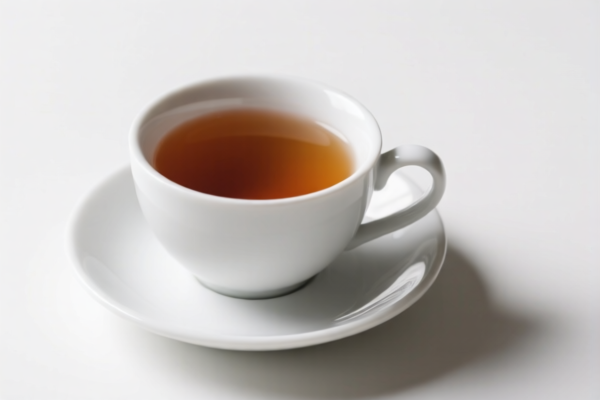
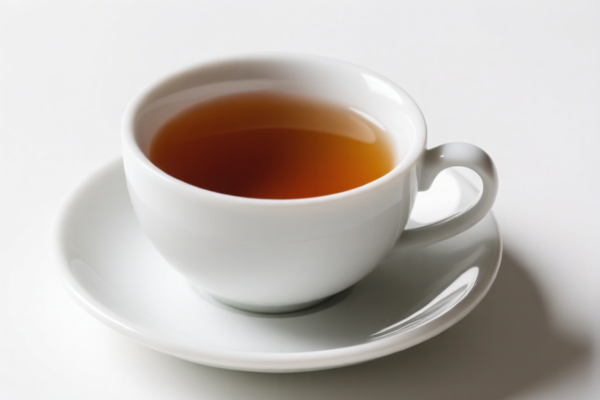
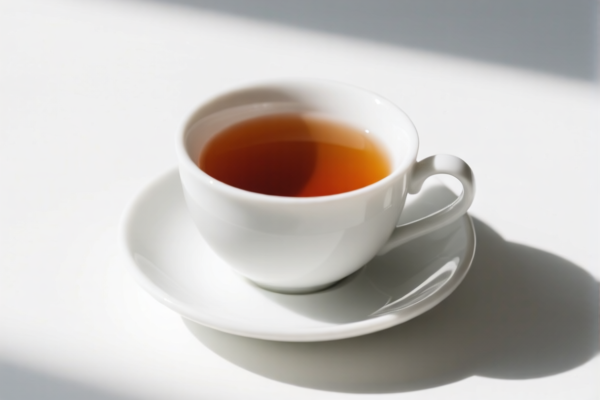
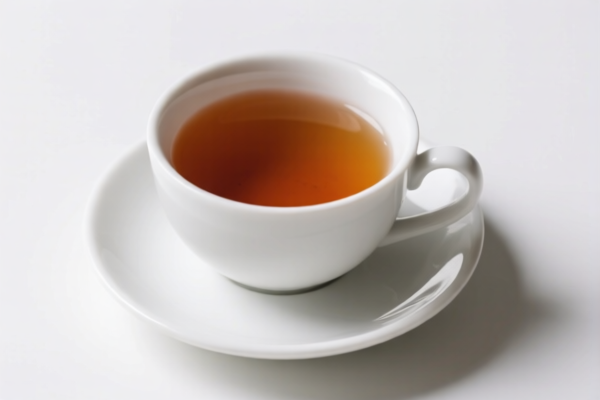
AI Analysis
🥂 Tea Coasters (Furniture Coasters)
🌐 HS Code Reference & Customs Clearance Guide | 2026 Latest Tariff Analysis | Professional Clearance Strategy
📌 Part 1: Product Definition & Classification: Do You Truly Understand "Tea Coasters"?
Tea coasters, also known as furniture coasters, are small protective pads placed under cups, glasses, or vases to protect furniture surfaces from water rings, heat damage, and scratches. In international trade, their classification depends entirely on the material composition:
Plastic Coasters: Made from PVC, ABS, PP, or other polymers. Ceramic/Non-metal Coasters: Made from porcelain, ceramic, or stone. Wood/Bamboo Coasters: Made from solid wood, bamboo, or engineered wood.
⚠️ Key Distinction Point:
- If the material is Plastic → Look at Chapter 39 (e.g., 3924)
- If the material is Ceramic → Look at Chapter 69 (e.g., 6912)
- If the material is Wood/Bamboo → Look at Chapter 44 (e.g., 4420)
📦 Part 2: HS Code Classification Details (2026 Latest Tariff Authority Comparison)
| HS Code | Product Description | Material Type | Application Scope |
|---|---|---|---|
3924.10.40.00 |
Plastic furniture coasters, classified as tableware/household goods | Plastic | General use, food-contact safe plastics |
3924.90.10.50 |
Plastic furniture coasters, classified as other household items | Plastic | Non-standard shapes, decorative plastics |
6912.00.48.10 |
Ceramic or non-metal furniture coasters, suitable for food contact | Ceramic/Stone | Porcelain, stoneware, eco-friendly stone |
4420.11.00.10 |
Wood/Bamboo furniture coasters, classified as other household items | Wood/Bamboo | Solid wood, bamboo, eco-friendly wood |
4420.11.00.90 |
Wood/Bamboo furniture coasters, classified as other household items | Wood/Bamboo | Engineered wood, mixed materials |
🔍 Key Reminder:
- Plastic coasters are generally grouped under 3924 (Tableware/Household articles of plastics). The distinction between3924.10(Tableware) and3924.90(Other) depends on specific design and marketing. - Ceramic coasters fall under 6912 (Ceramic tableware/kitchenware). - Wood/Bamboo coasters fall under 4420 (Wood/bamboo articles of furniture).
💰 Part 3: 2026 Latest Tariff Rate Details (Including Surtaxes & Policy Additions)
✅ Applicable Country: United States (US)
✅ Origin: China (CN)
✅ Effective Date: Includes subsequent imports under current trade policies
🎯 1. 3924.10.40.00 & 3924.90.10.50 —— Plastic Furniture Coasters
| Item | Content |
|---|---|
| Base Tariff | 3.4% (3924.10.40.00) / 3.3% (3924.90.10.50) |
| Additional Surcharge | 0.0% (No Section 301 surcharge applied to these specific sub-headings in this dataset) |
| Section 122 Tariff | +10% (Specific to this import category) |
| Total Tax Rate | 13.4% (3924.10.40.00) / 13.3% (3924.90.10.50) |
| Tax Calculation | CIF Value × Total Tax Rate |
| De Minimis Eligibility | ❌ No (Subject to full customs inspection) |
| Legal Basis Path | Base Tariff: 3.4%/3.3% → Surtax: 0.0% → Section 122: 10% |
📌 Explanation:
- Plastic coasters are subject to a relatively low base tariff but carry a 10% Section 122 surcharge. - The total tax rate is approximately 13.3%-13.4%. - Note: These rates are significantly lower than electronics or high-tech goods, but still require careful declaration.
🎯 2. 6912.00.48.10 —— Ceramic/Non-Metal Furniture Coasters
| Item | Content |
|---|---|
| Base Tariff | 9.8% |
| Additional Surcharge | 0.0% (No Section 301 surcharge applied to this specific sub-heading in this dataset) |
| Section 122 Tariff | +10% (Specific to this import category) |
| Total Tax Rate | 19.8% |
| Tax Calculation | CIF Value × 19.8% |
| De Minimis Eligibility | ❌ No (Subject to full customs inspection) |
| Legal Basis Path | Base Tariff: 9.8% → Surtax: 0.0% → Section 122: 10% |
📌 Note:
- Ceramic coasters have a higher base tariff (9.8%) compared to plastic (3.4%). - With the 10% Section 122 surcharge, the total tax rate reaches 19.8%. - Key Point: Ceramic products are fragile and require proper packaging declaration to avoid damage claims.
🎯 3. 4420.11.00.10 & 4420.11.00.90 —— Wood/Bamboo Furniture Coasters
| Item | Content |
|---|---|
| Base Tariff | 3.2% |
| Additional Surcharge | 0.0% (No Section 301 surcharge applied to these specific sub-headings in this dataset) |
| Section 122 Tariff | +10% (Specific to this import category) |
| Total Tax Rate | 13.2% |
| Tax Calculation | CIF Value × 13.2% |
| De Minimis Eligibility | ❌ No (Subject to full customs inspection) |
| Legal Basis Path | Base Tariff: 3.2% → Surtax: 0.0% → Section 122: 10% |
📌 Important:
- Wood/bamboo coasters have the lowest base tariff (3.2%) among all materials listed. - With the 10% Section 122 surcharge, the total tax rate is 13.2%. - Eco-Friendly Advantage: Bamboo products are often viewed favorably in Western markets; ensure certification (e.g., FSC) if applicable to enhance marketability.
🛠️ Part 4: Customs Clearance Practical Advice (Battle-Tested Pitfall Avoidance Guide)
✅ 1. Preparation Material Checklist (None Can Be Missing)
| Material | Required | Explanation |
|---|---|---|
| ✅ Product Specification Sheet | ✔️ | Must include material (Plastic/Ceramic/Wood), dimensions, weight, and food-contact status |
| ✅ Product Photos | ✔️ | Clear images showing texture, branding, and any food-safe labels |
| ✅ Commercial Invoice | ✔️ | Must clearly state "Tea Coasters" or "Furniture Coasters" and material composition |
| ✅ Packing List | ✔️ | Detail packaging type (bulk, box, blister) to verify CIF value accuracy |
| ✅ Material Declaration | ✔️ | Explicitly state "100% Plastic", "Food-Grade Ceramic", or "Solid Wood" to avoid misclassification |
| ✅ Third-Party Test Report | ✔️ | If claiming "Food Contact", provide FDA/LFGB test reports |
✅ 2. Declaration Tips (Key Mantra)
🔥 "Material First, Name Precise, Section 122 Pays, Tax Clarity Saves!"
| Scenario | Correct Declaration Method | Wrong Practice |
|---|---|---|
| Plastic Coasters | HS 3924.10.40.00 or 3924.90.10.50 |
Misdeclare as "Plastic Parts" → Higher duty |
| Ceramic Coasters | HS 6912.00.48.10 |
Misdeclare as "Pottery" → Inspection delay |
| Wood Coasters | HS 4420.11.00.10 or .90 |
Misdeclare as "Wooden Toys" → Wrong chapter |
| Mixed Material Sets | Declare main component or split | Mix materials in one line item → Rejection |
✅ 3. Special Case Handling
| Case | Handling Advice |
|---|---|
| Food-Contact Claims | Provide FDA Compliance Certificate for plastic/ceramic coasters to justify 3924.10 or 6912.00.48.10 |
| Bamboo vs. Wood | If 100% bamboo, declare as bamboo; if mixed, declare as wood. Mislabeling can lead to quarantine issues. |
| Sample Imports | Even for samples, declare correctly. De minimis exemptions may not apply due to Section 122 tariffs. |
| OEM Custom Designs | Provide design files to prove uniqueness; helps avoid being grouped under generic "other household items." |
🌍 Part 5: Global Main Market Clearance Comparison (2026 Latest)
| Country/Region | Recommended HS Code | Tariff | Certification Requirement | Notes |
|---|---|---|---|---|
| 🇺🇸 USA | 3924.10.40.00 / 6912.00.48.10 / 4420.11.00.10 |
13.2%-19.8% (incl. 122 Sec.) | FDA/LFGB (if food contact) | Section 122 10% surcharge applies |
| 🇨🇳 China | Same HS Codes | 5%-10% | CCC (if applicable) | No additional surcharges |
| 🇪🇺 EU | Similar HS Codes | 0%-6% | CE + REACH | Lower base tariffs, no Section 122 |
| 🇦🇺 Australia | Similar HS Codes | 5%-10% | SAA | No additional surcharges |
| 🇯🇵 Japan | Similar HS Codes | 0%-5% | PSE (if electronic features) | Low tariffs, strict quality checks |
📌 Conclusion:
- The US market is unique due to the 10% Section 122 surcharge on these household items. - Ceramic coasters have the highest tax burden (19.8%) in the US compared to plastic (13.3%) and wood (13.2%). - EU/Japan markets offer lower tariffs, making them more attractive for high-margin ceramic products.
📌 Part 6: Common Mistakes & Pitfall Guide (Blood-Teaching Lessons)
❌ Mistake 1: Declaring "Coasters" without specifying material
👉 Consequence: Customs may default to the highest duty category → Higher Tax!
❌ Mistake 2: Claiming "Food Contact" without FDA/LFGB reports
👉 Consequence: Detention at customs, fines, or forced re-export → Delays & Penalties!
❌ Mistake 3: Misclassifying Wood Coasters as "Wooden Furniture"
👉 Consequence: Wrong HS Code (9403 instead of 4420) → Misdeclaration Penalty!
❌ Mistake 4: Ignoring the 10% Section 122 Surcharge in Cost Calculations
👉 Consequence: Profit margin erosion → Unexpected Losses!
✅ Correct Practice:
"Tea Coasters, Plastic, Food-Grade, 100% PP, FDA Compliant, Model XYZ, 13.4% Total Duty"
🎯 Part 7: Conclusion: Professional Declaration, Time & Cost Savings!
🎯 Remember the Mantra:
🔹 "Material Determines Code, Section 122 Adds 10%, Ceramic Costs More, Wood is Cheaper!"
🔹 "HS Code Decides Fate, Tax Difference is Critical, Correct Declaration Saves Money!"
📌 Pro Tip:
If your coasters are originated from Vietnam, Thailand, or India, you may avoid certain surcharges (depending on current trade agreements).
Suggest Applying for Advance Ruling before large shipments to confirm the exact HS Code and tax rate.
📣 Immediate Action:
📞 Contact a Professional Customs Broker + Provide Product Photos + Apply for HS Code Advance Ruling
🚀 Let your coasters pass through customs smoothly, maximize profits, and expand globally!
✨ Professional Customs Clearance Starts with Accurate Classification!
💼 Every Cent of Your Cost Deserves Precise Calculation!
Customer Reviews
About HS Code Classification
The Harmonized System (HS) is an internationally standardized nomenclature developed by the World Customs Organization (WCO) to classify traded products. Over 200 countries use the HS system as the basis for customs tariffs, trade statistics, and import/export regulations.
Each HS code follows a hierarchical structure:
- Chapter (2 digits) — Broad category of goods (e.g., Chapter 84: Machinery and Mechanical Appliances)
- Heading (4 digits) — More specific grouping within the chapter
- Subheading (6 digits) — Internationally standardized breakdown, used by all WCO member countries
- National subdivisions (8-10 digits) — Country-specific extensions for further classification, such as US HTSUS 10-digit codes
Correct HS code classification is essential for smooth customs clearance, accurate duty payment, and compliance with trade regulations. Misclassification can lead to customs delays, overpayment of duties, or penalties.
When importing from CN to US, the applicable tariff rates may include:
- Most-Favored-Nation (MFN) rate — The standard duty rate applied to WTO members
- General rate — Applied to countries without trade agreements
- Trade remedy duties — Additional tariffs such as Section 301 (anti-dumping), Section 232 (national security), or countervailing duties
The information provided on this page is for reference purposes only. For official classification, please consult with your local customs authority or a licensed customs broker.