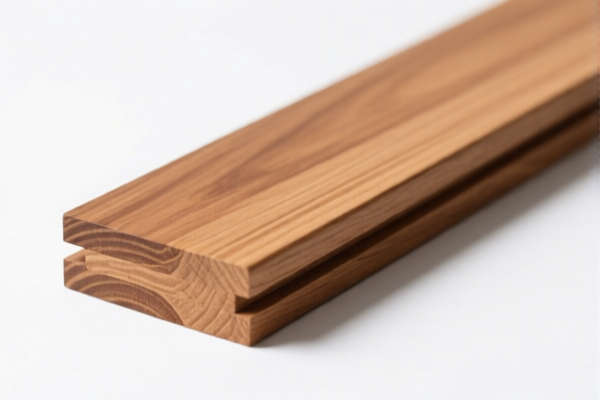
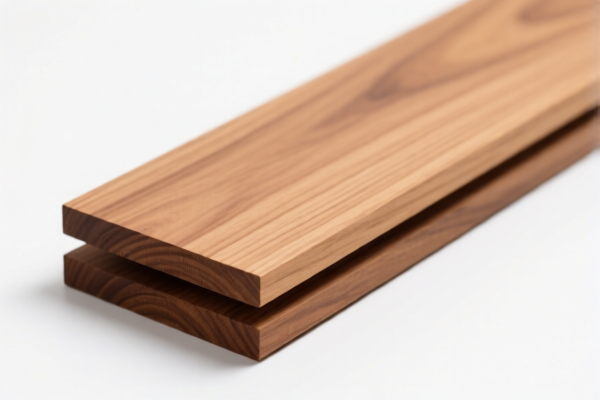
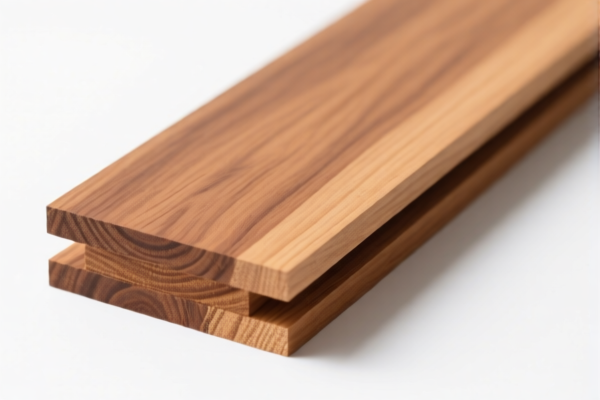
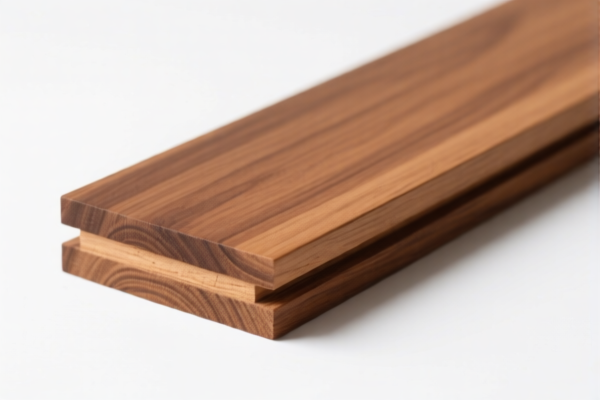
teak construction timber
CN → US| HS Code | Tariff Rate | Origin | Destination | Doc |
|---|---|---|---|---|
| 4418999105 | 38.2% | CN | US | Official Doc |
| 4409220560 | 38.2% | CN | US | Official Doc |
| 4418790100 | 38.2% | CN | US | Official Doc |
| 4407230100 | 35.0% | CN | US | Official Doc |
| 4407290296 | 35.0% | CN | US | Official Doc |
Product Images
AI Analysis
🪵 Teak Construction Timber: HS Code Classification & US Customs Clearance Guide
🌐 HS Code Reference & Customs Clearance Strategy | 2026 Latest Tariff Analysis
📌 Focus: US Imports from China | Status: High Risk / High Tariff
Teak is a premium tropical hardwood prized for its durability and resistance to rot. However, in the context of US-China trade, Teak timber is heavily scrutinized due to Section 301 tariffs and Section 122 measures. Misclassification can lead to severe penalties, delays, or double taxation.
Below is the precise breakdown of Teak Construction Timber classifications based on form (finished flooring vs. rough lumber) and applicable tax details.
📦 II. HS Code Classification Matrix (2026 Authoritative Mapping)
The form of the teak determines the HS Code and the corresponding tax structure. There are 5 distinct categories below.
| HS Code | Product Description & Form | Material | Key Distinction |
|---|---|---|---|
| 4418.99.91.05 | Teak Flooring (Finished) | Teak | Finished wooden flooring, ready for installation. |
| 4409.22.05.60 | Teak Flooring Lumber | Tropical Wood | Profiled timber specifically for flooring (tongue/groove). |
| 4418.79.01.00 | Assembled Floor Boards | Wood | Pre-assembled or specific engineered wood floor components. |
| 4407.23.01.00 | Thick Sawn Teak Lumber | Teak | Sawn wood >6mm thick; basic structural/construction timber. |
| 4407.29.02.96 | Sawn Teak Pieces | Tropical Wood | General sawn teak parts, not specifically profiled for flooring. |
⚠️ Critical Note:
- HS 4418 & 4409 codes relate to finished or semi-finished flooring products.
- HS 4407 codes relate to basic sawn wood/lumber.
- All items listed are subject to significant additional tariffs (see Section III).
💰 III. 2026 Tariff Rate Breakdown (Detailed Tax Structure)
✅ Applicable Region: United States (US)
✅ Origin: China (CN)
✅ Effective Date: Current US Trade Policy (Section 301 & Section 122)
🎯 Category A: Finished/Semi-Finished Flooring (HS 4418 & 4409)
These codes cover items that are already shaped for flooring installation. They carry the highest total tax burden due to the base tariff layer.
1. 4418.99.91.05 – Teak Flooring (Finished)
2. 4409.22.05.60 – Teak Flooring Lumber (Tropical)
3. 4418.79.01.00 – Assembled Floor Boards
| Tax Component | Rate | Legal Basis | Details |
|---|---|---|---|
| Base Tariff (MFN) | 3.2% | USITC Harmonized Tariff Schedule | Standard Most Favored Nation rate for wood flooring. |
| Section 301 Tariff | 25.0% | US Trade Act Sec. 301 | Additional duty on Chinese wood products. |
| Section 122 Tariff | 10.0% | U.S. Code Title 19, Sec. 122 | Specific additional duty on imports affecting national security/economy. |
| TOTAL TAX RATE | 38.2% | Sum of all above | |
| De Minimis Exemption | ❌ NO | Cannot use $800 de minimis for these classifications. |
📌 Interpretation:
- The 38.2% is calculated on the CIF (Cost, Insurance, Freight) value.
- Even if the product is "just flooring," the 3.2% base is unavoidable, making the total significantly higher than basic lumber.
- Warning: Do not attempt to under-declare the value; Section 122 duties are strictly enforced.
🎯 Category B: Basic Sawn Timber/Lumber (HS 4407)
These codes cover raw or rough-sawn teak timber intended for further processing. They benefit from a lower base tariff but still face heavy additional duties.
4. 4407.23.01.00 – Thick Sawn Teak (>6mm)
5. 4407.29.02.96 – Sawn Teak Pieces
| Tax Component | Rate | Legal Basis | Details |
|---|---|---|---|
| Base Tariff (MFN) | 0.0% | USITC Harmonized Tariff Schedule | Basic sawn wood often has 0% MFN duty. |
| Section 301 Tariff | 25.0% | US Trade Act Sec. 301 | Additional duty on Chinese wood products. |
| Section 122 Tariff | 10.0% | U.S. Code Title 19, Sec. 122 | Specific additional duty on imports. |
| TOTAL TAX RATE | 35.0% | Sum of all above | |
| De Minimis Exemption | ❌ NO | Cannot use $800 de minimis for these classifications. |
📌 Interpretation:
- The 35.0% is calculated on the CIF value.
- While the base rate is 0%, the 25% + 10% surcharges make it nearly as expensive as finished flooring.
- Key Distinction: These items must be raw/semi-raw. If they are pre-cut to size for flooring, they may be reclassified under HS 4409/4418, triggering the higher 38.2% rate.
🛠️ IV. Customs Clearance Practical Advice
✅ 1. Documentation Checklist (Non-Negotiable)
| Document | Required? | Purpose |
|---|---|---|
| Commercial Invoice | ✔️ | Must clearly state "Teak Timber," HS Code, and CIF value. |
| Packing List | ✔️ | Detail dimensions, weight, and quantity. |
| Bill of Lading | ✔️ | Proof of shipment. |
| Fumigation Certificate | ✔️ | Crucial for wood. Must comply with ISPM 15 standards to prevent pest entry. |
| Phytosanitary Certificate | ✔️ | Issued by the country of origin’s plant protection agency. |
| Proof of Origin | ✔️ | To confirm Chinese origin (triggers tariffs). |
✅ 2. Classification Strategy & Pitfalls
| Scenario | Correct HS Code | Risk if Incorrect |
|---|---|---|
| Finished Floorboards | 4418.99.91.05 / 4409.22.05.60 |
Under-declaring as "lumber" (HS 4407) → Penalty for misclassification + 3.2% base duty underpayment. |
| Raw Sawn Logs/Planks | 4407.23.01.00 / 4407.29.02.96 |
Over-declaring as "finished flooring" → Unnecessary 3.2% base duty payment. |
| Engineered Wood Floors | 4418.79.01.00 |
Misclassified as solid wood → May trigger different regulatory requirements. |
🔥 Golden Rule:
"If it’s ready to lay, it’s Flooring (38.2%). If it’s just cut, it’s Lumber (35.0%)."
Do not attempt to classify finished flooring as raw lumber to save 3.2%. Customs officers inspect physical goods. The penalty for fraud outweighs the tiny savings.
✅ 3. Special Notes on Section 122 & 301
- Section 301 (25%): Applies to virtually all wood products from China. Ensure your supplier provides accurate HTS codes.
- Section 122 (10%): This is an additional layer on top of Section 301. It is not included in the standard 25%. Ensure your customs broker calculates the total as Base + 25% + 10%.
- No De Minimis: Since July 2024, packages under $800 from China do not qualify for de minimis exemption if they are subject to Section 301 or Section 122 duties. You must pay duties even on small shipments.
🌍 V. Global Market Comparison (2026)
| Region | HS Code Range | Est. Total Duty (China Origin) | Notes |
|---|---|---|---|
| 🇺🇸 USA | 4407 / 4409 / 4418 |
35.0% - 38.2% | Heavy Section 301 & 122 tariffs. |
| 🇨🇳 China | Same HS Codes | 0% - 5% | Import tax is low; focus is on export regulations. |
| 🇪🇺 EU | 4407 / 4409 |
~6.5% | No Section 301/122 equivalent. Standard EU duty. |
| 🇬🇧 UK | 4407 / 4409 |
~6.5% | Post-Brexit, aligned with EU rates for wood. |
📌 Conclusion:
The US market is uniquely expensive for Chinese teak timber due to layered political tariffs. Importers should:
1. Calculate Total Landed Cost including the 35-38% duty.
2. Verify Fumigation strictly to avoid USDA rejects.
3. Consider Alternative Origins (e.g., Vietnam, Malaysia) if tariffs are prohibitive, as some non-China origins may face lower or no Section 301 duties (subject to current trade policies).
📌 VI. Common Errors & Avoidance
❌ Error 1: Claiming "De Minimis" for small teak shipments.
👉 Result: Seizure by CBP. Section 301/122 duties apply regardless of package value.
❌ Error 2: Classifying finished flooring as "Sawn Wood" (HS 4407).
👉 Result: Customs audits, back-tariffs (3.2% difference + penalties), and delays.
❌ Error 3: Missing Fumigation Certificate.
👉 Result: Immediate rejection or destruction of cargo by USDA APHIS.
✅ Correct Approach:
"Accurate HS Code + Full Documentation + No De Minimis Expectations = Smooth Clearance."
🎯 VII. Final Recommendation
🎯 For Importers:
1. Pre-Audit: Confirm with your freight forwarder if the specific teak product is classified as "Finished" or "Raw."
2. Costing: Factor in 35-38% duty into your FOB/CIF pricing.
3. Compliance: Ensure ISPM 15 Fumigation is documented and visible on the packaging.
🚀 Your timber, your profit margin depends on precise classification. Don’t leave it to chance.
✨ Professional Clearance Starts with Precision.
💼 Every percentage point of error costs you real money.
Customer Reviews
About HS Code Classification
The Harmonized System (HS) is an internationally standardized nomenclature developed by the World Customs Organization (WCO) to classify traded products. Over 200 countries use the HS system as the basis for customs tariffs, trade statistics, and import/export regulations.
Each HS code follows a hierarchical structure:
- Chapter (2 digits) — Broad category of goods (e.g., Chapter 84: Machinery and Mechanical Appliances)
- Heading (4 digits) — More specific grouping within the chapter
- Subheading (6 digits) — Internationally standardized breakdown, used by all WCO member countries
- National subdivisions (8-10 digits) — Country-specific extensions for further classification, such as US HTSUS 10-digit codes
Correct HS code classification is essential for smooth customs clearance, accurate duty payment, and compliance with trade regulations. Misclassification can lead to customs delays, overpayment of duties, or penalties.
When importing from CN to US, the applicable tariff rates may include:
- Most-Favored-Nation (MFN) rate — The standard duty rate applied to WTO members
- General rate — Applied to countries without trade agreements
- Trade remedy duties — Additional tariffs such as Section 301 (anti-dumping), Section 232 (national security), or countervailing duties
The information provided on this page is for reference purposes only. For official classification, please consult with your local customs authority or a licensed customs broker.