team shirt
CN → US| HS Code | Tariff Rate | Origin | Destination | Doc |
|---|---|---|---|---|
| 6109901007 | 49.5% | CN | US | Official Doc |
| 6109100004 | 34.0% | CN | US | Official Doc |
| 6112120040 | 45.7% | CN | US | Official Doc |
Product Images
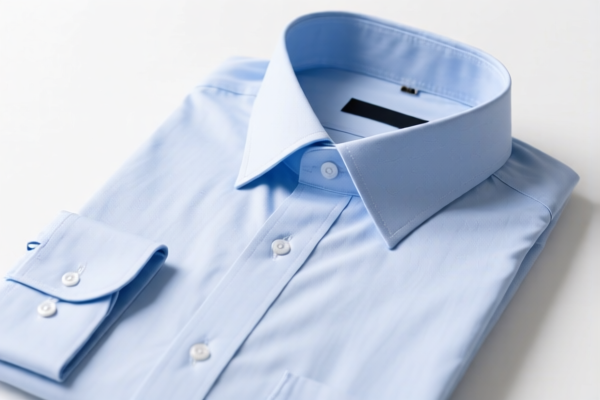
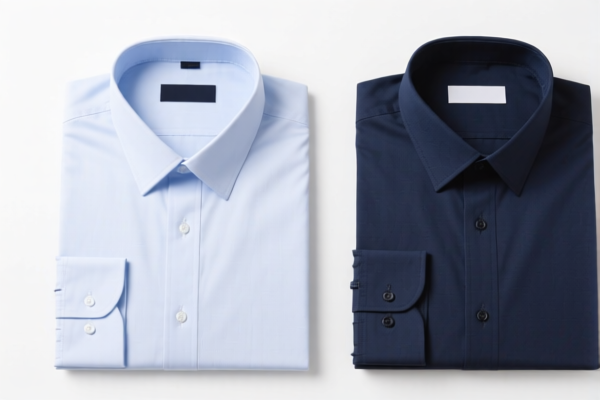
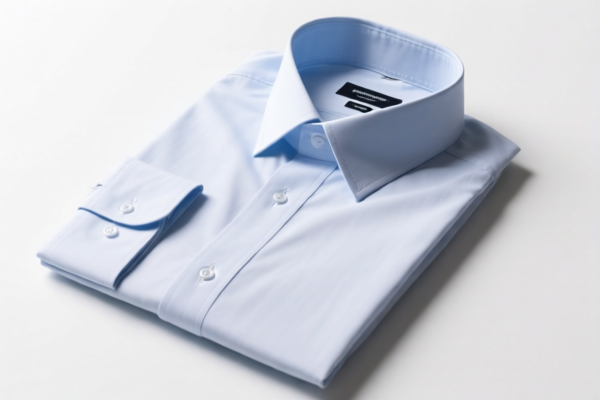
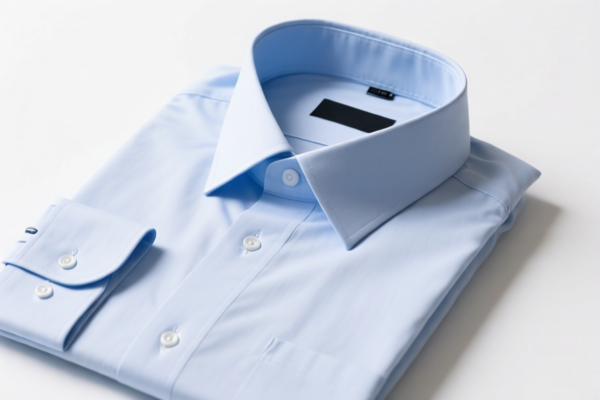
AI Analysis
👕 Team Shirt (Sport/Corporate Apparel)
🌐 HS Code Reference & Clearance Guide | 2026 Latest Tariff Analysis | Professional Customs Strategy
📌 I. Product Definition & Classification: Do You Really Understand "Team Shirts"?
A Team Shirt is a broad term covering garments designed for sports teams, corporate uniforms, or group activities. In international trade, the classification depends heavily on material composition and garment structure (Knitted vs. Woven). The data provided identifies three potential HS Codes, indicating that the specific material and construction method are critical for accurate declaration.
⚠️ Key Classification Distinctions:
- Knitted T-Shirts (General): If it’s a standard knit t-shirt without specific sports performance features, it may fall under 6109.90.10.07 or 6109.10.00.04.
- Knitted Sports Shirts: If it has specific "sportswear" attributes (e.g., moisture-wicking, specific cut for activity), it may fall under 6112.12.00.40.
- Material Matters: Cotton vs. Synthetic Fibers significantly impacts the base tariff rate.
📦 II. HS Code Classification Details (2026 Latest Tariff Alignment)
Based on the provided data, here is the breakdown for Team Shirts:
| HS Code | Product Description | Key Characteristics | Inferred Material/Type |
|---|---|---|---|
6109.90.10.07 |
T-shirts, singlets, and other vests, knitted or crocheted, of other textile materials | Matches Form (T-shirt) & Use (Team/Sport); Inferred as Other Textile Materials | Synthetic blends, polyester, rayon, etc. |
6109.10.00.04 |
T-shirts, singlets, and other vests, knitted or crocheted, of cotton | Matches Form & Use; Inferred as Cotton or Synthetic Fiber Knitted Garment | Cotton dominant, or cotton-blend |
6112.12.00.40 |
Tracksuits, ski-suits, and swimwear; knitted or crocheted: Of synthetic fibers: Other: Men's or boys' | Matches Use (Shirt) & Form (Knitted/Sportswear); Inferred as Synthetic/Cotton Sports Shirt | Sport-specific synthetic fabrics |
🔍 Critical Reminder:
- "Team Shirt" is not a standardized HS term. You must declare the specific material (e.g., "100% Polyester Knit T-Shirt" vs. "Cotton Sports Jersey").
- If the shirt has zippers, buttons, or woven collars, it might shift from Chapter 61 (Knitted) to Chapter 62 (Woven), but the data provided strictly points to Chapter 61 (Knitted).
- Ensure the product description clearly states "Knitted" to avoid misclassification as woven garments.
💰 III. 2026 Latest Tariff Rate Breakdown (Including Duties & Surcharges)
✅ Applicable Country: United States (US)
✅ Origin: China (CN)
✅ Effective Time: Current rates apply (including Section 122 and 301 tariffs)
🎯 1. 6109.90.10.07 – T-Shirts (Other Textile Materials)
| Item | Detail |
|---|---|
| Base Tariff | 32.0% |
| Section 301 Surcharge | 7.5% |
| Section 122 Tariff | 10% |
| Total Tariff | 49.5% |
| Tax Calculation | CIF Value × 49.5% |
| De Minimis Exemption | ❌ Not Eligible |
📌 Explanation:
- This code applies to t-shirts made of non-cotton, non-man-made fiber materials (e.g., wool, silk, or blended textiles not falling into other specific categories).
- High Tariff Alert: The 32% base rate is already high; adding the 7.5% Section 301 and 10% Section 122 results in a 49.5% total burden.
- Section 122: Often applied to specific textile imports to protect domestic manufacturing; ensure your product truly fits this category to avoid audits.
🎯 2. 6109.10.00.04 – T-Shirts (Of Cotton)
| Item | Detail |
|---|---|
| Base Tariff | 16.5% |
| Section 301 Surcharge | 7.5% |
| Section 122 Tariff | 10% |
| Total Tariff | 34.0% |
| Tax Calculation | CIF Value × 34.0% |
| De Minimis Exemption | ❌ Not Eligible |
📌 Explanation:
- This is the most common classification for cotton t-shirts.
- Cost Advantage: Compared to6109.90.10.07, the total tariff is 15.5% lower (34.0% vs. 49.5%) due to the lower base rate (16.5% vs. 32.0%).
- Material Verification: Ensure the product is >50% cotton by weight. If it’s 60% polyester/40% cotton, it falls under6109.90....
- Warning: Misdeclaring a synthetic shirt as cotton to save 15.5% is a major customs fraud risk.
🎯 3. 6112.12.00.40 – Sports Shirts (Synthetic Fiber)
| Item | Detail |
|---|---|
| Base Tariff | 28.2% |
| Section 301 Surcharge | 7.5% |
| Section 122 Tariff | 10% |
| Total Tariff | 45.7% |
| Tax Calculation | CIF Value × 45.7% |
| De Minimis Exemption | ❌ Not Eligible |
📌 Explanation:
- This code is for knitted sports shirts (not just casual t-shirts) made of synthetic fibers (polyester, nylon).
- Use Case: Ideal for moisture-wicking, breathable team jerseys with specific athletic cuts.
- Tariff Balance: Higher than cotton t-shirts (34.0%) but lower than "other textile" t-shirts (49.5%).
- Key Distinction: Must be classified as "Sportswear" (e.g., has specific functional features) rather than general apparel. If it’s a casual cotton t-shirt, do not use this code.
🛠️ IV. Clearance Practical Advice (Real-World Pitfall Guide)
✅ 1. Required Documentation (Non-Negotiable)
| Document | Required? | Notes |
|---|---|---|
| ✅ Commercial Invoice | ✔️ | Must clearly state: "Knitted T-Shirt," Material (Cotton/Synthetic), Use (Team/Sport). |
| ✅ Product Specification Sheet | ✔️ | Detail fiber composition (e.g., 100% Cotton, 100% Polyester). |
| ✅ Label Photos | ✔️ | Show care labels with fiber content. |
| ✅ Bill of Lading/Air Waybill | ✔️ | Standard shipping document. |
| ✅ Certificate of Origin | ✔️ | To prove CN origin for tariff calculation. |
✅ 2. Declaration Strategy (Key Tips)
🔥 "Material First, Form Second, Use Third!"
| Scenario | Correct Declaration | Wrong Declaration |
|---|---|---|
| 100% Cotton T-Shirt | 6109.10.00.04 Desc: "Cotton Knit T-Shirt" |
6109.90.10.07 → Overpay 15.5% |
| 100% Polyester Sports Jersey | 6112.12.00.40 Desc: "Synthetic Knit Sports Shirt" |
6109.10.00.04 → Misdeclaration Risk |
| Polyester/Cotton Blend | Depends on %: >50% Poly → 6109.90... >50% Cotton → 6109.10... |
Vague "Team Shirt" → Customs Hold |
| Woven Polo Shirt | Not in Data Set (Likely 6105/6106 or 6205) |
Using 61xx codes → 100% Rejection |
✅ 3. Special Cases & Risk Management
| Case | Handling Advice |
|---|---|
| Mixed Materials (e.g., Cotton/Poly) | Declare the principal fiber by weight. If 55% cotton, use 6109.10.00.04. |
| "Unisex" Team Shirts | Use the code based on material, not gender. The data implies men’s/boys’ for 6112, but 6109 is unisex. |
| Sublimation Printed Shirts | Still classified by base material (knit cotton/poly). Printing does not change HS code. |
| Section 122 Eligibility | Verify if your specific textile material qualifies for the 10% surcharge. Some special fabrics may be exempt. |
🌍 V. Global Market Comparison (2026)
| Market | Recommended HS Code | Tariff (China Origin) | Notes |
|---|---|---|---|
| 🇺🇸 USA | 6109.10.00.04 (Cotton) 6109.90.10.07 (Other) |
34.0% (Cotton) 49.5% (Other) |
Section 122 + 301 applies. High cost. |
| 🇪🇺 EU | 6109.10.00 6109.90.00 |
~0% - 12% | No Section 122/301. Standard MFN rates. |
| 🇨🇳 China | 6109.10.00 6109.90.00 |
~7% - 15% | Import duties only. No surcharges. |
| 🇲🇽 Mexico | 6109.10.00 6109.90.00 |
~0% (Under USMCA if rules met) | Check USMCA origin criteria. |
📌 Conclusion:
- USA is the most expensive market due to overlapping tariffs (Base + 301 + 122).
- Cotton t-shirts (6109.10.00.04) are the most cost-effective option for the US market among the three choices.
- Synthetic sports shirts (6112.12.00.40) are mid-range but require strict "sportswear" justification.
📌 VI. Common Mistakes & Pitfalls (Lessons Learned)
❌ Mistake 1: Declaring a polyester sports jersey as a cotton t-shirt to save 15.5%
👉 Consequence: Customs audit, penalties, and cargo seizure.
❌ Mistake 2: Using "Team Shirt" as the product name without material details
👉 Consequence: Customs cannot classify → 100% Inspection & Delay.
❌ Mistake 3: Ignoring Section 122
👉 Consequence: Underpayment of 10% tariff → Back taxes + Interest.
✅ Correct Practice:
"Knitted T-Shirt, 100% Cotton, White, Size M, For Sports Team Use"
→ Code:6109.10.00.04| Tariff: 34.0%
🎯 VII. Conclusion: Precision in Classification Saves Money!
🎯 Key Takeaways:
🔹 Cotton = Cheapest (
6109.10.00.04@ 34.0%)
🔹 Synthetic Sports = Mid (6112.12.00.40@ 45.7%)
🔹 Other Textiles = Most Expensive (6109.90.10.07@ 49.5%)
📌 Pro Tip:
If you have the flexibility, switching to 100% Cotton for standard team shirts can save you 11.5% - 15.5% in duties compared to other textiles or synthetic sports shirts.
For high-performance jerseys, accept the 45.7% rate but ensure the "Sportswear" description is robust to avoid reclassification.
📣 Immediate Action:
📞 Consult a Customs Broker for pre-classification of your specific fabric composition.
📄 Update Product Descriptions to include "Knitted" and "Material %".
📉 Optimize Material Choice if cost is the primary concern.
✨ Clearance Success Starts with Accurate Classification!
💼 Your Team Shirt’s Identity Defines Your Tax Liability!
Customer Reviews
About HS Code Classification
The Harmonized System (HS) is an internationally standardized nomenclature developed by the World Customs Organization (WCO) to classify traded products. Over 200 countries use the HS system as the basis for customs tariffs, trade statistics, and import/export regulations.
Each HS code follows a hierarchical structure:
- Chapter (2 digits) — Broad category of goods (e.g., Chapter 84: Machinery and Mechanical Appliances)
- Heading (4 digits) — More specific grouping within the chapter
- Subheading (6 digits) — Internationally standardized breakdown, used by all WCO member countries
- National subdivisions (8-10 digits) — Country-specific extensions for further classification, such as US HTSUS 10-digit codes
Correct HS code classification is essential for smooth customs clearance, accurate duty payment, and compliance with trade regulations. Misclassification can lead to customs delays, overpayment of duties, or penalties.
When importing from CN to US, the applicable tariff rates may include:
- Most-Favored-Nation (MFN) rate — The standard duty rate applied to WTO members
- General rate — Applied to countries without trade agreements
- Trade remedy duties — Additional tariffs such as Section 301 (anti-dumping), Section 232 (national security), or countervailing duties
The information provided on this page is for reference purposes only. For official classification, please consult with your local customs authority or a licensed customs broker.