telescopic pole
CN → US| HS Code | Tariff Rate | Origin | Destination | Doc |
|---|---|---|---|---|
| 8306290000 | 10.0% | CN | US | Official Doc |
| 8306300000 | 87.7% | CN | US | Official Doc |
| 7326190080 | 87.9% | CN | US | Official Doc |
| 7616995175 | 37.5% | CN | US | Official Doc |
| 7326908688 | 87.9% | CN | US | Official Doc |
Product Images
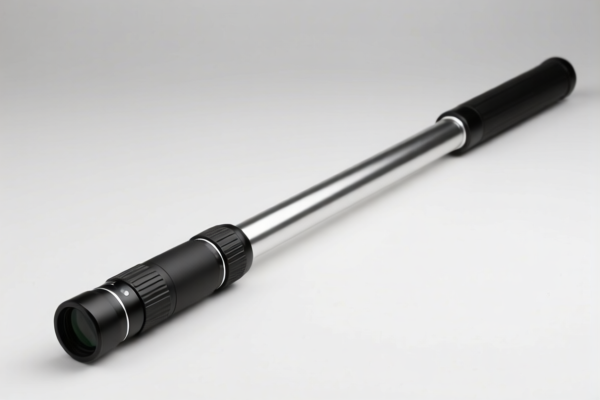
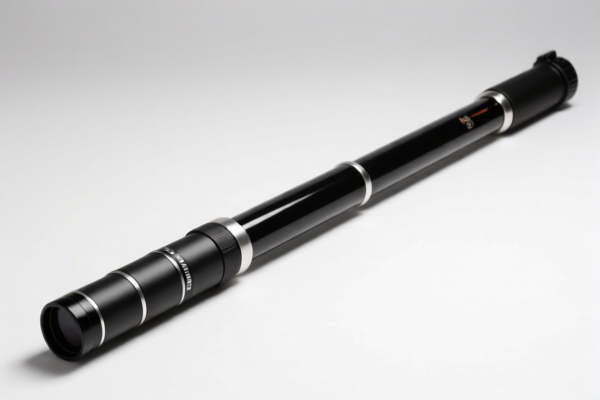
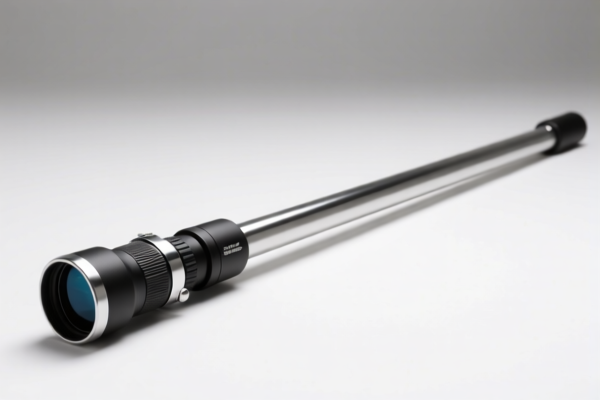
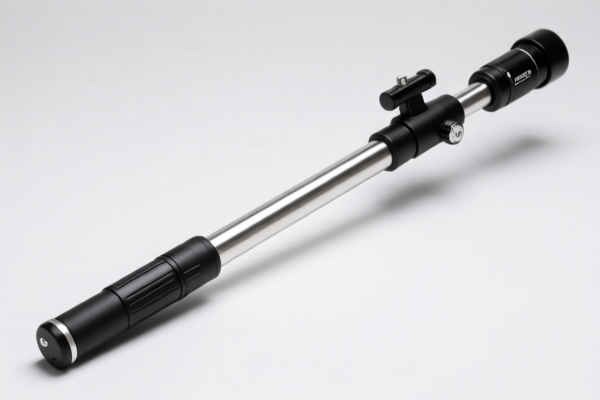
AI Analysis
🔭 Telescopic Pole (Alloy/Metal)
🌐 HS Code Reference & Customs Clearance Guide | 2026 Latest Tariff Breakdown | Strategic Compliance Strategy
📌 I. Product Definition & Classification: What is a "Telescopic Pole"?
A telescopic pole is an extendable rod mechanism, typically made of alloys (steel, aluminum, copper, or mixed base metals). In international trade, it is often used as: 1. Decorative Elements/Parts: As accessories for home decor, lighting, or furniture. 2. Functional Components: As parts of machinery, tools, or industrial equipment. 3. General Metal Articles: As unclassified metal rods or bars.
⚠️ Key Distinction Point:
- If primarily for decoration or as a part of a specific article (like a lamp or frame) → Often falls under Chapter 83.
- If it is a generic metal product (steel/aluminum rod) → Falls under Chapter 73 or 76.
- Critical Risk: US tariffs (Section 301 and Section 122) vary drastically based on whether it is classified as a "part" or a "basic metal product."
📦 II. HS Code Classification Details (Based on Provided Data)
The following HS Codes are derived directly from the provided dataset for Alloy Telescopic Poles.
| HS Code | Product Description (Summary) | Material/Shape | Total Tax Rate | Key Tax Components |
|---|---|---|---|---|
8306.29.00.00 |
Alloy telescopic pole; material is base metal; shape is decorative or parts of accessories | Alloy (Base Metal), Decorative/Parts | 10.0% | Base: 0%, Add: 0%, Sec 122: 10% |
8306.30.00.00 |
Alloy telescopic pole; material is metal; shape is parts/components | Alloy (Metal), Parts/Components | 87.7% | Base: 2.7%, Add: 25%, Sec 122: 10%, Steel/Al/Cu Add: 50% |
7326.19.00.80 |
Alloy telescopic pole; material is Steel; shape is stamped/processed metal products | Steel, Processed Article | 87.9% | Base: 2.9%, Add: 25%, Sec 122: 10%, Steel/Al/Cu Add: 50% |
7616.99.51.75 |
Alloy telescopic pole; contains Aluminum; shape is rod-like product | Aluminum Alloy, Rod | 37.5% | Base: 2.5%, Add: 25%, Sec 122: 10% |
7326.90.86.88 |
Alloy telescopic pole; material is Iron/Steel; shape is other unlisted articles | Iron/Steel, Other Articles | 87.9% | Base: 2.9%, Add: 25%, Sec 122: 10%, Steel/Al/Cu Add: 50% |
🔍 Analysis of Tax Discrepancy:
- Lowest Tax (10%):8306.29.00.00is the most favorable if the pole can be justified as a decorative item or part of a specific accessory under Chapter 83.
- Highest Tax (~87-88%):8306.30.00.00,7326.19.00.80, and7326.90.86.88incur massive penalties due to the "Steel, Aluminum, Copper Products Additional Tariff: 50%" clause combined with Section 301 (25%) and Section 122 (10%).
- Medium Tax (37.5%):7616.99.51.75(Aluminum) avoids the 50% surcharge but still faces the 25% + 10% additions.
💰 III. 2026 Latest Tariff Rate Breakdown (Detailed Clause Explanation)
✅ Context: Based on the provided data, these rates likely reflect US Import Regulations (Section 301, Section 122, and specific metal surcharges).
🎯 1. 8306.29.00.00 – The "Safe" Route (Decorative/Accessory Parts)
| Item | Detail |
|---|---|
| Base Tariff | 0.0% |
| Section 301 Add-on | 0.0% (Exempt or low priority) |
| Section 122 Tariff | 10% |
| Steel/Al/Cu Surcharge | 0% (Not applicable to this specific heading) |
| Total Effective Rate | 10.0% |
| Why so low? | Chapter 83 articles often have lower base rates. This code specifically captures "ornaments" or "parts of ornaments," avoiding the heavy "metal product" surcharges. |
🎯 2. 8306.30.00.00 – The "Trap" (General Metal Parts)
| Item | Detail |
|---|---|
| Base Tariff | 2.7% |
| Section 301 Add-on | 25.0% |
| Section 122 Tariff | 10.0% |
| Steel/Al/Cu Surcharge | 50.0% (Triggered for Steel/Aluminum/Copper) |
| Total Effective Rate | 87.7% |
| Why so high? | Although Chapter 83, this code is interpreted broadly for "parts," triggering the full metal surcharge chain. |
🎯 3. 7326.19.00.80 & 7326.90.86.88 – Steel Products (Heavy Penalty)
| Item | Detail |
|---|---|
| Base Tariff | 2.9% |
| Section 301 Add-on | 25.0% |
| Section 122 Tariff | 10.0% |
| Steel/Al/Cu Surcharge | 50.0% |
| Total Effective Rate | 87.9% |
Legal Path: USITC:7326.xxxx → FOOTNOTE:Steel_Surcharge |
📌 Explanation:
- Section 122 (10%): Likely refers to specific national security or emergency tariffs.
- Section 301 (25%): Standard trade war tariff on Chinese goods.
- 50% Metal Surcharge: A specific punitive tariff on Steel, Aluminum, and Copper products imported from certain countries. This is the killer clause that doubles your tax burden.
🎯 4. 7616.99.51.75 – Aluminum Products (Moderate Penalty)
| Item | Detail |
|---|---|
| Base Tariff | 2.5% |
| Section 301 Add-on | 25.0% |
| Section 122 Tariff | 10.0% |
| Steel/Al/Cu Surcharge | 0% (Note: The provided data does not list the 50% surcharge here, possibly due to specific exemption or HS code nuance) |
| Total Effective Rate | 37.5% |
| Why better than Steel? | It avoids the 50% surcharge mentioned in the data for this specific aluminum code. |
🛠️ IV. Customs Clearance Practical Advice
✅ 1. Classification Strategy: How to Lower Taxes?
| Goal | Strategy | Recommended HS Code | Potential Tax |
|---|---|---|---|
| Minimize Tax | Classify as Decorative/Ornamental | 8306.29.00.00 |
10% |
| Medium Tax | Classify as Aluminum Rod (if 50% surcharge exempt) | 7616.99.51.75 |
37.5% |
| Avoid High Tax | DO NOT classify as general Steel Parts or "Other Articles" | 7326.xxxx or 8306.30.00.00 |
~87% |
🔥 Critical Tip:
- If your telescopic pole is used for home decoration (e.g., curtain rods, lamp supports), argue for8306.29.00.00. Provide photos showing decorative intent.
- If it is a functional tool part (e.g., for a crane or industrial lift), you may be forced into7326or8306.30, facing 87% tax. Consider redesigning or sourcing aluminum parts if the 50% surcharge is avoidable for7616.
✅ 2. Documentation Requirements
| Document | Requirement | Purpose |
|---|---|---|
| Product Description | Must specify: "Alloy Telescopic Pole, Decorative Use" or "Industrial Component" | Determines HS Code eligibility |
| Material Declaration | Explicitly state % composition of Steel vs. Aluminum vs. Copper | Triggers/avoids 50% surcharge |
| Usage Statement | "Used for home decoration," "Part of lamp," "Not a standalone tool" | Supports 8306 classification |
| Photos | Show end-use context (e.g., pole installed in home vs. in factory) | Evidence for Customs Officer |
✅ 3. Red Flags & Pitfalls
❌ Mistake 1: Declaring a Steel Telescopic Pole as 8306.29.00.00 without decorative proof.
👉 Risk: Customs may reclassify to 7326.19.00.80 → Tax jumps from 10% to 87.9%.
❌ Mistake 2: Assuming all Aluminum poles are taxed at 37.5%.
👉 Check: Verify if 7616.99.51.75 truly excludes the 50% surcharge in your specific trade context. If not, it could be higher.
❌ Mistake 3: Ignoring Section 122.
👉 Note: Even 8306.29.00.00 has 10% tax. Ensure your profit margin can absorb this.
🌍 V. Global Market Comparison (General Insight)
| Market | Typical Tax on Metal Rods/Poles | Key Consideration |
|---|---|---|
| 🇺🇸 USA | 10% - 87.9% (As per data) | Heavy Section 301 & Metal Surcharges. Classification is critical. |
| 🇨🇳 China | ~5-10% | Lower base rates, but depends on import policy. |
| 🇪🇺 EU | ~3-5% | Often no additional political tariffs, but VAT applies. |
| 🇬🇧 UK | ~3-5% | Post-Brexit tariffs vary, but generally lower than US. |
📌 Conclusion:
The US market presents the highest risk due to layered tariffs. Classification as a decorative item (8306.29.00.00) is the only way to achieve a 10% rate. All other paths lead to >37% tax.
📌 VI. Common Errors & Avoidance Guide
❌ Error 1: Calling it a "Metal Bar" or "Steel Pipe."
👉 Result: Falls under Chapter 73 → 87.9% tax.
❌ Error 2: Saying "Part of a Machine" without specifying which machine.
👉 Result: May fall under 8306.30.00.00 → 87.7% tax.
❌ Error 3: Using Aluminum poles but declaring as Steel to avoid 50% surcharge.
👉 Result: Customs inspection finds Aluminum → Fine + Back Taxes + Penalty.
✅ Correct Action:
"Alloy Telescopic Pole, Decorative Finish, for Home Curtain/Rod Support System. Material: Zinc-Alloy. HS Code: 8306.29.00.00."
🎯 VII. Conclusion: Strategic Recommendation
🎯 Final Verdict:
- If you can market the pole as Decorative: Aim for 8306.29.00.00 (10% tax).
- If it is Industrial/Functional: Expect 37.5% (Aluminum) or 87.9% (Steel) tax.
- Cost-Benefit Analysis: For Steel poles, the 87.9% tax may make US export unviable unless value-added significantly. Consider Aluminum alternatives if the 37.5% rate is confirmed accurate for your specific sub-heading.
📣 Immediate Action Step:
- Photograph the pole in its intended decorative context.
- Consult a customs broker to validate
8306.29.00.00eligibility.- Avoid
7326and8306.30unless absolutely necessary.
✨ Smart Classification Saves Thousands!
💼 Don't let tariffs eat your profit – declare correctly!
Customer Reviews
About HS Code Classification
The Harmonized System (HS) is an internationally standardized nomenclature developed by the World Customs Organization (WCO) to classify traded products. Over 200 countries use the HS system as the basis for customs tariffs, trade statistics, and import/export regulations.
Each HS code follows a hierarchical structure:
- Chapter (2 digits) — Broad category of goods (e.g., Chapter 84: Machinery and Mechanical Appliances)
- Heading (4 digits) — More specific grouping within the chapter
- Subheading (6 digits) — Internationally standardized breakdown, used by all WCO member countries
- National subdivisions (8-10 digits) — Country-specific extensions for further classification, such as US HTSUS 10-digit codes
Correct HS code classification is essential for smooth customs clearance, accurate duty payment, and compliance with trade regulations. Misclassification can lead to customs delays, overpayment of duties, or penalties.
When importing from CN to US, the applicable tariff rates may include:
- Most-Favored-Nation (MFN) rate — The standard duty rate applied to WTO members
- General rate — Applied to countries without trade agreements
- Trade remedy duties — Additional tariffs such as Section 301 (anti-dumping), Section 232 (national security), or countervailing duties
The information provided on this page is for reference purposes only. For official classification, please consult with your local customs authority or a licensed customs broker.