tendon strips
CN → US| HS Code | Tariff Rate | Origin | Destination | Doc |
|---|---|---|---|---|
| 021099 | 0.0% | CN | US | Official Doc |
| 160250 | 0.0% | CN | US | Official Doc |
| 2106905850 | 22.3% | CN | US | Official Doc |
| 2106909998 | 16.4% | CN | US | Official Doc |
Product Images
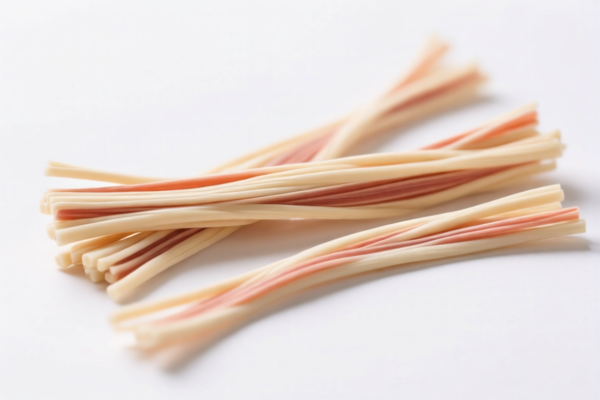
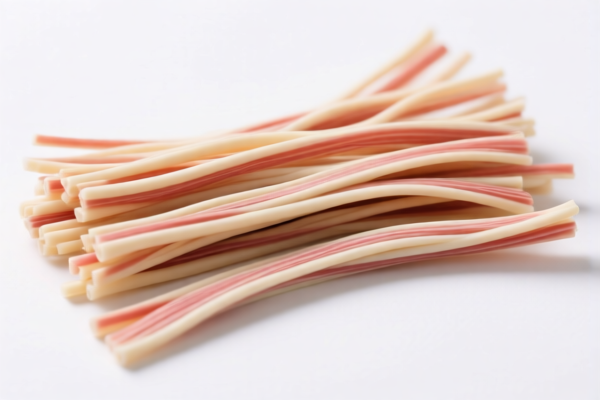
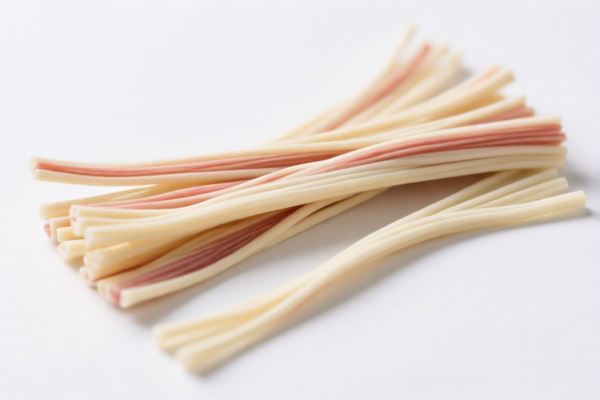
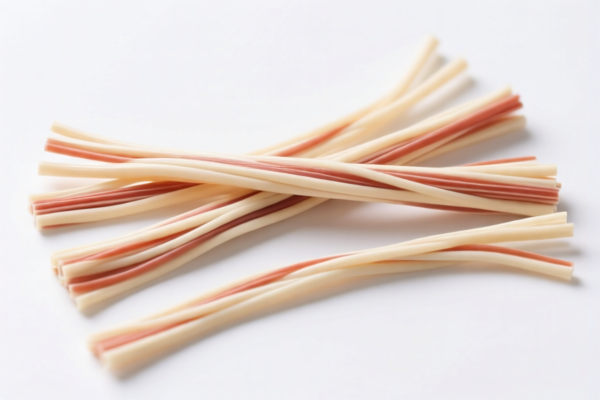
AI Analysis
🥩 Tendon Strips: The Hidden Culprit Behind High Duties & Clearance Pitfalls
🌐 HS Code Reference & Customs Guide | 2026 Latest Tariff Analysis | Professional Clearance Strategy
📌 I. Product Definition & Classification: What Are "Tendon Strips"?
Tendon strips are edible animal by-products, specifically the connective tissues from bovine (cattle), porcine (pig), or other livestock. In the culinary world, they are prized for their chewy texture and are often used in: * Jelly foods / Aspic (for elasticity) * Pet food treats (chewy strips) * Traditional medicines/supplements (collagen extraction) * Specialty dishes (e.g., Chinese cuisine "snout/tendon" dishes)
⚠️ Critical Distinction in Classification: The classification depends entirely on the processing method: 1. Salted, in Brine, Dried, or Smoked: Falls under Chapter 02 (Meat/Offal). 2. Further Processed/Prepared (e.g., cooked, seasoned, retail-packaged): Falls under Chapter 16 (Preparations).
📦 II. HS Code Classification Details (2026 Latest Tariff Alignment)
Based on the provided data, we analyze the four most relevant HS codes for Tendon Strips.
| HS Code | Product Description | Processing Status | Tax Status |
|---|---|---|---|
| 0210.99 | Meat and edible meat offal, salted, in brine, dried or smoked; Other | Primary Processing: Salted, dried, or smoked raw tendons. | ❌ Error: Failed to retrieve tax information |
| 1602.50 | Other prepared or preserved meat, meat offal or blood; of bovine animals | Secondary Processing: Cooked, seasoned, or retail-packaged beef tendons. | ❌ Error: Failed to retrieve tax information |
| 2106.90.58.50 | Food preparations not elsewhere specified or included: Of gelatin Put up for retail sale | Special Case: Tendon strips processed into retail gelatin products. | ✅ Total Tax: 12.3% (Base: 4.8%, Additional: 7.5%) |
| 2106.90.99.98 | Food preparations not elsewhere specified or included: Other | General Case: Other food preparations not specified (e.g., unseasoned dried snacks not fitting 1602.50). | ✅ Total Tax: 0.0% (Base: 0.0%, Additional: 0.0%) |
🔍 Key Insight: - If your tendon strips are raw, salted, or dried, they likely fall under 0210.99. Warning: Tax info is missing in the database, requiring manual verification. - If they are cooked beef tendons (bovine), they fall under 1602.50. Warning: Tax info is missing, requiring manual verification. - If they are gelatin-based retail products, use 2106.90.58.50 (12.3% tax). - If they are other food preparations not fitting above, use 2106.90.99.98 (0% tax).
💰 III. 2026 Latest Tariff Rate Breakdown
🎯 1. 0210.99 & 1602.50 — Raw/Salted & Prepared Beef Tendon Strips
| Item | Content |
|---|---|
| Product Type | Edible meat offal (Tendons) |
| HS Code | 0210.99 (Salted/Dried) or 1602.50 (Prepared Bovine) |
| Tax Status | ⚠️ Error: Failed to retrieve |
| Action Required | Must manually verify with customs broker or local authority. Typical rates for Chapter 02/16 beef offal range from 0%–10% base, but Section 301 tariffs (7.5%–25%) may apply if from China to US. |
📌 Explanation: - The database returns "Error" for these codes. This is common for niche offal products. - Risk: Misclassification can lead to back taxes + penalties. - Recommendation: Do not assume 0%. Assume there is a base duty (often 2.5–5%) and potential additional tariffs.
🎯 2. 2106.90.58.50 — Gelatin-Based Tendon Products (Retail)
| Item | Content |
|---|---|
| Base Tariff | 4.8% (Ad Valorem) |
| Additional Tariff | 7.5% (Likely Section 301 for China-origin goods) |
| Total Tax | 12.3% |
| Calculation | CIF Value × 12.3% |
| Eligibility for De Minimis | ❌ Unlikely (Food preparations often excluded) |
| Legal Basis | HTSUS 2106.90.58.50 + Footnotes |
📌 Note: - This code applies only if the product is put up for retail sale and of gelatin. - The 7.5% additional tariff suggests this is for China-origin goods entering the US.
🎯 3. 2106.90.99.98 — Other Food Preparations
| Item | Content |
|---|---|
| Base Tariff | 0.0% |
| Additional Tariff | 0.0% |
| Total Tax | 0.0% |
| Calculation | CIF Value × 0% |
| Eligibility for De Minimis | ✅ Likely Eligible (if under $800 threshold) |
📌 Note: - This is a catch-all for food preparations not elsewhere specified. - Use only if the product does not fit 1602.50 (bovine prepared) or 2106.90.58.50 (gelatin retail).
🛠️ IV. Customs Clearance Practical Advice
✅ 1. Preparation Checklist (Do Not Miss These!)
| Document | Required? | Explanation |
|---|---|---|
| Product Specification Sheet | ✔️ | Must detail: Source animal (bovine/porcine), processing method (salted/cooked/dried), packaging. |
| Certificate of Origin (CO) | ✔️ | Critical for determining additional tariffs (e.g., Section 301 for China). |
| Health/Sanitary Certificate | ✔️ | Required for all meat/offal products (Chapter 02/16). Issued by origin country’s agricultural authority. |
| Commercial Invoice | ✔️ | Must clearly state: "Edible Animal Tendon Strips," HS Code, CIF Value. |
| Packaging Photos | ✔️ | Show retail packaging if using 2106.90.58.50. |
| Third-Party Lab Report | ✔️ | For gelatin content proof (if claiming 2106.90.58.50). |
✅ 2. Declaration Tips (Key Mantras)
🔥 "Process Determines Code: Salted = 02, Cooked = 16, Gelatin = 21, Other = 2106.99"
| Scenario | Correct HS Code | Incorrect Code | Risk |
|---|---|---|---|
| Raw, salted, dried beef tendons | 0210.99 |
1602.50 |
Misclassification penalty |
| Cooked, seasoned beef tendons (retail) | 1602.50 |
0210.99 |
Over/underpayment |
| Retail gelatin strips from tendons | 2106.90.58.50 |
2106.90.99.98 |
Paying 12.3% vs 0% incorrectly |
| Other non-gelatin, non-bovine prep | 2106.90.99.98 |
1602.50 |
Unjustified 0% tax |
✅ 3. Special Case Handling
| Situation | Advice |
|---|---|
| China-Origin Goods | Assume 7.5% additional tariff for Chapter 21 items (2106.90.58.50). For 0210/1602, verify if Section 301 applies (likely 25%). |
| De Minimis (Section 321) | 0210.99 and 1602.50 are excluded from de minimis. Must file formal entry. 2106.90.99.98 may qualify if under $800. |
| Mixed Shipments | Do not mix 0210 and 1602 in one line item. Declare separately to avoid confusion. |
| Pet Food vs. Human Food | If for pets, HS codes change (Chapter 23). If for human consumption, use above codes. Clearly state "For Human Consumption" on invoice. |
🌍 V. Global Market Comparison (2026)
| Country/Region | Recommended HS Code | Estimated Tax | Notes |
|---|---|---|---|
| 🇺🇸 USA | 0210.99 / 1602.50 |
⚠️ Verify | Likely high duties + Section 301. Gelatin (2106.90.58.50) = 12.3%. |
| 🇨🇳 China | 0210.99 / 1602.50 |
~5–10% | Import duties on meat offal. No additional Section 301. |
| 🇪🇺 EU | 0210.99 / 1602.50 |
~5–15% | Strict sanitary controls. Requires health certificate. |
| 🇯🇵 Japan | 0210.99 / 1602.50 |
~5–10% | Requires animal health certificate. |
📌 Conclusion: - USA: Highest risk due to Section 301 and tax retrieval errors. Manual verification is mandatory. - EU/Japan: Focus on sanitary certificates. Tariffs are moderate but compliance is strict.
📌 VI. Common Mistakes & Pitfalls (Lessons Learned)
❌ Mistake 1: Assuming 0210.99 has 0% tax because it's "offal."
👉 Result: Misclassification. Offal often has higher duties than muscle meat. Always verify.
❌ Mistake 2: Classifying cooked tendon strips as 2106.90.99.98 (0%) instead of 1602.50 (unknown).
👉 Result: If they are bovine, they must be 1602.50. Misclassification leads to back taxes + penalties.
❌ Mistake 3: Ignoring the "Gelatin" aspect.
👉 Result: If the product is gelatin-based and retail, it must be 2106.90.58.50 (12.3%). Declaring as 0% is fraudulent.
❌ Mistake 4: Not providing a Health Certificate for Chapter 02/16 goods.
👉 Result: Seizure or Return of goods. No exceptions.
✅ Correct Declaration Example:
"Edible Bovine Tendon Strips, Salted and Dried, For Human Consumption, HS Code 0210.99.90.00, Origin: China, No De Minimis Eligible"
🎯 VII. Conclusion: Precision Saves Money!
🎯 Remember:
🔹 "Salted = 02, Cooked = 16, Gelatin = 21.05, Other = 21.99"
🔹 "Tax Error? Verify Manually. Don’t Guess!"
🔹 "Health Cert is King for Meat Offal!"
📌 Pro Tip:
Since 0210.99 and 1602.50 show "Error" in the tax data, do not rely on automated tools.
👉 Action Step:
1. Get a Binding Tariff Information (BTI) ruling from your customs authority.
2. Consult a licensed customs broker for Section 301 applicability.
3. For gelatin products, certify gelatin content to qualify for 2106.90.58.50 (12.3%) if cheaper than misclassified alternatives.
📣 Take Action Now:
📞 Contact your customs broker with the Product Spec Sheet and Origin Proof.
🚀 Avoid Clearance Delays, Seizures, and Surprises!
✨ Expert Clearance Starts with Accurate Classification!
💼 Your Profit Margin Depends on This Details!
Customer Reviews
About HS Code Classification
The Harmonized System (HS) is an internationally standardized nomenclature developed by the World Customs Organization (WCO) to classify traded products. Over 200 countries use the HS system as the basis for customs tariffs, trade statistics, and import/export regulations.
Each HS code follows a hierarchical structure:
- Chapter (2 digits) — Broad category of goods (e.g., Chapter 84: Machinery and Mechanical Appliances)
- Heading (4 digits) — More specific grouping within the chapter
- Subheading (6 digits) — Internationally standardized breakdown, used by all WCO member countries
- National subdivisions (8-10 digits) — Country-specific extensions for further classification, such as US HTSUS 10-digit codes
Correct HS code classification is essential for smooth customs clearance, accurate duty payment, and compliance with trade regulations. Misclassification can lead to customs delays, overpayment of duties, or penalties.
When importing from CN to US, the applicable tariff rates may include:
- Most-Favored-Nation (MFN) rate — The standard duty rate applied to WTO members
- General rate — Applied to countries without trade agreements
- Trade remedy duties — Additional tariffs such as Section 301 (anti-dumping), Section 232 (national security), or countervailing duties
The information provided on this page is for reference purposes only. For official classification, please consult with your local customs authority or a licensed customs broker.