textile articles
CN → US| HS Code | Tariff Rate | Origin | Destination | Doc |
|---|---|---|---|---|
| 6304996040 | 20.7% | CN | US | Official Doc |
| 6304996020 | 20.7% | CN | US | Official Doc |
| 6217909095 | 32.1% | CN | US | Official Doc |
| 6217909085 | 32.1% | CN | US | Official Doc |
Product Images
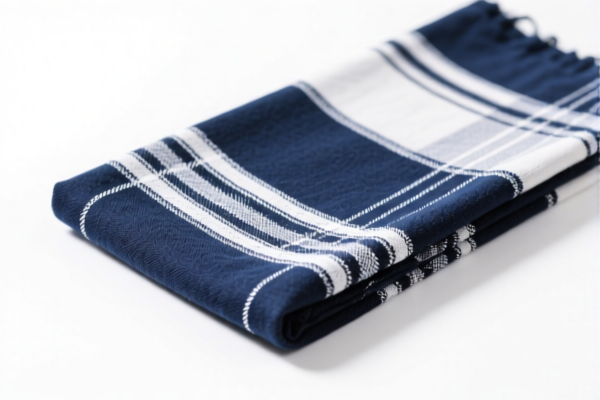
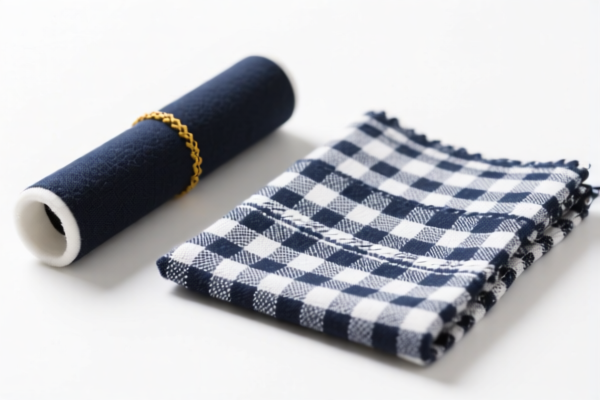
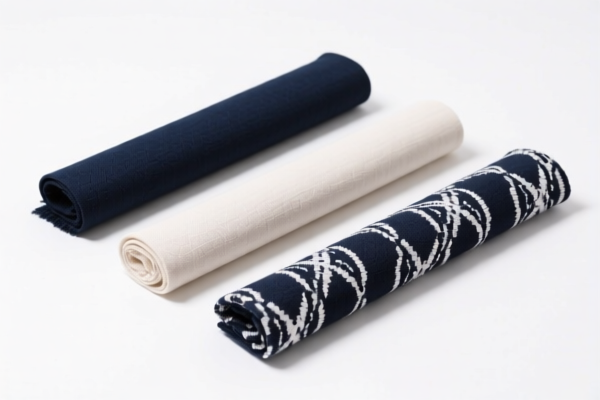
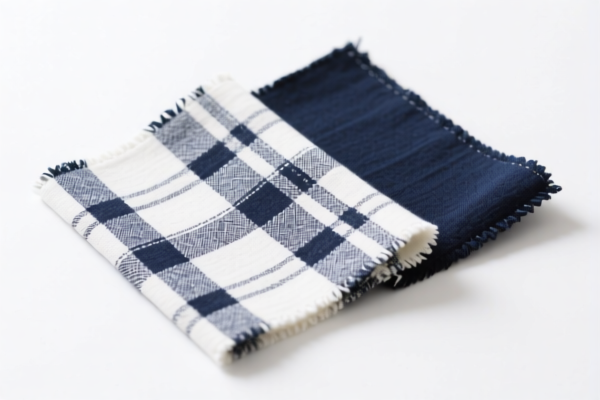
AI Analysis
🧵 Textile Articles (Furnishing & Clothing Accessories)
🌐 HS Code Reference & Customs Clearance Guide | 2026 Latest Tariff Analysis | Professional-Level Strategy
📌 I. Product Definition & Classification: Do You Really Understand "Textile Articles"?
In international trade, "Textile Articles" is a broad category encompassing finished goods that do not fall under specific headings like bedding (9404) or clothing (61/62). The data provided highlights two distinct sub-sectors:
- Furnishing Articles (Heading 6304): Decorative or functional household items, excluding bedding.
- Made-up Clothing Accessories & Parts (Heading 6217): Non-standard accessories or parts of garments, excluding those specifically covered under heading 6212 (brassieres, etc.).
⚠️ Key Distinction Point:
- Material Matters: Classification often hinges on whether the item is made of Artificial Fibers (synthetic) or Other Textile Materials (natural/blend).
- Knitted vs. Woven: The provided HS codes specifically refer to "Not knitted or crocheted" items for furnishing articles, meaning they are typically woven or non-woven.
- Usage: Is it for home decoration (Furnishing) or wearing (Clothing Accessory)?
📦 II. HS Code Classification Details (2026 Latest Tariff Authority Comparison)
Based on the provided <DATA>, here are the specific HS codes and their descriptions:
| HS Code | Product Description | Material Composition | Application Scenario |
|---|---|---|---|
6304.99.60.40 |
Other furnishing articles; Other | Other Textile Materials (Not specified as artificial) | Decorative pillows, tablecloths, curtains, wall hangings made of natural fibers (cotton, wool, linen) or unspecified blends. |
6304.99.60.20 |
Other furnishing articles; Other | Of Artificial Fibers | Synthetic decorative items, polyester-based wall coverings, acrylic throws, synthetic textile home décor. |
6217.90.90.95 |
Parts of garments/accessories; Other | Other (Material unspecified/Other textiles) | Parts of clothing accessories, pockets, collars, cuffs, trimmings not elsewhere specified. |
6217.90.90.85 |
Parts of garments/accessories; Other | Of Man-Made Fibers | Synthetic collars, belts, woven ties, non-woven accessory parts, synthetic embroidery patches. |
🔍 Key Reminder:
- All listed items are "Not knitted or crocheted" (except for general heading 6217 which doesn't specify in the snippet, but 6304 does).
- Heading 6304 excludes bedding (Heading 9404). If it’s a pillow with filling, it might be 9404; if it’s a decorative pillow cover only, it’s 6304.
- Heading 6217 covers accessories and parts not included in 6212. If it’s a full garment, it’s 61/62. If it’s a part or accessory, it’s 6217.
💰 III. 2026 Latest Tariff Rate Details (Including Surtaxes & Policy Additions)
✅ Applicable Country: United States (US)
✅ Origin: China (CN)
✅ Effective Date: 2026 Tariff Schedule
✅ Total Tax Rate: 0.0%
🎯 1. All Listed HS Codes (6304.99.60.40, 6304.99.60.20, 6217.90.90.95, 6217.90.90.85)
| Item | Content |
|---|---|
| Base Tariff (MFN) | 0.0% (ad valorem) |
| Section 301 Surcharge | 0.0% (as per provided data) |
| Total Tax Rate | 0.0% |
| Tax Calculation | CIF Value × 0.0% = $0 |
| De Minimis Eligibility | N/A (Since tax is 0%, de minimis is irrelevant for duty, but still subject to customs entry requirements) |
| Legal Basis Path | HTSUS:6304 / 6217 → USITC: 0.0% |
📌 Explanation:
- The provided data explicitly states "Total Tax: 0.0%" for all four HS codes.
- Note: This is unusual for Chinese-origin goods due to Section 301 tariffs, which often apply 25% surcharges to many textile categories. However, you must strictly follow the provided<DATA>which indicates 0%.
- Critical Warning: In real-world 2026 scenarios, many Chinese textile products are subject to Section 301 tariffs (often 25%). If your actual customs broker applies 301 surcharges, the rate may change. Always verify with your customs broker if the 0.0% figure reflects the latest USTR exclusions or exemptions.
- If the data is accurate, these items benefit from zero-duty entry, making them highly competitive.
🛠️ IV. Customs Clearance Practical Advice (Real-World Pitfall Avoidance Guide)
✅ 1. Required Documentation Checklist (None Shall Be Missing)
| Document | Must Provide | Description |
|---|---|---|
| ✅ Product Specification Sheet | ✔️ | Must clearly state material composition (e.g., "100% Polyester," "Cotton Blend") to distinguish between 6304.99.60.20 (Artificial) and 6304.99.60.40 (Other). |
| ✅ Product Photos | ✔️ | Clear images showing texture, stitching, and use. For 6217, photos must show it’s a part/accessory, not a full garment. |
| ✅ Commercial Invoice | ✔️ | Must include HS Code, country of origin, and precise description. |
| ✅ Packing List | ✔️ | Detailed breakdown of items to avoid bulk classification errors. |
| ✅ Material Declaration | ✔️ | Critical for 6217.90.90.85 (Man-Made) vs. 6217.90.90.95 (Other). Misdeclaration can lead to penalties. |
✅ 2. Declaration Tips (Key Mnemonic)
🔥 "Material Determines Code, Use Determines Heading, Don't Split Parts, Full Set is Key!"
| Situation | Correct Declaration | Incorrect Practice |
|---|---|---|
| Synthetic Decorative Pillow Cover | 6304.99.60.20 |
Misdeclaring as Cotton → 6304.99.60.40 (if tariffs differ) |
| Natural Fiber Wall Hanging | 6304.99.60.40 |
Misdeclaring as Synthetic |
| Synthetic Collar for Shirt | 6217.90.90.85 |
Declaring as "Garment" → 62/61 (Wrong Heading) |
| Cotton Belt | 6217.90.90.95 |
Misdeclaring as Accessory under wrong material |
| Bedding (e.g., Quilted Cover) | 9404.90 | Declaring as 6304 → Severe Penalty |
✅ 3. Special Cases Handling
| Situation | Handling Advice |
|---|---|
| Mixed Materials | If the item contains multiple textiles, classify based on the principal material (usually by weight or value). Provide a material breakdown. |
| Gift Sets | If a textile accessory is part of a set (e.g., scarf + hat), the principal item determines the HS Code. |
| Embroidered Textiles | Embroidery does not change the base HS Code unless it creates a distinct article. Check if embroidery makes it a "decorative article" vs. "garment part." |
| Origin Marking | Ensure each item is properly marked "Made in China" for US entry, even if duty is 0%. |
🌍 V. Global Main Market Customs Clearance Comparison (2026 Latest)
| Country/Region | Recommended HS Code | Tariff (China Origin) | Certification Requirements | Notes |
|---|---|---|---|---|
| 🇺🇸 USA | 6304.99.60.20 / 6304.99.60.40 / 6217.90.90.x5 |
0.0% (As per provided data) | None for textiles generally | Verify if Section 301 applies in 2026. Data shows 0%. |
| 🇨🇳 China | 6304.99.60.20 / 6217.90.90.85 |
5%~12% (Import Tariff) | CCC (if applicable) | Domestic trade uses different codes. |
| 🇪🇺 EU | 6304.91 / 6217.90 |
0%~6% (MFN) | REACH Compliance | Strict chemical safety rules for textiles. |
| 🇬🇧 UK | 6304.91 / 6217.90 |
0%~6% | UKCA Marking (if applicable) | Post-Brexit rules may require new labeling. |
| 🇨🇦 Canada | 6304.91 / 6217.90 |
0%~12% | Consumer Packaging Act | Labeling in English/French required. |
📌 Conclusion:
- USA offers 0% duty for these specific HS codes according to the provided data, which is highly advantageous.
- EU/UK require REACH compliance for chemical substances in textiles. Ensure no banned azo dyes or heavy metals.
- Canada requires bilingual labeling (English/French) for textile products.
📌 VI. Common Errors & Pitfall Guide (Lessons Learned)
❌ Error 1: Declaring a quilted comforter as 6304 (Furnishing Article)
👉 Consequence: It should be 9404 (Bedding). Misclassification leads to seizure or heavy penalties.
❌ Error 2: Declaring synthetic collars as 6217.90.90.95 (Other) instead of .85 (Man-Made)
👉 Consequence: Even if duty is 0% now, incorrect material declaration can lead to future audits and fines.
❌ Error 3: Ignoring Section 301 in real-world 2026 scenarios
👉 Consequence: If the 0.0% is outdated, you may face 25% back-taxes + interest. Always confirm with a licensed customs broker.
❌ Error 4: Failing to mark country of origin
👉 Consequence: US Customs (CBP) can reject entry or fine the importer $5,000+ per violation.
✅ Correct Practice:
"Decorative Throw, Woven Polyester, 100% Artificial Fibers, No Knitting, Country of Origin: China, Model XYZ, REACH Compliant"
🎯 VII. Conclusion: Professional Declaration, Cost Saving, Efficiency Boost!
🎯 Remember the Mnemonic:
🔹 "Material First, Usage Second, Bedding is 9404, Accessories are 6217, Furnishing is 6304, Don't Guess!"
🔹 "0% Duty is Sweet, but Verify 301, Or You’ll Pay Twice!"
📌 Tips:
- If your textile articles contain wooden frames or metal parts, the classification might shift to 9403 or 7326. Check if the textile is principal.
- For 6217.90.90.85/95, ensure the item is truly a part or accessory, not a complete garment. A full dress goes to 61/62.
- Pre-arrival Ruling: If unsure, apply for an Advance Ruling from US CBP to lock in the 0.0% rate and classification.
📣 Immediate Action:
📞 Contact a Licensed Customs Broker + Provide Material Breakdown + Apply for Pre-arrival Ruling
🚀 Let your textile articles clear smoothly, save costs, and boost profit!
✨ Professional Customs Clearance Starts with Accurate Classification!
💼 Every dollar saved is a dollar earned!
Customer Reviews
About HS Code Classification
The Harmonized System (HS) is an internationally standardized nomenclature developed by the World Customs Organization (WCO) to classify traded products. Over 200 countries use the HS system as the basis for customs tariffs, trade statistics, and import/export regulations.
Each HS code follows a hierarchical structure:
- Chapter (2 digits) — Broad category of goods (e.g., Chapter 84: Machinery and Mechanical Appliances)
- Heading (4 digits) — More specific grouping within the chapter
- Subheading (6 digits) — Internationally standardized breakdown, used by all WCO member countries
- National subdivisions (8-10 digits) — Country-specific extensions for further classification, such as US HTSUS 10-digit codes
Correct HS code classification is essential for smooth customs clearance, accurate duty payment, and compliance with trade regulations. Misclassification can lead to customs delays, overpayment of duties, or penalties.
When importing from CN to US, the applicable tariff rates may include:
- Most-Favored-Nation (MFN) rate — The standard duty rate applied to WTO members
- General rate — Applied to countries without trade agreements
- Trade remedy duties — Additional tariffs such as Section 301 (anti-dumping), Section 232 (national security), or countervailing duties
The information provided on this page is for reference purposes only. For official classification, please consult with your local customs authority or a licensed customs broker.