textile composite plastic board for automotive interior
CN → US| HS Code | Tariff Rate | Origin | Destination | Doc |
|---|---|---|---|---|
| 3920598000 | 41.5% | CN | US | Official Doc |
| 3926301000 | 24.0% | CN | US | Official Doc |
| 8708295110 | 0.0% | CN | US | Official Doc |
| 3926305000 | 22.8% | CN | US | Official Doc |
| 3920515090 | 41.5% | CN | US | Official Doc |
Product Images
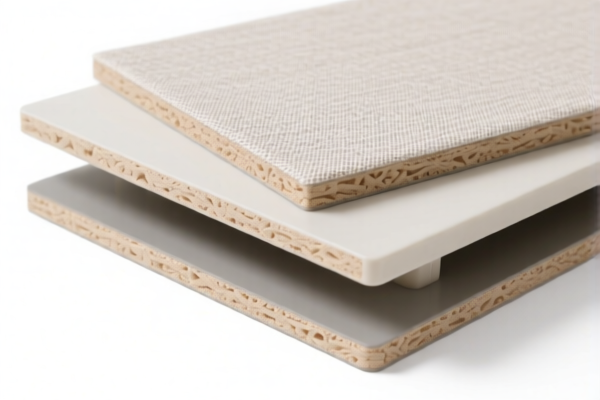
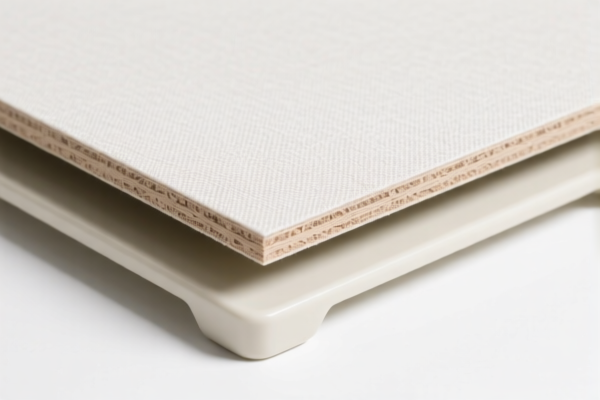
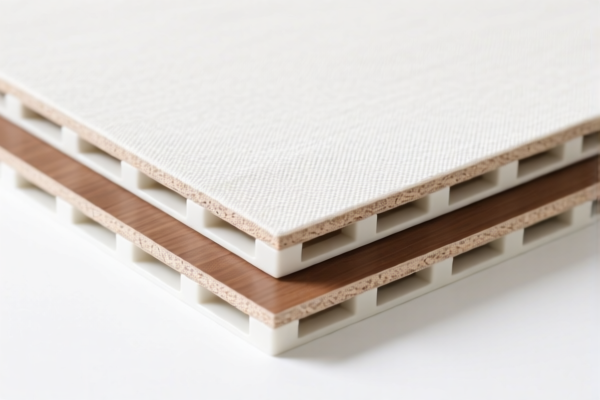
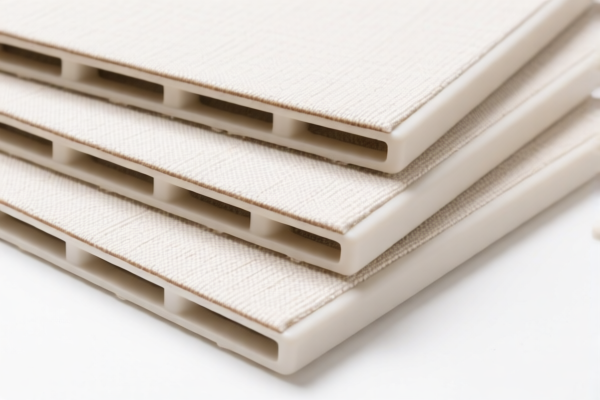
AI Analysis
🚗 Acrylic Plastic Car Interior Panels (Acrylic Plastic Composite)
🌐 HS Code Reference & Customs Clearance Guide | 2026 Latest Tariff Analysis | Professional Clearance Strategy
📌 1. Product Definition: Do You Really Understand "Acrylic Plastic Interior Panels"?
In the international automotive trade, "Acrylic Plastic Car Interior Panels" refer to decorative or structural components made primarily from Acrylic (Polymethyl Methacrylate, PMMA) or similar polymer composites. Their classification depends heavily on material composition, physical form (foam vs. non-foam, reinforced vs. non-reinforced), and specific application (interior trim vs. structural body part).
International customs authorities distinguish between these panels based on: * Material Form: Are they solid boards, sheets, films, or foams? * Reinforcement: Are they reinforced with other materials (like fiberglass)? * Function: Are they generic plastic articles or specific automotive body parts?
⚠️ Key Distinction Point: * If it is a generic plastic board/sheet (PMMA) without specific automotive structural attachment →归类 to Chapter 39 (Plastics and Articles Thereof). * If it is classified as a specific automotive body part regardless of material →归类 to Chapter 87 (Vehicles).
📦 2. HS Code Classification Details (Latest Tariff Authoritative Comparison)
| HS Code | Product Description | Application Scenario | Material/Form Details |
|---|---|---|---|
3920.59.80.00 |
Acrylic Plastic Interior Panel (Non-foam, Unreinforced) | Generic acrylic boards, decorative trim strips, non-structural interior covers. | Material: Acrylic polymer. Form: Board/Sheet. Non-foam, Unreinforced. |
3926.30.10.00 |
Plastic Articles for Vehicles (Interior Trim) | General plastic automotive accessories, interior fittings, non-specific body parts. | Material: Plastic articles. Use: Vehicle body equipment or interior panels. |
8708.29.51.10 |
Automotive Body Parts (Acrylic Composite) | Specific automotive body components and accessories. | Material: Complies with automotive body parts attributes. Use: Other body parts/accessories. |
3926.30.50.00 |
Other Plastic Articles for Vehicles (Connectors/Fittings) | Vehicle fittings, connectors, or general plastic body components not covered elsewhere. | Material: Plastic articles. Use: Vehicle fittings or connectors. |
3920.51.50.90 |
PMMA Sheets/Boards/Films (General Category) | Generic PMMA sheets, films, or boards used in various industries, including auto. | Material: Polymethyl methacrylate (PMMA). Form: Boards, Sheets, Films. |
🔍 Key Reminder: * Chapter 39 (Plastics) is the most common classification for "Acrylic Boards" unless they are explicitly defined as structural automotive parts. * Chapter 87 (Vehicles) applies only if the panel is deemed a specific "body part" under automotive regulations. * "Acrylic" typically falls under 3920 (Plastics in primary forms/semi-manufactured) or 3926 (Other plastic articles).
💰 3. 2026 Latest Tariff Rate Breakdown (Including Additional Taxes & Policy Surcharges)
✅ Applicable Country: USA (US) ✅ Origin: China (CN) ✅ Effective Time: 2025/2026 (Current Tariff Regime)
🎯 1. 3920.59.80.00 & 3920.51.50.90 —— Acrylic Plastic Boards/Sheets (Non-foam, Unreinforced)
| Item | Content |
|---|---|
| Basic Tariff | 6.5% (Ad Valorem) |
| Section 301 Tariff (USITC) | +25.0% (On Chinese-origin plastic articles) |
| Section 122 Tariff (IEEPA) | +10.0% (Specific surcharge on certain plastics/chemicals) |
| Total Tariff Rate | 41.5% |
| Tax Calculation | CIF Value × 41.5% |
| De Minimis Exemption | ❌ Not Eligible (High tariffs block de minimis) |
| Legal Basis | USITC:3920.59.80.00 → Section 301: 65% → Section 122: 10% |
📌 Explanation: * These codes represent general acrylic plastic boards. * The 25% Section 301 is the major hurdle for Chinese plastic imports. * The 10% Section 122 is an additional surcharge. * Total 41.5% is very high. Clearing requires precise declaration to avoid misclassification penalties.
🎯 2. 3926.30.10.00 —— Plastic Articles for Vehicles (Interior Trim)
| Item | Content |
|---|---|
| Basic Tariff | 6.5% |
| Section 301 Tariff (USITC) | +7.5% |
| Section 122 Tariff (IEEPA) | +10.0% |
| Total Tariff Rate | 24.0% |
| Tax Calculation | CIF Value × 24.0% |
| De Minimis Exemption | ❌ Not Eligible |
| Legal Basis | USITC:3926.30.10.00 → Section 301 → Section 122 |
📌 Explanation: * This code is for plastic articles specifically identified as vehicle accessories/trim. * The Section 301 rate is lower (7.5%) compared to general plastic boards (25%), offering a significant cost saving. * Strategy: If the panel can be justified as an "article for vehicles" rather than a raw "plastic board," this code is preferred.
🎯 3. 8708.29.51.10 —— Automotive Body Parts (Acrylic Composite)
| Item | Content |
|---|---|
| Basic Tariff | 2.5% |
| Section 301 Tariff (USITC) | +25.0% |
| Section 122 Tariff (IEEPA) | +10.0% |
| Total Tariff Rate | 37.5% (2.5% + 25% + 10%) |
| Tax Calculation | CIF Value × 37.5% |
| De Minimis Exemption | ❌ Not Eligible |
| Legal Basis | USITC:8708.29.51.10 → Section 301 → Section 122 |
📌 Explanation: * This code classifies the item as a specific automotive body part. * While the basic tariff is low (2.5%), the Section 301 surcharge is 25%. * Total 37.5% is lower than general plastic boards (41.5%) but higher than vehicle accessories (24%). * Risk: Misclassification here is risky. If it's not a certified "body part," customs may reclassify it to Chapter 39.
🎯 4. 3926.30.50.00 —— Other Plastic Articles for Vehicles (Connectors/Fittings)
| Item | Content |
|---|---|
| Basic Tariff | 5.3% |
| Section 301 Tariff (USITC) | +7.5% |
| Section 122 Tariff (IEEPA) | +10.0% |
| Total Tariff Rate | 22.8% |
| Tax Calculation | CIF Value × 22.8% |
| De Minimis Exemption | ❌ Not Eligible |
| Legal Basis | USITC:3926.30.50.00 → Section 301 → Section 122 |
📌 Explanation: * This is a catch-all for vehicle plastic articles not specified elsewhere (e.g., connectors, fittings). * Lowest Total Rate: 22.8%. * Caution: Only use if the panel can be defined as a "fitting" or "connector" rather than a main panel. Misclassification can lead to penalties.
🛠️ 4. Customs Clearance Practical Advice (Avoid Pitfalls)
✅ 1. Documentation Checklist (Mandatory)
| Document | Required | Explanation |
|---|---|---|
| ✅ Product Specification Sheet | ✔️ | Must specify material (PMMA/Acrylic), dimensions, thickness, and finish. |
| ✅ Material Safety Data Sheet (MSDS) | ✔️ | Proves chemical composition (critical for plastics). |
| ✅ Product Photos (Clear) | ✔️ | Show the panel, edges, and any automotive-specific markings. |
| ✅ Commercial Invoice | ✔️ | Clearly state "Acrylic Plastic Car Interior Panel" and HS Code. |
| ✅ Bill of Lading/Air Waybill | ✔️ | Consistency with invoice description. |
| ✅ Certificate of Origin | ✔️ | Essential for determining Section 301 applicability. |
✅ 2. Declaration Strategy (Key Mnemonics)
🔥 "Material Determines Code, Function Determines Duty!"
| Scenario | Recommended HS Code | Reason |
|---|---|---|
| Raw Acrylic Sheet/Board | 3920.59.80.00 |
Generic plastic article. High tariff (41.5%). |
| Finished Interior Trim Panel | 3926.30.10.00 |
Classified as vehicle accessory. Lower tariff (24%). |
| Specific Body Part (e.g., Hood) | 8708.29.51.10 |
Classified as auto part. Medium tariff (37.5%). |
| Fittings/Connectors | 3926.30.50.00 |
Catch-all for vehicle plastics. Lowest tariff (22.8%). |
📌 Critical Tip: * Do not declare as "Plastic Board" if it is a finished automotive part. Declare as "Automotive Interior Panel" to potentially qualify for 3926.30 codes. * Provide photos showing the panel installed or designed for automotive use to support the
3926.30classification.
✅ 3. Special Situations
| Situation | Handling Advice |
|---|---|
| OEM Custom Panels | Provide OEM contracts and design drawings to prove automotive use. |
| Composite Materials (e.g., Acrylic + Fabric) | Must declare exact material composition. If >50% acrylic, likely Chapter 39. |
| Pre-cut Shapes for Vehicles | Stronger case for 3926.30 (vehicle articles) than raw sheets. |
| Unreinforced vs. Reinforced | Unreinforced → 3920. Reinforced → May change classification. Check datasheet. |
🌍 5. Global Market Comparison (2026 Latest)
| Country/Region | Recommended HS Code | Tariff (Approx.) | Certification | Notes |
|---|---|---|---|---|
| 🇺🇸 USA | 3926.30.10.00 |
24.0% | NHTSA Compliance | High tariffs due to Section 301/122. |
| 🇨🇳 China | 3926.30.10.00 |
~5-10% | CCC (if applicable) | Low basic tariff. |
| 🇪🇺 EU | 3926.30.90 |
0-4% | CE/RoHS | No Section 301 equivalent. |
| 🇦🇺 Australia | 3926.30.90 |
5% | SAA | Moderate tariffs. |
| 🇯🇵 Japan | 3926.30.90 |
0-6% | PSE | Low tariffs. |
📌 Conclusion: * USA is the most challenging market due to Section 301 and Section 122 tariffs. * Optimization: Aim for
3926.30.10.00(24%) or3926.30.50.00(22.8%) by proving the item is a "vehicle article" rather than a raw "plastic board."
📌 6. Common Errors & Pitfalls (Lessons Learned)
❌ Error 1: Declaring as "Plastic Sheet" (3920) when it's a finished trim piece.
👉 Result: Tax increases from 24% to 41.5% → Higher costs!
❌ Error 2: Declaring as "Car Part" (8708) without proof.
👉 Result: Customs may reject or reclassify → Delays + Penalties.
❌ Error 3: Ignoring Section 122 Tariff.
👉 Result: Unexpected 10% surcharge on plastic imports → Budget overrun.
✅ Correct Approach:
"Acrylic Plastic Interior Panel for Automotive Use, Model XYZ, PMMA Material, Non-Foam, Custom Cut for Vehicle Dashboard."
🎯 7. Conclusion: Professional Declaration, Save Money!
🎯 Remember the Mnemonics:
🔹 "Raw Board = 41.5%, Auto Trim = 24%, Fitting = 22.8%!"
🔹 "Prove it's for Cars to Lower the Tax!"
🔹 "Check Section 122, Don't Get Caught Off Guard!"
📌 Pro Tip:
If your product can be classified under
3926.30(Vehicle Articles) instead of3920(Plastic Boards), you can save 17.5% in tariffs. Action: Provide detailed photos and specifications showing automotive application. Consider Advance Ruling from US Customs.
📣 Immediate Action:
📞 Contact Customs Broker + Provide Product Photos + Apply for HS Code Advance Ruling
🚀 Clear Goods Smoothly, Reduce Costs, Boost Profits!
✨ Professional Clearance Starts with Accurate Classification!
💼 Every Percentage Point Counts!
Customer Reviews
About HS Code Classification
The Harmonized System (HS) is an internationally standardized nomenclature developed by the World Customs Organization (WCO) to classify traded products. Over 200 countries use the HS system as the basis for customs tariffs, trade statistics, and import/export regulations.
Each HS code follows a hierarchical structure:
- Chapter (2 digits) — Broad category of goods (e.g., Chapter 84: Machinery and Mechanical Appliances)
- Heading (4 digits) — More specific grouping within the chapter
- Subheading (6 digits) — Internationally standardized breakdown, used by all WCO member countries
- National subdivisions (8-10 digits) — Country-specific extensions for further classification, such as US HTSUS 10-digit codes
Correct HS code classification is essential for smooth customs clearance, accurate duty payment, and compliance with trade regulations. Misclassification can lead to customs delays, overpayment of duties, or penalties.
When importing from CN to US, the applicable tariff rates may include:
- Most-Favored-Nation (MFN) rate — The standard duty rate applied to WTO members
- General rate — Applied to countries without trade agreements
- Trade remedy duties — Additional tariffs such as Section 301 (anti-dumping), Section 232 (national security), or countervailing duties
The information provided on this page is for reference purposes only. For official classification, please consult with your local customs authority or a licensed customs broker.